Table of Contents
Introduction
As one of the largest and most significant ports in Europe, Antwerp has long been a pivotal hub for global shipping and trade. Its strategic location, advanced infrastructure, and robust logistics capabilities make it an essential player in the international shipping industry. This article explores the multifaceted role of Antwerp in global shipping, examining its historical significance, current operations, and future prospects in the ever-evolving landscape of international trade.
The Historical Significance of Antwerp
A Port with a Rich Legacy
Antwerp’s history as a trading port dates back to the Middle Ages when it emerged as a center for commerce in Europe. The port’s location along the Scheldt River provided easy access to the North Sea, facilitating trade with various regions. By the 16th century, Antwerp had become one of the wealthiest cities in Europe, attracting merchants and traders from across the continent.
The Golden Age of Antwerp
During the 16th century, Antwerp experienced its Golden Age, characterized by a flourishing economy and cultural development. The city’s port became a bustling marketplace for goods such as textiles, spices, and precious metals. This period laid the foundation for Antwerp’s reputation as a global trade hub, a status it continues to hold today.
The Modern Port of Antwerp
Infrastructure and Facilities
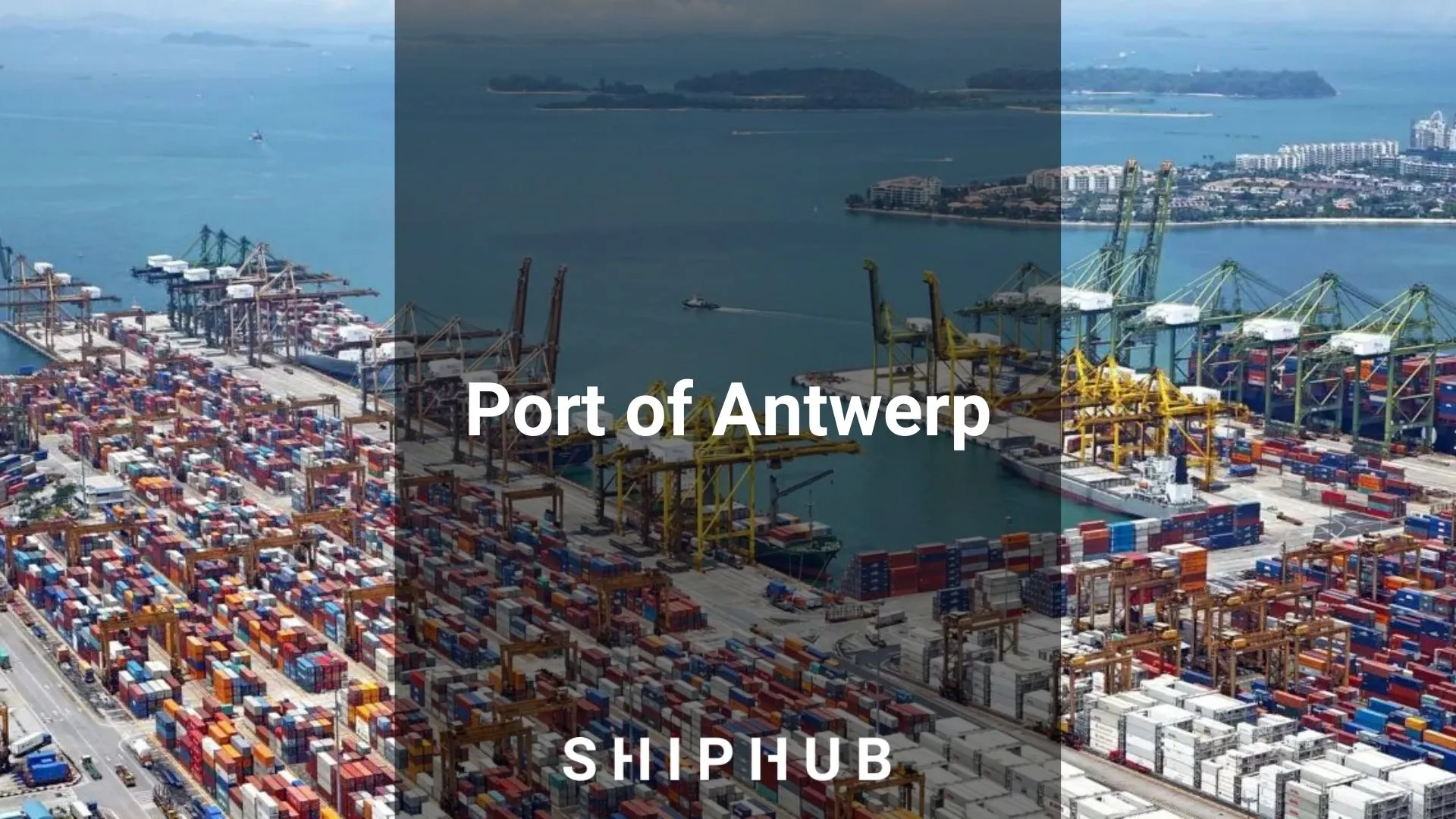
Today, the Port of Antwerp is one of the largest ports in the world, covering an area of over 120 square kilometers. It boasts state-of-the-art facilities, including deep-water terminals, container handling capabilities, and advanced logistics services. The port’s infrastructure is designed to accommodate various types of cargo, including containers, bulk goods, and liquid cargo.
Key Operations and Services
Antwerp’s port operations are diverse, encompassing a wide range of services that facilitate international trade. These include:
- Container Handling: The port is equipped with multiple container terminals that handle millions of TEUs (twenty-foot equivalent units) annually. This capacity allows Antwerp to serve as a major transshipment hub for global shipping lines.
- Bulk Cargo Handling: Antwerp is a leading port for bulk cargo, including agricultural products, chemicals, and minerals. Its specialized terminals are designed to efficiently handle these types of goods.
- Logistics and Warehousing: The port’s logistics services include warehousing, distribution, and customs clearance, providing a comprehensive solution for businesses engaged in international trade.
The Role of Antwerp in Global Shipping
A Gateway to Europe
Antwerp serves as a critical gateway for goods entering and leaving Europe. Its strategic location allows for efficient transportation to major European markets, including Germany, France, and the Netherlands. This connectivity is vital for businesses looking to expand their reach within the European Union.
Collaboration with Shipping Lines
The Port of Antwerp collaborates with numerous shipping lines, making it a key player in global shipping networks. Major shipping companies operate regular services to and from Antwerp, ensuring that goods can be transported quickly and efficiently. This collaboration enhances the port’s competitiveness and attractiveness to international traders.
Environmental Sustainability Initiatives
In recent years, Antwerp has made significant strides in promoting environmental sustainability within its operations. The port has implemented various initiatives aimed at reducing its carbon footprint, such as investing in green technologies and promoting the use of alternative fuels. These efforts align with global trends toward sustainable shipping practices and demonstrate Antwerp’s commitment to responsible trade.
Challenges Facing Antwerp
Competition from Other Ports
Despite its strengths, the Port of Antwerp faces increasing competition from other European ports, such as Rotterdam and Hamburg. These ports are also investing in infrastructure and services to attract shipping lines and cargo. To maintain its competitive edge, Antwerp must continue to innovate and enhance its offerings.
Navigating Regulatory Changes
The shipping industry is subject to various regulations, including environmental standards and trade policies. Changes in these regulations can impact port operations and shipping costs. Antwerp must stay abreast of these developments and adapt its practices accordingly to ensure compliance and competitiveness.
The Future of Antwerp in Global Shipping
Embracing Technological Advancements
The future of the Port of Antwerp is closely tied to technological advancements in the shipping industry. Automation, digitalization, and data analytics are transforming how ports operate, enhancing efficiency and reducing costs. Antwerp is investing in these technologies to streamline its operations and improve service delivery.
Expanding Global Trade Networks
As global trade continues to grow, Antwerp is well-positioned to expand its networks and partnerships. The port’s strategic location and robust infrastructure make it an attractive option for businesses looking to enter new markets. By fostering relationships with emerging economies and trade partners, Antwerp can further solidify its role in international shipping.
Commitment to Sustainability
The future of shipping is increasingly focused on sustainability, and Antwerp is committed to leading the way in this regard. The port’s initiatives to reduce emissions and promote eco-friendly practices will be crucial in attracting environmentally conscious businesses and consumers. By prioritizing sustainability, Antwerp can enhance its reputation as a responsible trade hub.
Conclusion
Antwerp’s historical significance, modern infrastructure, and strategic location make it a vital player in global shipping. As the industry evolves, the port must navigate challenges and embrace opportunities to maintain its competitive edge. By investing in technology, expanding trade networks, and committing to sustainability, Antwerp is poised to continue its legacy as a leading hub for international trade.
To enhance your global shipping operations and streamline logistics processes, consider leveraging innovative solutions like LooperBuy for efficient management and fulfillment. For more information, visit https://looperbuy.com/.
Related Questions & Answers
· What are the key services offered by the Port of Antwerp? The Port of Antwerp offers container handling, bulk cargo handling, logistics services, and customs clearance to facilitate international trade.
· How does Antwerp compare to other European ports? Antwerp is one of the largest ports in Europe, but it faces competition from ports like Rotterdam and Hamburg, which are also investing in infrastructure and services.
· What initiatives is Antwerp implementing for sustainability? Antwerp is investing in green technologies and promoting alternative fuels to reduce its carbon footprint and enhance environmental sustainability.
· How does Antwerp serve as a gateway to Europe? Antwerp’s strategic location allows for efficient transportation to major European markets, making it a critical hub for goods entering and leaving the continent.
· What challenges does the Port of Antwerp face? Antwerp faces challenges such as competition from other ports and navigating regulatory changes that can impact operations and shipping costs.
Hot Tags: Global Trade; E-commerce Logistics; Port Operations; Shipping Industry; Supply Chain Management; Environmental Sustainability; Container Shipping; Logistics Solutions; International Trade