In the fast-paced world of international B2B trade, precision is the difference between a seamless logistics operation and a costly logistical nightmare. As a sourcing manager or brand owner, you have likely encountered the terms “Net Weight” and “Gross Weight” on your shipping documents. Understanding the net weight meaning and its distinct relationship with gross and tare weight is not just a technical necessity—it is a strategic advantage that helps you optimize shipping costs, ensure customs compliance, and protect your profit margins.
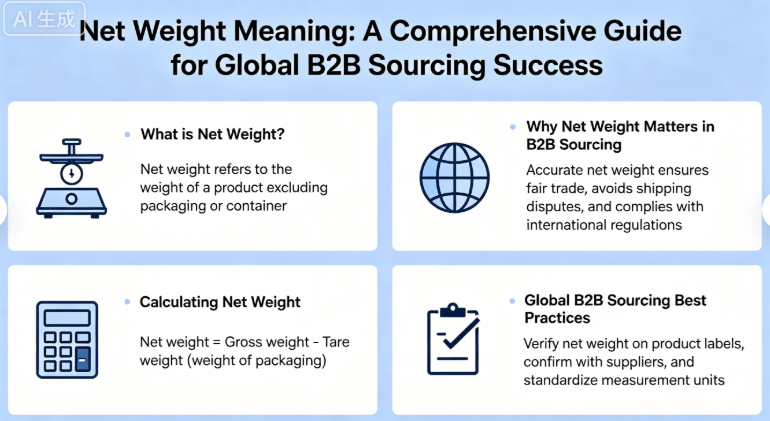
Table of Contents
What Is the Net Weight Meaning in B2B Sourcing?
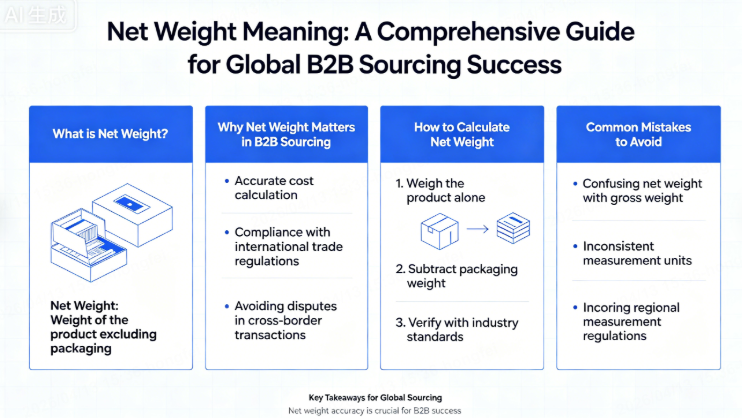
At its core, net weight represents the weight of the actual product itself, excluding all forms of packaging, shipping containers, pallets, or protective materials [6, 7, 14]. When you are sourcing goods from China through a platform like LooperBuy, the net weight is the figure that reflects the true physical mass of the items you are purchasing [11, 14].
- Why It Matters: Net weight is the primary metric used by customs authorities to determine product classification and calculate applicable import duties and taxes [2, 15].
- Industry Insight: Accurate net weight data is essential for maintaining correct inventory records and ensuring that your product labeling meets international regulatory standards [10, 12, 14].
Distinguishing Net Weight vs. Gross Weight: The Core Differences
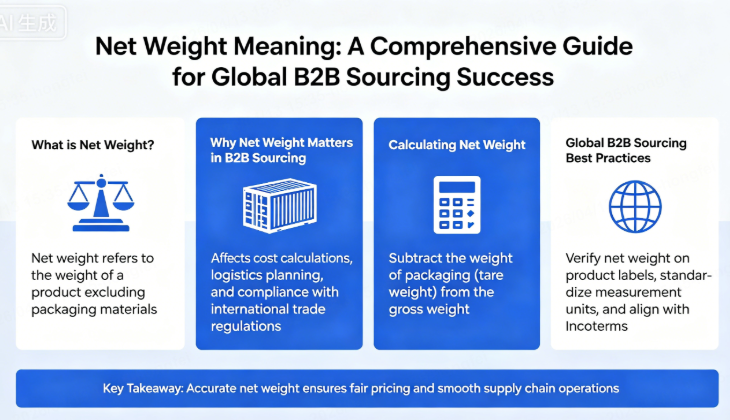
While net weight isolates the product, gross weight captures the total reality of your shipment as it prepares for transit [11]. It is the combined weight of the product, its immediate packaging, secondary cartons, pallets, and any protective dunnage [1, 4, 6].
Quick Comparison Table
| Metric | Includes | Primary Use |
|---|---|---|
| Net Weight | Product only [6, 7] | Customs duties, product labeling [4, 15] |
| Gross Weight | Product + all packaging [1, 14] | Freight charges, carrier compliance [3, 4] |
| Tare Weight | Packaging/containers only [16, 18] | Calculating Net/Gross weights [5, 13] |
The Critical Role of Tare Weight
To calculate your weights accurately, you must understand tare weight. Tare weight is the weight of an empty shipping container, pallet, or vehicle used to transport your goods [16, 18].
- The Formula for Success:
- Gross Weight = Net Weight + Tare Weight [5, 16]
- Net Weight = Gross Weight – Tare Weight [13]
Failing to account for the tare weight of your packaging is a common mistake that leads to inaccurate shipping cost projections and unexpected invoice discrepancies [3, 8].
Why Accurate Weight Management Is Vital for Your Supply Chain
Many B2B buyers underestimate the impact of weight declarations on their total landed cost. Inaccurate reporting is a leading cause of:
- Quiet Cost Leakage: Logistics systems calculate freight charges based on gross weight [3, 15]. If your declared gross weight is lower than the actual weight, you will face hefty reweighing fees and shipping surcharges [3, 15].
- Customs Delays: Customs authorities rely on declared weights to verify shipments [16]. Discrepancies between your documents and the physical shipment can trigger time-consuming inspections and potential fines [10, 15].
- Operational Inefficiency: For warehouse managers, precise weight data is non-negotiable for optimized loading, space utilization, and inventory accuracy [10, 16].
Expert Strategies for Optimizing Your Shipping Weights
As experts at LooperBuy, we recommend a proactive approach to weight management to maximize your sourcing efficiency:
- Standardize Your Data: Maintain separate, verified records for net, gross, and tare weights in your product master data [10].
- Prioritize Packaging Optimization: Lightweight, high-strength packaging can significantly reduce your gross weight without compromising product safety, leading to lower freight costs [19].
- Invest in Verification: Use calibrated industrial scales to weigh products at the source before they leave the factory [19]. Do not rely solely on theoretical estimates; physical verification is the gold standard [19].
How LooperBuy Simplifies Your Global Sourcing
Navigating the complexities of international logistics requires a partner that understands the technical nuances of trade. LooperBuy provides a one-stop B2B sourcing platform where you can directly procure Chinese goods with total clarity. By providing comprehensive logistical support, we help you manage the intricacies of weight declarations, ensuring your shipments remain cost-effective and compliant from the factory floor to your warehouse.
Explore our sourcing platform and streamline your global supply chain today.
References
- Inecta: Net Weight vs Gross Weight Definitions & Calculations
- Basenton: Definitions of Net Weight and Gross Weight in Shipping
- NimbusPost: Impact of Gross Weight on Shipping Costs
- Airpals: The Complete Shipping Guide to Net vs. Gross Weight
- Inbound Logistics: Differences and Calculations of Weight
- Jones Elite Logistics: Net Weight vs Gross Weight Explained
- Closo: Mastering Weight in Logistics
- SoSourcing: Simple Guide for Shipping and Customs
- LeelineSourcing: Differences and Importance in 2026
- Da Vinci (DV Unified): What 3PLs Need to Know
- ASMR Education: Key Differences in Shipping
- Teamship: Glossary of Weight Terms
- Inspire Solutions: Understanding Weight Differences
- Maple Sourcing: The Practical Impact on Importing
- Allwayforward: Real Differences in Shipping
- IncoDocs: Tare, Net, and Gross Weight Explained
- In-Freight: Understanding Key Differences and Calculations
- SeaRates: Practical Guide for Accurate Shipping
- CFC Fulfillment: Complete Guide for Shipping
- Phase V: Hidden Secrets in Shipping
Frequently Asked Questions (FAQ)
Q1: Why is it important to distinguish between net weight and gross weight on my shipping documents?
A1: Accurate weights ensure correct billing for shipping costs, compliance with customs regulations, and smoother clearance processes at borders [3, 10, 16].
Q2: Which weight should I use to calculate my customs duties?
A2: Customs authorities typically use the net weight of the product for classification and duty calculation purposes [4, 15].
Q3: Can I calculate the gross weight myself if I only know the net weight?
A3: Yes, you can calculate it by adding the tare weight (the weight of the packaging, pallets, and protective materials) to the net weight [5, 16].
Q4: What happens if I declare the wrong weight on my bill of lading?
A4: Incorrect declarations can lead to reweighing charges, shipping surcharges, customs delays, and potential fines [3, 10, 15].
Q5: How can I optimize my shipping costs through better weight management?
A5: By using lightweight, efficient packaging and verifying your weights at the source, you can minimize the gross weight of your shipments and reduce overall freight costs [19].
Brief:
This article provides a deep dive into the critical differences between net weight and gross weight for B2B sourcing managers. It clarifies definitions, explains the vital role of tare weight, highlights the risks of inaccurate weight reporting, and offers professional strategies to optimize global shipping operations and maximize profitability when sourcing from platforms like LooperBuy.
Hot tags: #B2B Sourcing #Net Weight Meaning #Global Logistics #International Trade Compliance #Import Duty Calculation #Shipping Gross Weight #Supply Chain Efficiency #Wholesale Procurement #Freight Cost Optimization #Customs Declaration Procedures