In an age where environmental consciousness is more critical than ever, parents are increasingly seeking ways to provide their children with safe, engaging, and sustainable play options. Eco-friendly children’s toys have emerged as a popular choice, combining fun with a commitment to protecting our planet. This article explores the benefits of eco-friendly toys, the types available, and how they contribute to a healthier environment for future generations.
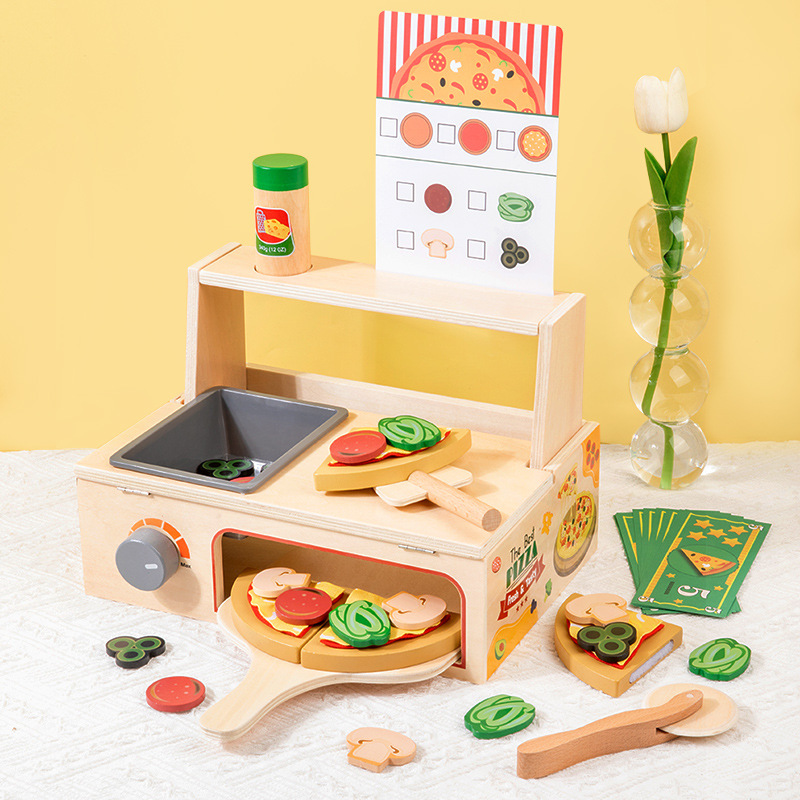
Table of Contents
Understanding Eco-Friendly Toys
What Are Eco-Friendly Toys?
Eco-friendly toys are designed with sustainability in mind. They are made from natural, non-toxic materials that are safe for children and the environment. Common materials include wood, organic cotton, bamboo, and recycled plastics. Unlike traditional toys, which often contain harmful chemicals and contribute to environmental degradation, eco-friendly toys prioritize safety and sustainability.
The Importance of Choosing Eco-Friendly Toys
Choosing eco-friendly toys is not just a trend; it is a responsible choice that benefits both children and the planet. These toys are often biodegradable or recyclable, reducing waste and pollution. By opting for eco-friendly options, parents can instill values of sustainability and environmental stewardship in their children from a young age. This choice also reflects a growing awareness of the impact of consumerism on the environment, encouraging families to make more mindful purchasing decisions.
Benefits of Eco-Friendly Toys
Safety First
One of the primary concerns for parents is the safety of the toys their children play with. Eco-friendly toys are typically free from harmful chemicals such as BPA, phthalates, and lead, which are commonly found in conventional plastic toys. This makes them a safer choice for children, who are often prone to putting toys in their mouths. Additionally, many eco-friendly toys are designed to be sturdy and durable, reducing the risk of breakage and potential injury. The use of natural materials also means that these toys are less likely to emit harmful fumes, contributing to a healthier play environment.
Promoting Imagination and Creativity
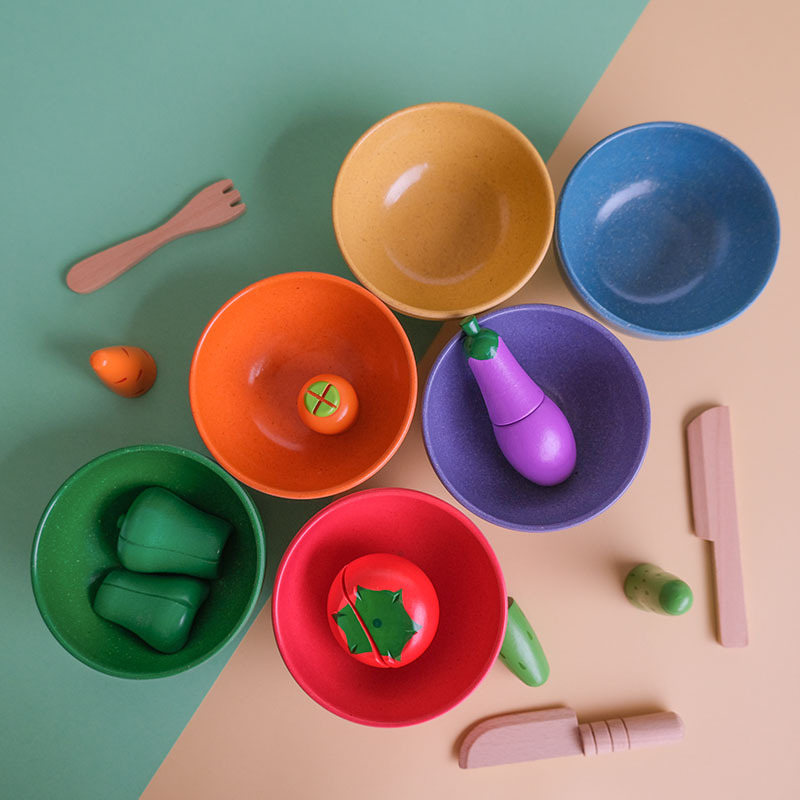
Eco-friendly toys often encourage imaginative play. Many are designed to be open-ended, allowing children to use their creativity to invent games and stories. For instance, wooden blocks can be used to build anything from castles to vehicles, fostering problem-solving skills and creativity. This type of play is essential for cognitive development, as it encourages children to think critically and explore their ideas. Moreover, eco-friendly toys often come in vibrant colors and unique designs that stimulate a child’s imagination, making playtime more engaging and enjoyable.
Supporting Developmental Skills
Toys made from natural materials often provide tactile experiences that are beneficial for sensory development. For example, toys that involve stacking, sorting, or building can enhance fine motor skills and hand-eye coordination. Additionally, many eco-friendly toys are designed to promote social interaction, encouraging children to play together and develop teamwork skills. This social aspect of play is crucial for emotional development, helping children learn to communicate and collaborate with others. Engaging in group play with eco-friendly toys can also teach children about sharing, empathy, and conflict resolution.
Environmental Awareness
By choosing eco-friendly toys, parents can teach their children about the importance of caring for the environment. Many eco-friendly toys come with educational components that explain sustainability concepts, such as recycling and conservation. This early exposure to environmental issues can foster a sense of responsibility in children, encouraging them to make eco-conscious choices as they grow. Furthermore, parents can use playtime as an opportunity to discuss broader environmental topics, such as climate change and the importance of protecting natural resources.
Types of Eco-Friendly Toys
Wooden Toys
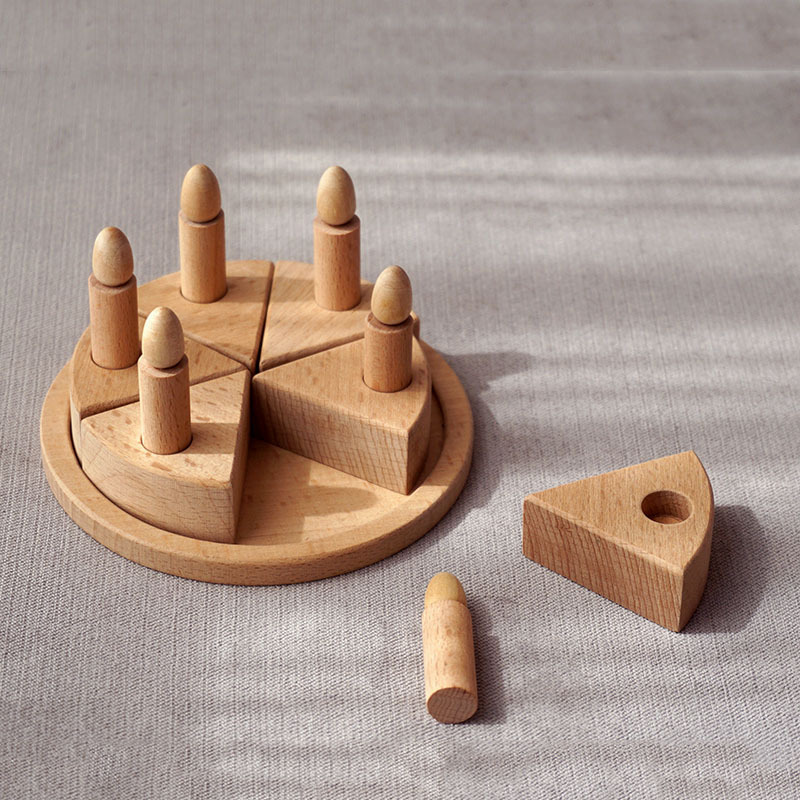
Wooden toys are a classic choice for eco-conscious parents. They are durable, timeless, and often beautifully crafted. From building blocks to puzzles, wooden toys can withstand years of play and can be passed down through generations. Brands like PlanToys and Green Toys are known for their commitment to sustainability and quality in wooden toy production. These toys not only provide endless fun but also connect children with nature, as they are made from renewable resources. Additionally, wooden toys often have a tactile quality that enhances sensory play, making them appealing to young children.
Fabric Toys
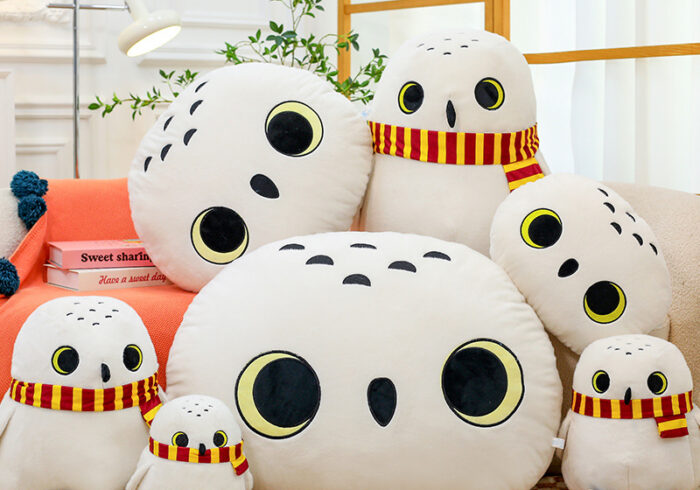
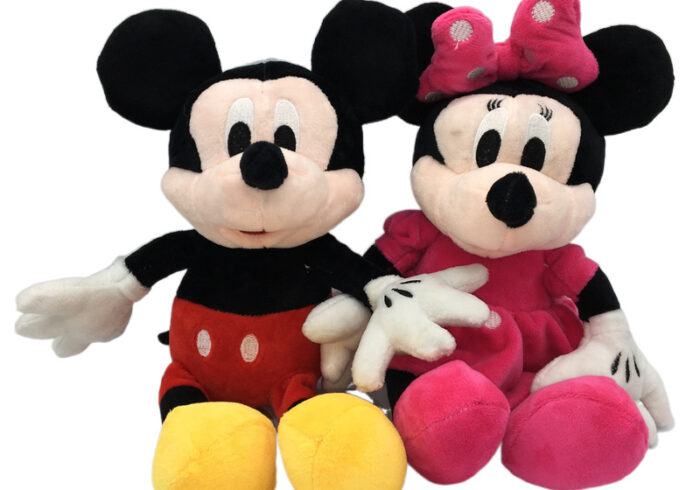
Toys made from organic cotton or other natural fabrics are another excellent option. These toys are often soft, safe for infants, and can be machine-washed. Stuffed animals, dolls, and fabric blocks made from organic materials provide comfort and companionship for young children. Additionally, many fabric toys are designed to be hypoallergenic, making them suitable for children with sensitive skin. The use of natural dyes and non-toxic finishes further enhances their safety and appeal.
Recycled Plastic Toys
Some companies are now producing toys from recycled plastics, which helps reduce waste and promote recycling. These toys can be just as durable and fun as their traditional counterparts, making them a great choice for environmentally conscious families. Brands like Green Toys utilize 100% recycled materials to create their products, ensuring that playtime is both enjoyable and sustainable. By choosing recycled plastic toys, parents can help reduce the demand for new plastic production, which is a significant contributor to environmental pollution.
DIY Eco-Friendly Toys
For those who enjoy crafting, making your own eco-friendly toys can be a rewarding experience. Simple projects like creating dolls from fabric scraps or building toys from natural materials can be both fun and educational. This not only reduces waste but also allows parents and children to bond over creative activities. DIY toys can also be customized to suit a child’s interests, making them even more special. Engaging in DIY projects can also teach children valuable skills, such as problem-solving and resourcefulness.
Innovative Eco-Friendly Designs
The toy industry is continually evolving, with new and innovative eco-friendly designs emerging. For example, some companies are creating toys that incorporate technology in sustainable ways, such as solar-powered gadgets or toys made from biodegradable materials that can decompose after use. These innovations not only provide entertainment but also educate children about renewable energy and sustainable practices. Additionally, some brands are exploring the use of plant-based materials and bioplastics, which offer a more sustainable alternative to traditional plastics.
Eco-Friendly Art Supplies
In addition to toys, eco-friendly art supplies are gaining popularity among parents who want to encourage creativity while being mindful of the environment. Non-toxic paints, crayons made from soy or beeswax, and recycled paper products are excellent choices for young artists. These supplies not only reduce exposure to harmful chemicals but also promote sustainable practices in creative expression. By providing children with eco-friendly art materials, parents can inspire them to create while fostering an appreciation for the environment.
The Impact of Eco-Friendly Toys on the Environment
Reducing Plastic Waste
The toy industry is a significant contributor to plastic waste, with millions of toys ending up in landfills each year. By choosing eco-friendly toys, parents can help reduce this impact. Many eco-friendly toys are designed to be biodegradable or recyclable, ensuring that they do not contribute to long-term environmental damage. This shift towards sustainable toys is crucial in combating the global plastic crisis. Furthermore, by supporting eco-friendly brands, consumers can encourage the industry to move towards more sustainable practices.
Supporting Sustainable Practices
Many companies that produce eco-friendly toys are committed to sustainable practices, from sourcing materials responsibly to using eco-friendly packaging. By supporting these brands, consumers can encourage more companies to adopt sustainable practices, leading to a broader positive impact on the environment. This support can also drive innovation in the industry, prompting more brands to explore eco-friendly alternatives. Additionally, many eco-friendly toy manufacturers are transparent about their production processes, allowing consumers to make informed choices about the products they purchase.
Educating Future Generations
By providing children with eco-friendly toys, parents can teach them about the importance of sustainability and caring for the planet. This education can foster a sense of responsibility and stewardship in children, encouraging them to make environmentally conscious choices as they grow. As children learn about the impact of their choices, they are more likely to become advocates for the environment in their communities. This advocacy can take many forms, from participating in local clean-up efforts to promoting recycling initiatives at school.
How to Choose Eco-Friendly Toys
Look for Certifications
When shopping for eco-friendly toys, look for certifications that indicate the product meets specific safety and environmental standards. Certifications such as ASTM, EN71, and CE can provide assurance that the toys are safe for children. Additionally, certifications from organizations focused on sustainability can help identify brands that prioritize eco-friendly practices. These certifications can serve as a guide for parents seeking to make responsible purchasing decisions.
Research Brands
Not all toys marketed as eco-friendly are created equal. Research brands to ensure they have a genuine commitment to sustainability. Look for companies that prioritize ethical sourcing, use non-toxic materials, and have transparent manufacturing processes. Reading reviews and seeking recommendations from other parents can also help in making informed choices. Engaging with online communities focused on eco-friendly parenting can provide valuable insights and recommendations.
Consider the Age Appropriateness
Ensure that the toys you choose are suitable for your child’s age and developmental stage. Many eco-friendly toys are designed with specific age groups in mind, so check the packaging for recommendations. Age-appropriate toys not only ensure safety but also enhance the play experience by matching the child’s developmental needs. Toys that are too advanced can lead to frustration, while those that are too simple may not engage a child’s interest.
Emphasize Open-Ended Play
Choose toys that encourage open-ended play, allowing children to use their imagination and creativity. Toys that can be used in multiple ways, such as building blocks or art supplies, can provide hours of entertainment and learning. Open-ended play is essential for cognitive development, as it encourages children to explore and experiment. This type of play also fosters resilience, as children learn to navigate challenges and find solutions through trial and error.
Engage in Conversations About Sustainability
Incorporating discussions about sustainability into playtime can enhance the educational value of eco-friendly toys. Parents can use play as an opportunity to talk about the importance of recycling, conserving resources, and protecting the environment. This dialogue not only reinforces the lessons learned through play but also helps children understand the broader implications of their choices. By making sustainability a part of everyday conversations, parents can instill a lifelong commitment to environmental stewardship in their children.
Conclusion
Eco-friendly children’s toys represent a significant step towards creating a safer, healthier environment for our children and the planet. By choosing sustainable options, parents can provide their children with safe, engaging play experiences while instilling values of environmental responsibility. As the demand for eco-friendly toys continues to grow, it is essential for consumers to support brands that prioritize sustainability and ethical practices. By making informed choices, we can all contribute to a greener future for the next generation.
How to purchase:Online B2B sourcing platform, China purchase, Chinese suppliers – LooperBuy
Frequently Asked Questions
1. What materials are commonly used in eco-friendly toys?
Eco-friendly toys are typically made from natural materials such as wood, organic cotton, bamboo, and recycled plastics. These materials are chosen for their safety and sustainability.
2. Are eco-friendly toys safe for infants?
Yes, many eco-friendly toys are designed specifically for infants and are free from harmful chemicals, making them a safe choice for young children.
3. How can I tell if a toy is truly eco-friendly?
Look for certifications that indicate safety and environmental standards, research the brand’s practices, and check for transparency in sourcing and manufacturing.
4. Can I make my own eco-friendly toys?
Absolutely! DIY eco-friendly toys can be a fun and rewarding project. Simple materials like fabric scraps or natural items can be used to create unique toys.
5. Why should I choose eco-friendly toys over traditional plastic toys?
Eco-friendly toys reduce plastic waste, are often safer for children, and promote sustainable practices. They also encourage imaginative play and support healthy development.
HOT TAG: eco-friendly toys, sustainable play, children’s safety, natural materials, educational toys, eco-conscious parenting, wooden toys, organic cotton, recycled plastics, DIY toys, innovative designs, environmental awareness, cognitive development, open-ended play, responsible consumerism, eco-friendly art supplies, sensory development, durable toy options, sustainable practices, future generations, imaginative play, non-toxic materials, eco-friendly brands, child development, green living.