Table of Contents
Introduction
Pet clothes have evolved from mere accessories to essential items that provide both comfort and style for our furry friends. Whether it’s to protect them from the elements, aid in recovery from injuries, or simply to make them look adorable, pet clothes serve a variety of purposes. In this comprehensive guide, we’ll explore the world of pet clothes, covering everything from types and benefits to styling tips and care instructions.
Types of Pet Clothes
Weather-Resistant Apparel
- Winter Coats and Jackets: Ideal for keeping pets warm in cold weather. These are especially beneficial for short-coated dogs and senior pets whose arthritis may worsen in the cold. They come in various styles and materials, such as insulated jackets and waterproof coats.
- Raincoats: Keep pets dry during rainy days. They prevent the dreaded damp dog smell and eliminate the need to dry off pets upon returning home. These coats are usually lightweight and waterproof.
- Cooling Vests: Use evaporative cooling to absorb heat from a pet’s body and release it through evaporation. They are perfect for pets active in hot and humid climates. Cooling vests come in different sizes with adjustable straps for a secure fit.
Protective Gear
- Life Jackets: Ensure safety when pets are in or near water. They are crucial for dogs with short snouts that struggle to regulate body temperature and for those who can’t reach the ground while keeping their head above water.
- Reflective Vests: Essential for nighttime outings. They make pets more visible in the dark, reducing the risk of accidents. These vests often have reflective strips that catch light.
- Dog Booties: Protect paws from debris, hot concrete, and harmful street salts. They are particularly useful in extreme weather conditions.
Medical and Recovery Apparel
- Recovery Shirts: Protect pets from licking or biting their injuries. They cover the entire body and are easy to put on and take off. These shirts are ideal for pets recovering from surgeries or dealing with skin conditions.
- Compression Shirts: Provide anxiety relief for pets. They apply gentle pressure to the body, helping to calm nervous pets during thunderstorms or fireworks.
Fashion and Leisure Apparel
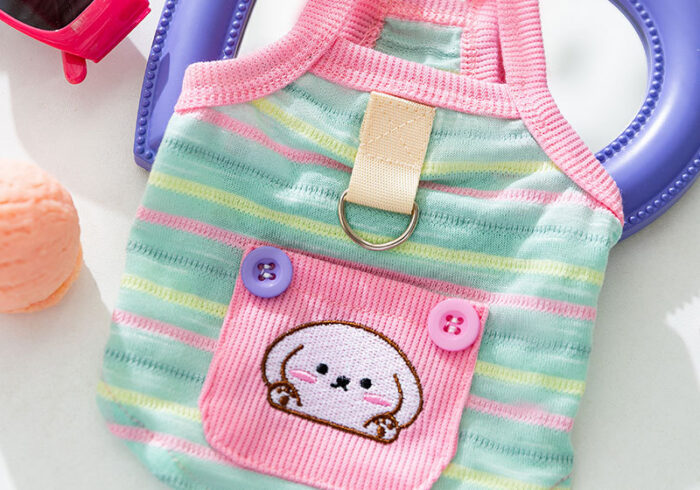
- T-Shirts and Sweaters: Available in countless designs and styles. T-shirts are often worn for warmth and come in various patterns. Sweaters are popular among small to medium-sized breeds and come in styles like cardigans, hooded sweaters, and knitted sweaters.
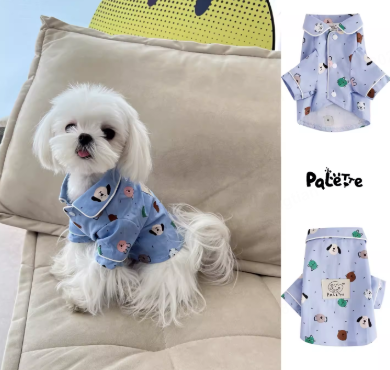
- Pajamas: Keep pets warm and comfortable during sleep. They come in different styles, such as one-sleeve, two-sleeve, with hoods, or without hoods.
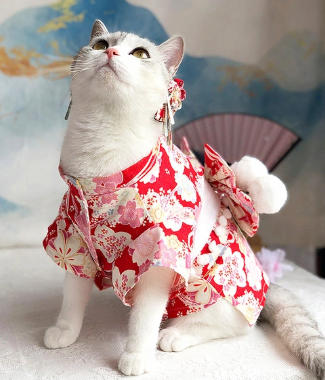
- Special Occasion Attire: Perfect for parties, weddings, and other celebrations. Options include pet tuxedos, fancy dresses, and themed costumes that match the event’s aesthetic.
Benefits of Pet Clothes
Protection
Pet clothes protect pets from harsh weather conditions like extreme cold, rain, and heat. They also safeguard paws from hot surfaces and harmful substances, and shield pets from debris and dirt.
Health and Recovery
Recovery shirts prevent pets from aggravating injuries through licking or biting, while compression shirts help alleviate anxiety. These clothes aid in the healing process and improve pets’ overall well-being.
Enhanced Comfort
Well-designed pet clothes provide warmth and coziness, especially during colder months. They also offer sun protection for pets with short hair or light skin, reducing the risk of skin cancer.
Style and Fun
Pet clothes allow pets to look adorable and fashionable. Dressing up pets for special occasions or daily wear adds a fun element to their lives and creates memorable moments for pet owners.
How to Choose the Right Pet Clothes
Consider the Pet’s Needs
Assess whether your pet needs protection from the elements, medical support, or simply a stylish outfit. For instance, short-coated pets may require winter coats, while anxious pets might benefit from compression shirts.
Size and Fit
Ensure the clothes fit comfortably without restricting movement. Measure your pet’s dimensions and refer to the size chart provided by the manufacturer. Clothes that are too tight or loose can cause discomfort or even harm.
Material and Quality
Opt for high-quality, breathable materials like cotton or linen for warm-weather clothes. For cold weather, look for insulated and waterproof fabrics. The material should be comfortable against your pet’s skin and durable enough to withstand chewing and rough play.
Comfort and Safety
Choose clothes that are easy to put on and take off. Avoid outfits with tight fittings, small parts that could be swallowed, or materials that might irritate your pet’s skin. Ensure the clothes allow for easy access to the pet’s body for bathroom breaks and grooming.
Styling Tips for Pet Clothes
Coordinate with Accessories
Pair pet clothes with accessories like bandanas, hats, or bows to enhance the overall look. For example, a dog wearing a sweater can be accessorized with a matching bandana.
Seasonal Styling
Adjust the style of pet clothes according to the season. In winter, layer coats over sweaters for extra warmth. In summer, opt for lightweight fabrics and add sun protection features like UV-resistant clothing or pet-safe sunscreen.
Match the Occasion
For special events, select outfits that match the theme or dress code. A pet tuxedo or a fancy dress can make your pet look elegant at a formal gathering. For everyday wear, choose comfortable and practical clothes that suit your pet’s activities.
Care and Maintenance of Pet Clothes
Regular Washing
Wash pet clothes regularly to maintain hygiene and freshness. Follow the care instructions provided with the clothes. Most pet clothes can be machine washed on a gentle cycle with cold water and mild detergent. Avoid using fabric softeners that might irritate your pet’s skin.
Proper Drying
Air dry pet clothes whenever possible. Avoid exposing them to direct sunlight for extended periods, as this can cause fading and damage the fabric. Tumble drying on low heat may be acceptable for some clothes, but it’s always best to check the care label.
Storage
Store pet clothes in a clean, dry place. Fold them neatly or roll them to maintain their shape. Keep them in a breathable cotton bag or tissue paper to protect against moths and dust. Avoid hanging clothes, as this can cause stretching and distortion.
Inspect for Wear and Tear
Regularly check pet clothes for signs of wear and tear, such as fraying seams or damaged zippers. Repair minor issues promptly to prevent them from worsening. Replace clothes that are beyond repair to ensure your pet remains comfortable and protected.
Shopping Tips for Pet Clothes
Research Brands
Look for reputable brands known for quality and safety. Read reviews and seek recommendations from other pet owners. Well-known brands often provide better customer support and guarantees.
Compare Prices
Compare prices across different retailers to find the best deal. However, avoid compromising on quality for the sake of saving money. A higher-priced item may offer better durability and comfort in the long run.
Check for Discounts and Sales
Many online and physical stores offer discounts and sales on pet clothes, especially during holidays or seasonal changes. Sign up for newsletters or follow stores on social media to stay updated on promotions.
Conclusion
Pet clothes serve a dual purpose of providing practical benefits and enhancing pets’ appearance. By understanding the different types of pet clothes, their benefits, and how to choose and care for them, you can ensure your pet remains comfortable, protected, and stylish. Whether you’re dressing your pet for warmth, protection, or fashion, the right choice of pet clothes can significantly improve your pet’s quality of life and create delightful moments for both you and your furry companion.
How to Purchase:https://looperbuy.com/search?keywords=pet+clothes
Questions and Answers About Pet Clothes
Q: How often should I wash my pet’s clothes?
A: Wash pet clothes regularly, especially after outdoor activities or when they appear dirty. Generally, washing after 3-5 wears is recommended. For clothes used in messy conditions, wash them more frequently.
Q: What should I do if my pet is uncomfortable in clothes?
A: If your pet shows signs of discomfort, such as excessive panting, scratching, or trying to remove the clothes, check the fit and adjust or choose a different style. Ensure the clothes are not too tight or restrictive. Gradually introduce the clothes to allow your pet to get used to them.
Q: Can I use human clothing for my pet?
A: In some cases, loose-fitting human clothes like baby shirts or sweaters can be adapted for pets. However, they may not provide the same level of comfort and protection as pet-specific clothes. Always ensure the clothes fit well and are safe for your pet to wear.
Q: How do I measure my pet for clothes?
A: Measure your pet’s chest circumference, length from neck to base of tail, and neck circumference using a flexible measuring tape. Refer to the size chart provided by the manufacturer to select the appropriate size.
Q: Are there eco-friendly pet clothes options?
A: Yes, many brands offer eco-friendly pet clothes made from sustainable materials like organic cotton, recycled polyester, or bamboo. Look for brands that prioritize environmental responsibility and ethical production practices.