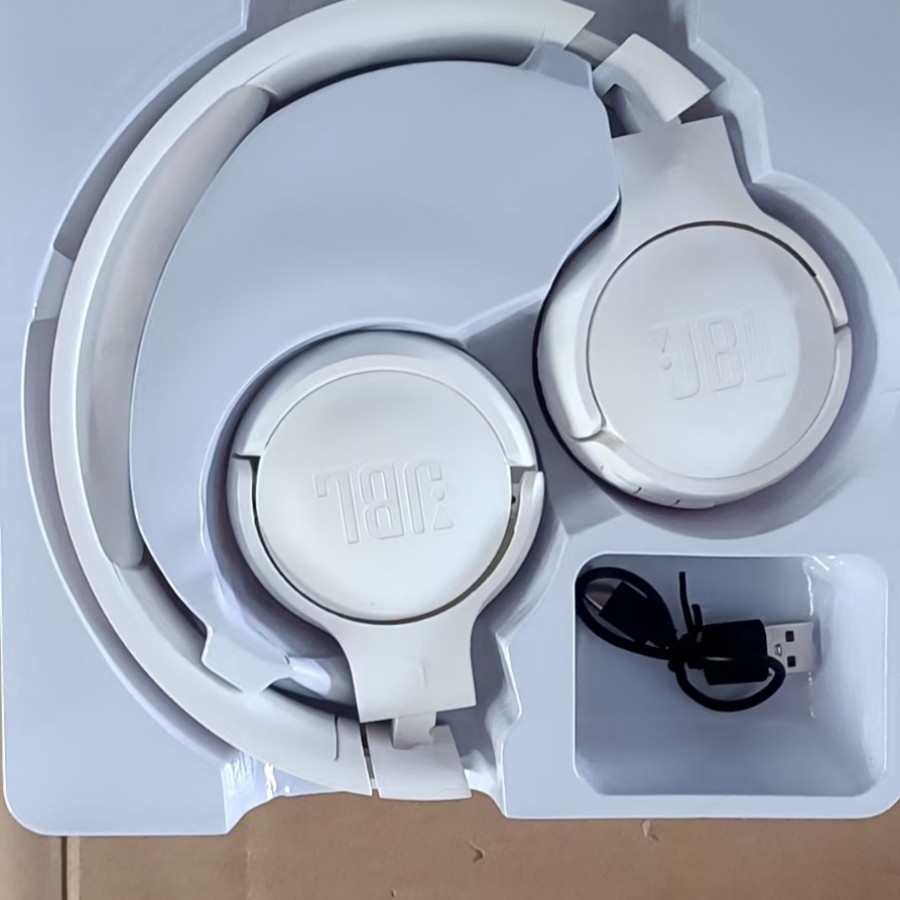
In a world where sound shapes mood, memory, and connection, few brands have mastered the art of translating technology into emotion quite like JBL. For over seven decades, JBL has been at the forefront of audio innovation, crafting headphones that don’t just play music—they curate experiences. From the first portable speaker to the latest wireless earbuds, JBL’s journey is one of passion for sound, precision engineering, and a deep understanding of how audio enriches daily life. This article explores the legacy, technology, and human stories behind JBL headphones, revealing why they remain a favorite among audiophiles, commuters, and casual listeners alike.
Table of Contents
From Studio to Street: The Legacy of JBL Audio
JBL’s story begins not in a boardroom, but in a garage. Founded in 1946 by James B. Lansing, an engineer with a fascination for sound reproduction, the brand quickly made its mark by designing speakers for Hollywood studios and concert halls. This legacy of professional-grade audio engineering laid the foundation for JBL’s headphone line, where every model is infused with the same dedication to accuracy and clarity that defined its early work.
Over the decades, JBL expanded beyond studios, recognizing the growing demand for portable, high-quality audio. The 1980s saw the introduction of iconic models like the JBL Pro Series, which blended studio precision with consumer-friendly design. By the 2000s, JBL embraced wireless technology, pioneering features like Bluetooth connectivity and active noise cancellation (ANC) long before they became mainstream. Today, JBL headphones are celebrated not just for their technical prowess, but for their ability to adapt to the way people live—whether commuting, working, or unwinding at home.

Design Philosophy: Where Form Meets Function
JBL headphones are often described as “invisible” in the best possible way—their design prioritizes comfort and aesthetics without drawing unnecessary attention. Let’s unpack the elements that make their design philosophy so effective:
Ergonomics: Comfort for All-Day Wear
Ergonomics is at the heart of JBL’s design process. Headphones are engineered to distribute weight evenly across the ear, using materials like soft silicone ear cups and memory foam cushions that mold to the shape of the user’s ear. This focus on comfort is evident in models like the JBL Quantum TWS, where the ear hooks and lightweight frame (under 5 grams per bud) make them ideal for extended use—from morning commutes to late-night study sessions.
Aesthetic choices also reflect user preferences. While some models, like the JBL Tune 760NC, opt for sleek, minimalist lines with matte finishes, others, such as the JBL Xtreme 3, embrace bold colors and rugged textures, appealing to adventurers and style-conscious users alike. The result? A range of designs that feel personal, as if each pair was made for the individual wearer.
The Science of Sound: JBL’s Audio Innovations
What truly sets JBL headphones apart is their commitment to audio excellence. Rooted in decades of acoustic research, JBL’s technology transforms sound into an immersive experience. Here’s a closer look at the innovations that define their sound:
Precision Engineering: Drivers and Acoustics
At the core of every JBL headphone is a carefully engineered driver—small, powerful components that convert electrical signals into sound waves. JBL’s proprietary drivers, often made from lightweight materials like aluminum or composite alloys, are designed to deliver rich bass, clear midranges, and detailed highs. For example, the JBL Quantum Engine in the Quantum TWS series uses advanced algorithms to optimize sound in real time, adjusting to the environment (like noisy commutes) to maintain clarity.
Active Noise Cancellation (ANC) is another cornerstone of JBL’s audio tech. By analyzing external sounds and generating counter-waves, ANC blocks out distractions like engine rumble or chatter, allowing listeners to immerse themselves fully in their music. Models like the JBL Live 670NC even feature adaptive ANC, which adjusts its intensity based on the wearer’s activity—perfect for switching between a busy street and a quiet office.
Beyond Music: How JBL Headphones Enhance Daily Life
JBL headphones are more than just audio devices—they’re tools that enhance how we live, work, and connect. Here are some of the ways they integrate into modern life:
Productivity: Focusing in a Noisy World
For remote workers and students, JBL headphones are productivity powerhouses. The noise cancellation in models like the JBL Tune 810BT cuts through background chatter, making it easier to concentrate on calls or study sessions. Wireless connectivity (via Bluetooth 5.3 or later) ensures seamless pairing with laptops, tablets, and smartphones, eliminating the hassle of tangled cords. Some models even include built-in microphones with noise-reduction technology, ensuring clear voice calls even in chaotic environments.
Fitness and Adventure: Built to Last
JBL understands that headphones need to keep up with active lifestyles. Many models, like the JBL Reflect Flow Pro, are designed for fitness enthusiasts: sweat-resistant materials, secure ear hooks, and water resistance (IPX7 rating) mean they can withstand sweat, rain, and even a dip in the pool. For adventurers, the JBL Xtreme 3 offers up to 15 hours of playtime (with a portable charger) and rugged construction, making them ideal for hiking, biking, or traveling off the beaten path.
Choosing the Right JBL Headphone: Key Considerations
With a diverse lineup spanning over-ear, on-ear, and true wireless models, selecting the perfect JBL headphone depends on your needs. Here are some factors to guide your decision:
Lifestyle and Usage Habits
If you’re often on the go, prioritize wireless models with long battery life and portability. For home or studio use, over-ear headphones with larger drivers (like the JBL Studio 720) offer deeper bass and more immersive sound. Frequent travelers might opt for noise-canceling models, while fitness enthusiasts should look for sweat-resistant, secure-fitting designs.
Sound Preferences
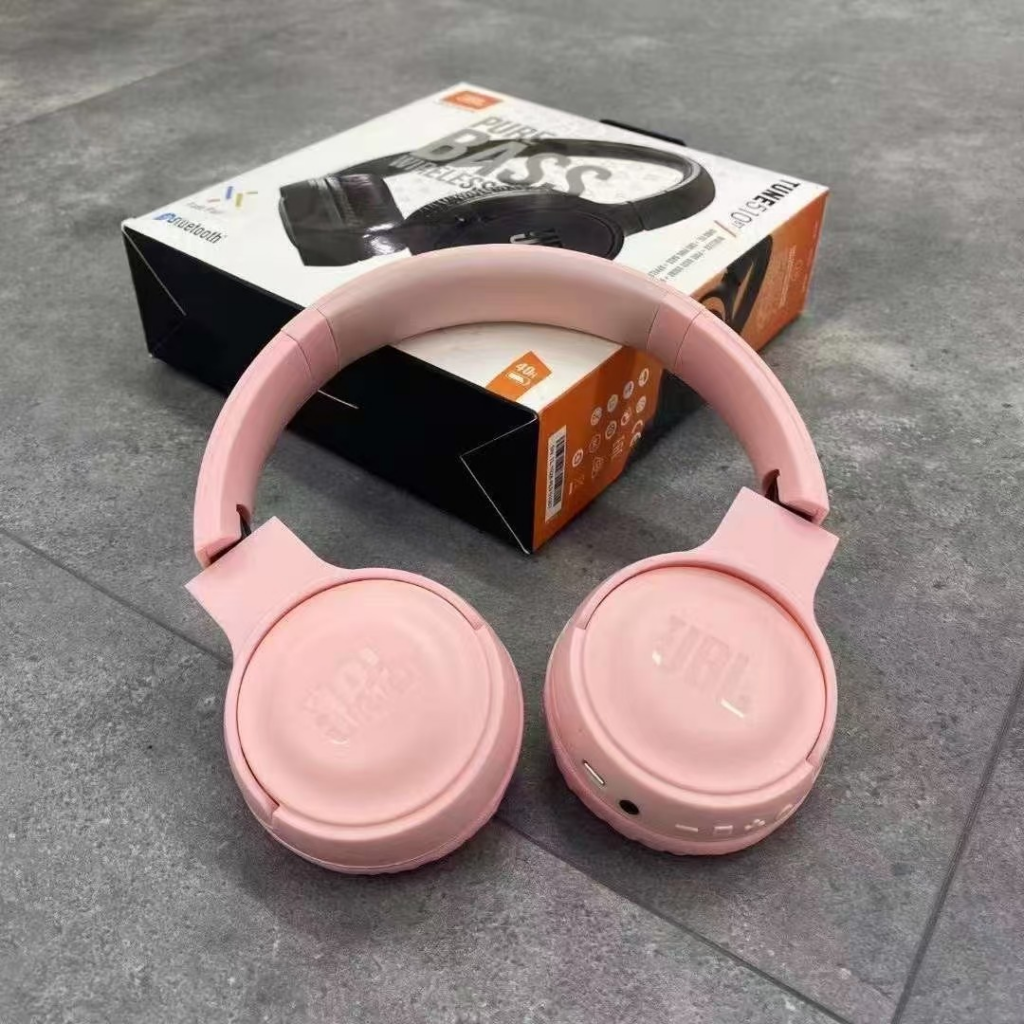
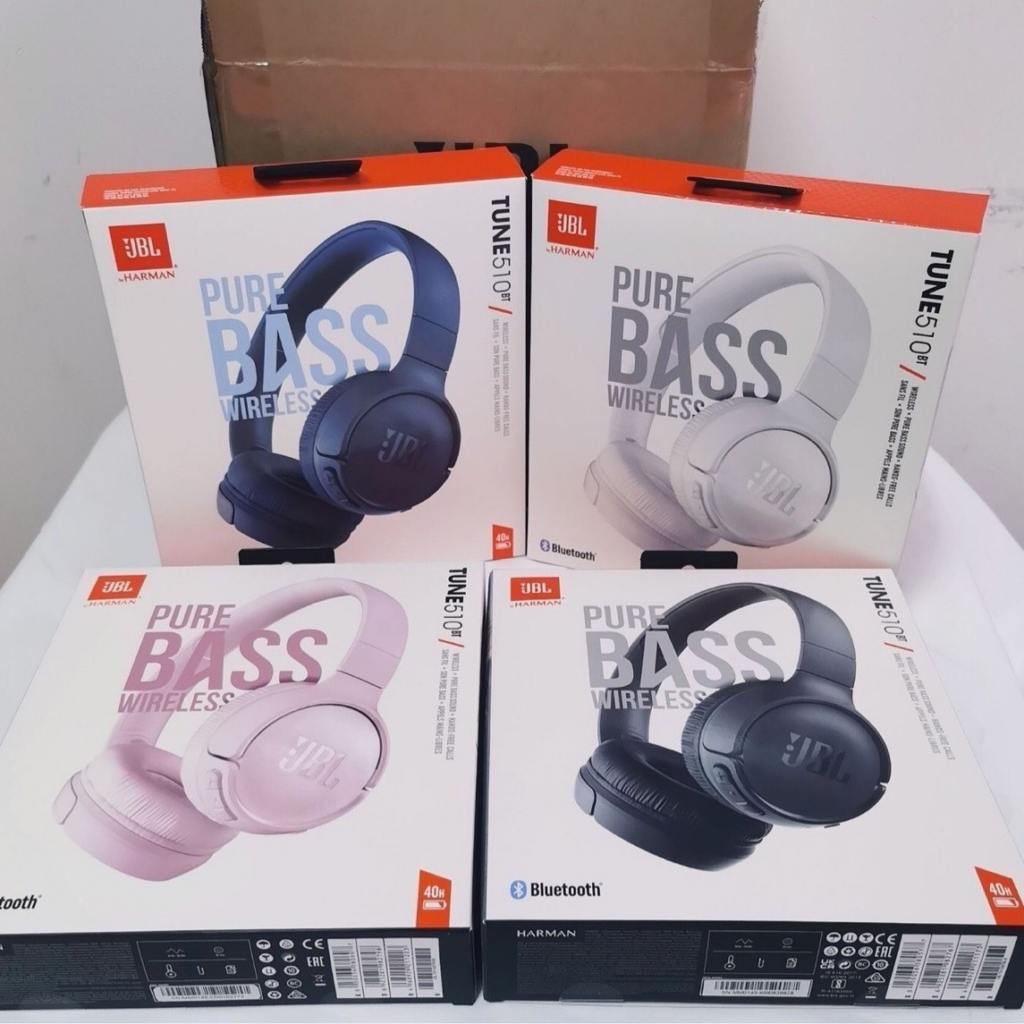
JBL offers a range of sound signatures to suit different tastes. Some models, like the JBL Tune 510BT, deliver punchy bass and energetic highs, perfect for pop and electronic music. Others, such as the JBL Classic 710, focus on balanced, accurate sound, ideal for classical or jazz. If you value customization, many JBL headphones come with companion apps that let you adjust equalizer settings to match your preferences.
Conclusion
JBL headphones are more than just a gateway to music—they’re a testament to the power of sound to connect, inspire, and elevate daily life. From their humble beginnings in a garage to their status as a global audio leader, JBL has stayed true to its mission: delivering exceptional sound quality with a focus on comfort, innovation, and user-centric design. Whether you’re seeking immersive audio for a workout, clear calls for work, or a moment of quiet enjoyment at home, there’s a JBL headphone designed to meet your needs. With their blend of technology and passion, JBL continues to shape the future of audio, one great listen at a time.
How to purchase: https://looperbuy.com/search?keywords=jbl+headphones&globalType=1688
Frequently Asked Questions
Q1: How do I clean my JBL headphones without damaging them? A: Use a soft, dry microfiber cloth to wipe the exterior and ear cups. For sticky residues or sweat, dampen the cloth slightly with water (avoid soaking) and gently wipe. Never use alcohol-based cleaners or abrasive scrubbers, as they can damage the finish or harm the drivers. For wireless earbuds, remove the ear tips and rinse them with mild soap before drying thoroughly.
Q2: What’s the difference between active noise cancellation (ANC) and passive noise isolation? A: Passive noise isolation relies on the physical design of the headphones (like over-ear cups or in-ear seals) to block external sound. ANC, on the other hand, uses built-in microphones to detect external noise and generates counter-waves to cancel it out. JBL models with ANC (e.g., JBL Live 670NC) offer better noise reduction in loud environments compared to passive isolation alone.
Q3: Can I use JBL headphones with multiple devices simultaneously? A: Most JBL wireless headphones support multipoint pairing, allowing you to connect to two devices at once (e.g., a smartphone and a laptop). This feature lets you switch audio sources seamlessly—for example, pausing music on your phone to answer a call on your laptop—without re-pairing. Check your specific model’s manual for details.
Q4: How long do JBL headphone batteries typically last? A: Battery life varies by model. On-ear and over-ear headphones often last 20–30 hours on a single charge, while true wireless earbuds range from 5–8 hours per bud (with charging cases extending this to 20–30 hours total). Models with ANC may have slightly shorter battery life due to the added power demands of the noise-canceling technology.
Q5: Are JBL headphones compatible with all smartphones and tablets? A: JBL headphones use standard Bluetooth protocols (Bluetooth 5.0 or later), making them compatible with most modern devices, including iPhones, Android phones, iPads, and tablets. Some premium models may offer additional features (like low-latency mode for gaming) when paired with specific devices, but basic audio playback works across all Bluetooth-enabled gadgets.
Hot Tags: jbl headphones review, best jbl wireless headphones, jbl noise cancelling headphones, jbl sound quality, jbl headphones for gym, jbl over ear headphones, jbl classic headphones, jbl true wireless earbuds, jbl audio technology, jbl headphones durability