Table of Contents
Introduction
Furniture with plastic covers is a practical and cost-effective solution for protecting your valuable furniture pieces. This guide explores the benefits, types, and considerations of using plastic covers for furniture, helping you make informed decisions to enhance the longevity and appearance of your furniture.
The Rise of Plastic Covers
Historical Context
The use of plastic covers for furniture dates back to the post-war era. As consumerism grew, people sought ways to protect their furniture investments. Plastic covers emerged as a popular solution due to their affordability and effectiveness. They became synonymous with cleanliness and care in many cultures, particularly in North America.
Cultural Trends
In some cultures, covering furniture with plastic is seen as a way to preserve the pristine condition of furniture, especially in formal settings. It reflects a sense of value and respect for belongings. However, attitudes are evolving as sustainability concerns rise, prompting a reevaluation of plastic usage.
Why People Cover Their Furniture
Protection from Damage
Plastic covers act as a barrier against spills, scratches, and stains. This is especially important in households with children and pets. They prevent liquid spills from seeping into upholstery and causing permanent damage, and protect surfaces from scratches and dents during daily use or moving.
Maintenance of Appearance
Plastic covers help preserve the color and condition of furniture. They shield against UV rays that can cause fading and protect surfaces from wear and tear, allowing furniture to maintain a brand-new look for longer.
Cost-Effectiveness
Investing in plastic covers can reduce the frequency of furniture replacements. They offer a more affordable alternative to frequent professional cleaning or reupholstering, providing long-term savings.
Allergen Protection
Plastic covers can serve as a barrier against allergens such as dust mites and pet dander. This is beneficial for allergy sufferers, as it helps maintain a cleaner environment and improves indoor air quality.
Benefits of Plastic Furniture Covers
Durability
Plastic covers are robust and can withstand wear and tear over time. They are resistant to tearing and can handle frequent use and cleaning.
Ease of Cleaning
Plastic covers are generally easy to clean. They can be wiped down with a damp cloth to remove dust and dirt, requiring minimal maintenance compared to fabric alternatives.
Adaptability
Plastic covers come in various styles and sizes to fit different types of furniture. They can complement various home decor styles and are available in clear options or stylish patterns.
Moisture Protection
Plastic covers provide an additional layer of protection against moisture, preventing mold or mildew growth on upholstered surfaces. This is particularly useful for outdoor furniture or in damp environments.
Types of Plastic Furniture Covers
Clear Plastic Covers
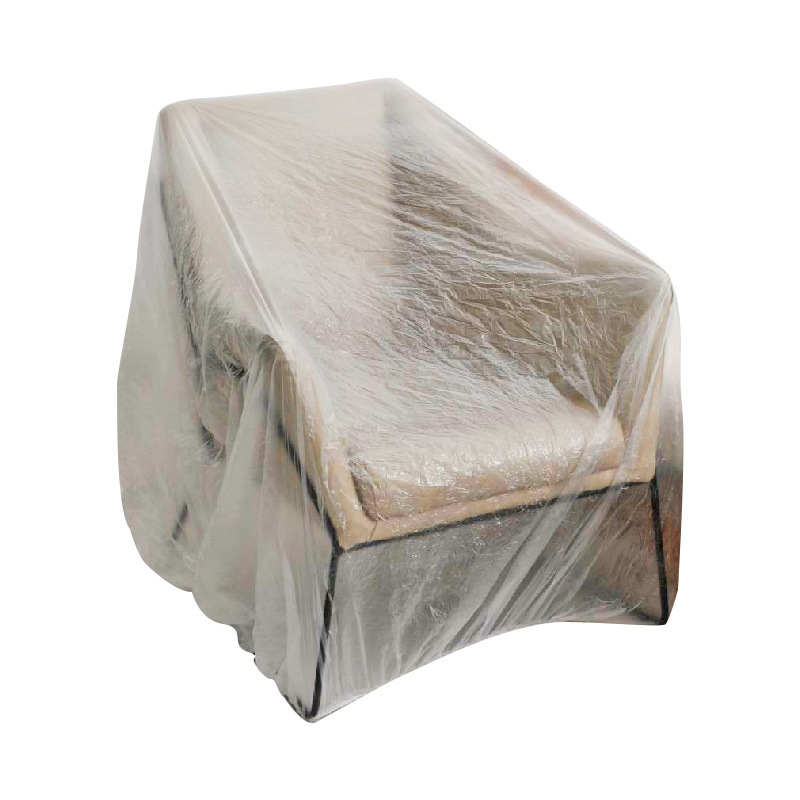
Clear plastic covers allow the furniture’s design and color to show through while providing full protection. They are ideal for those who want to maintain the aesthetic appeal of their furniture while keeping it protected.
Disposable Plastic Covers
Disposable plastic covers are a convenient option for short-term use, such as during moving or single events. They are cost-effective for temporary protection but not suitable for long-term use.
Heavy-Duty Plastic Covers
Heavy-duty plastic covers are designed for prolonged use and can withstand harsh conditions. They are thicker and more durable, making them suitable for outdoor furniture or furniture stored in challenging environments.
Custom-Fit Covers
Custom-fit plastic covers are tailored to specific furniture dimensions, ensuring a snug and secure fit. They offer optimal protection and a more polished appearance compared to generic covers.
How to Properly Cover Furniture with Plastic
Step 1: Clean the Furniture
Before applying a plastic cover, ensure the furniture is clean and dry. This prevents trapping dust or moisture underneath, which could lead to damage over time.
Step 2: Choose the Right Cover
Select a plastic cover that matches the size and type of your furniture. Consider factors such as material quality, durability, and whether it offers features like ventilation or UV protection.
Step 3: Apply the Cover
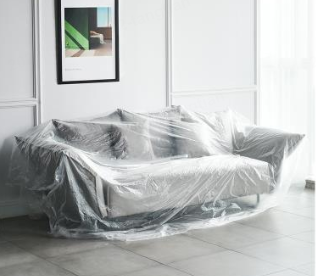
Carefully place the plastic cover over the furniture, ensuring it fits snugly. Smooth out any wrinkles or folds to prevent any areas from being exposed.
Step 4: Regularly Check the Cover
Periodically inspect the plastic cover for any signs of wear or damage. Ensure it remains securely in place and replace it if necessary to maintain optimal protection.
Considerations When Using Plastic Covers
Aesthetic Impact
While plastic covers offer practical benefits, some may find them less visually appealing. However, modern designs, including clear and patterned options, allow you to find covers that complement your home decor.
Comfort
Plastic covers can retain heat in warmer climates, potentially causing discomfort when sitting. Opt for breathable covers or remove them when the furniture is in use to enhance comfort.
Environmental Impact
The production and disposal of plastic contribute to environmental pollution. However, some plastic covers are made from recycled materials or are recyclable. Consider eco-friendly options to minimize your environmental footprint.
Alternatives to Plastic Covers
Fabric Slipcovers
Fabric slipcovers made from natural materials offer a more aesthetically pleasing alternative. They come in various styles and colors, allowing you to maintain your home’s aesthetic while providing protection.
Other Materials
Options like cotton, polyester, and waterproof treated fabrics can serve as alternatives. Each material offers different levels of protection and aesthetic appeal, catering to diverse needs and preferences.
Conclusion
Plastic furniture covers provide a practical solution for protecting your furniture from damage, dust, and allergens. They are cost-effective, durable, and easy to maintain. While there are considerations regarding aesthetics, comfort, and environmental impact, the benefits often outweigh the drawbacks. By choosing the right type of plastic cover and properly maintaining it, you can extend the life of your furniture and keep it looking its best. As attitudes towards plastic evolve, exploring sustainable options can help balance protection with environmental responsibility.
How to Purchase:https://looperbuy.com/search?keywords=furniture+with+plastic+covers
Q&A
What are the main benefits of using plastic covers for furniture?
The main benefits include protection from spills and scratches, durability, ease of cleaning, maintaining an aesthetic appearance, and offering allergen protection. They help preserve the furniture’s condition and extend its lifespan.
Are there alternatives to plastic covers for furniture?
Yes, alternatives like fabric slipcovers made from natural materials are available. They provide varying levels of protection while being more visually appealing and environmentally friendly.
How do plastic furniture covers contribute to environmental issues?
The production and disposal of plastic contribute to pollution. However, some plastic covers are made from recycled materials or are recyclable, which can help mitigate this impact. Choosing eco-friendly options is becoming increasingly important.
Can plastic covers be used for outdoor furniture?
Yes, plastic covers are often used for outdoor furniture to protect against weather elements like rain, snow, and sun damage. Heavy-duty and weather-resistant covers are particularly suitable for this purpose.
Do plastic covers retain heat and cause discomfort?
Yes, in warmer climates, plastic covers can retain heat, potentially causing discomfort when using the furniture. Opting for breathable covers or removing them when the furniture is in use can help address this issue.