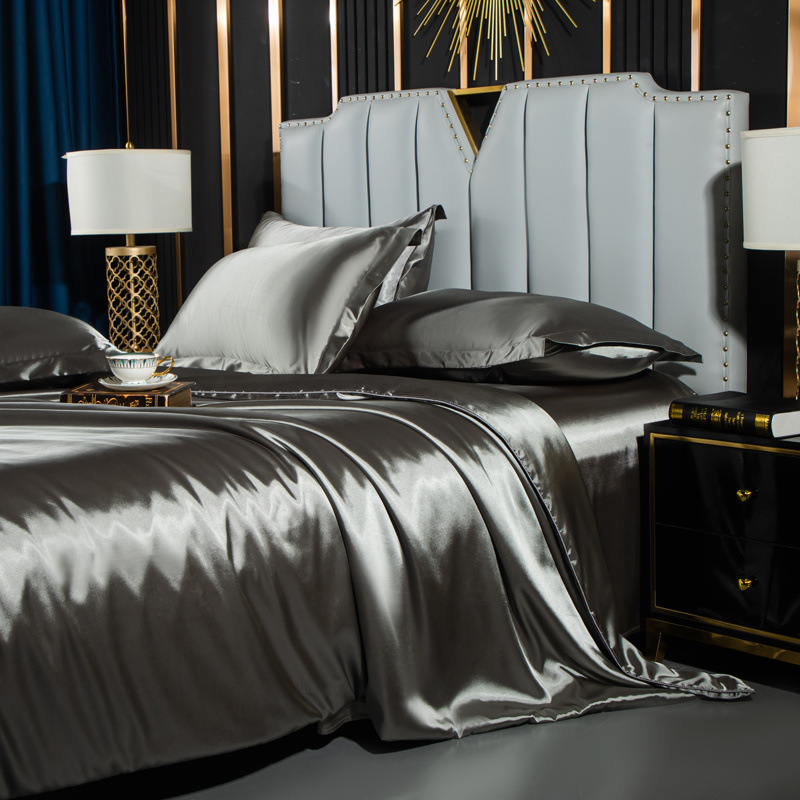
Silk bedding has long been associated with luxury and comfort, offering a unique sleeping experience that is hard to replicate with other materials. Among the various types of silk bedding available, real silk bedding stands out for its quality, softness, and numerous benefits. In this article, we will explore the advantages of real silk bedding, how to care for it, and why it is a worthwhile investment for your bedroom.
Table of Contents
Understanding Real Silk Bedding
Real silk bedding is made from natural silk fibers, which are produced by silkworms. This luxurious fabric is known for its smooth texture, sheen, and breathability. Unlike synthetic alternatives, real silk is hypoallergenic and has natural temperature-regulating properties, making it an ideal choice for all seasons.
The Production of Silk
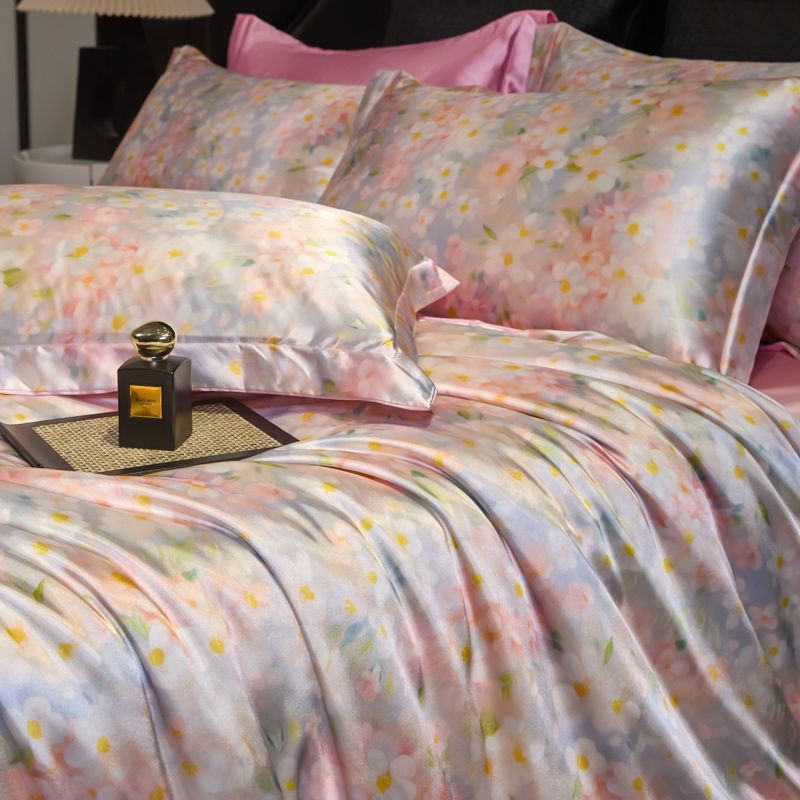
The process of producing silk is intricate and labor-intensive. It begins with the cultivation of silkworms, which feed on mulberry leaves. Once the silkworms spin their cocoons, they are harvested, and the silk fibers are carefully extracted. The quality of silk can vary based on factors such as the type of silkworm, the environment in which they are raised, and the methods used in processing the silk.
Types of Silk Used in Bedding
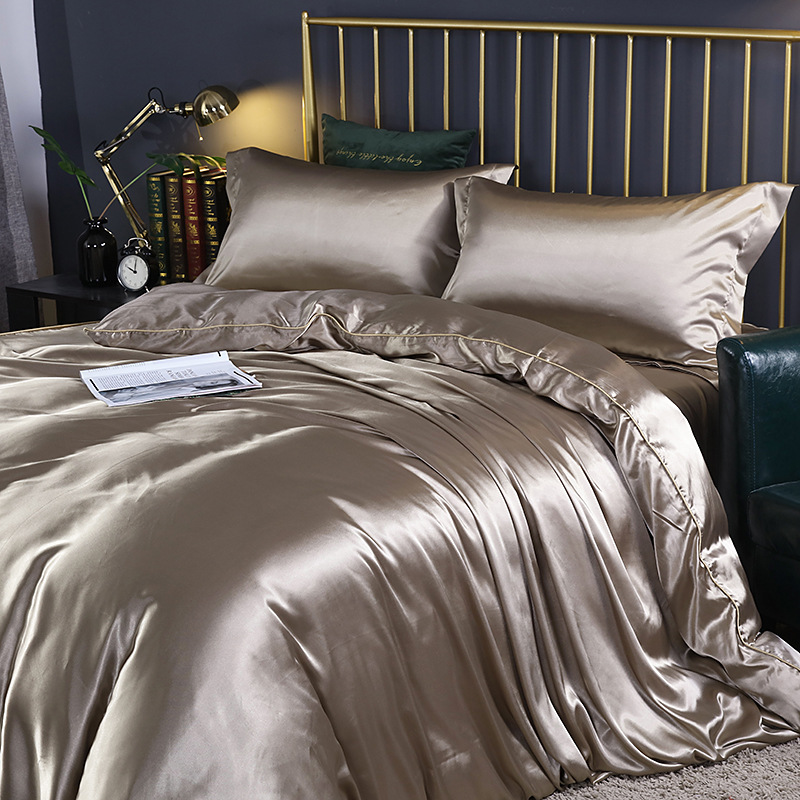
There are several types of silk used in bedding, each with its unique characteristics:
- Mulberry Silk: The most common and highest quality silk, known for its softness and durability. It is produced by the Bombyx mori silkworm, which is raised in controlled environments.
- Tussah Silk: A wild silk that is coarser and has a more textured feel, often used in more casual bedding. It is produced by silkworms that feed on oak leaves, resulting in a more rustic appearance.
- Charmeuse Silk: A luxurious silk with a glossy finish on one side and a matte finish on the other, ideal for elegant bedding. Charmeuse is often used for pillowcases and sheets due to its smooth texture.
Benefits of Real Silk Bedding
Investing in real silk bedding comes with a multitude of benefits that enhance your sleeping experience.
Hypoallergenic Properties
Real silk is naturally hypoallergenic, making it an excellent choice for individuals with allergies or sensitive skin. It resists dust mites, mold, and mildew, ensuring a cleaner sleeping environment. This is particularly beneficial for those who suffer from asthma or other respiratory issues, as silk bedding can help reduce allergens in the bedroom.
Temperature Regulation
Silk has natural temperature-regulating properties, allowing it to keep you warm in winter and cool in summer. This feature makes silk bedding suitable for year-round use, providing comfort regardless of the season. The breathable nature of silk allows for better airflow, which helps to maintain a comfortable sleeping temperature.
Moisture-Wicking Abilities
Silk can absorb moisture without feeling damp, which helps to keep your skin dry and comfortable throughout the night. This is particularly beneficial for those who tend to sweat during sleep. The moisture-wicking properties of silk can also help prevent skin irritation and promote healthier skin.
Luxurious Feel
The smooth texture of silk bedding provides a luxurious feel that enhances your overall sleeping experience. The softness of silk against your skin can promote relaxation and improve sleep quality. Many people find that sleeping on silk bedding helps them feel more pampered and comfortable, contributing to a more restful night’s sleep.
Durability and Longevity
When properly cared for, real silk bedding can last for many years. Its durability makes it a worthwhile investment, as it can withstand regular use without losing its quality. Unlike cotton or synthetic materials, silk does not pill or fray easily, ensuring that your bedding remains beautiful and functional over time.
Caring for Real Silk Bedding
To ensure the longevity of your real silk bedding, proper care is essential. Here are some tips for maintaining your silk sheets, pillowcases, and duvet covers.
Washing Silk Bedding
Silk bedding should be washed with care to prevent damage. It is recommended to hand wash silk items in cold water with a gentle detergent. If you prefer machine washing, use a delicate cycle and place the silk items in a mesh laundry bag to protect them. Avoid using bleach or fabric softeners, as these can damage the silk fibers.
Drying Silk Bedding
Avoid wringing out silk bedding, as this can cause the fibers to break. Instead, gently press out excess water and lay the items flat on a clean, dry towel. Allow them to air dry away from direct sunlight, as UV rays can fade the color and weaken the fibers. If you need to iron your silk bedding, use a low heat setting and place a cloth between the iron and the silk to prevent scorching.
Storing Silk Bedding
When not in use, store your silk bedding in a cool, dry place. Avoid plastic storage bags, as they can trap moisture and lead to mold growth. Instead, opt for breathable cotton storage bags. It’s also a good idea to keep your silk bedding away from direct sunlight to prevent fading.
Why Choose Real Silk Bedding?
With so many bedding options available, you may wonder why real silk bedding is worth the investment. Here are some compelling reasons to consider:
Aesthetic Appeal
Real silk bedding adds a touch of elegance to any bedroom. Its natural sheen and luxurious feel can elevate the overall aesthetic of your space, making it a popular choice for those looking to create a sophisticated atmosphere. The variety of colors and patterns available in silk bedding allows you to find the perfect match for your bedroom decor.
Health Benefits
The hypoallergenic and moisture-wicking properties of silk can contribute to better skin health and improved sleep quality. For individuals with skin conditions or allergies, silk bedding can provide a more comfortable sleeping environment. Additionally, the smooth surface of silk can help reduce friction on your hair and skin, leading to fewer tangles and less irritation.
Eco-Friendly Choice
Real silk is a natural product, making it a more environmentally friendly option compared to synthetic bedding materials. Choosing silk bedding supports sustainable practices and reduces your carbon footprint. Many silk producers are committed to ethical farming practices, ensuring that the silkworms are raised in humane conditions.
Investment in Quality
While real silk bedding may come with a higher price tag, its durability and timeless appeal make it a worthwhile investment. Quality silk bedding can last for years, providing comfort and luxury night after night. When you consider the longevity and health benefits of silk, the initial cost becomes more justifiable.
The Different Grades of Silk
Understanding the different grades of silk can help you make an informed decision when purchasing silk bedding. The grading system typically ranges from A to C, with Grade A being the highest quality.
Grade A Silk
Grade A silk is the finest quality silk available. It is made from the longest and strongest silk fibers, resulting in a smooth, luxurious texture. Grade A silk is often used in high-end bedding and is characterized by its durability and sheen.
Grade B Silk
Grade B silk is of slightly lower quality than Grade A but still offers a good balance of softness and durability. It may have some imperfections or shorter fibers, but it is still a suitable option for those looking for quality silk bedding at a more affordable price.
Grade C Silk
Grade C silk is the lowest quality silk and is often used in lower-end products. It may have a rougher texture and is less durable than higher-grade silks. While it can still be used for bedding, it may not provide the same luxurious experience as Grade A or B silk.
The Importance of Thread Count
When shopping for silk bedding, you may come across the term “thread count.” Thread count refers to the number of threads woven into a square inch of fabric. While thread count is an important factor in determining the quality of cotton bedding, it is less significant for silk.
Understanding Thread Count in Silk
Silk is naturally smooth and soft, so a lower thread count can still feel luxurious. Generally, a thread count of 400 to 600 is considered ideal for silk bedding. Higher thread counts do not necessarily mean better quality, as the quality of the silk fibers themselves plays a more significant role in the overall feel and durability of the bedding.
Ethical Considerations in Silk Production
As consumers become more conscious of the ethical implications of their purchases, it is essential to consider the practices involved in silk production. Traditional silk farming can raise concerns regarding the treatment of silkworms and the environmental impact of silk production.
Responsible Sourcing
To ensure that you are purchasing ethically produced silk, look for brands that prioritize sustainable and humane practices. Some companies offer “peace silk,” which allows silkworms to complete their life cycle before harvesting the silk. This method is more humane and reduces the environmental impact of silk production.
Certifications and Labels
When shopping for silk bedding, look for certifications or labels that indicate ethical sourcing. Organizations such as the Global Organic Textile Standard (GOTS) and the OEKO-TEX Standard 100 provide assurance that the silk has been produced in an environmentally friendly and socially responsible manner.
Conclusion
Real silk bedding offers a unique combination of luxury, comfort, and health benefits that make it a standout choice for anyone looking to enhance their sleeping experience. With proper care, silk bedding can last for many years, providing a beautiful and functional addition to your bedroom. Whether you are looking to invest in high-quality bedding for yourself or as a gift, real silk bedding is sure to impress.
How to purchase:Online B2B sourcing platform, China purchase, Chinese suppliers – LooperBuy
Article Summary
This article explores the luxurious comfort of real silk bedding, highlighting its benefits, types, and care tips. Real silk bedding is hypoallergenic, temperature-regulating, and moisture-wicking, making it an ideal choice for a comfortable sleep. The article also discusses the aesthetic appeal and eco-friendliness of silk, emphasizing its value as a long-term investment. Additionally, it covers the different grades of silk, the importance of thread count, and ethical considerations in silk production.
Hot Tags: Real Silk Bedding; Luxury Bedding; Hypoallergenic Bedding; Silk Sheets; Bedding Care; Temperature Regulating Bedding; Eco-Friendly Bedding; Mulberry Silk; Tussah Silk; Charmeuse Silk; Bedding Investment; Sleep Quality; Moisture-Wicking Bedding; Elegant Bedroom; Silk Pillowcases; Bedding Materials; Sustainable Bedding; Silk Duvet Covers; Bedroom Aesthetics; Quality Bedding; Natural Fibers; Bedding Trends; Comfort Sleep; Silk Benefits; Allergy-Friendly Bedding; Silk Care Tips; Bedding Essentials; Bedroom Decor; Sleep Health; Luxury Home Textiles
Related Questions & Answers
· What are the different grades of silk used in bedding and how do they affect the price?
The different grades of silk range from A to C, with Grade A being the highest quality, offering the longest and strongest fibers. Higher grades typically come at a higher price due to their superior softness and durability.
· How does the thread count of silk bedding compare to cotton, and what does it indicate?
Thread count is less significant for silk than for cotton. A thread count of 400 to 600 is ideal for silk, while higher counts do not necessarily indicate better quality. The quality of the silk fibers is more important.
· Are there any ethical concerns regarding silk production, and how can consumers ensure responsible sourcing?
Yes, traditional silk production can raise ethical concerns regarding the treatment of silkworms. Consumers can ensure responsible sourcing by looking for brands that offer peace silk or certifications indicating ethical practices.