In the realm of home textiles, few materials evoke the same sense of luxury and comfort as silk. Among the various options available, washable silk bedding stands out as a practical yet indulgent choice for those seeking both elegance and ease of care. This article delves into the benefits, care tips, and reasons why washable silk bedding is becoming a staple in modern homes.
Table of Contents
Understanding Silk: The Fabric of Luxury
Silk has been revered for centuries, known for its softness, sheen, and durability. It is a natural protein fiber produced by silkworms, primarily the mulberry silkworm. The unique properties of silk make it not only a luxurious choice for bedding but also a beneficial one for health and comfort.
The Benefits of Silk Bedding
- Hypoallergenic Properties: Silk is naturally hypoallergenic, making it an excellent choice for those with allergies or sensitive skin. It resists dust mites, mold, and mildew, ensuring a cleaner sleeping environment.
- Temperature Regulation: One of the most remarkable features of silk is its ability to regulate temperature. It keeps you warm in winter and cool in summer, providing a comfortable sleeping experience year-round.
- Moisture-Wicking: Silk can absorb moisture without feeling damp, which helps to keep your skin hydrated and comfortable throughout the night.
- Gentle on Hair and Skin: Unlike cotton, silk reduces friction, which can help prevent hair breakage and skin irritation. This makes it a popular choice for pillowcases and sheets.
The Rise of Washable Silk Bedding
Traditionally, silk bedding required special care, often needing dry cleaning to maintain its luxurious feel and appearance. However, advancements in textile technology have led to the creation of washable silk bedding, which combines the elegance of silk with the convenience of machine washability.
Why Choose Washable Silk?
- Convenience: Washable silk bedding can be easily cleaned at home, eliminating the need for expensive dry cleaning services. This makes it a practical choice for busy households.
- Durability: Modern washable silk is designed to withstand the rigors of machine washing, ensuring that it retains its beauty and softness over time.
- Affordability: With the ability to wash at home, the long-term costs associated with maintaining silk bedding are significantly reduced.
Caring for Your Washable Silk Bedding
To ensure that your washable silk bedding remains in pristine condition, it is essential to follow proper care guidelines. Here are some tips to help you maintain the beauty and longevity of your silk sheets and pillowcases.
Washing Instructions
- Use a Gentle Detergent: Opt for a detergent specifically formulated for silk or delicate fabrics. Avoid enzyme-based detergents, as they can break down the protein fibers in silk. Recommended options include Heritage Park Silk & Wool Detergent, which is known for its gentle formula that cleans effectively without damaging the fabric.
- Cold Water Wash: Always wash silk bedding in cold water to prevent shrinkage and color fading. A gentle cycle is recommended to minimize agitation.
- Mesh Laundry Bags: To protect your silk from snags and tears, place your bedding in a mesh laundry bag before washing. This extra layer of protection can help maintain the integrity of the fabric.
- Air Dry: After washing, avoid using a dryer. Instead, hang your silk bedding to air dry away from direct sunlight, which can cause fading.
Storing Your Silk Bedding
When not in use, store your silk bedding in a cool, dry place. Avoid plastic bags, as they can trap moisture and lead to mildew. Instead, opt for breathable cotton storage bags.
The Aesthetic Appeal of Silk Bedding
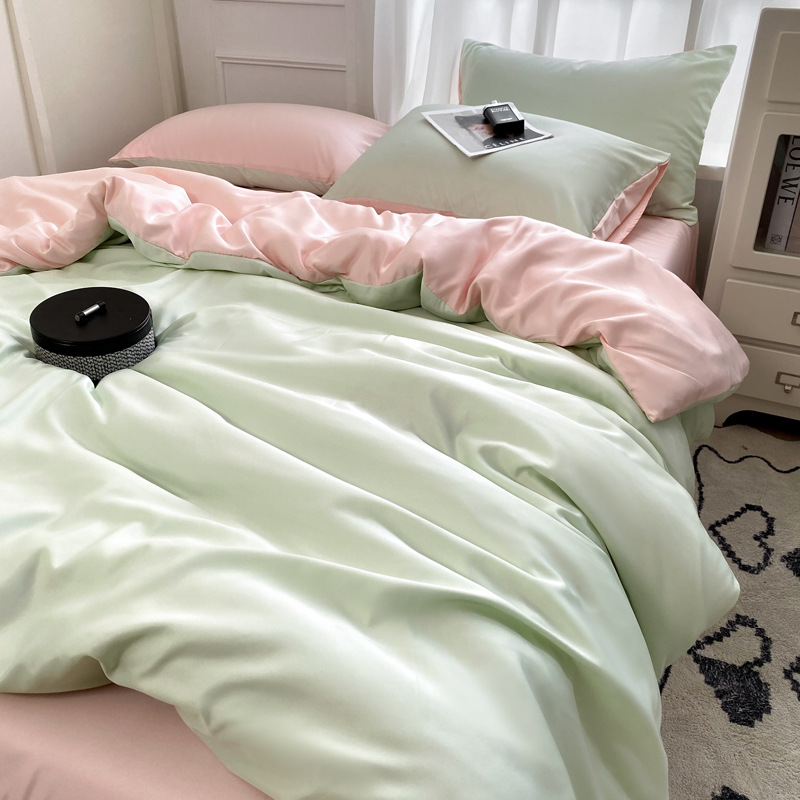
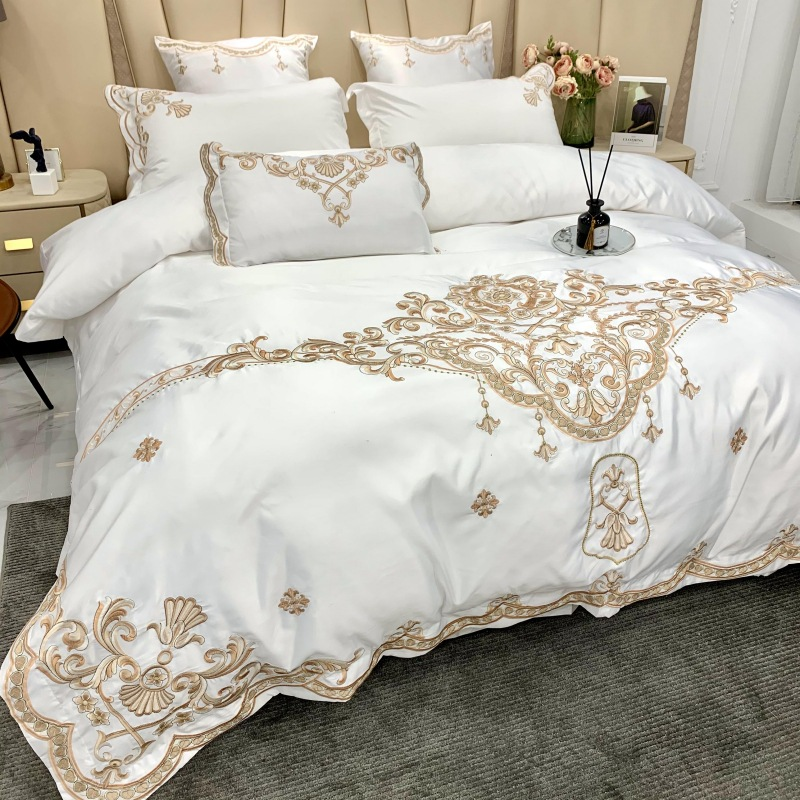
Beyond its practical benefits, washable silk bedding adds a touch of elegance to any bedroom. Available in a variety of colors and styles, silk bedding can complement any decor, from modern minimalist to classic traditional.
Color and Design Options
- Classic Neutrals: Shades like ivory, beige, and gray offer timeless elegance and versatility, allowing for easy coordination with existing decor.
- Bold Colors: For those looking to make a statement, vibrant colors such as deep blue, emerald green, or rich burgundy can add a luxurious touch to your bedroom.
- Patterns and Textures: From subtle patterns to intricate designs, washable silk bedding can enhance the visual interest of your space while maintaining a sophisticated look.
The Environmental Impact of Silk
As consumers become more environmentally conscious, the sustainability of materials is increasingly important. Silk is a natural fiber, and when sourced responsibly, it can be a more sustainable option compared to synthetic alternatives.
Sustainable Practices in Silk Production
- Ethical Sourcing: Look for brands that prioritize ethical silk production, ensuring that the silkworms are treated humanely.
- Biodegradable Material: Unlike synthetic fabrics, silk is biodegradable, making it a more environmentally friendly choice at the end of its life cycle.
- Durability: The longevity of silk bedding means that it does not need to be replaced as frequently as lower-quality materials, reducing waste.
Types of Silk Used in Washable Bedding
When selecting washable silk bedding, it is essential to understand the different types of silk available. Each type has unique properties that can affect the feel, durability, and overall quality of the bedding.
Mulberry Silk
Mulberry silk is the most common and highly regarded type of silk used in bedding. It is produced by silkworms that are fed a diet of mulberry leaves, resulting in long, smooth fibers. This type of silk is known for its exceptional softness, durability, and hypoallergenic properties, making it ideal for bedding.
Tussah Silk
Tussah silk, also known as wild silk, is produced by silkworms that feed on oak and other wild trees. It has a coarser texture compared to mulberry silk and is often less expensive. While it may not be as soft, it offers a unique rustic charm and is suitable for those seeking a more natural look.
Eri Silk
Eri silk is another type of silk that is known for its strength and durability. It is produced from the cocoons of the Eri silkworm, which is primarily found in India. Eri silk has a slightly textured feel and is often used in bedding for its warmth and comfort.
Muga Silk
Muga silk is a rare and luxurious type of silk produced in Assam, India. It is known for its natural golden color and durability. Muga silk is often used in high-end bedding and is prized for its unique sheen and strength.
The Importance of Thread Count in Silk Bedding
When shopping for silk bedding, you may come across the term “thread count.” This refers to the number of threads woven into a square inch of fabric. While thread count is a common measure of quality in cotton bedding, it is less critical in silk.
Understanding Thread Count in Silk
- Quality Over Quantity: In silk, the quality of the fibers and the weaving technique are more important than the thread count. High-quality silk can feel luxurious even at a lower thread count.
- Optimal Range: For silk bedding, a thread count between 19 to 25 momme (a measure of silk weight) is generally considered ideal. This range provides a balance of softness, durability, and breathability.
- Impact on Feel: A higher momme count typically indicates a denser fabric, which can enhance the luxurious feel of the bedding. However, it is essential to ensure that the silk remains lightweight and breathable.
Choosing the Right Detergent for Silk Bedding

Selecting the right detergent is crucial for maintaining the quality of your washable silk bedding. Here are some top recommendations:
- Heritage Park Silk & Wool Detergent: This detergent is specifically formulated for silk and wool, free from harsh chemicals and enzymes that can damage delicate fibers. It effectively cleans without leaving residue, ensuring your silk retains its luster.
- The Laundress Delicate Wash: A plant-based, fragrance-free option that is gentle on silk. It is free of dyes and harsh ingredients, making it a safe choice for delicate fabrics.
- SLIP Gentle Silk Wash: Designed for silk, this detergent is effective yet gentle, ensuring your bedding remains in excellent condition after multiple washes.
- Woolite Delicates: While not specifically for silk, Woolite is a popular choice for delicate fabrics. However, it is essential to check the ingredients, as some formulations may contain enzymes that could harm silk.
Best Brands for Washable Silk Bedding
When investing in washable silk bedding, choosing a reputable brand is essential to ensure quality and durability. Here are some of the best brands known for their luxurious and practical silk bedding options:
- Lunya: Known for its innovative designs, Lunya offers a range of washable silk products, including sheets and pillowcases. Their silk is temperature-regulating and machine washable, making it a favorite among those who appreciate luxury without the hassle.
- Lilysilk: This brand specializes in high-quality mulberry silk bedding. Lilysilk offers a variety of colors and styles, allowing for customization. Their products are known for their softness and durability, and they also provide options for monogramming.
- Mulberry Park Silks: Renowned for their luxurious silk sheets, Mulberry Park Silks offers a range of momme counts, allowing customers to choose the thickness and weight that suits their preferences. Their bedding is machine washable and designed for longevity.
- Gingerlily: This brand combines elegance with practicality, offering beautifully designed silk bedding that is also machine washable. Gingerlily is known for its unique patterns and colors, making it a stylish choice for any bedroom.
- Thxsilk: Offering affordable yet high-quality silk bedding, Thxsilk is a great option for those looking to experience the luxury of silk without breaking the bank. Their products are machine washable and come in various styles.
Potential Drawbacks of Washable Silk Bedding
While washable silk bedding offers numerous benefits, it is essential to consider some potential drawbacks:
- Cost: High-quality silk bedding can be more expensive than other materials. However, the investment is often justified by the durability and comfort it provides.
- Care Requirements: Although washable silk is more convenient than traditional silk, it still requires careful handling. Following washing instructions is crucial to maintain the fabric’s integrity.
- Sensitivity to Heat: Silk is sensitive to high temperatures, which means it should not be exposed to direct sunlight for extended periods. Additionally, using high heat when washing or drying can damage the fibers.
- Limited Colorfastness: Some silk dyes may not be as colorfast as synthetic alternatives, which can lead to fading over time. Choosing high-quality brands that use better dyeing techniques can mitigate this issue.
Common Mistakes to Avoid When Washing Silk Bedding
To ensure the longevity and beauty of your silk bedding, it is crucial to avoid common mistakes that can lead to damage. Here are some key pitfalls to watch out for:
- Using Harsh Detergents: Many commercial detergents contain enzymes and harsh chemicals that can degrade silk fibers. Always opt for a gentle, pH-neutral detergent specifically designed for silk.
- Washing on the Wrong Cycle: Washing silk on a regular cycle can be too rough on the delicate fibers. Always use a gentle cycle and cold water to protect the fabric.
- Overcrowding the Washing Machine: When washing silk bedding, avoid overcrowding the machine. This can lead to friction and damage. Wash silk items separately or with other delicate fabrics.
- Ignoring Care Labels: Always read and follow the care instructions provided by the manufacturer. This will help you avoid mistakes that could lead to damage.
- Drying in Direct Sunlight: Silk is sensitive to UV rays, which can cause fading and weaken the fibers. Always air dry silk bedding in a shaded area.
- Wringing or Twisting: Never wring or twist silk bedding to remove excess water, as this can damage the fibers. Instead, gently press the water out or roll the fabric in a towel to absorb moisture.
- Using Fabric Softener: Fabric softeners can leave a residue on silk, affecting its natural properties. Avoid using them altogether.
- Neglecting to Store Properly: When storing silk bedding, avoid plastic bags, which can trap moisture. Instead, use breathable cotton bags to protect the fabric.
Conclusion
In summary, washable silk bedding offers a unique combination of luxury, comfort, and practicality. Its hypoallergenic properties, temperature regulation, and ease of care make it an ideal choice for anyone looking to enhance their sleep experience. With proper care, washable silk bedding can provide years of enjoyment, making it a worthwhile investment for your home.
How to purchase:Online B2B sourcing platform, China purchase, Chinese suppliers – LooperBuy
Frequently Asked Questions
1. How often should I wash my washable silk bedding?
You should wash your silk bedding as often as you would any other sheets, typically every one to two weeks, or whenever they appear soiled.
2. Can I use fabric softener on silk bedding?
It is not recommended to use fabric softener on silk, as it can leave a residue that affects the fabric’s natural properties.
3. Is it safe to iron washable silk bedding?
Yes, you can iron silk on a low setting while it is slightly damp. Always use a cloth between the iron and the silk to prevent direct heat contact.
4. What should I do if my silk bedding gets stained?
Treat stains promptly with a gentle detergent and cold water. Avoid scrubbing; instead, gently blot the area to lift the stain.
5. Can I machine dry my washable silk bedding?
No, it is best to air dry silk bedding to prevent damage. Hang it in a shaded area to avoid direct sunlight.
HOT TAG: washable silk bedding, luxury silk sheets, hypoallergenic silk products, silk bedding care tips, sustainable silk options, elegant bedroom decor, machine washable silk, silk pillowcases benefits, temperature regulating bedding, best silk detergents, silk thread count explained, eco-friendly silk care, top silk bedding brands, common washing mistakes, silk bedding durability, silk fabric types, silk bedding investment, gentle washing techniques, silk bedding maintenance, stylish silk designs, affordable silk options, silk bedding for sensitive skin, silk bedding color choices, silk bedding patterns, silk bedding for all seasons, silk bedding comfort, silk bedding for better sleep, silk bedding advantages, silk bedding for luxury lovers.