Table of Contents
Introduction
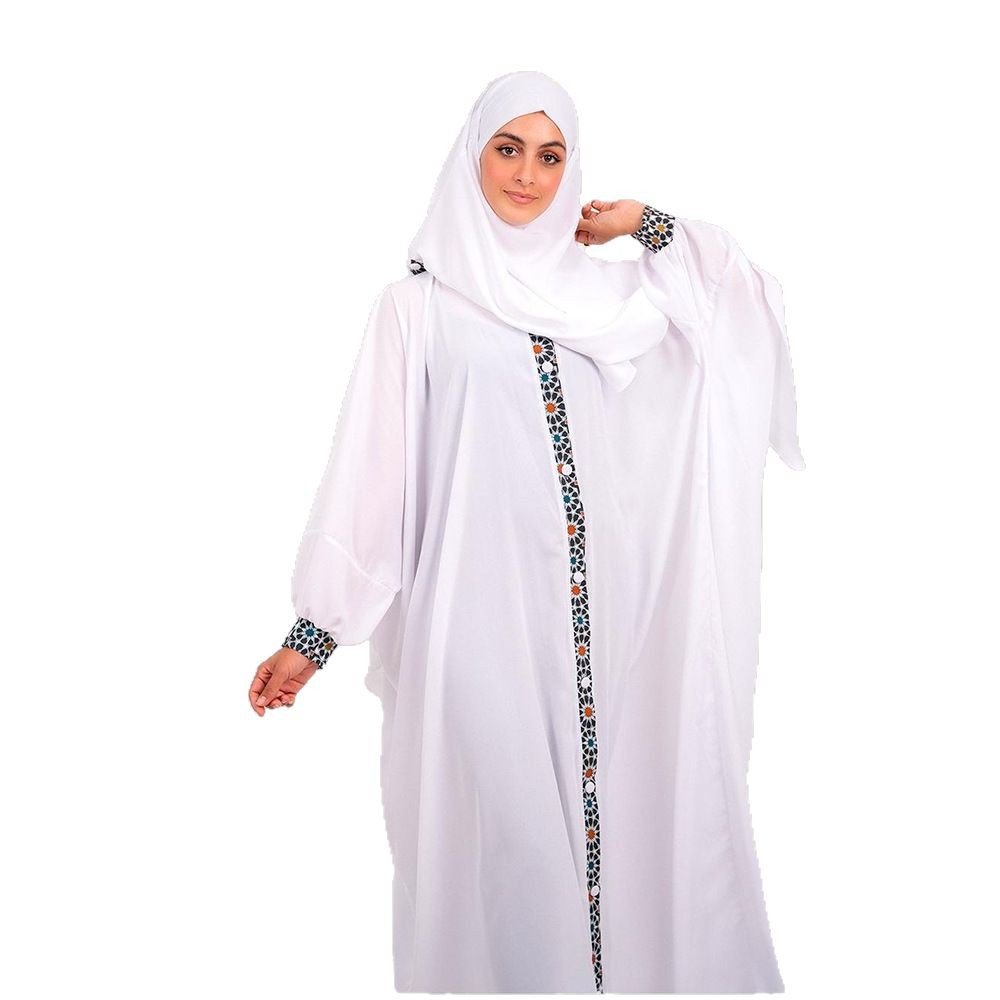
Muslim prayer clothes, known as “jilbab,” “khimar,” or “abaya,” hold profound religious significance while serving as expressions of modesty and cultural identity. These garments facilitate spiritual connection during Salah (prayer) while adapting to modern fashion sensibilities. This article explores the history, cultural variations, selection criteria, and maintenance of Muslim prayer attire, offering insights for both new converts and long-term practitioners.
The Spiritual Significance of Prayer Attire
Prayer clothes transcend mere fabric—they represent a physical manifestation of devotion. The Quranic injunction to “lower their gaze and guard their modesty” (24:30) forms the foundation for these garments. For many Muslims, donning specialized prayer attire creates a ritualistic transition from worldly concerns to spiritual focus.
Key Components of Traditional Prayer Attire
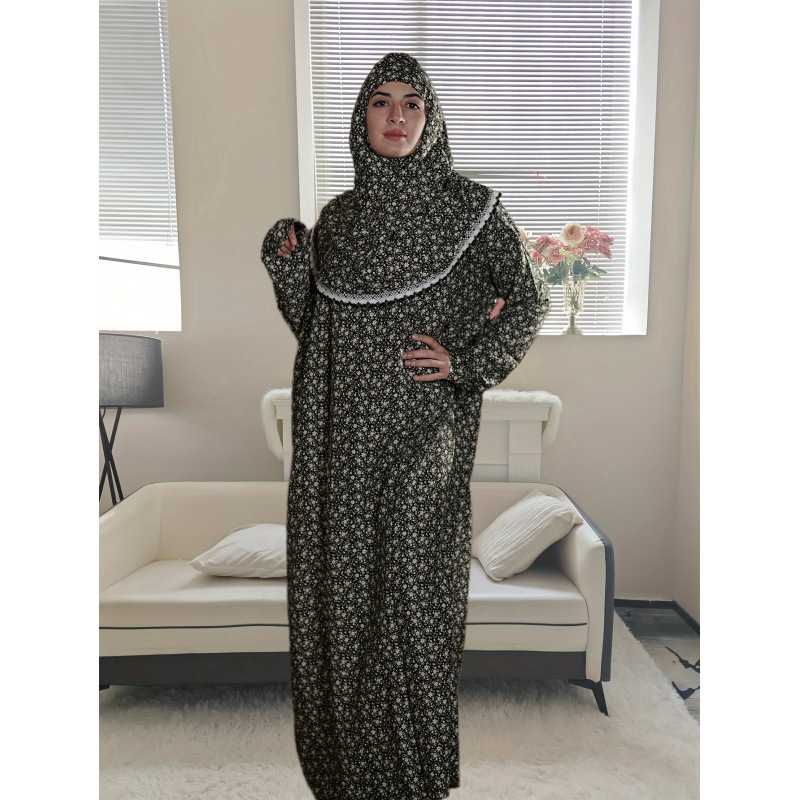
- Jilbab: An over-garment covering the entire body
- Khimar: A headscarf extending to the waist
- Abaya: A loose-fitting cloak worn in public spaces
- Niqab: Optional face veil for enhanced modesty
- Jilbab Belts: Decorative accessories for secure fitting
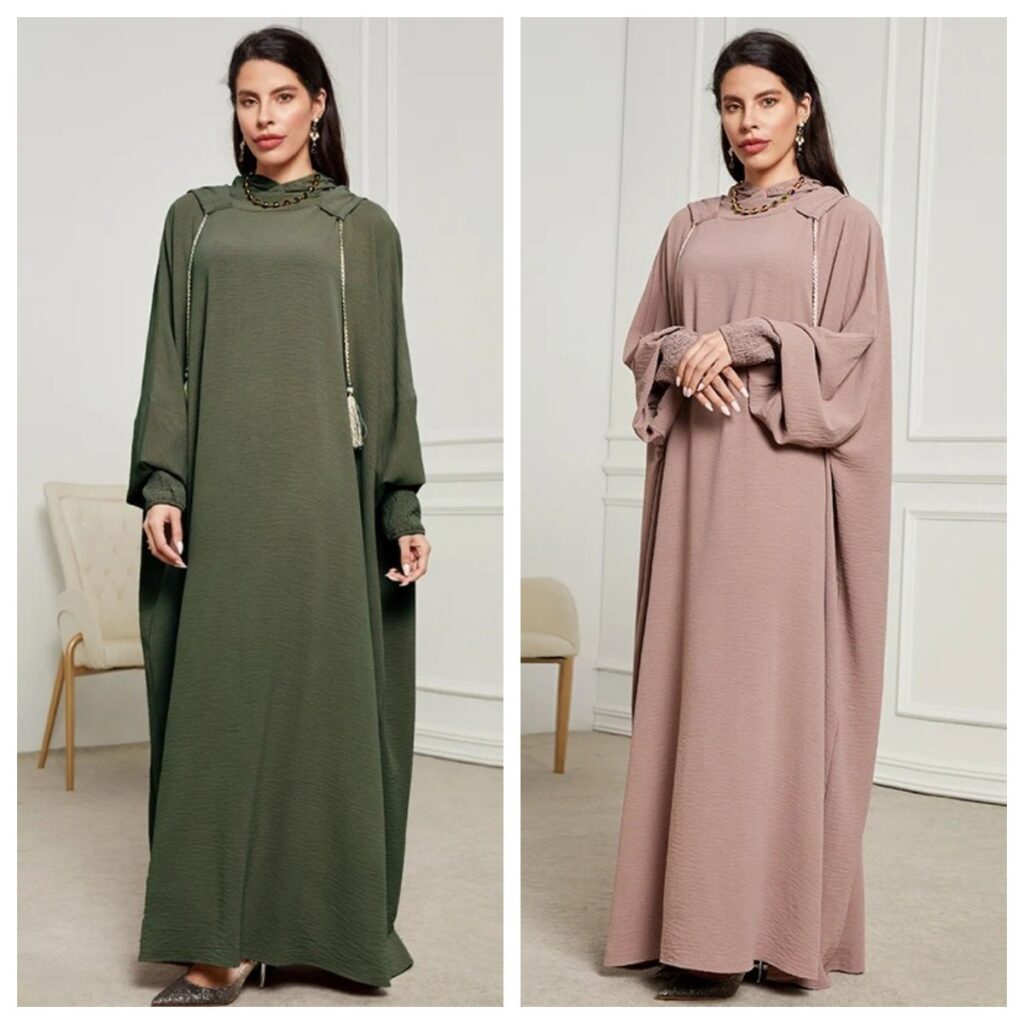
Modern interpretations include stretchable jersey fabrics and breathable cotton blends that maintain modesty while accommodating physical movements during prostration.
Cultural Variations Across Muslim Communities
Prayer attire reflects regional customs and climatic conditions:
Southeast Asia
- Baju Kurung: Lightweight cotton suits with batik patterns
- Tudung Labuh: Flowing hijabs paired with sarong-style skirts
- Adaptations: Moisture-wicking fabrics for tropical climates
Middle East
- Black Abayas: Classic designs with gold embroidery
- Sheila Hijabs: Rectangular scarves secured with undercaps
- Modern Trends: Laser-cut designs and Swarovski accents
Western Contexts
- Prayer Dresses: Zip-front designs for easy donning
- Hijab Magnets: Modern alternatives to pins
- Athleisure Options: Stretchy fabrics for active lifestyles
Selecting the Perfect Prayer Clothes
Fabric Considerations
| Fabric Type | Pros | Cons | Best For |
|---|---|---|---|
| Cotton | Breathable, natural | Wrinkles easily | Daily use |
| Jersey | Stretchable, wrinkle-resistant | Less durable | Travel |
| Linen | Cool in hot climates | Prone to shrinkage | Summer prayer |
| Nylon | Quick-drying, lightweight | Less breathable | Humid environments |
Size and Fit Guidelines
- Length: Should cover ankles when standing
- Sleeve Width: Minimum 4 inches for proper coverage
- Neckline: High-neck designs preferred
- Waist Definition: Optional belts for shape without clinging
Maintenance and Longevity Tips
Washing Instructions
- Delicate Cycle: Use mesh bags for embellished items
- Cold Water: Prevents color bleeding
- Mild Detergent: Avoid optical brighteners
- Air Dry: Prevents fabric weakening
Storage Solutions
- Garment Bags: Protect from dust and pests
- Cedar Blocks: Natural moth repellent
- Folding Technique: Roll instead of fold to prevent creases
Modern Innovations in Prayer Attire
Brands now blend tradition with contemporary needs:
- Temperature-Regulating Fabrics: Merino wool blends for winter prayers
- Antimicrobial Linings: Ideal for extended wear
- Convertible Designs: Detachable sleeves for varying occasions
- Plus-Size Options: Inclusive sizing up to 5XL
Conclusion
Prayer clothes serve as both spiritual tools and cultural symbols within Islam. By understanding their historical significance, regional variations, and practical considerations, Muslims worldwide can maintain this sacred tradition while embracing modernity. As fashion evolves, these garments will continue bridging faith and functionality for generations to come.
How to Purchase:https://looperbuy.com/search?keywords=prayer+clothes+muslim
Addressing Common Misconceptions
Q: Are prayer clothes mandatory for women only?
A: No, while women’s attire receives more visibility, men also wear loose-fitting thobes and kufis during prayer.
Q: Can I pray without specialized clothing?
A: Yes, but using dedicated attire enhances focus and adheres to Imam Malik’s teachings on prayer preparation.
Q: What if my prayer clothes touch the floor?
A: Permissible as long as the fabric isn’t intentionally dragged.
Q: Are colorful designs acceptable?
A: Yes, as long as they maintain opacity and modesty.
Q: Can I wear modern accessories with traditional attire?
A: Absolutely, many combine brooches, belts, and decorative pins within halal guidelines.
Hot Tags: Prayer Clothes Muslim; Islamic Prayer Attire; Modest Fashion Trends; Jilbab Styles; Hijab Tutorial; Muslim Women’s Clothing; Religious Garments; Traditional Abaya Designs; Modern Islamic Fashion; Cultural Modesty Norms