In today’s fast-paced industrial and commercial environments, operational efficiency is the cornerstone of success. As global businesses face increasing pressure to optimize logistics, the battery powered trolley has emerged as an indispensable asset. Whether you are managing a sprawling warehouse, a bustling manufacturing facility, or a complex retail distribution center, upgrading from manual labor to motorized transport is no longer a luxury—it is a strategic necessity for boosting productivity and ensuring workplace safety.
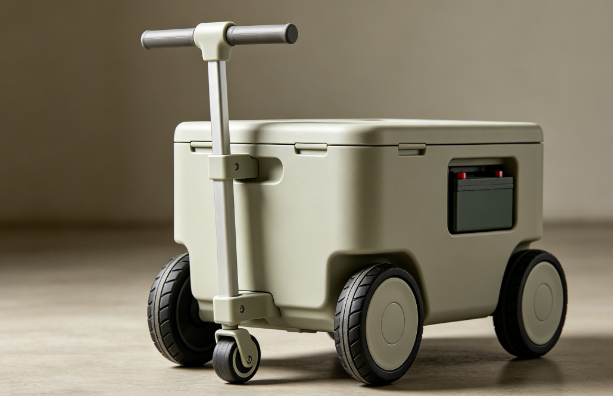
This guide provides professional insights for B2B buyers looking to source the most reliable, cost-effective, and high-performance battery powered trolley solutions directly from China’s leading manufacturers.
Table of Contents
Understanding the Value of Battery Powered Trolleys
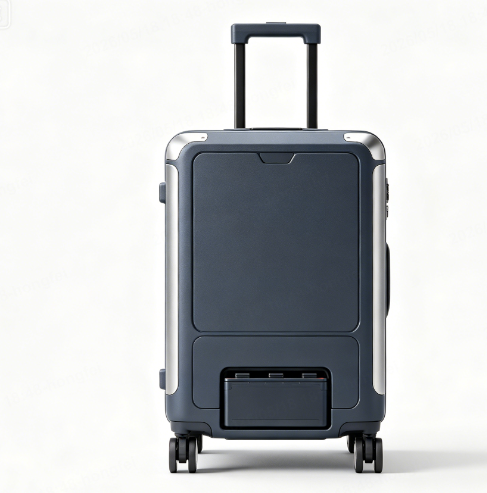
A battery powered trolley (or motorized cart) is an electric-driven transport vehicle equipped with rechargeable battery systems. These tools are designed to facilitate the smooth, safe, and efficient movement of heavy materials, significantly reducing operator fatigue and minimizing the risk of workplace injuries.
- Enhanced Productivity: Motorized movement allows for faster and more frequent material transport cycles.
- Improved Workplace Safety: Reducing the need for manual pushing and pulling helps prevent musculoskeletal disorders among workers.
- Versatility: Modern designs accommodate a wide range of loads, from industrial components to medical equipment or retail stock.
Key Factors for B2B Buyers when Sourcing
When sourcing a battery powered trolley through a B2B platform like LooperBuy, it is vital to assess several technical and operational criteria to ensure you receive a product that aligns with your specific operational requirements.
1. Load Capacity and Platform Dimensions
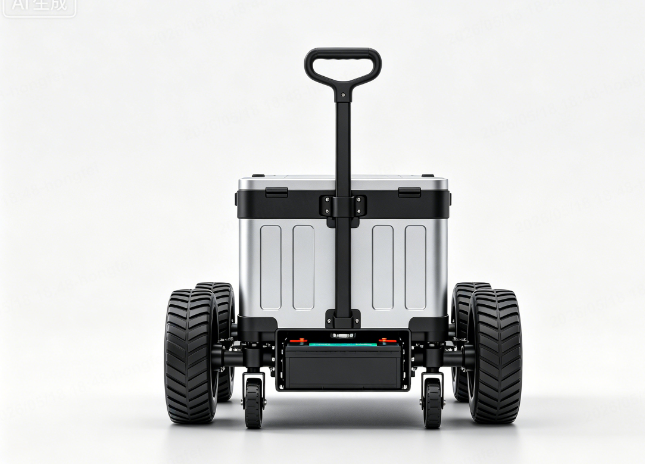
Before purchasing, clearly define the maximum weight you need to transport. Industrial battery powered trolleys come with varying load limits—ensure your choice exceeds your daily operational load requirements to avoid premature motor failure. Additionally, verify that the platform dimensions are suitable for the footprint of your most frequently transported goods.
2. Battery Technology and Performance
The heart of any battery powered trolley is its energy system.
- Lithium-ion vs. Lead-acid: While lead-acid batteries are often cheaper upfront, lithium-ion alternatives offer faster charging, longer lifespans, and lighter weight, providing better long-term ROI.
- Runtime: Assess the required daily operational hours. A robust battery management system is essential for consistent performance throughout a full shift.
3. Mobility, Caster Type, and Terrain
Consider the environment where the trolley will operate.
- Indoor/Smooth Surfaces: Standard polyurethane wheels are ideal for flat warehouse floors.
- Outdoor/Rugged Terrain: For agricultural or construction sites, opt for larger, pneumatic or air-filled tires to navigate uneven ground smoothly.
Expert Insights: Strategic Sourcing for Global Buyers
Buying directly from manufacturers requires more than just picking a product; it demands a rigorous vetting process. As an industry expert, I recommend the following framework for evaluating your suppliers.
Checklist for Supplier Evaluation
- Compliance Documentation: Ensure the supplier provides necessary certifications (e.g., CE, ISO 9001) for your target market. This is non-negotiable for importing into regions like the EU or North America.
- Quality Control (QC) Protocols: Inquire about their internal QC testing for motors, batteries, and frame durability.
- Customization Capabilities: Can the supplier adjust platform dimensions, add customized rack mountings, or integrate specific control features for your unique needs?
- After-Sales Support: Evaluate the manufacturer’s willingness to provide spare parts (batteries, wheels, motors) and technical support, which is critical for maintaining long-term operational uptime.
| Feature | Low-End Model | High-Performance Industrial Model |
|---|---|---|
| Battery Life | 2–4 hours | 8–12+ hours |
| Max Load | < 200kg | 500kg – 2000kg+ |
| Durability | Light use only | Heavy-duty, 24/7 operations |
| Compliance | Minimal | Full (CE, ISO, RoHS) |
Elevating Your Sourcing Strategy with LooperBuy
At LooperBuy, we streamline the entire sourcing process, making it seamless for international brands, wholesalers, and manufacturers to procure high-quality battery powered trolley solutions from China.
- Global Accessibility: We connect your business directly with vetted Chinese suppliers, cutting out unnecessary intermediaries.
- Wide Product Range: Access thousands of industrial-grade listings tailored to diverse operational needs.
- Logistics Excellence: Benefit from optimized, cost-effective global shipping solutions that ensure your equipment reaches your facility on time and within budget.
Ready to streamline your material handling? Visit LooperBuy today to browse our extensive inventory and speak with a dedicated sourcing expert to find the perfect battery powered trolley for your business.
References
- Global Sources – Knowledge Base: Material Handling
- TradeIndia – Battery Operated Trolley Manufacturers & Pricing
- Alibaba Seller Blog – ISO 9001 Sourcing Guide for Electric Vehicles
- Manly Battery – Best Practices for Sourcing Directly from Manufacturers
- Electronics.alibaba.com – Data Center Trolley Buying Guide
Frequently Asked Questions (FAQ)
1. What is the main advantage of a battery powered trolley over manual options?
Battery powered trolleys eliminate the physical strain of manual pushing, drastically increasing productivity and reducing long-term worker injury risks.
2. How do I determine the right load capacity for my business?
Always calculate your maximum required load and add a 20-30% buffer. It is better to have an overpowered unit than to risk motor failure from constant maximum-capacity usage.
3. Are there specific battery types I should prioritize?
For most modern B2B applications, Lithium-ion (LiFePO4) is recommended due to its faster charging, longer cycle life, and consistent power output compared to lead-acid batteries.
4. How does LooperBuy ensure the quality of sourced goods?
We facilitate connections with rigorously vetted suppliers, ensuring compliance documentation and quality standards meet international requirements for your market.
5. How long is the typical lead time for a custom battery powered trolley order?
Lead times vary based on customization complexity. Generally, manufacturing takes 3–6 weeks, with additional time required for international shipping and logistics.
Brief Introduction
This professional guide explores the critical benefits and strategic sourcing considerations for businesses looking to adopt battery powered trolleys. We break down essential selection criteria—such as load capacity, battery technology, and terrain compatibility—and provide an expert framework for evaluating manufacturers. Discover how platforms like LooperBuy simplify global B2B procurement to enhance operational efficiency.
Hot tags: Battery powered trolley, Industrial material handling equipment, Electric heavy duty cart, B2B sourcing platform China, Customized electric transfer cart, Warehouse automation solutions, Wholesale electric trolley suppliers, Battery operated platform truck, Electric pallet mover manufacturer, and Industrial logistics equipment import.