When it comes to keeping our furry friends entertained and engaged, pet toy balls are among the most popular choices. These versatile toys not only provide hours of fun but also contribute to your pet’s physical and mental well-being. In this comprehensive guide, we will explore the various types of pet toy balls available, their benefits, and tips for selecting the right one for your pet.
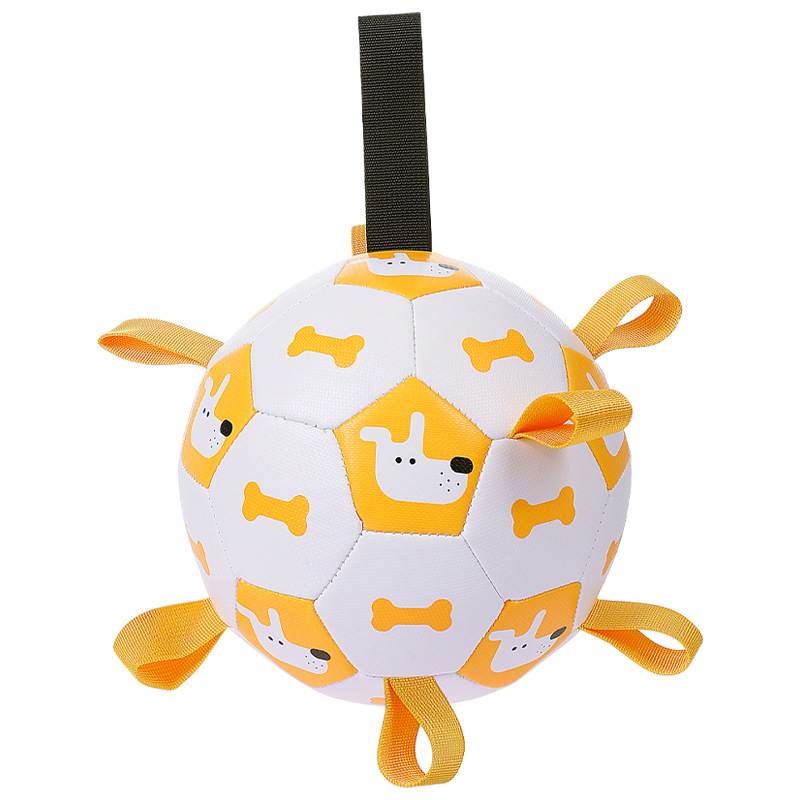
Table of Contents
Understanding Pet Toy Balls
Pet toy balls come in various shapes, sizes, and materials, catering to different types of pets and their unique play styles. Understanding the different categories of pet toy balls can help you make an informed decision when selecting the perfect toy for your furry companion.
Types of Pet Toy Balls
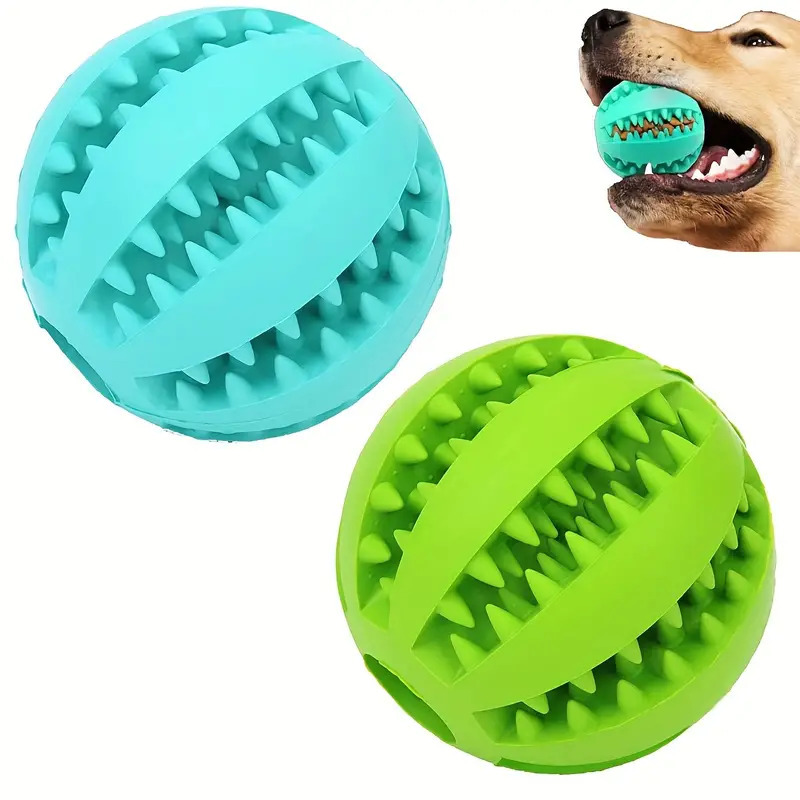
- Rubber Balls: These are durable and often designed for heavy chewers. Rubber balls can withstand rough play and are great for outdoor use. They are also easy to clean, making them a practical choice for pet owners. Many rubber balls are designed with textures or grooves that can help clean your pet’s teeth while they play, promoting dental health.
- Squeaky Balls: Many pets are attracted to the sound of squeaky toys. These balls often have a squeaker inside, making them more engaging for your pet. The sound can stimulate your pet’s natural hunting instincts, encouraging them to play longer. Squeaky balls can also be a great way to keep your pet’s attention during training sessions, as the sound can motivate them to respond to commands.
- Tennis Balls: A classic choice, tennis balls are soft and lightweight, making them easy for pets to carry. However, they may not be suitable for aggressive chewers, as the material can wear down quickly. Always supervise your pet during playtime with tennis balls. Additionally, some tennis balls are made with non-toxic materials, ensuring they are safe for your pet. They can also be used in various games, such as fetch or as part of an obstacle course.
- Interactive Balls: These toys often have features that encourage pets to play actively, such as lights, sounds, or treats that can be dispensed during play. Interactive balls can keep your pet entertained for hours and provide mental stimulation. They are particularly beneficial for pets that need extra encouragement to stay active, as they can turn playtime into a fun challenge.
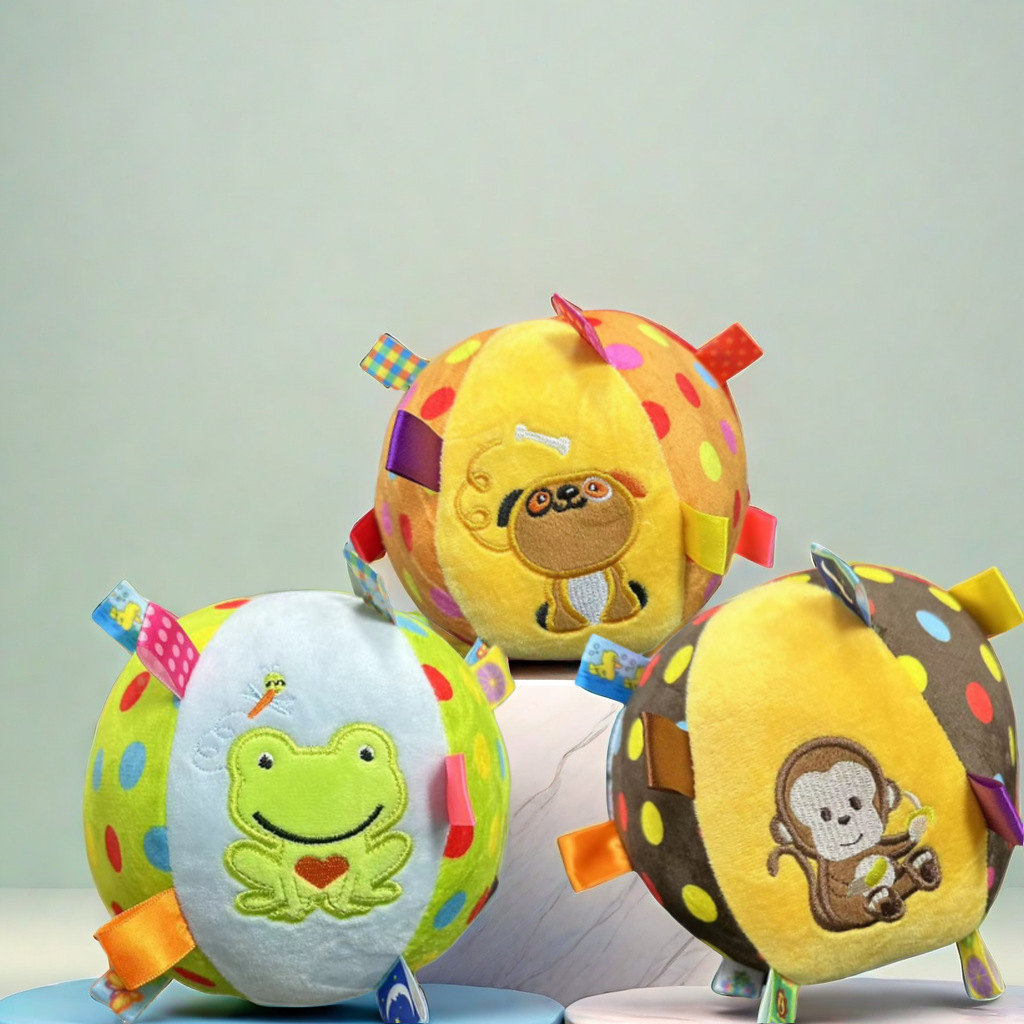
- Soft Plush Balls: Ideal for gentle play, these balls are often made from soft materials and are perfect for indoor use. They can be great for pets that enjoy cuddling with their toys as well. Plush balls can also be used for fetch games in smaller spaces, making them versatile for indoor play. However, they may not be suitable for pets that tend to chew aggressively, as they can be easily damaged.
Benefits of Pet Toy Balls
Pet toy balls offer numerous benefits for both pets and their owners. Here are some of the key advantages:
- Physical Exercise: Playing with balls encourages pets to run, jump, and chase, promoting physical fitness and helping to prevent obesity. Regular exercise is crucial for maintaining a healthy weight and overall well-being. Engaging in active play can also help reduce the risk of health issues related to inactivity, such as joint problems and heart disease.
- Mental Stimulation: Interactive balls can challenge your pet’s problem-solving skills, keeping their minds sharp and engaged. This mental exercise is just as important as physical activity, especially for intelligent breeds. Toys that require your pet to think or strategize can help prevent boredom and destructive behaviors, which are common in pets that lack stimulation.
- Bonding Time: Playing fetch or engaging in other ball-related activities can strengthen the bond between you and your pet. Shared playtime fosters trust and companionship, enhancing your relationship. The time spent playing together can also help your pet feel more secure and loved, which is essential for their emotional well-being.
- Stress Relief: Toys can provide an outlet for pent-up energy and anxiety, helping to keep your pet calm and relaxed. Engaging in play can reduce behavioral issues that arise from boredom or stress. Providing your pet with toys can also help them cope with changes in their environment, such as moving to a new home or the arrival of a new family member.
- Encouragement of Natural Behaviors: Many pets have natural instincts to chase, pounce, and retrieve. Providing them with toy balls allows them to express these behaviors in a safe and controlled environment. This can be particularly beneficial for young pets that are still learning how to interact with their surroundings.
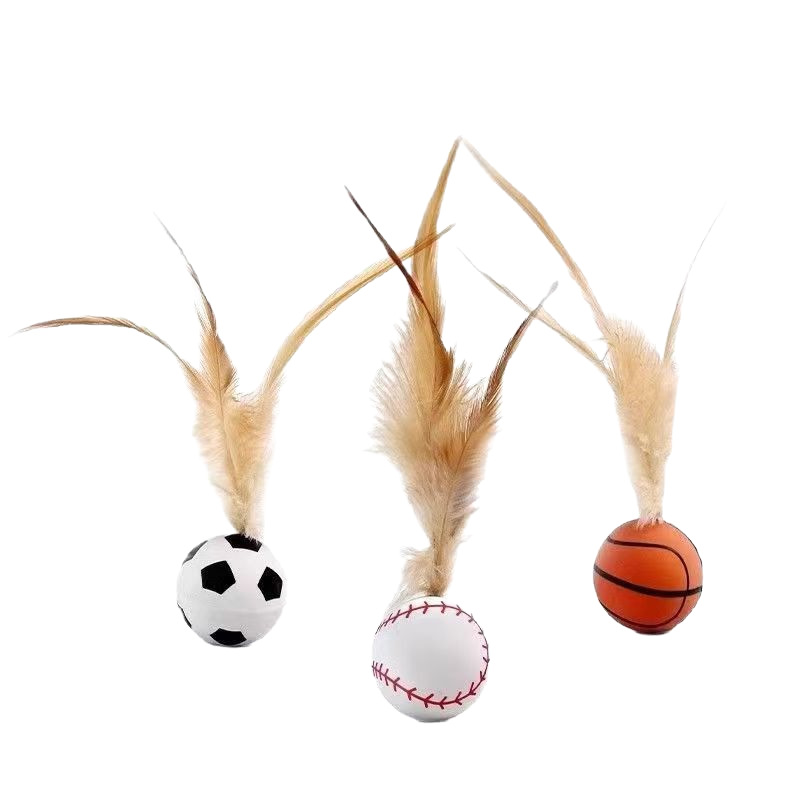
Choosing the Right Pet Toy Ball
Selecting the right pet toy ball involves considering several factors, including your pet’s size, age, and play style. Here are some tips to help you make the best choice.
Consider Your Pet’s Size
The size of the ball is crucial for safety and enjoyment. A ball that is too small can pose a choking hazard, while one that is too large may be difficult for your pet to handle. Always choose a ball that is appropriate for your pet’s size. For example, small breeds may prefer smaller balls that they can easily carry, while larger breeds may need bigger, sturdier options. Additionally, consider the weight of the ball; a lightweight ball is easier for smaller pets to manage.
Assess Your Pet’s Chewing Habits
If your pet is an aggressive chewer, opt for durable materials like rubber or heavy-duty plastic. For gentler chewers, softer materials may be suitable. Always check for any signs of wear and tear, and replace toys as needed to ensure your pet’s safety. Regularly inspecting toys can prevent accidents and ensure your pet remains safe during play. If your pet tends to destroy toys quickly, consider investing in indestructible options designed specifically for heavy chewers.
Think About Your Pet’s Activity Level
Active pets may benefit from interactive balls that encourage movement, while more laid-back pets might prefer softer, plush options. Consider your pet’s personality and energy level when selecting a toy. For instance, high-energy dogs may thrive with toys that bounce unpredictably, while older or less active pets might enjoy toys that are easier to catch and carry. Tailoring the toy to your pet’s activity level can enhance their enjoyment and engagement.
Look for Safety Features
Ensure that the toy is made from non-toxic materials and does not have small parts that could be swallowed. Safety should always be a top priority when choosing toys for your pets. Look for certifications or labels that indicate the toy meets safety standards. Additionally, avoid toys with sharp edges or small components that could pose a choking hazard. Always supervise your pet during playtime, especially with new toys.
Engaging Your Pet with Toy Balls
Once you have selected the perfect pet toy ball, it’s time to engage your pet in play. Here are some fun activities you can do together.
Fetch
The classic game of fetch is a great way to exercise your pet. Use a ball that is easy for your pet to carry and throw it a short distance. Encourage your pet to bring it back to you for another throw. This game not only provides physical exercise but also reinforces training commands like “drop it” or “come.” You can vary the distance and location to keep the game exciting. Consider using different types of balls to see which one your pet enjoys the most.
Hide and Seek
Hide the ball in different places around your home or yard and encourage your pet to find it. This game stimulates their natural hunting instincts and provides mental stimulation. You can also hide treats inside the ball if it has a compartment for added excitement. This variation can make the game even more engaging and rewarding for your pet. It can also help improve their scent-tracking abilities.
Tug-of-War
If your pet enjoys a good tug-of-war, use a sturdy ball that can withstand pulling. This game can be a fun way to bond with your pet while also providing physical exercise. Just be sure to establish rules, such as “drop it,” to maintain control during play. Tug-of-war can also be a great way to teach your pet impulse control and reinforce training commands. Always monitor the intensity of the game to ensure it remains safe and enjoyable for both of you.
Obstacle Course
Create a mini obstacle course in your yard or home using the ball. Encourage your pet to navigate through the course while retrieving the ball. This activity can be both fun and challenging, promoting agility and coordination. You can use household items like chairs, boxes, or cones to create obstacles for your pet to maneuver around. This not only provides physical exercise but also encourages problem-solving skills.
Training Exercises
Incorporate the ball into training exercises to reinforce commands and tricks. For example, you can teach your pet to “roll over” or “spin” while using the ball as a reward. This not only makes training more enjoyable but also helps your pet associate learning with fun. Using the ball as a reward can motivate your pet to engage more actively in training sessions. You can also use the ball to teach your pet new tricks, such as balancing it on their nose or paw.
Social Play
If you have multiple pets or friends with pets, consider organizing playdates. Using toy balls during these gatherings can encourage social interaction and play among pets. This not only provides physical exercise but also helps pets develop social skills and learn to play nicely with others. Supervised playdates can also help prevent aggressive behaviors and promote positive interactions.
Maintaining Your Pet Toy Balls
To ensure the longevity of your pet toy balls, proper maintenance is essential. Here are some tips for keeping them in good condition.
Regular Cleaning
Regularly clean your pet’s toy balls to remove dirt, saliva, and bacteria. Most rubber and plastic balls can be washed with soap and water, while plush balls may need to be spot cleaned. Keeping toys clean helps prevent the spread of germs and keeps your pet healthy. Consider using pet-safe disinfectants for thorough cleaning, especially for toys that are frequently used outdoors. Regular cleaning can also help maintain the toy’s appearance and functionality.
Inspect for Damage
Frequently check the balls for any signs of wear and tear. If you notice any cracks, tears, or loose parts, it’s time to replace the toy to prevent any safety hazards. A damaged toy can pose a choking risk or lead to injury. Establish a routine for inspecting toys, such as after each play session, to ensure they remain safe for your pet. If you notice that your pet is able to destroy toys quickly, consider investing in higher-quality options designed for durability.
Store Properly
When not in use, store the balls in a cool, dry place to prevent damage from moisture or extreme temperatures. This will help prolong their lifespan. Consider using a designated toy box to keep your pet’s toys organized and easily accessible. Storing toys properly can also help prevent them from becoming lost or damaged. Additionally, rotating your pet’s toys can keep their interest piqued and make playtime more exciting.
Conclusion
Choosing the right pet toy ball can significantly enhance your pet’s playtime experience. By considering factors such as size, material, and your pet’s activity level, you can select a toy that will keep them entertained and engaged. Remember to maintain the toys properly to ensure their safety and longevity. With the right pet toy ball, you can create countless joyful moments with your furry friend.
How to purchase:Online B2B sourcing platform, China purchase, Chinese suppliers – LooperBuy
Related Questions & Answers
· What are the benefits of different materials in pet toy balls?
Different materials offer various benefits. Rubber balls are durable and great for aggressive chewers, while plush balls are softer and ideal for gentle play. Choosing the right material can enhance your pet’s play experience and ensure safety.
· How do interactive pet toy balls stimulate a pet’s mind?
Interactive balls often require pets to solve puzzles or engage in activities to access treats or sounds. This mental stimulation keeps pets engaged and can help reduce boredom and anxiety.
· What safety features should I look for when buying a pet toy ball?
Look for non-toxic materials, sturdy construction, and the absence of small parts that could be swallowed. Safety certifications can also indicate that the toy meets industry standards.
· How can I encourage my pet to play with their toy ball?
Engage your pet by playing fetch, hide and seek, or incorporating the ball into training exercises. Making playtime interactive and rewarding can encourage your pet to enjoy their toys more.
· Are there specific toys recommended for different breeds?
Yes, different breeds have varying energy levels and chewing habits. Researching your pet’s breed can help you choose toys that suit their specific needs and preferences.
Hot Tags: Pet Toy Balls, Dog Toys, Interactive Pet Toys, Rubber Balls, Squeaky Toys, Pet Playtime, Dog Exercise, Pet Safety, Chew Toys, Pet Bonding, Pet Training, Indoor Play, Outdoor Play, Durable Pet Toys, Engaging Pet Activities, Mental Stimulation for Pets, Healthy Pet Lifestyle, Fun Pet Games, Pet Care Tips, Quality Pet Products, Pet Enrichment, Safe Pet Toys, Active Playtime, Pet Health, Dog Fetch Toys, Cat Play Balls, Pet Toy Maintenance, Eco-Friendly Pet Toys, Pet Behavior Solutions, Training Aids for Pets, Pet Owner Resources