The hidden heroes of interior home maintenance are often the smallest items we overlook. Among these, small furniture pads stand out as essential, cost-effective tools that protect your investment—your flooring, your furniture, and even your peace of mind. Whether you live in a modern apartment with polished hardwood, a cozy home with laminate, or a space featuring delicate tile, the impact of heavy furniture moving daily can be devastating. Implementing small furniture pads is a simple, proactive measure that prevents long-term damage, reduces irritating noise, and improves the overall functionality of your living space.
Table of Contents
Understanding the Importance of Furniture Surface Protection
Many homeowners only realize the necessity of protective measures after noticing deep scratches, indentations, or gouges on their pristine floors. By then, the damage is done, and professional repairs or even full floor replacement can become expensive realities.
Why Floors Suffer Without Protection
Every piece of furniture, regardless of its weight, exerts pressure on the surface it sits upon. When you drag a chair, table, or sofa—even slightly—the rough or hard surface of the furniture leg acts like sandpaper against your floor. Over time, this creates visible wear patterns, particularly in high-traffic areas like dining rooms and living rooms. Even stationary items can cause subtle pressure-point damage, where the weight concentrated on four small points leads to permanent dents in softer flooring materials like luxury vinyl, linoleum, or certain soft hardwoods. Protecting these surfaces is not just about aesthetics; it is about maintaining the structural integrity and value of your home’s flooring over the long term.
The Role of Small Furniture Pads in Noise Reduction
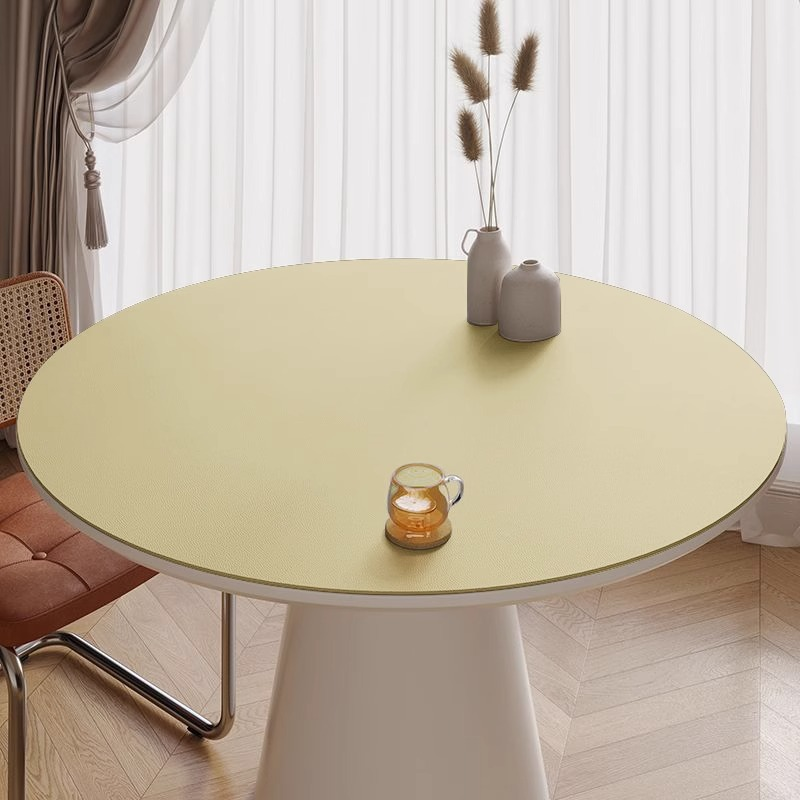
Beyond surface damage, moving furniture often produces screeching or grating noises that can be incredibly distracting and disruptive. This is particularly problematic in shared living spaces, apartments, or households where family members are sensitive to loud sounds. High-quality furniture pads act as a soft buffer, absorbing the vibrations and friction that cause these sounds. By breaking the direct contact between the furniture material and the flooring, these pads allow you to move chairs and tables smoothly and silently, enhancing the tranquility of your home. The psychological benefit of a quiet home cannot be overstated, as the reduction of unnecessary noise pollution contributes to a more relaxing living environment.
Advanced Considerations for Flooring Materials
It is essential to recognize that different flooring materials have different sensitivities. A “one size fits all” approach to furniture protection often leads to suboptimal results.
Hardwood and Laminate Floors
These surfaces are susceptible to scratches from grit and sand that get trapped under furniture legs. Felt pads are ideal here because they allow for gentle movement without scratching. However, it is crucial to keep these pads clean. If the felt becomes embedded with dirt or debris, it essentially transforms into an abrasive surface itself, potentially causing the very damage you intended to prevent. Periodically inspecting and vacuuming your furniture pads is just as important as installing them.
Tile and Stone Floors
Tile surfaces often have grout lines that can catch and rip off adhesive pads. For these floors, choosing a thicker, more durable material is necessary. Furthermore, if you are placing heavy furniture on stone, you need to ensure the pads can handle the compressive weight without flattening out entirely. In some cases, rubber-based pads are preferred on stone to ensure the furniture doesn’t “walk” across the slippery surface.
Types of Small Furniture Pads and Their Specialized Uses
Not all furniture pads are created equal. Choosing the right material for your specific furniture type and flooring surface is critical for achieving the best results and ensuring the pads stay in place for the long term.
Felt Pads: The Best for Hard Surfaces
Felt pads are the gold standard for hardwood, laminate, and tile floors. They provide a soft, friction-reducing layer that allows furniture to glide smoothly across the floor without leaving a mark. These are ideal for dining chairs that are moved multiple times a day. Felt is particularly effective because it wears down slowly and gently, acting as a sacrificial layer that protects the floor. You can find them in various shapes and sizes, from small circular discs to large adhesive sheets that you can cut to fit custom furniture leg shapes.
Rubber and Silicone Pads: Ideal for Anti-Slip Needs
While felt is excellent for gliding, sometimes you want your furniture to stay exactly where you put it. This is where rubber or silicone pads shine. These materials provide exceptional grip, preventing sofas, heavy armchairs, or ottomans from sliding on smooth surfaces. They are also highly effective at preventing furniture from scratching floors, but their primary advantage is stability. If you have a child or a pet who frequently bumps into furniture, rubber pads offer the extra friction needed to keep everything securely in its place. These pads are particularly useful for minimalist interior designs where you want to maintain precise furniture alignment.
Plastic and Teflon Glides: For Heavy Furniture
For furniture that is exceptionally heavy—such as large dining tables, sideboards, or sectional sofas—felt pads might compress too quickly. In these cases, plastic or Teflon glides are superior. These hard-surface pads are designed to reduce friction significantly, making heavy pieces much easier to move for cleaning or rearranging. They are durable, long-lasting, and specifically engineered to handle the load of substantial furniture while protecting your flooring from the concentrated weight. Using these glides can transform a heavy piece of furniture into something that can be moved by one person, promoting easier cleaning behind and underneath large items.
Installation Best Practices for Long-Lasting Protection
The effectiveness of any furniture pad is only as good as its installation. Many people complain about pads falling off after a few weeks, but this is usually a result of improper surface preparation rather than the quality of the product itself.
Preparing the Surface
Before you apply any adhesive pad, the bottom of the furniture leg must be perfectly clean. Dust, grime, wood finish residue, or wax can prevent the adhesive from bonding securely. Wipe the surface with rubbing alcohol to remove any oils or debris and ensure it is completely dry before application. For wooden furniture, lightly sanding the bottom of the leg can provide a better “tooth” for the adhesive to grab onto. Taking these extra minutes to prepare the surface will pay dividends in the form of months or years of worry-free protection.
Choosing Between Adhesive and Fastened Options
For light to medium-duty furniture, high-quality self-adhesive pads are generally sufficient. However, for items that receive heavy, frequent use—like kitchen chairs—it is often worth considering nail-in or screw-in furniture pads. These options are physically secured to the furniture leg, ensuring they never shift, slide, or peel off over time. While installation requires a little more effort and a drill or hammer, the peace of mind that they are permanent is well worth the extra step. They eliminate the frustration of finding sticky, misplaced pads stuck to your socks or the floor instead of the furniture leg.
Integrating Furniture Care into Your Home Lifestyle
Investing in small furniture pads is about more than just protecting your floor; it is about refining your home environment for better usability and comfort.
Maximizing Flexibility in Room Layouts
When you know your furniture is properly protected with the right pads, you are far more likely to feel comfortable rearranging your space. Whether you are hosting a large dinner party, accommodating guests for a holiday, or simply wanting to refresh your interior layout, the ability to slide heavy pieces effortlessly changes how you interact with your home. It transforms your furniture from rigid, static fixtures into versatile components of a dynamic living space. This flexibility is key to enjoying your home to its fullest potential.
Preventing Secondary Damage
Often, the damage caused by furniture isn’t limited to the floor. When furniture slides unpredictably, it can bump into baseboards, walls, or even other furniture pieces, causing scuffs, chips, and dents. By stabilizing your furniture with the correct anti-slip or gliding pads, you effectively protect your walls and baseboards from these accidental impacts. It is a comprehensive approach to home maintenance that guards every surface in the room. This holistic protection strategy ensures that your home retains its aesthetic appeal for as long as possible.
Cost-Effectiveness and Longevity
Compared to the cost of refinishing hardwood floors or replacing damaged furniture, small furniture pads are incredibly inexpensive. They are a “set it and forget it” solution that offers a massive return on investment. By extending the life of your floors and the integrity of your furniture legs, you are effectively delaying costly repairs and replacements for years, if not decades. In an era where many home repair services are becoming increasingly expensive, these small, proactive steps are a form of financial prudence.
Conclusion
Small furniture pads are an essential component of responsible home maintenance. By understanding the different materials available—from protective felt to stabilizing rubber and heavy-duty glides—and following proper installation techniques, you can effectively safeguard your floors, reduce unwanted noise, and enhance the overall flexibility and comfort of your home. These small, simple additions are a testament to the idea that thoughtful, proactive care can significantly extend the lifespan and beauty of your most cherished home furnishings. Whether you are moving into a new house or simply looking to update your current living situation, prioritizing floor protection is one of the smartest and most effective ways to preserve the investment you have made in your living space.
How to purchase:Online B2B sourcing platform, China purchase, Chinese suppliers – LooperBuy
Summary:
This comprehensive guide explores the critical importance of using small furniture pads to protect home flooring and furniture. It details the various types of pads—including felt for smooth gliding, rubber for anti-slip stability, and plastic glides for heavy items—and explains their unique applications. The article also provides expert installation tips, such as surface preparation and choosing between adhesive and mechanical fasteners. Ultimately, it highlights how these inexpensive, simple tools significantly reduce noise, prevent permanent floor damage, and increase home layout flexibility, proving their value as an essential home maintenance investment for any homeowner.
Hot Tags:
Small Furniture Pads; Floor Protection; Furniture Care; Hardwood Floor Protection; Anti-Slip Pads; Felt Furniture Pads; Scratch Prevention; Home Maintenance; Furniture Glides; Noise Reduction; Surface Protection; Interior Design Tips; DIY Furniture Care; Protective Mats; Furniture Stability; Adhesive Pads; Flooring Safety; Heavy Duty Glides; Household Protection; Floor-Friendly Furniture; Silent Furniture Movement; Durable Furniture Pads; Furniture Leg Protectors; Custom Furniture Pads; Easy Floor Care; Floor Scratch Solution; Home Improvement Tools; Furniture Longevity; Non-Slip Furniture Grips; Protective Solutions
Related Questions & Answers
· How often should I replace my small furniture pads?
The frequency depends on usage and floor type. For high-traffic furniture like dining chairs, check every 6–12 months. If the felt is flattened, dirty, or peeling, it is time to replace it to ensure your floor remains protected.
· Can I use adhesive furniture pads on furniture that is used outdoors?
Generally, no. Adhesive pads are designed for indoor use. Outdoor furniture is exposed to moisture, temperature changes, and dirt, which will cause standard adhesives to fail quickly. Look for specialized outdoor-rated or mechanical fasteners instead.
· Do furniture pads work on carpeted floors?
Standard felt or rubber pads are designed for hard surfaces. On carpet, they may not provide the same benefits and can sometimes even cause furniture to wobble. Specialized carpet sliders are available if you need to move heavy items across carpeted rooms.
· What is the best way to remove old, sticky adhesive residue from furniture legs?
You can use a dedicated adhesive remover or a mixture of rubbing alcohol and a little bit of patience. For stubborn residue, a plastic scraper can help lift the glue without damaging the wood finish underneath.
· Does the weight of the furniture dictate the type of pad I should use?
Yes. Light items like small side tables can use simple adhesive pads. Heavy items like bookcases or sectionals require sturdier, load-bearing pads—often made of harder plastic or Teflon—to prevent the material from compressing and losing its protective properties.