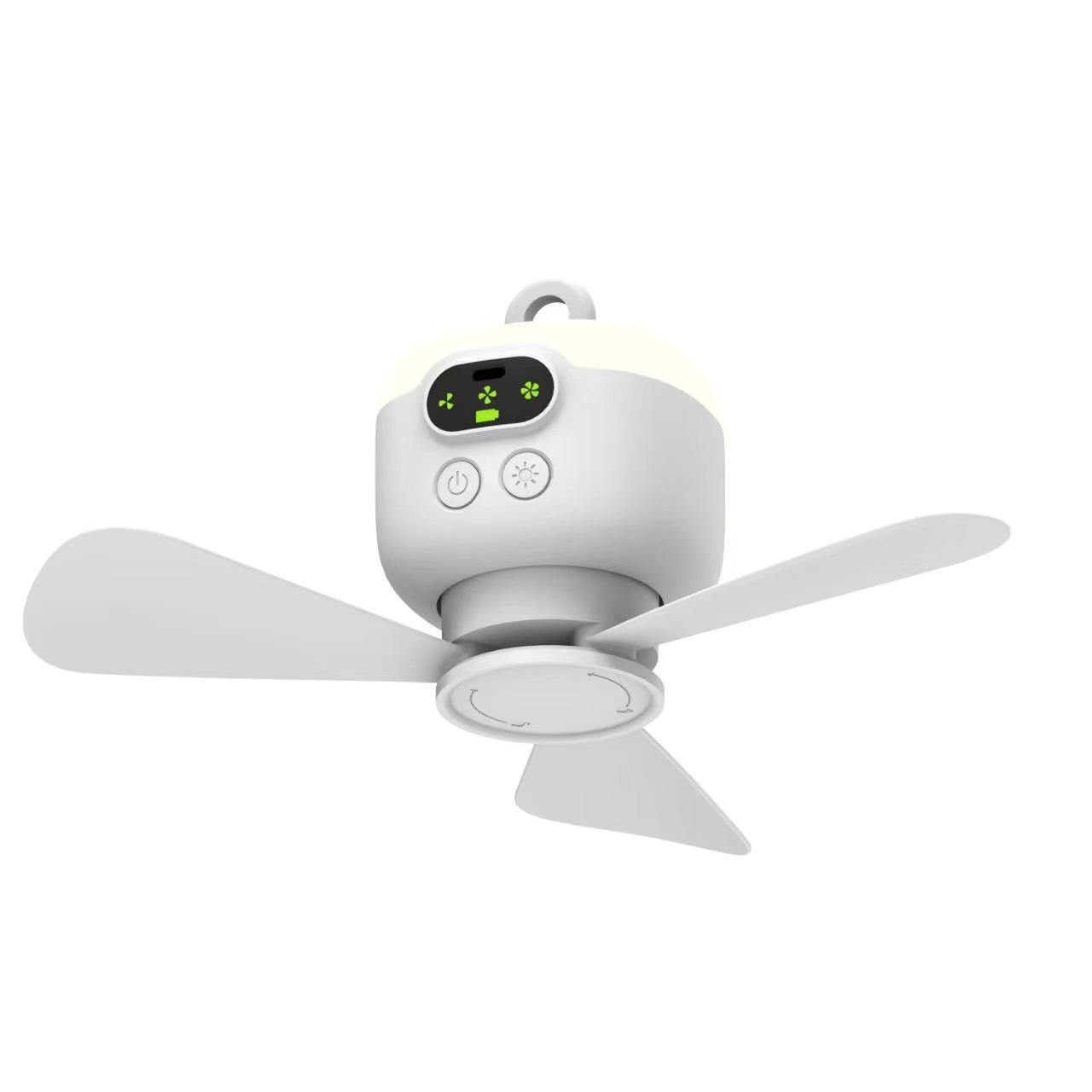
Electric ceiling fans are a staple in many homes, providing comfort and style while helping to reduce energy costs. This comprehensive guide will explore everything you need to know about electric ceiling fans, from selecting the right model to installation and maintenance tips.
Table of Contents
Understanding Electric Ceiling Fans
What is an Electric Ceiling Fan?
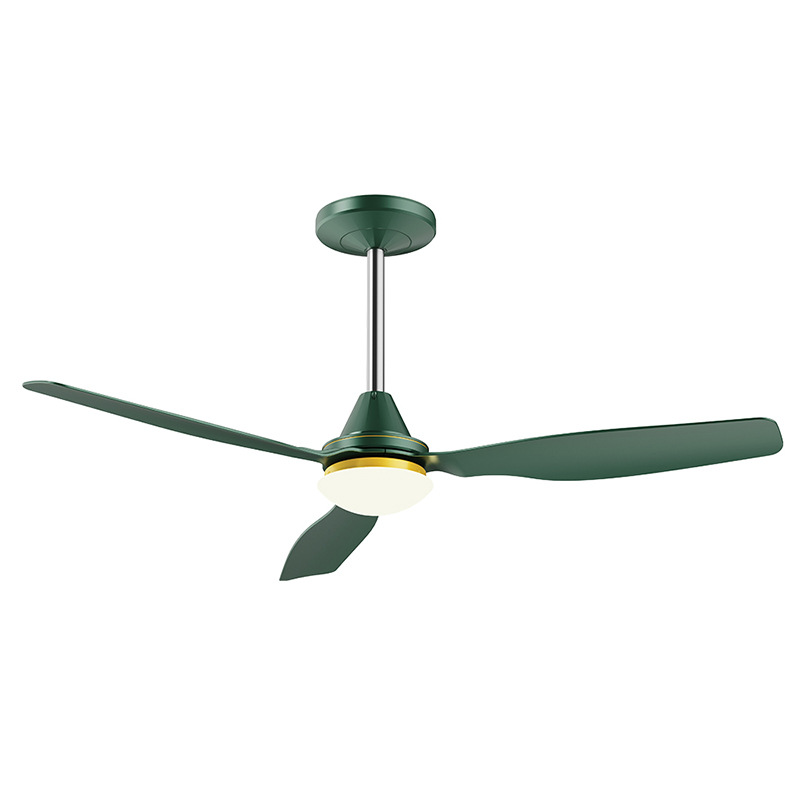
An electric ceiling fan is a mechanical device suspended from the ceiling that uses rotating blades to circulate air in a room. This circulation creates a wind-chill effect, making the environment feel cooler without lowering the temperature. Ceiling fans can be used year-round, as many models offer reversible motors that allow for both cooling and heating modes.
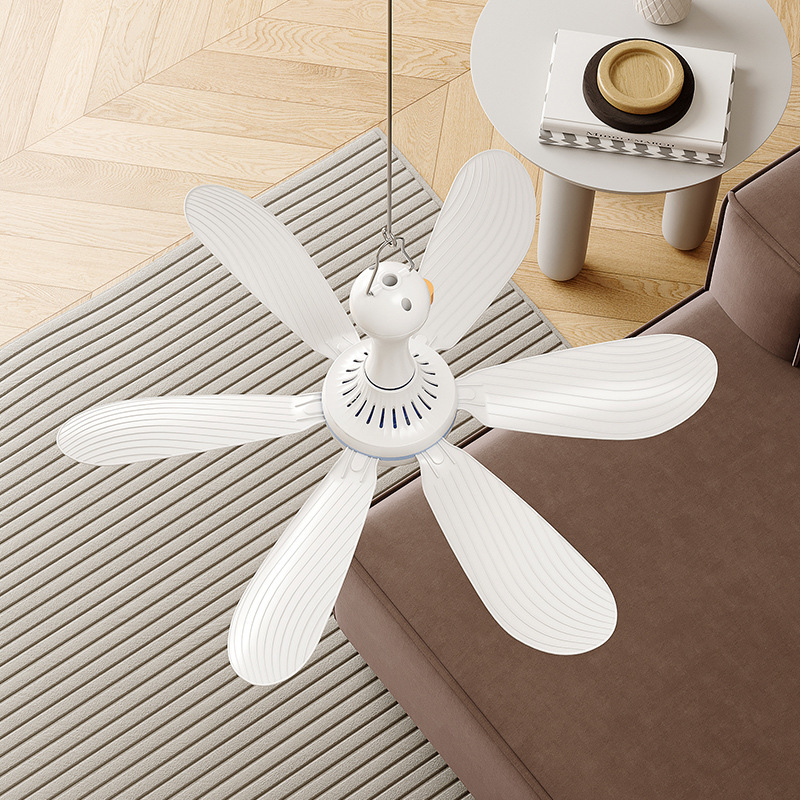
Benefits of Using Electric Ceiling Fans
- Energy Efficiency: Ceiling fans consume significantly less energy than air conditioning units, making them a cost-effective option for cooling spaces. They can help reduce reliance on air conditioning, leading to lower electricity bills.
- Improved Air Circulation: They help distribute air evenly throughout a room, reducing hot spots and improving overall comfort. This is particularly beneficial in larger spaces where air can become stagnant.
- Aesthetic Appeal: Available in various styles, colors, and sizes, ceiling fans can enhance the decor of any room. From modern to traditional designs, there’s a fan to match every aesthetic.
- Versatility: Many modern ceiling fans come with additional features such as integrated lighting, remote controls, and smart home compatibility. This versatility allows for greater customization and convenience.
Choosing the Right Electric Ceiling Fan
Factors to Consider
When selecting an electric ceiling fan, consider the following factors:
Room Size
The size of the room will dictate the size of the fan you need. Larger rooms require fans with longer blades to effectively circulate air. Here’s a quick guide:
- Small Rooms (up to 75 sq. ft.): 29-36 inch blades
- Medium Rooms (76-144 sq. ft.): 36-42 inch blades
- Large Rooms (145-225 sq. ft.): 44-54 inch blades
- Extra Large Rooms (over 225 sq. ft.): 56 inch blades or larger
Ceiling Height
The height of your ceiling will also influence your choice. For ceilings over 8 feet, consider using a downrod to lower the fan for optimal airflow. For ceilings lower than 8 feet, flush mount fans are ideal. This ensures that the fan is at an appropriate height for effective air circulation.
Style and Design
Choose a fan that complements your home’s decor. Options range from traditional wooden blades to sleek modern designs. Consider the finish and color to ensure it matches your interior. Some fans even come with decorative elements like light kits or unique blade shapes that can serve as a focal point in the room.
Motor Quality
Look for fans with high-quality motors that offer quiet operation and durability. DC motors are more energy-efficient and quieter than traditional AC motors. A good motor will not only enhance performance but also extend the lifespan of the fan.
Additional Features
- Lighting: Many ceiling fans come with integrated light fixtures, providing both illumination and airflow. This dual functionality can save space and reduce the need for additional lighting fixtures.
- Remote Control: A remote control allows for easy operation from anywhere in the room. This is particularly useful for high ceilings where reaching the pull chain can be cumbersome.
- Smart Features: Some fans can connect to smart home systems, allowing for voice control and scheduling. This integration can enhance convenience and energy management.
Installing Your Electric Ceiling Fan
Tools and Materials Needed
Before starting the installation, gather the following tools and materials:
- Screwdriver
- Wire stripper
- Ladder
- Electrical tape
- Ceiling fan mounting bracket (usually included with the fan)
Step-by-Step Installation Guide
- Turn Off Power: Ensure the power is turned off at the circuit breaker to avoid any electrical hazards.
- Remove Existing Fixture: If replacing an old light fixture, carefully remove it and disconnect the wiring.
- Install the Mounting Bracket: Attach the mounting bracket to the ceiling using screws provided with the fan.
- Connect the Wires: Match the wires from the ceiling to the fan (usually black to black, white to white, and green or bare to ground). Use wire nuts to secure connections and wrap with electrical tape.
- Attach the Fan: Lift the fan onto the mounting bracket and secure it according to the manufacturer’s instructions.
- Install Blades and Light Kit: Attach the blades and any light kits as per the instructions.
- Restore Power: Turn the power back on at the circuit breaker and test the fan.
Safety Tips
- Always consult the manufacturer’s instructions for specific installation guidelines.
- If you are unsure about electrical work, consider hiring a professional electrician.
Maintaining Your Electric Ceiling Fan
Regular Cleaning
To keep your ceiling fan in optimal condition, regular cleaning is essential. Dust and debris can accumulate on the blades, affecting performance and air quality. Here’s how to clean your fan:
- Turn Off the Fan: Ensure the fan is off and the blades are stationary.
- Use a Soft Cloth: Wipe the blades with a damp cloth or a microfiber duster. For stubborn grime, a mild soap solution can be used.
- Clean the Light Fixtures: If your fan has lights, clean the bulbs and shades to ensure maximum brightness.
Seasonal Maintenance
- Summer: Set the fan to rotate counterclockwise to create a cooling breeze. This helps to lower the perceived temperature in the room.
- Winter: Reverse the fan’s direction to clockwise to circulate warm air that rises to the ceiling. This can help maintain a comfortable temperature and reduce heating costs.
Troubleshooting Common Issues
- Fan Won’t Start: Check the power supply and ensure the circuit breaker is not tripped. Inspect the wiring connections.
- Noisy Operation: Tighten any loose screws and ensure the blades are properly balanced. If the noise persists, check the motor for issues.
- Insufficient Airflow: Ensure the fan blades are clean and free of obstructions. Check if the fan is the appropriate size for the room.
Latest Innovations in Electric Ceiling Fans
Smart Technology Integration
The rise of smart home technology has led to the development of ceiling fans that can be controlled via smartphone apps or voice commands. These fans can be programmed to operate on a schedule, adjust speeds based on room temperature, and even integrate with other smart devices in your home. This level of control not only enhances convenience but also allows for better energy management, as you can ensure the fan operates only when needed.
Energy-Efficient Designs
Manufacturers are increasingly focusing on energy efficiency, with many new models featuring advanced motor technology that consumes less power while providing optimal airflow. Look for fans with the ENERGY STAR label, which indicates they meet strict energy efficiency guidelines. These fans not only save on electricity bills but also contribute to a more sustainable environment.
Enhanced Aesthetics
Modern ceiling fans are designed not just for functionality but also for style. With a variety of finishes, blade shapes, and integrated lighting options, homeowners can find fans that complement their decor while providing effective cooling. Some fans even feature unique designs that can serve as a statement piece in a room, blending seamlessly with contemporary or traditional interiors.
Advanced Features
Many new ceiling fans come equipped with features such as:
- Wi-Fi Connectivity: This allows users to control their fans remotely through smartphone apps, making it easy to adjust settings from anywhere in the house.
- Voice Control: Integration with smart home systems like Amazon Alexa or Google Assistant enables voice commands for hands-free operation.
- Sensors: Some fans include motion sensors that can automatically turn the fan on or off based on occupancy, further enhancing energy efficiency.
The Future of Ceiling Fans
As technology continues to evolve, the future of ceiling fans looks promising. Innovations such as solar-powered fans and those with built-in air purifiers are on the horizon. These advancements not only improve functionality but also align with the growing demand for eco-friendly home solutions. Additionally, manufacturers are exploring new materials and designs that enhance durability and performance, ensuring that ceiling fans remain a relevant and essential part of home comfort.
Understanding Different Types of Ceiling Fans
Standard Ceiling Fans
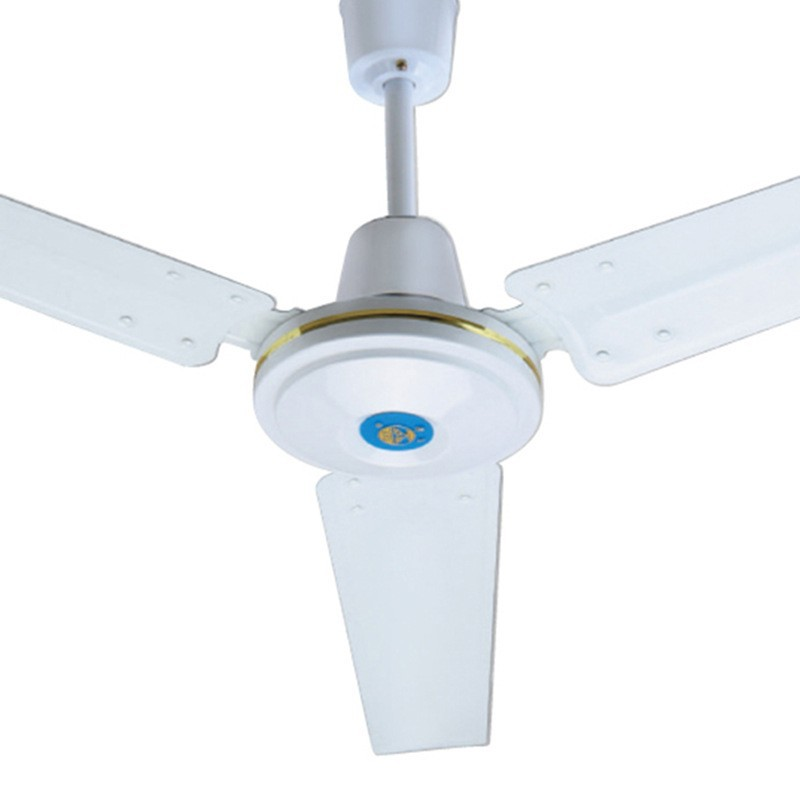
Standard ceiling fans are the most common type found in homes. They typically feature a central motor with blades attached to it, and they can be used in various rooms. These fans come in a wide range of styles and sizes, making them versatile for different decor themes.
Low-Profile Ceiling Fans
Low-profile ceiling fans, also known as flush mount fans, are designed for rooms with low ceilings. They sit closer to the ceiling, making them ideal for spaces where headroom is a concern. Despite their compact design, they still provide effective air circulation.
Outdoor Ceiling Fans
Outdoor ceiling fans are specifically designed to withstand the elements. They are made with weather-resistant materials and are often equipped with features that prevent rust and corrosion. These fans are perfect for patios, porches, and other outdoor living spaces.
Dual-Motor Ceiling Fans
Dual-motor ceiling fans feature two separate motors that allow for independent control of two sets of blades. This design can provide enhanced airflow and versatility, making them suitable for larger spaces or areas with varying cooling needs.
Smart Ceiling Fans
Smart ceiling fans are equipped with technology that allows for remote control via smartphones or smart home systems. They can be programmed to operate on schedules, adjust speeds automatically, and even integrate with other smart devices in your home for a seamless experience.
The Importance of Proper Installation
Ensuring Safety
Proper installation of ceiling fans is crucial for safety. An incorrectly installed fan can lead to accidents, such as falling from the ceiling or electrical hazards. It is essential to follow the manufacturer’s instructions carefully and ensure that all connections are secure.
Maximizing Efficiency
A well-installed ceiling fan will operate more efficiently, providing better airflow and comfort. If the fan is too high or too low, or if it is not properly balanced, it may not circulate air effectively, leading to discomfort and increased energy costs.
Enhancing Longevity
Proper installation can also extend the lifespan of your ceiling fan. Ensuring that the fan is securely mounted and that all components are functioning correctly can prevent wear and tear, reducing the need for repairs or replacements.
Conclusion
Electric ceiling fans are an excellent addition to any home, providing comfort, energy savings, and aesthetic appeal. By understanding how to choose, install, and maintain your ceiling fan, you can enjoy its benefits for years to come. Whether you’re looking to cool down a room or enhance your home’s decor, the right ceiling fan can make all the difference.
How to purchase:Online B2B sourcing platform, China purchase, Chinese suppliers – LooperBuy
Frequently Asked Questions
1. How do I choose the right size ceiling fan for my room?
To choose the right size ceiling fan, measure your room’s square footage and refer to the blade size recommendations: 29-36 inches for small rooms, 36-42 inches for medium rooms, 44-54 inches for large rooms, and 56 inches or larger for extra-large rooms.
2. Can I install a ceiling fan myself?
Yes, you can install a ceiling fan yourself if you have basic electrical knowledge and the right tools. However, if you are unsure, it is advisable to hire a professional electrician.
3. How often should I clean my ceiling fan?
You should clean your ceiling fan at least once a month to prevent dust buildup. More frequent cleaning may be necessary in dusty environments.
4. What is the best direction for a ceiling fan in summer?
In summer, set your ceiling fan to rotate counterclockwise to create a cooling breeze.
5. Can ceiling fans help reduce energy costs?
Yes, ceiling fans can help reduce energy costs by allowing you to raise your thermostat setting in the summer, as they create a wind-chill effect that makes you feel cooler.
HOT TAG: electric ceiling fan, ceiling fan installation, ceiling fan maintenance, energy-efficient cooling, smart ceiling fans, home decor fans, ceiling fan features, ceiling fan benefits, modern ceiling fans, ceiling fan technology, ceiling fan innovations, sustainable home solutions, advanced ceiling fan designs, smart home integration, energy-saving fans, stylish ceiling fans, ceiling fan trends, ceiling fan performance, ceiling fan aesthetics, ceiling fan upgrades, different types of ceiling fans, outdoor ceiling fans, dual-motor ceiling fans, proper installation of ceiling fans, maximizing ceiling fan efficiency, enhancing ceiling fan longevity.