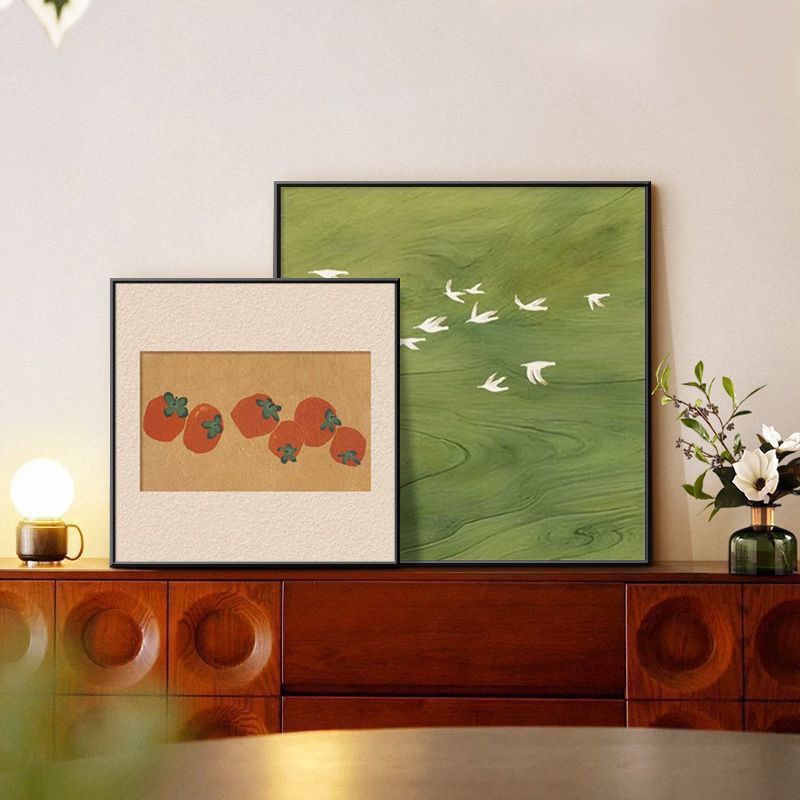
Wall decoration painting is more than just a way to add color to your home; it’s an opportunity to express your personality, create a mood, and enhance the overall aesthetic of your living space. In this article, we will explore various aspects of wall decoration painting, including techniques, styles, and tips for choosing the right artwork for your home.
Table of Contents
Understanding Wall Decoration Painting
What is Wall Decoration Painting?
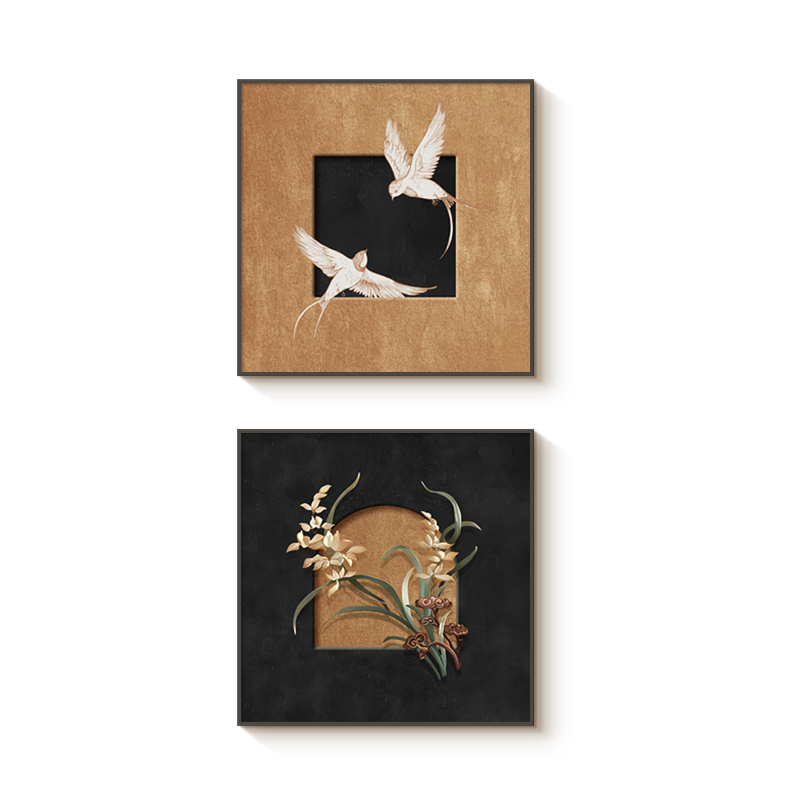
Wall decoration painting refers to the practice of applying paint or artwork to walls to enhance their appearance. This can include anything from simple color washes to intricate murals. The goal is to create a visually appealing environment that reflects the homeowner’s style and preferences.
The Importance of Wall Art
Wall art serves multiple purposes. It can act as a focal point in a room, add depth and dimension, and even influence the mood of a space. For instance, bright colors can energize a room, while softer hues can create a calming atmosphere. Choosing the right wall decoration can significantly impact how a space feels and functions.
Popular Techniques for Wall Decoration Painting
1. Color Washing
Color washing is a technique that involves applying a thin, translucent layer of paint over a base color. This method creates a soft, textured look that can add depth to any wall. It’s particularly effective in living rooms and bedrooms, where a warm, inviting atmosphere is desired. To achieve a color wash, you can use a sponge or a brush to apply the paint, blending it as you go for a seamless finish.
2. Stenciling
Stenciling is a fun and creative way to add patterns and designs to your walls. By using stencils, you can create intricate designs without the need for advanced painting skills. This technique is perfect for accent walls or smaller spaces like bathrooms and hallways. You can find a variety of stencil designs online or create your own, allowing for a personalized touch.
3. Murals
Murals are large-scale paintings that can transform an entire wall into a work of art. They can depict anything from landscapes to abstract designs. Murals are ideal for creating a statement in a room, making them popular in children’s rooms, play areas, and creative spaces. When planning a mural, consider the theme of the room and how the mural will interact with the existing decor.
4. Geometric Patterns
Geometric patterns are a trendy choice for modern homes. Using painter’s tape, you can create sharp lines and shapes that add a contemporary feel to your walls. This technique works well in living rooms, offices, and even kitchens. Experimenting with different colors and shapes can lead to unique designs that reflect your personal style.
5. Ombre Effects
The ombre effect involves blending two or more colors together to create a gradient look. This technique can add a unique touch to any room and is particularly popular in bedrooms and nurseries, where a soft, dreamy effect is desired. To create an ombre effect, start with the lightest color at the top and gradually blend in darker shades as you move down the wall.
6. Textured Finishes
Textured finishes can add a tactile element to your walls, making them more visually interesting. Techniques such as sponging, rag rolling, or using a comb can create various textures that enhance the overall design. Textured walls can be particularly effective in creating a rustic or industrial look, depending on the materials and colors used.
7. Chalkboard Paint
Chalkboard paint is a fun and functional option for wall decoration. It allows you to create a writable surface that can be used for notes, drawings, or even as a creative outlet for children. This technique is especially popular in kitchens, playrooms, and home offices, where it can serve both decorative and practical purposes.
8. Washi Tape Art
Washi tape is a versatile and easy-to-use material that can be used to create temporary wall art. It comes in various colors and patterns, allowing for endless creativity. You can use washi tape to create geometric shapes, stripes, or even intricate designs without the commitment of paint. This method is perfect for renters or those who like to change their decor frequently.
9. Decals and Stickers
Wall decals and stickers are another great way to add personality to your space without the permanence of paint. They come in a wide range of designs, from quotes to intricate patterns, and can be easily applied and removed. This option is particularly appealing for children’s rooms, where designs can be changed as they grow.
Choosing the Right Colors for Your Walls
Understanding Color Psychology
Colors can evoke different emotions and reactions. For example, blue is often associated with calmness and tranquility, while yellow can bring energy and happiness. Understanding color psychology can help you choose the right shades for your space. For instance, if you want to create a relaxing environment, consider using cool colors like blues and greens. Conversely, if you want to energize a space, opt for warmer colors like reds and oranges.
Creating a Color Palette
When selecting colors for wall decoration painting, it’s essential to create a cohesive color palette. Consider the existing furniture and decor in the room. A well-thought-out palette can enhance the overall aesthetic and ensure that all elements work harmoniously together. You can use color swatches to visualize how different colors will look together and make adjustments as needed.
The Role of Lighting
Lighting plays a crucial role in how colors appear in a room. Natural light can make colors look different throughout the day, while artificial lighting can also alter their appearance. When choosing colors, consider the type of lighting in the room and how it will affect the overall look. Testing paint samples in different lighting conditions can help you make the best choice.
Seasonal Color Trends
Staying updated with seasonal color trends can also influence your wall decoration choices. Each year, design experts and paint companies release color forecasts that highlight popular shades. Incorporating these trends can keep your space feeling fresh and modern. For example, earthy tones may be popular in the fall, while bright pastels might dominate in spring.
Styles of Wall Decoration Painting
1. Minimalist
Minimalist wall decoration focuses on simplicity and functionality. This style often features neutral colors and clean lines, making it perfect for modern and contemporary homes. Minimalist art can create a serene environment that promotes relaxation. To achieve a minimalist look, choose a few key pieces of art and keep the surrounding decor simple.
2. Bohemian
Bohemian style is all about vibrant colors, eclectic patterns, and a mix of textures. Wall decoration in this style often includes bold artwork, tapestries, and layered designs. It’s ideal for those who want to create a warm and inviting atmosphere filled with personality. Incorporating plants and natural materials can further enhance the bohemian vibe.
3. Rustic
Rustic wall decoration often incorporates natural elements and earthy tones. This style can include wood paneling, nature-inspired murals, or vintage artwork. It’s perfect for creating a cozy, homey feel in spaces like cabins or country homes. To achieve a rustic look, consider using reclaimed wood or stone accents in your wall decor.
4. Industrial
Industrial style embraces raw materials and a more urban aesthetic. Wall decoration in this style might include exposed brick, metal accents, and monochromatic color schemes. It’s a great choice for lofts and modern apartments. To enhance the industrial look, consider incorporating vintage furniture and accessories that complement the raw elements of the walls.
5. Eclectic
Eclectic wall decoration combines various styles, colors, and textures to create a unique and personalized look. This style allows for creativity and self-expression, making it perfect for those who want to showcase their individuality. Mixing different art pieces, frames, and colors can result in a vibrant and dynamic wall that tells a story.
6. Contemporary
Contemporary wall decoration focuses on current trends and modern aesthetics. This style often features bold colors, abstract art, and innovative designs. To achieve a contemporary look, consider using large-scale art pieces and unique framing options that draw attention and create visual interest.
7. Traditional
Traditional wall decoration often incorporates classic designs, rich colors, and ornate details. This style is perfect for those who appreciate timeless elegance. Consider using framed paintings, classic wallpaper, or intricate moldings to achieve a traditional look that never goes out of style.
Tips for Successful Wall Decoration Painting
1. Plan Your Design
Before you start painting, take the time to plan your design. Consider the size of the room, the existing decor, and the mood you want to create. Sketching out your ideas can help you visualize the final result. Additionally, consider how the lighting in the room will affect the colors you choose.
2. Use Quality Materials
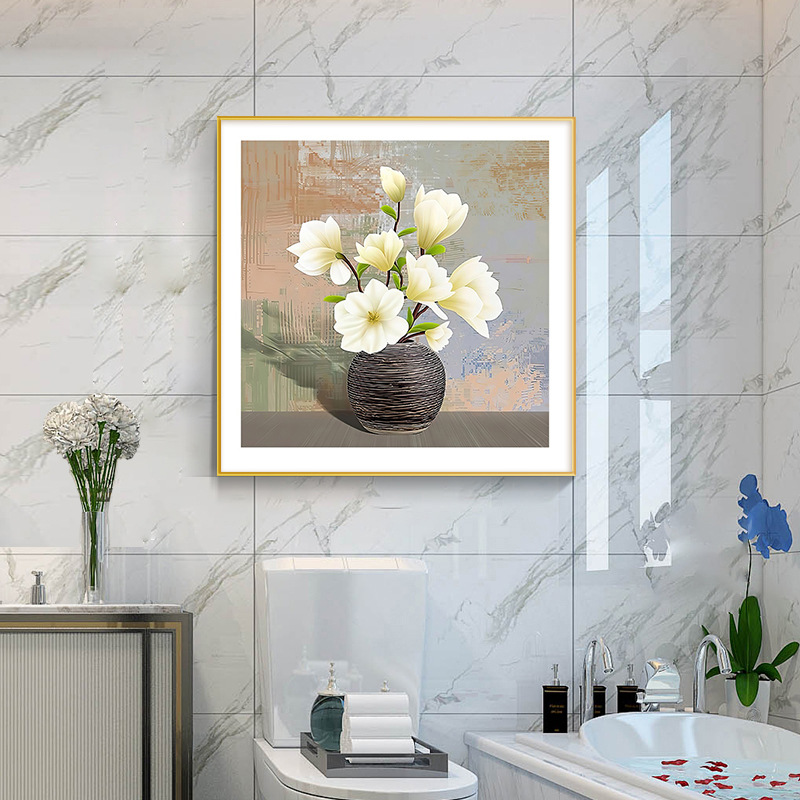
Investing in high-quality paint and tools can make a significant difference in the outcome of your wall decoration. Quality materials will not only provide better coverage but also ensure that your work lasts longer. Look for paints that are specifically designed for interior walls and consider using primer for better adhesion.
3. Test Colors
Always test paint colors on a small section of the wall before committing to a full application. Lighting can significantly affect how colors appear, so it’s essential to see how they look in the actual space. Paint samples can help you visualize how different shades will interact with the room’s lighting throughout the day.
4. Don’t Rush
Take your time with the painting process. Rushing can lead to mistakes and a less polished finish. Allow each layer of paint to dry completely before applying additional coats or designs. Patience is key to achieving a professional-looking result.
5. Seek Inspiration
Look for inspiration in magazines, online platforms, and art galleries. Seeing how different styles and techniques are applied can spark ideas for your own wall decoration project. Social media platforms like Pinterest and Instagram are excellent resources for discovering new trends and creative ideas.
6. Consider Professional Help
If you’re unsure about your painting skills or have a large project in mind, consider hiring a professional. Professional painters can provide expertise and ensure that the job is done correctly. They can also help with design ideas and color selection, making the process smoother.
7. Maintenance and Care
Once your wall decoration is complete, it’s essential to maintain it properly. Regular cleaning can help keep the colors vibrant and the surfaces looking fresh. Depending on the type of paint used, you may need to touch up areas over time. Understanding how to care for your painted walls will ensure they remain beautiful for years to come.
8. Embrace Change
Don’t be afraid to change your wall decoration as your tastes evolve. What you love today may not resonate with you in a few years. Embracing change can keep your home feeling fresh and aligned with your current style. Consider seasonal updates or rotating artwork to keep things interesting.
9. Incorporate Personal Touches
Adding personal touches to your wall decoration can make your space feel more like home. Consider displaying family photos, travel souvenirs, or artwork created by loved ones. These elements can add warmth and character to your walls, making them truly unique.
Conclusion
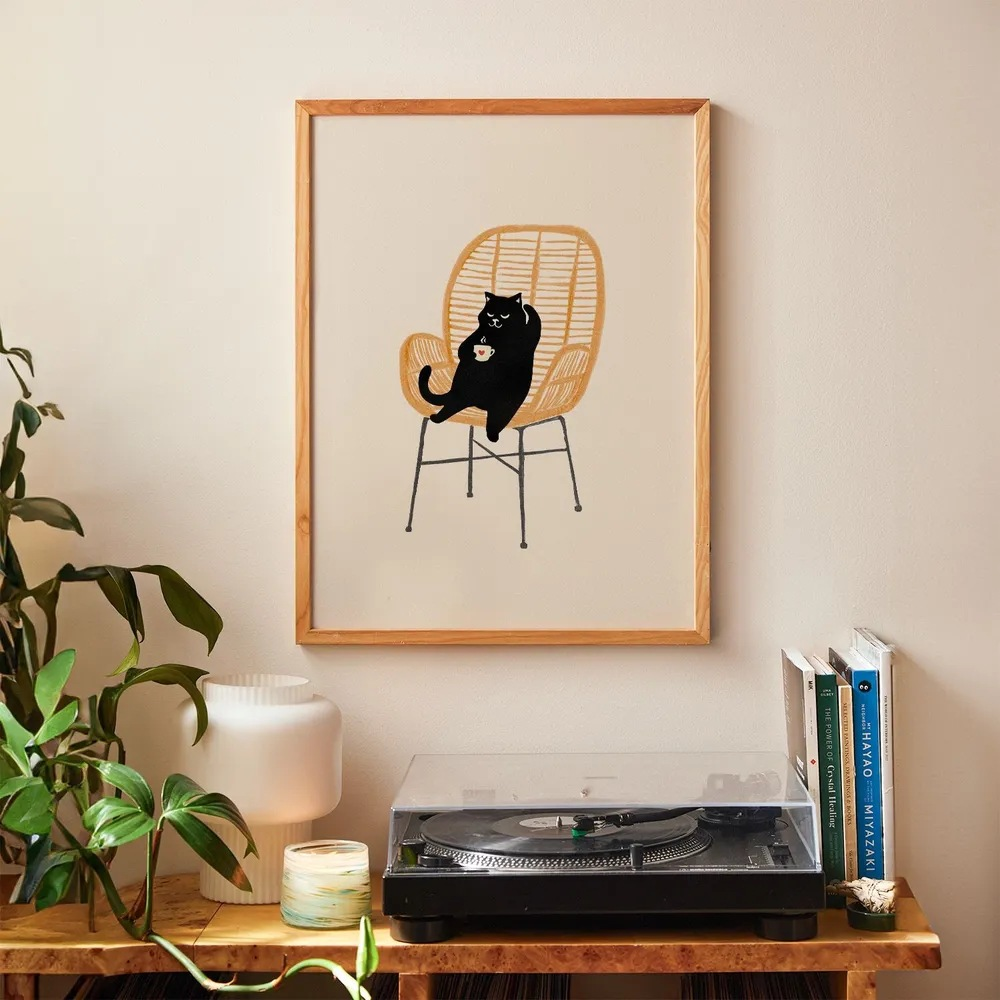
Wall decoration painting is a powerful way to transform your living space. By understanding different techniques, styles, and color choices, you can create a home that reflects your personality and enhances your environment. Whether you opt for a bold mural or a subtle color wash, the right wall decoration can make all the difference. Remember to take your time, plan your design, and enjoy the creative process.
How to purchase:Online B2B sourcing platform, China purchase, Chinese suppliers – LooperBuy
Frequently Asked Questions
1. What type of paint is best for wall decoration?
For wall decoration, acrylic paint is often recommended due to its versatility, quick drying time, and ease of use. It’s also available in a wide range of colors and finishes.
2. How can I remove wall art without damaging the paint?
To remove wall art, gently peel it away from the wall. If it’s a sticker or adhesive, use a hairdryer to warm the adhesive, making it easier to remove. For murals, consider using a damp cloth to soften the edges before peeling.
3. Can I paint over existing wall art?
Yes, you can paint over existing wall art, but it’s essential to prepare the surface properly. Clean the wall, and if the art is textured, consider sanding it down for a smoother finish.
4. How do I choose the right size of wall art?
When choosing wall art, consider the size of the wall and the surrounding furniture. A large piece can serve as a focal point, while smaller pieces can be grouped together for a gallery effect.
5. What are some budget-friendly wall decoration ideas?
Budget-friendly ideas include DIY stenciling, using removable wall decals, or creating a gallery wall with framed photos and prints. Thrift stores and online marketplaces can also be great sources for affordable art.
HOT TAG: wall decoration painting, home decor ideas, painting techniques, color psychology, DIY wall art, interior design trends, creative wall designs, modern wall art, artistic expression, home improvement tips, seasonal color trends, textured finishes, minimalist design, bohemian style, rustic decor, industrial aesthetics, eclectic wall art, contemporary styles, personal touches, maintenance tips