Table of Contents
Introduction
In the rapidly evolving world of technology, USB Type-C charging cables have emerged as a game-changing solution for connectivity and power delivery. But what exactly is a Type-C charging cable? In this article, we will delve into the intricacies of this innovative technology, exploring its design, features, applications, and how it compares to other charging cables.
The Basics of Type-C Charging Cables
What is USB Type-C?
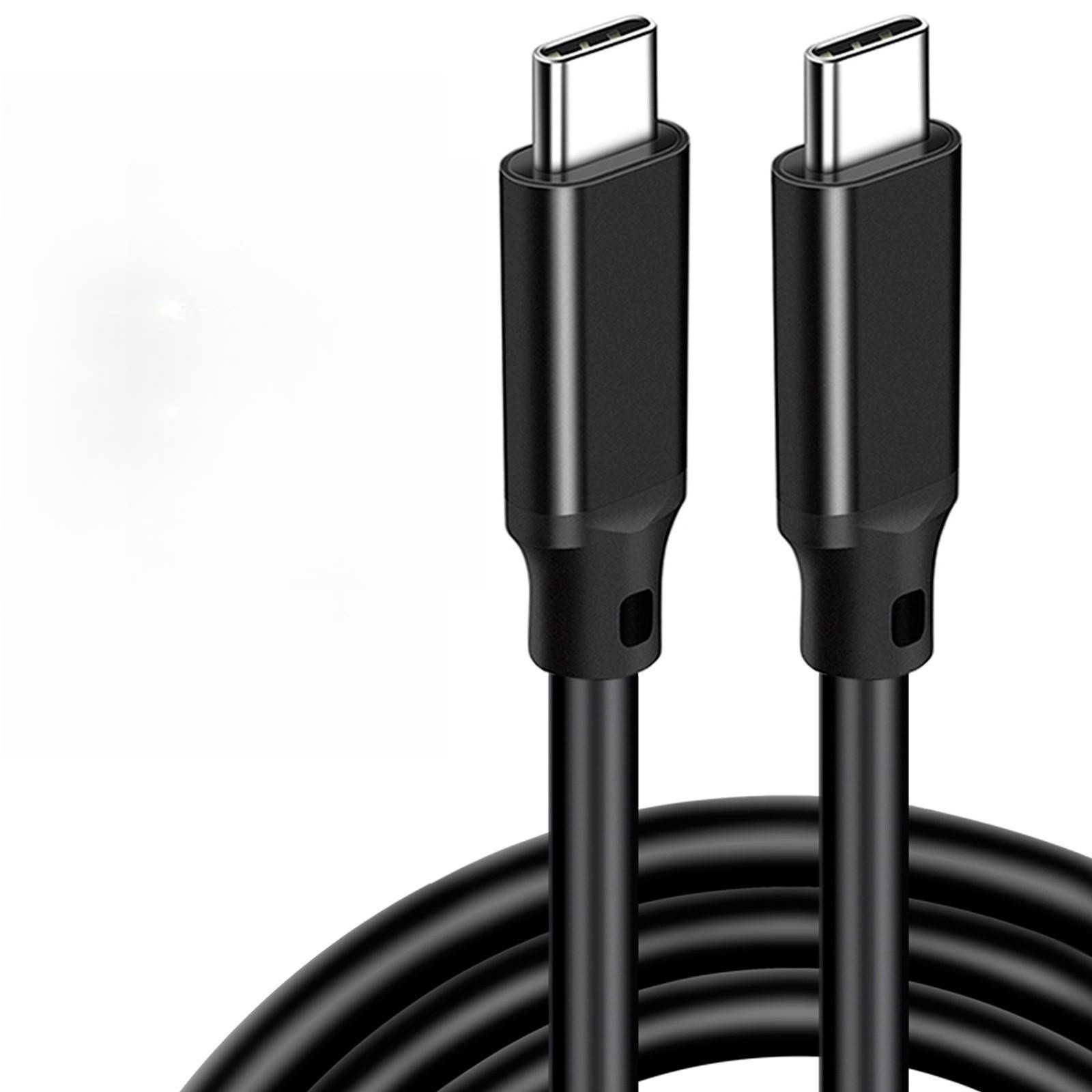
USB Type-C, commonly referred to as Type-C, is a modern and versatile connector interface developed by the USB Implementers Forum (USB-IF). Introduced around 2014, it was designed to replace the array of USB-A, micro USB, and other cables that were prevalent at the time. The Type-C connector is small, robust, and most notably, reversible, eliminating the frustration of plugging cables in the wrong orientation.
Key Features of Type-C Charging Cables
Reversible Design
The Type-C connector’s symmetrical shape allows it to be plugged in either way, making it incredibly user-friendly and eliminating the common frustration of fumbling with cable orientation.
High Power Delivery
Type-C cables can support power delivery up to 240W, thanks to advancements like USB Power Delivery (USB PD) 3.1 Extended Power Range (EPR). This allows for fast charging of devices ranging from smartphones to laptops.
Fast Data Transfer
With data transfer speeds up to 40Gbps under the USB4 specification, Type-C cables are over 80 times faster than traditional USB 2.0’s 480Mbps. This makes them ideal for transferring large files quickly and efficiently.
Versatile Connectivity
Type-C cables can carry not only power but also data, video, and audio signals. They support Alternate Modes (Alt Modes), such as DisplayPort and Thunderbolt, enabling connections to external displays and high-speed data transfers.
How Type-C Charging Cables Work
Power Detection and Negotiation
Type-C cables have a dedicated Configuration Channel (CC) pin that handles power detection and negotiation. This allows Type-C devices to determine when to turn on and negotiate power requirements between the source (power provider) and sink (power consumer). This dynamic power negotiation ensures optimal power delivery and compatibility with older USB devices.
Electronic Marking
Electronically marked cables contain embedded intelligence that communicates with USB ports via the USB PD protocol. This allows the cable to identify its capabilities and power-handling specifications, enabling advanced features like higher power delivery and data transfer rates.
Applications of Type-C Charging Cables
Powering Devices
Type-C cables can charge a wide range of devices, from smartphones and tablets to laptops and even some monitors. Their high power delivery capabilities make them suitable for fast charging demanding devices.
Data Transfer
Their high-speed data transfer capabilities make Type-C cables ideal for transferring large files between devices, such as from a camera to a computer or between two computers.
Video and Audio Output
Using Alt Modes, Type-C cables can connect devices to external displays, projectors, or audio systems. This makes them a convenient all-in-one cable for productivity and entertainment.
Backwards Compatibility
Type-C cables can be used with older USB devices through adapters. They can also coexist with traditional USB products, ensuring seamless integration into existing setups.
Type-C Charging Cables vs Other Charging Cables
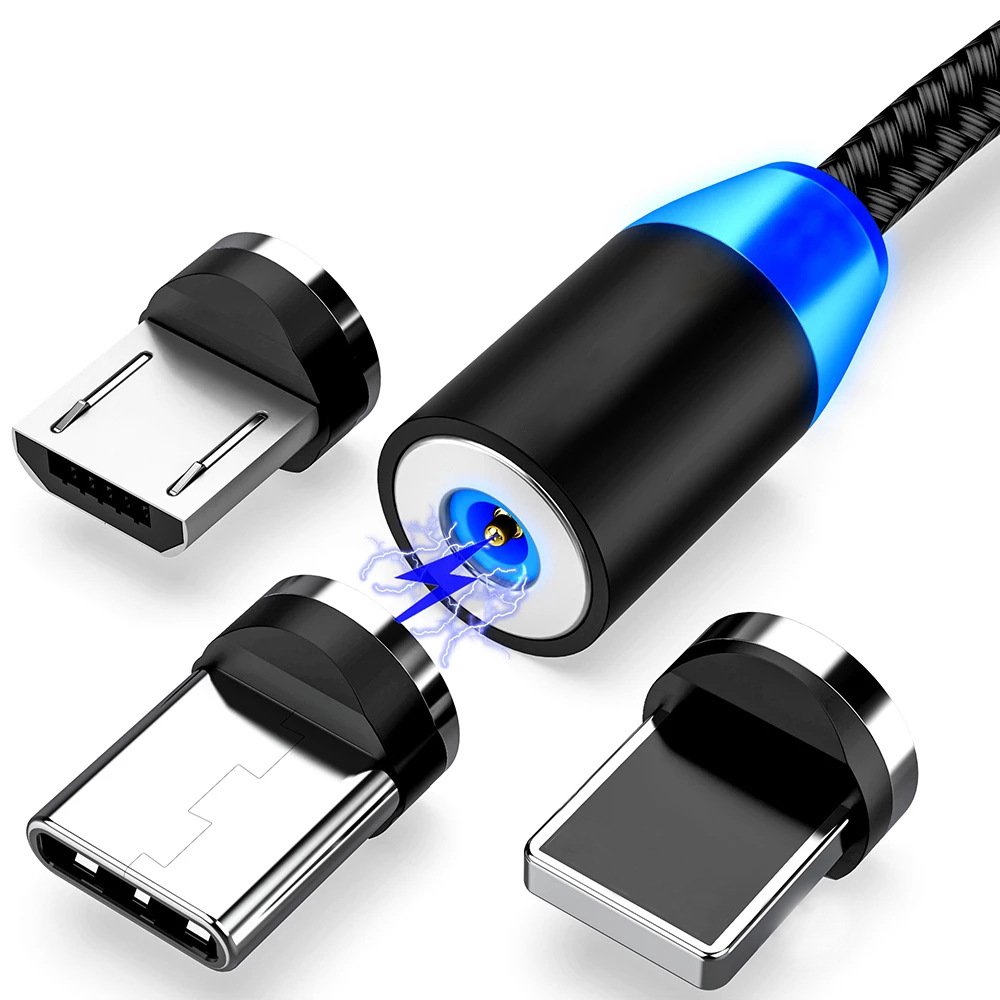
Comparison with USB-A Cables
USB-A cables are directional and cannot be plugged in either way. They also have lower power delivery capabilities (up to 15W) and slower data transfer speeds compared to Type-C cables.
Comparison with Micro USB Cables
Micro USB cables are also directional and have lower power delivery capabilities. They typically support up to 10W and have slower data transfer speeds than Type-C cables.
Comparison with Lightning Cables
Apple’s Lightning cables are proprietary and not as widely adopted as Type-C. While Lightning cables offer good power delivery and data transfer capabilities, Type-C cables are becoming the industry standard due to their versatility and widespread support.
The Future of Type-C Charging Cables
As technology continues to advance, Type-C cables are expected to become even more powerful and versatile. With ongoing improvements in USB Power Delivery and Alt Mode specifications, Type-C cables will likely offer even higher power delivery, faster data transfer speeds, and support for more advanced features. This will further solidify their position as the universal standard for connectivity and power delivery.
Conclusion
Type-C charging cables represent a significant leap forward in connectivity and power delivery technology. Their reversible design, high power delivery, fast data transfer capabilities, and versatile connectivity make them an ideal solution for a wide range of devices and applications. As they continue to evolve, Type-C cables will undoubtedly play a crucial role in shaping the future of how we power and connect our devices.
How to Purchase:https://looperbuy.com/search?keywords=type+c+charging+cable
Related Questions and Answers
Q: What is the maximum power delivery supported by Type-C cables?
A: Type-C cables with USB Power Delivery 3.1 Extended Power Range (EPR) can support up to 240W of power. This allows for fast charging of laptops and other power-intensive devices.
Q: Are Type-C cables compatible with older USB devices?
A: Yes, Type-C cables can be used with older USB devices through adapters. They can also coexist with traditional USB products, ensuring seamless integration into existing setups.
Q: What data transfer speeds can Type-C cables achieve?
A: Type-C cables can achieve data transfer speeds up to 40Gbps under the USB4 specification. This makes them ideal for transferring large files quickly and efficiently.
Q: What is the role of electronic marking in Type-C cables?
A: Electronically marked cables contain embedded intelligence that communicates with USB ports via the USB PD protocol. This allows the cable to identify its capabilities and power-handling specifications, enabling advanced features like higher power delivery and data transfer rates.
Q: Can Type-C cables be used for video output?
A: Yes, Type-C cables can be used for video output using Alternate Modes like DisplayPort. This allows them to connect devices to external displays and other video output devices.
Hot Tags:
Type-C Charging Cable;USB Type-C;Fast Charging;Data Transfer;Power Delivery;Reversible Connector;USB PD;Alternate Modes;Backwards Compatibility;Universal Cable