In the fast-paced world of international trade, selecting the right manufacturing partner is a cornerstone of business success. If you are a brand owner, wholesaler, or producer looking to leverage Chinese manufacturing, understanding the fundamental differences between OEM (Original Equipment Manufacturer) and ODM (Original Design Manufacturer) is non-negotiable. omaska sourceready
Choosing the wrong model can lead to bloated costs, lengthy lead times, or branding disasters. This guide provides a deep dive into what is OEM and ODM, helping you align your production strategy with your business goals.
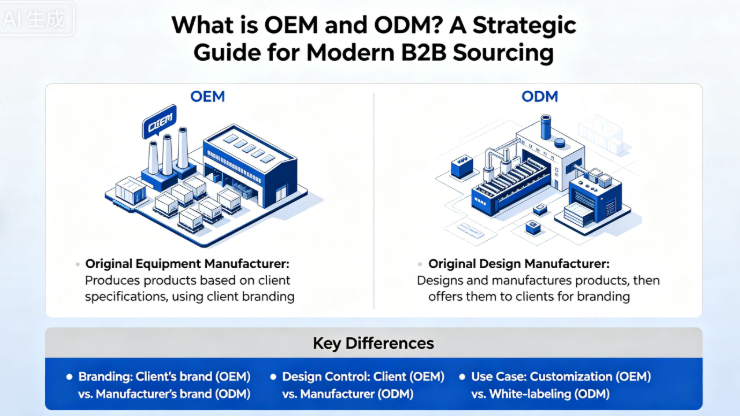
Table of Contents
Understanding the Core Definitions
To make informed sourcing decisions, we must first break down these two manufacturing pillars.
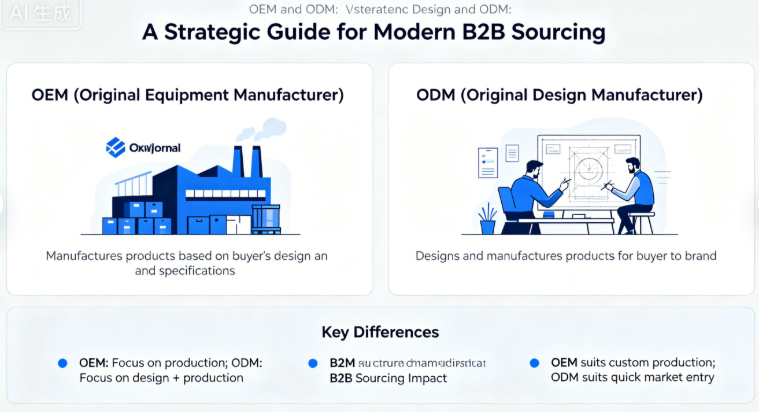
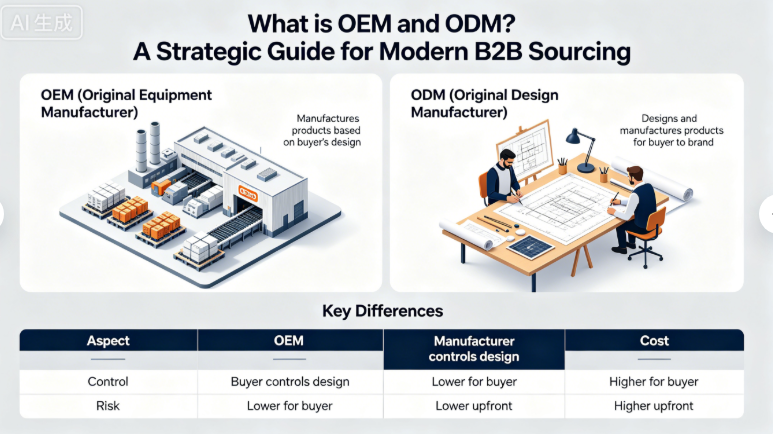
- OEM (Original Equipment Manufacturer): In this model, you hold the intellectual property. You provide the detailed technical specifications, blueprints, and design files to the factory, which then manufactures the product strictly according to your requirements. alibaba viasion
- ODM (Original Design Manufacturer): Often referred to as “private labeling,” this model involves selecting a pre-designed, tested product from a factory’s catalog. The manufacturer owns the design, but you can customize aspects like branding, packaging, and colors to sell it under your own brand. guidedimports unleashedsoftware
Key Differences at a Glance
| Feature | OEM | ODM |
|---|---|---|
| Design Origin | Client (You) | Manufacturer |
| Intellectual Property | You own the design/IP | Manufacturer owns the design |
| Customization | Full control | Limited (branding/packaging) |
| R&D Investment | High | Minimal or none |
| Time-to-Market | Longer | Faster |
(Suggested Placement: Insert a high-quality comparison chart here showing the “Concept to Market” timeline for both models.)
When to Choose OEM: Total Strategic Control
OEM manufacturing is the superior choice for brands that require a unique value proposition that cannot be fulfilled by existing market products. shoplogix
- You Own the IP: If your business is built on a patented, revolutionary design, OEM is the only path that ensures your product is protected and uniquely yours. wevolver
- High Customization Requirements: From proprietary materials to specific component layouts, OEM allows for deep customization that differentiates your brand in a crowded marketplace. unleashedsoftware
- Long-term Brand Differentiation: By controlling every aspect of the build, you prevent competitors from offering a product identical to yours. packsend.com
When to Choose ODM: Speed and Scalability
For many businesses, particularly those scaling fast or testing new niches, ODM manufacturing offers a significantly lower barrier to entry. unleashedsoftware
- Rapid Market Launch: Since the design is already developed and production-tested, you can bring products to market weeks or months faster than with an OEM model. sourceready
- Lower Upfront Costs: You skip expensive R&D phases, tooling costs, and prototyping cycles, making this an ideal choice for startups or testing seasonal products. unleashedsoftware
- Proven Reliability: Since ODMs manufacture these items for various clients, the production process is usually highly optimized, reducing the risk of technical flaws. instagram
Expert Insight: The Hybrid Reality
It is a common misconception that a factory must be only an OEM or only an ODM. sourceready Many professional Chinese manufacturers, particularly in industrial clusters, maintain a robust internal R&D team that manages a catalog of ready-made designs (ODM) while simultaneously providing dedicated capacity for custom client designs (OEM). sourceready
Strategist’s Tip: When vetting suppliers on platforms like LooperBuy, do not just ask “Are you an OEM or ODM?” Instead, ask: “Can you provide your catalog for private labeling, and do you have the engineering capacity to handle custom component modifications if we scale?”
Enhancing Your Sourcing Strategy
Regardless of the model, navigating global sourcing requires more than just picking a factory. You need a frictionless connection to the supply chain.
- Verify Credentials: Use data-driven approaches to validate a factory’s production capacity and compliance certifications. sourceready
- Simplify Logistics: As a B2B buyer, your platform partner should handle the heavy lifting of logistics, ensuring your goods travel from the factory floor to your warehouse efficiently and affordably.
- Maintain Quality Control: Always perform thorough due diligence. Whether you are ordering a ready-made ODM product or a highly custom OEM component, quality control documentation is your safety net. importivity
(Suggested Placement: Insert a photo gallery or video tour showcasing a high-tech manufacturing floor in China.)
Conclusion: Making the Right Call
Choosing between OEM and ODM is not about which model is “better,” but which aligns with your current business phase and strategic goals. OEM offers the ultimate control and brand protection at the cost of higher upfront investment and longer lead times. ODM provides agility, speed, and cost efficiency, perfect for rapid brand expansion and market testing. By leveraging an integrated B2B sourcing platform, you can bridge the gap between these models and access the diverse manufacturing landscape in China with confidence.
Ready to start your sourcing journey? Partner with LooperBuy to access top-tier Chinese manufacturers with streamlined global logistics and competitive pricing.
References
- [1] Alibaba Seller Blog: OEM vs ODM Manufacturing Guide
- [2] Omaska: Which Sourcing Model Maximizes Profit and Control?
- [3] Guided Imports: ODM vs OEM Key Differences
- [5] Importivity: OEM vs ODM Manufacturing Explained
- [6] Packsend: What’s the Difference between ODM and OEM?
- [7] Shoplogix: How To Choose the Best Manufacturing Model
- [8] Wevolver: A Comprehensive Technical Guide for Engineers
- [13] Viasion: What are the Differences Between OEM and ODM?
- [14] Unleashed Software: What’s Best for Manufacturers?
- [15] SourceReady: 2026 Sourcing Guide
Frequently Asked Questions (FAQ)
1. Can a factory be both an OEM and an ODM?
Yes. Many large-scale manufacturers operate both models simultaneously, offering ready-made catalog products (ODM) while also maintaining engineering teams for custom client projects (OEM). sourceready
2. Which is cheaper: OEM or ODM?
ODM is generally cheaper upfront because it eliminates the need for expensive R&D, tooling, and custom prototyping. OEM costs are higher due to the investment required for custom design and development. unleashedsoftware
3. Who owns the intellectual property in an ODM relationship?
In an ODM relationship, the manufacturer typically owns the intellectual property and design. You are effectively licensing the right to brand and sell that specific design. guidedimports unleashedsoftware
4. How do I protect my design in an OEM relationship?
Always sign a manufacturing agreement that clearly defines IP rights, confidentiality, and non-disclosure obligations before sharing technical specifications with the factory. importivity
5. How does LooperBuy help with sourcing?
LooperBuy streamlines the entire B2B sourcing process by connecting buyers directly to reliable manufacturers in China, providing logistics support, and ensuring cost-effective procurement for brands and wholesalers.
Article Summary:
This comprehensive B2B sourcing guide clarifies the critical distinctions between OEM and ODM manufacturing. It provides actionable insights into when to utilize each model for maximum business impact, helping brands and wholesalers optimize their production strategy. Covering everything from IP ownership and R&D costs to speed-to-market advantages, this guide empowers businesses to leverage China’s manufacturing landscape effectively.
Hot tags: B2B sourcing platform, China manufacturing, OEM vs ODM, private label manufacturing, contract manufacturing services, global supply chain, product development, wholesale sourcing, factory direct procurement, intellectual property protection.