Table of Contents
Introduction to Drop Shipping
Drop shipping has become a popular business model in the e-commerce world, allowing entrepreneurs to sell products without holding inventory. While this model offers numerous advantages, it has also attracted its fair share of scams and fraudulent practices. Understanding the potential pitfalls of drop shipping scams is crucial for anyone looking to enter this market. This article will explore the various types of drop shipping scams, how to identify them, and strategies to protect yourself.
What Are Drop Shipping Scams?
Drop shipping scams refer to fraudulent practices that exploit the drop shipping business model. These scams can take many forms, including fake suppliers, misleading marketing tactics, and deceptive product listings. The allure of easy profits can lead inexperienced entrepreneurs into traps set by unscrupulous individuals or companies.
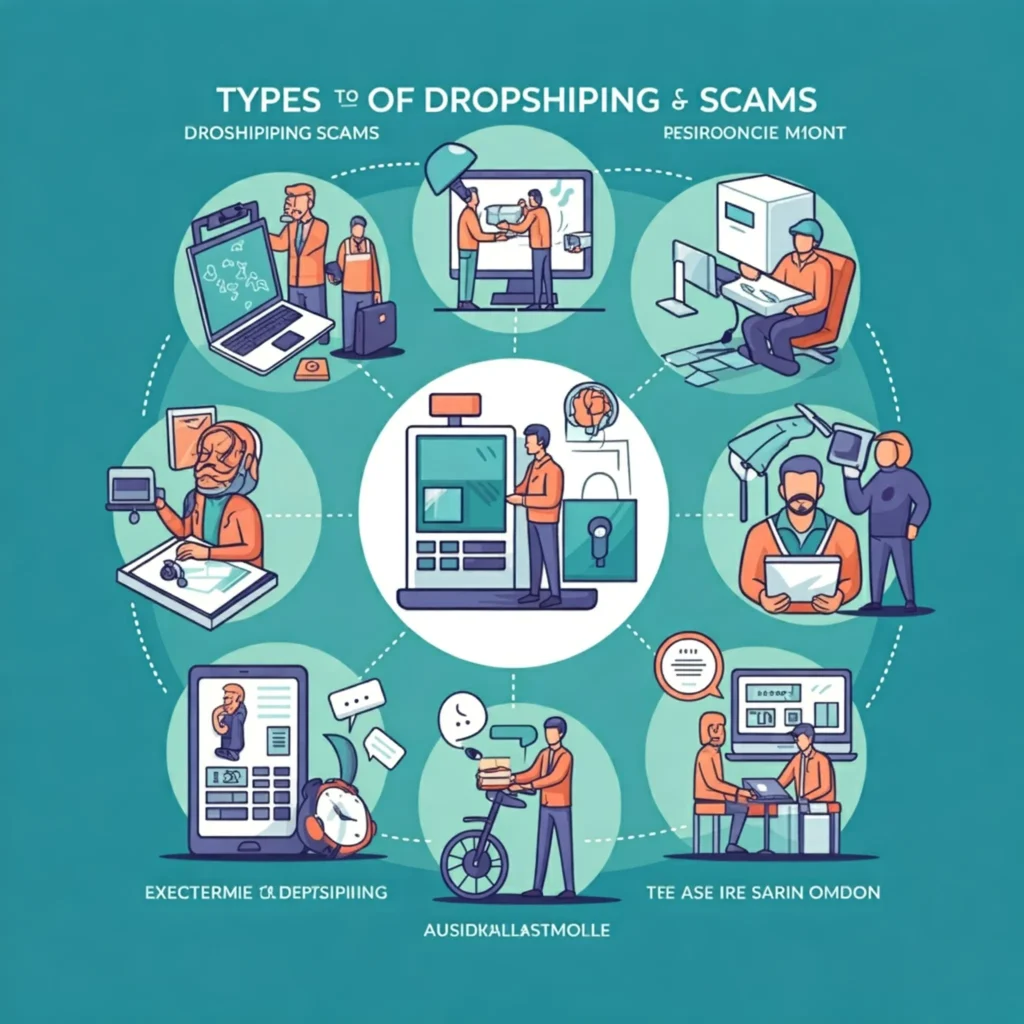
Common Types of Drop Shipping Scams
- Fake Suppliers: Some scammers pose as legitimate suppliers, offering products at unrealistically low prices. Once a business owner places an order, the supplier either fails to deliver the product or sends a subpar item.
- Misleading Marketing: Certain companies use deceptive advertising to lure potential drop shippers. They may promise high profits and low risks, but the reality is often far from what is advertised.
- Phishing Scams: Scammers may create fake websites or emails that mimic legitimate drop shipping platforms. Their goal is to steal personal information or payment details from unsuspecting victims.
- Product Quality Issues: Some drop shippers may source products from unreliable suppliers, leading to poor quality items being sold to customers. This can result in negative reviews and loss of business.
- Subscription Traps: Some services may offer free trials or low-cost subscriptions that automatically renew at high rates, making it difficult for users to cancel.
How to Identify Drop Shipping Scams
Identifying drop shipping scams requires vigilance and research. Here are some key indicators to watch for:
Red Flags to Look Out For
- Unrealistic Promises: If a supplier or service promises guaranteed profits or minimal effort, it’s likely a scam. Legitimate businesses require hard work and dedication.
- Lack of Transparency: Reputable suppliers should provide clear information about their products, shipping times, and return policies. If this information is vague or missing, proceed with caution.
- Poor Reviews: Research potential suppliers and platforms. Look for reviews from other users. If there are numerous complaints about product quality or customer service, it’s best to avoid them.
- High-Pressure Sales Tactics: Scammers often use urgency to pressure individuals into making quick decisions. If you feel rushed or coerced, take a step back and reassess.
- Suspicious Payment Methods: Be wary of suppliers that only accept unconventional payment methods, such as wire transfers or cryptocurrency. Legitimate businesses typically offer secure payment options.
Protecting Yourself from Drop Shipping Scams
While the drop shipping model can be lucrative, it’s essential to take steps to protect yourself from scams. Here are some strategies to consider:
Conduct Thorough Research
Before partnering with any supplier, conduct extensive research. Look for reviews, testimonials, and any red flags that may indicate a scam. Use platforms like Trustpilot or Google Reviews to gather insights from other users.
Verify Supplier Credentials
Check the legitimacy of suppliers by verifying their business credentials. Look for contact information, physical addresses, and business licenses. A reputable supplier should have a professional website and clear communication channels.
Start Small
When entering the drop shipping market, start with a small number of products. This approach allows you to test suppliers and their products without significant financial risk. Once you establish a reliable supplier, you can expand your product range.
Use Secure Payment Methods
Always use secure payment methods when purchasing products from suppliers. Credit cards and reputable payment platforms like PayPal offer buyer protection, making it easier to dispute fraudulent transactions.
Stay Informed
Stay updated on the latest trends and scams in the drop shipping industry. Join online forums, attend webinars, and read articles to keep your knowledge current. Awareness is your best defense against scams.
Conclusion
Drop shipping can be a rewarding business model, but it is not without its risks. By understanding the types of scams that exist and taking proactive measures to protect yourself, you can navigate the drop shipping landscape more safely. Always conduct thorough research, verify suppliers, and remain vigilant to ensure your success in this competitive market.
As you explore the world of drop shipping, remember that finding trustworthy suppliers and quality products is key to your success. Discover a wide range of reliable products at competitive prices at https://looperbuy.com/.
Related Questions & Answers
· What are the signs of a drop shipping scam? Signs of a drop shipping scam include unrealistic promises, lack of transparency, poor reviews, high-pressure sales tactics, and suspicious payment methods.
· How can I find reliable drop shipping suppliers? To find reliable suppliers, conduct thorough research, check reviews, verify credentials, and start with a small number of products to test their reliability.
· What should I do if I fall victim to a drop shipping scam? If you fall victim to a scam, contact your bank or credit card company to dispute the transaction, report the scam to relevant authorities, and consider sharing your experience to warn others.
· Are there any legal protections for drop shippers? Yes, there are legal protections for consumers, including the right to dispute fraudulent transactions and protections against false advertising. However, it’s essential to understand the specific laws in your jurisdiction.
· Can I still succeed in drop shipping despite the risks? Yes, many entrepreneurs succeed in drop shipping by conducting thorough research, choosing reliable suppliers, and implementing effective marketing strategies while remaining vigilant against scams.
Hot Tags: Drop Shipping; E-commerce Scams; Supplier Verification; Online Business; Fraud Prevention; Business Strategies; Consumer Protection; Market Research; Digital Marketing