Table of Contents
Introduction to Drop Shipping
Drop shipping has emerged as a popular business model in the e-commerce landscape, allowing entrepreneurs to sell products without holding inventory. This model offers flexibility and lower upfront costs, making it an attractive option for many. However, one of the critical aspects that can significantly impact the profitability of a drop shipping business is the drop shipping rates. Understanding these rates is essential for anyone looking to succeed in this competitive market.
What Are Drop Shipping Rates?
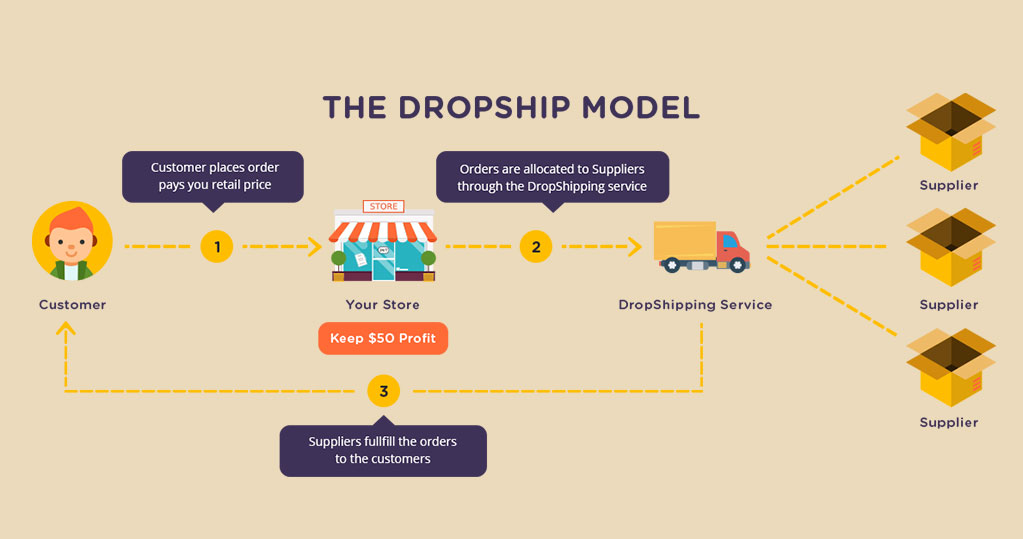
Drop shipping rates refer to the costs associated with fulfilling orders through a drop shipping model. These rates can vary widely based on several factors, including the supplier, shipping method, destination, and product type. Understanding these rates is crucial for pricing products effectively and maintaining healthy profit margins.
Factors Influencing Drop Shipping Rates
- Supplier Pricing: Different suppliers have varying pricing structures. Some may charge a flat rate, while others may have tiered pricing based on order volume. It’s essential to compare multiple suppliers to find the best rates.
- Shipping Method: The choice of shipping method can significantly affect rates. Expedited shipping options tend to be more expensive than standard shipping. Offering multiple shipping options can cater to different customer needs.
- Destination: Shipping costs can vary based on the destination. International shipping is generally more expensive than domestic shipping. Understanding the geographical areas you plan to serve can help in estimating costs.
- Product Weight and Dimensions: Heavier and larger items typically incur higher shipping costs. Understanding the weight and size of products is essential for accurate rate calculations.
- Packaging Costs: Some suppliers may charge for special packaging, which can add to the overall shipping costs. Consider how packaging can affect both costs and customer satisfaction.
How to Calculate Drop Shipping Rates
Calculating drop shipping rates involves considering all the factors mentioned above. Here’s a step-by-step guide to help you determine the rates for your drop shipping business.
Step 1: Identify Your Suppliers
Start by identifying potential suppliers and their pricing structures. Look for suppliers that offer competitive rates and reliable shipping options. Researching reviews and testimonials can provide insights into their reliability.
Step 2: Determine Shipping Methods
Evaluate the shipping methods available through your suppliers. Consider factors such as delivery speed, reliability, and cost. It’s often beneficial to offer multiple shipping options to customers, allowing them to choose based on their preferences.
Step 3: Calculate Shipping Costs
Use the following formula to calculate shipping costs:
Shipping Cost = Base Rate + (Weight x Rate per Pound) + Additional Fees
Make sure to account for any additional fees that may apply, such as handling or packaging fees. This formula can help you create a more accurate pricing model.
Step 4: Factor in Destination Costs
Consider the destination of your shipments. Use shipping calculators provided by carriers to estimate costs based on different locations. This step is crucial for international shipping, where costs can vary significantly.
Step 5: Set Your Pricing Strategy
Once you have a clear understanding of your drop shipping rates, you can set your pricing strategy. Ensure that your prices cover all costs while remaining competitive in the market. Consider using psychological pricing strategies, such as pricing items just below a round number (e.g., $19.99 instead of $20).
Common Drop Shipping Rate Structures
Understanding the common structures of drop shipping rates can help you make informed decisions. Here are some of the most prevalent structures:
Flat Rate Shipping
Flat rate shipping involves charging a single shipping fee regardless of the order size or destination. This structure simplifies the pricing process for both sellers and customers. It can be particularly effective for small, lightweight items.
Variable Rate Shipping
Variable rate shipping charges customers based on the weight, dimensions, and destination of their orders. This method can be more accurate but may lead to confusion for customers if not clearly communicated. Providing a shipping calculator on your website can help clarify costs.
Free Shipping
Offering free shipping can be an effective marketing strategy. However, it’s essential to factor the shipping costs into your product prices to maintain profitability. Many businesses set a minimum order threshold to qualify for free shipping, encouraging larger purchases.
Tips for Reducing Drop Shipping Rates
Reducing drop shipping rates can enhance your profit margins. Here are some strategies to consider:
Negotiate with Suppliers
Building strong relationships with suppliers can lead to better pricing and shipping rates. Don’t hesitate to negotiate terms that work for both parties. Many suppliers are willing to offer discounts for bulk orders or long-term partnerships.
Optimize Shipping Methods
Evaluate different shipping carriers and methods to find the most cost-effective options. Sometimes, using a combination of carriers can yield better rates. Consider using regional carriers for local deliveries, as they may offer lower rates than national carriers.
Use Shipping Software
Investing in shipping software can help automate the rate calculation process, ensuring accuracy and efficiency. Many platforms offer features that allow you to compare rates from multiple carriers, helping you choose the best option for each order.
Offer Bulk Discounts
Encouraging customers to purchase in bulk can help offset shipping costs. Consider offering discounts for larger orders to incentivize this behavior. This strategy not only increases your average order value but also reduces the per-unit shipping cost.
Monitor Shipping Performance
Regularly review your shipping performance metrics, such as delivery times and costs. This data can help you identify areas for improvement and make informed decisions about your shipping strategy.
The Importance of Customer Communication
Effective communication with customers regarding shipping rates and policies is crucial. Transparency can build trust and enhance customer satisfaction. Here are some best practices:
Clear Shipping Policies
Ensure that your shipping policies are clearly stated on your website. Include information about shipping rates, delivery times, and return policies. This transparency can help manage customer expectations.
Real-Time Tracking
Providing real-time tracking information can enhance the customer experience. Customers appreciate being able to track their orders and know when to expect delivery.
Responsive Customer Service
Having a responsive customer service team can address any shipping-related inquiries or issues promptly. This support can significantly improve customer satisfaction and loyalty.
Conclusion
Understanding drop shipping rates is crucial for anyone looking to succeed in the e-commerce space. By considering the various factors that influence these rates and implementing strategies to manage them effectively, you can enhance your profitability and provide better value to your customers. As the drop shipping landscape continues to evolve, staying informed about shipping costs and trends will be key to maintaining a competitive edge.
As you navigate the world of drop shipping, remember that finding the right products at competitive rates can significantly enhance your business success. Discover a wide range of quality products at unbeatable prices at https://looperbuy.com/.
Related Questions & Answers
· What are the best strategies for negotiating drop shipping rates with suppliers? Building strong relationships with suppliers, researching market rates, and being transparent about your business needs can help you negotiate better terms. Consider discussing bulk order discounts or long-term partnerships for more favorable rates.
· How does the choice of packaging influence drop shipping costs and customer satisfaction? The choice of packaging can affect shipping costs due to weight and dimensions. Additionally, high-quality packaging can enhance customer satisfaction by ensuring products arrive safely and in good condition, which can lead to repeat business.
· What are the long-term trends in drop shipping rates and their impact on e-commerce? Long-term trends indicate that as e-commerce grows, competition among shipping providers may lead to lower rates. However, factors like fuel prices and global supply chain issues can also impact rates, making it essential for businesses to stay adaptable.
· How can I effectively communicate shipping costs to my customers? Clearly display shipping costs on your website, provide a shipping calculator, and ensure your policies are easy to understand. Transparency helps manage customer expectations and builds trust.
· What role does customer feedback play in optimizing drop shipping rates? Customer feedback can provide insights into shipping experiences, helping you identify areas for improvement. Addressing concerns and making adjustments based on feedback can enhance customer satisfaction and loyalty.
Hot Tags: Drop Shipping; Shipping Costs; E-commerce; Supplier Negotiation; Shipping Methods; Profit Margins; Online Retail; Inventory Management; Business Strategies