Table of Contents
Introduction to Drop Shipping Sales Tax
In the world of e-commerce, understanding sales tax is crucial for any business model, including drop shipping. As an entrepreneur, navigating the complexities of sales tax can be daunting, especially when you are selling products across different states or countries. This article aims to demystify drop shipping sales tax, providing you with the knowledge you need to ensure compliance and optimize your business operations.
What is Drop Shipping?
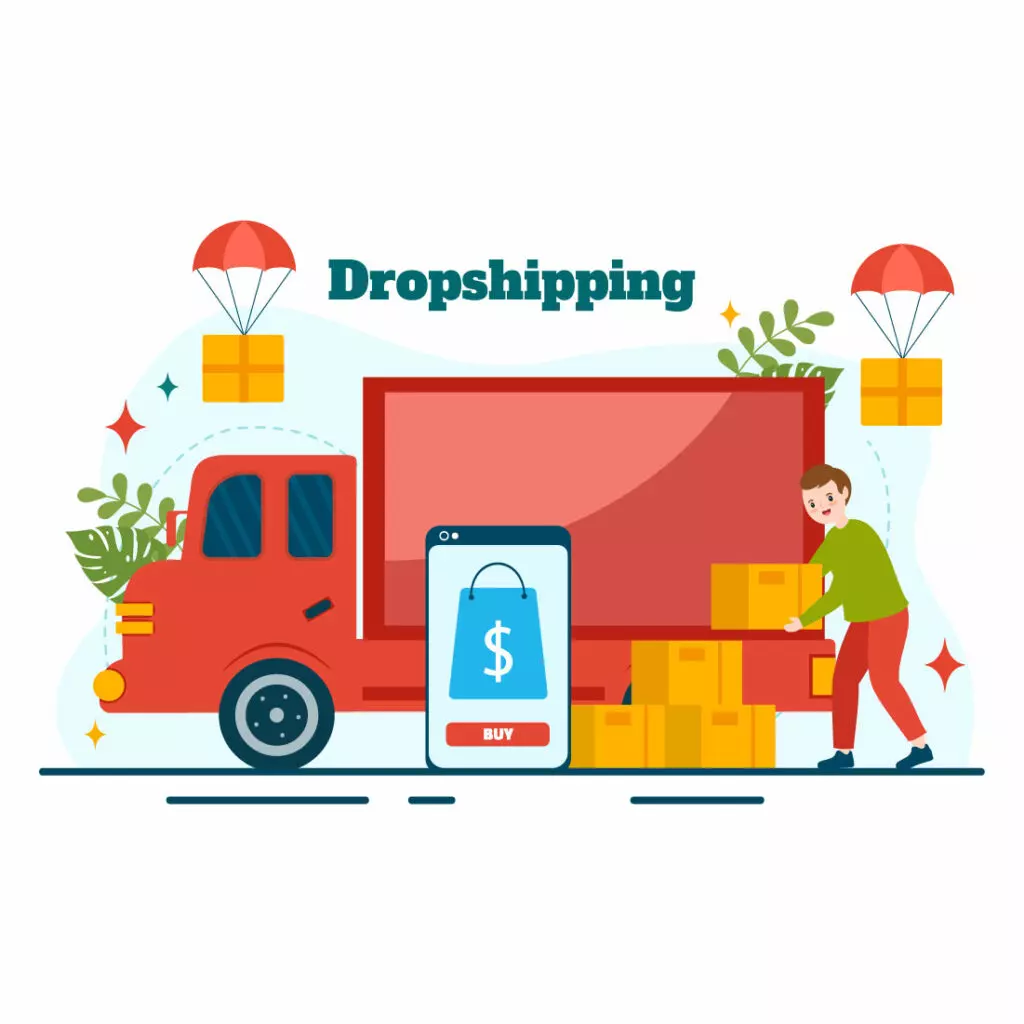
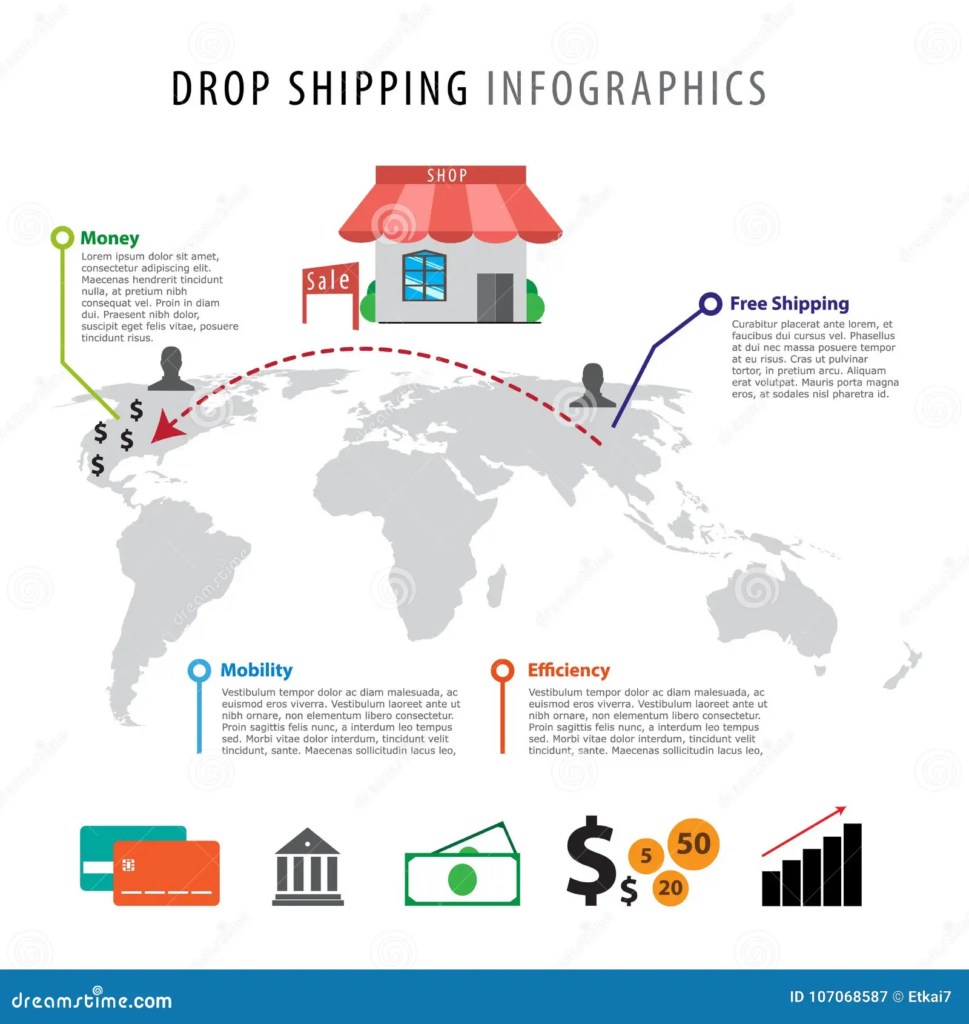
Drop shipping is a retail fulfillment method where the seller does not keep the products in stock. Instead, when a store sells a product, it purchases the item from a third party and has it shipped directly to the customer. This model allows entrepreneurs to start an online business with minimal upfront investment, as they do not need to purchase inventory in advance.
The Importance of Understanding Sales Tax
Sales tax is a consumption tax imposed by the government on the sale of goods and services. For drop shippers, understanding sales tax is essential for several reasons:
- Legal Compliance: Failing to collect and remit sales tax can lead to legal issues and penalties.
- Financial Planning: Knowing your sales tax obligations helps in accurate financial forecasting and pricing strategies.
- Customer Trust: Transparency in pricing, including sales tax, builds trust with customers.
How Sales Tax Works in Drop Shipping
Sales tax is typically determined by the location of the buyer and the seller. In the context of drop shipping, several factors influence how sales tax is applied.
Nexus and Its Implications
Nexus refers to the connection between a business and a state that requires the business to collect sales tax. In the drop shipping model, nexus can be established in various ways:
- Physical Presence: If you have a physical location, such as a warehouse or office, in a state, you are likely required to collect sales tax in that state.
- Economic Nexus: Many states have adopted economic nexus laws, which require businesses to collect sales tax if they exceed a certain threshold of sales or transactions in that state, even without a physical presence.
Determining Sales Tax Rates
Sales tax rates vary by state and sometimes even by locality. Here are some key points to consider:
- State Sales Tax: Each state sets its own sales tax rate, which can range from 0% to over 10%.
- Local Sales Tax: Some cities and counties impose additional sales taxes on top of the state rate, leading to varying rates within the same state.
- Product Taxability: Not all products are taxed equally. Some states exempt certain items, such as clothing or food, from sales tax.
Collecting Sales Tax in Drop Shipping
Once you understand the implications of nexus and sales tax rates, the next step is to implement a system for collecting sales tax.
Setting Up Your E-commerce Platform
Most e-commerce platforms, such as Shopify or WooCommerce, offer built-in tools to help you manage sales tax collection. Here’s how to set it up:
- Configure Tax Settings: Enable tax calculations in your e-commerce settings and specify the states where you have nexus.
- Automate Tax Calculation: Use tax automation tools that integrate with your platform to ensure accurate tax calculations based on the buyer’s location.
Communicating Sales Tax to Customers
Transparency is key when it comes to sales tax. Here are some best practices:
- Display Tax Information: Clearly indicate whether prices include sales tax or if it will be added at checkout.
- Provide a Breakdown: Show customers a breakdown of the sales tax applied to their order during the checkout process.
Remitting Sales Tax
Collecting sales tax is only part of the process; you must also remit it to the appropriate tax authorities.
Filing Sales Tax Returns
Sales tax returns must be filed periodically, depending on the state’s requirements. Here are some steps to follow:
- Keep Accurate Records: Maintain detailed records of sales tax collected, including invoices and transaction details.
- Know Your Filing Frequency: States may require monthly, quarterly, or annual filings based on your sales volume.
- Use Tax Software: Consider using tax software to simplify the filing process and ensure compliance.
Understanding Penalties for Non-Compliance
Failing to collect or remit sales tax can result in significant penalties, including:
- Fines and Interest: States may impose fines and interest on unpaid sales tax.
- Legal Action: Continued non-compliance can lead to legal action against your business.
Sales Tax Exemptions in Drop Shipping
Certain customers may qualify for sales tax exemptions, which can affect how you handle sales tax in your drop shipping business.
Who Qualifies for Exemptions?
Common exemptions include:
- Resale Certificates: Businesses purchasing products for resale can provide a resale certificate to avoid paying sales tax.
- Non-Profit Organizations: Many states exempt non-profit organizations from sales tax on purchases.
How to Handle Exempt Sales
When dealing with exempt sales, follow these steps:
- Collect Documentation: Always collect the necessary documentation, such as resale certificates, to substantiate the exemption.
- Maintain Records: Keep detailed records of exempt sales for your tax filings.
Common Mistakes to Avoid When Managing Drop Shipping Sales Tax
Navigating sales tax can be complex, and there are several common pitfalls that drop shippers should avoid.
Ignoring Nexus Laws
One of the biggest mistakes is failing to understand where you have nexus. This can lead to unintentional non-compliance and potential penalties. Always stay informed about the nexus laws in the states where you sell.
Not Keeping Accurate Records
Accurate record-keeping is essential for sales tax compliance. Failing to maintain detailed records of sales tax collected can complicate your tax filings and lead to discrepancies.
Overlooking Local Tax Rates
Many drop shippers focus solely on state sales tax rates and overlook local taxes. Ensure you are aware of any additional local taxes that may apply to your sales.
How Technology Can Simplify Drop Shipping Sales Tax Compliance
Leveraging technology can significantly ease the burden of managing sales tax in your drop shipping business.
Tax Automation Software
Using tax automation software can streamline the process of calculating, collecting, and remitting sales tax. These tools can automatically update tax rates based on the latest regulations and help you file returns accurately.
E-commerce Platform Integrations
Many e-commerce platforms offer integrations with tax compliance tools. These integrations can simplify the process of managing sales tax by automating calculations and providing real-time updates.
Reporting and Analytics Tools
Utilizing reporting and analytics tools can help you track sales tax collected and identify trends in your sales data. This information can be invaluable for making informed business decisions and ensuring compliance.
The Long-Term Implications of Sales Tax Compliance for Drop Shipping Businesses
Understanding and managing sales tax compliance is not just a short-term concern; it has long-term implications for your business.
Building Customer Trust
By being transparent about sales tax and ensuring compliance, you build trust with your customers. This trust can lead to repeat business and positive word-of-mouth referrals.
Avoiding Legal Issues
Proactively managing sales tax compliance helps you avoid legal issues that can arise from non-compliance. This not only protects your business but also allows you to focus on growth and expansion.
Enhancing Business Reputation
A business that is known for its compliance and transparency is more likely to attract customers. A strong reputation can differentiate you from competitors and contribute to long-term success.
Determining Sales Tax Obligations When Drop Shipping Internationally
When expanding your drop shipping business internationally, understanding sales tax obligations becomes even more complex. Different countries have varying tax laws, and compliance is crucial to avoid penalties.
Researching International Tax Laws
Before selling internationally, research the tax laws of the countries you plan to sell in. Some key considerations include:
- Value Added Tax (VAT): Many countries impose VAT on goods sold, which may require you to register for VAT in those countries.
- Import Duties: Be aware of any import duties that may apply to products shipped internationally, as these can affect pricing and customer satisfaction.
Working with International Suppliers
If you are sourcing products from international suppliers, ensure they understand the tax implications of shipping to different countries. This collaboration can help streamline the process and ensure compliance.
Best Tools for Automating Sales Tax Compliance for Drop Shipping Businesses
To effectively manage sales tax compliance, consider utilizing the following tools:
TaxJar
TaxJar is a popular sales tax automation tool that integrates with various e-commerce platforms. It helps businesses calculate sales tax, generate reports, and file returns automatically.
Avalara
Avalara offers comprehensive tax compliance solutions, including sales tax calculation, exemption certificate management, and filing services. It is suitable for businesses of all sizes and can handle complex tax scenarios.
QuickBooks
QuickBooks is a widely used accounting software that includes sales tax tracking features. It allows businesses to manage their finances while ensuring compliance with sales tax regulations.
Shopify Tax Settings
For Shopify users, the platform provides built-in tax settings that allow you to configure tax rates based on your business location and where you sell. This feature simplifies the process of managing sales tax for drop shipping businesses.
Conclusion
Understanding drop shipping sales tax is essential for any e-commerce entrepreneur. By grasping the concepts of nexus, sales tax rates, and compliance requirements, you can effectively manage your sales tax obligations. Implementing a robust system for collecting and remitting sales tax will not only keep you compliant but also enhance your business’s credibility. As you navigate the complexities of sales tax, remember that staying informed and proactive is key to your success in the drop shipping industry.
As you navigate the complexities of drop shipping sales tax, remember that finding the right products at competitive prices can enhance your business success—explore the best deals and elevate your shopping experience at LooperBuy.
Article Summary
This article provides a comprehensive overview of drop shipping sales tax, covering essential topics such as nexus, sales tax rates, collection methods, and compliance requirements. It emphasizes the importance of understanding sales tax for legal compliance and financial planning, while also offering practical tips for managing sales tax in a drop shipping business. Additionally, it discusses common mistakes to avoid, the role of technology in compliance, and the implications of international sales tax.
Hot Tags: Drop Shipping; Sales Tax Compliance; E-commerce Taxation; Nexus Laws; Tax Automation; Sales Tax Exemptions; Online Business; Tax Filing; E-commerce Strategies; International Sales Tax; VAT Compliance; Tax Software; Sales Tax Tools; Customer Trust; Business Reputation; Financial Planning; E-commerce Growth; Compliance Management; Tax Reporting; Business Expansion; Digital Commerce
Related Questions & Answers
· What are the most common sales tax mistakes made by drop shippers?
Common mistakes include failing to understand nexus laws, not keeping accurate records, and overlooking local tax rates.
· How can I determine my sales tax obligations when drop shipping internationally?
Research the tax laws of the countries you plan to sell in, including VAT and import duties, to ensure compliance.
· What are the best tools for automating sales tax compliance for drop shipping businesses?
Popular tools include TaxJar, Avalara, QuickBooks, and built-in tax settings in e-commerce platforms like Shopify.
· How do I handle sales tax for digital products in drop shipping?
Sales tax for digital products varies by state and country. Research the specific tax laws applicable to digital goods in your target markets.
· What should I do if I realize I haven’t been collecting sales tax?
Consult a tax professional to understand your options for compliance and potential penalties, and consider implementing a system for future sales tax collection.