Table of Contents
Understanding Drop Shipping
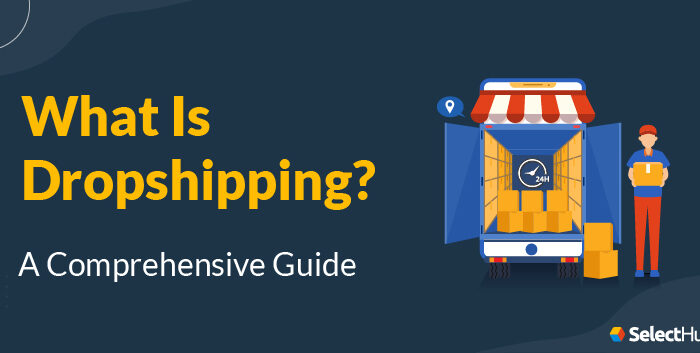
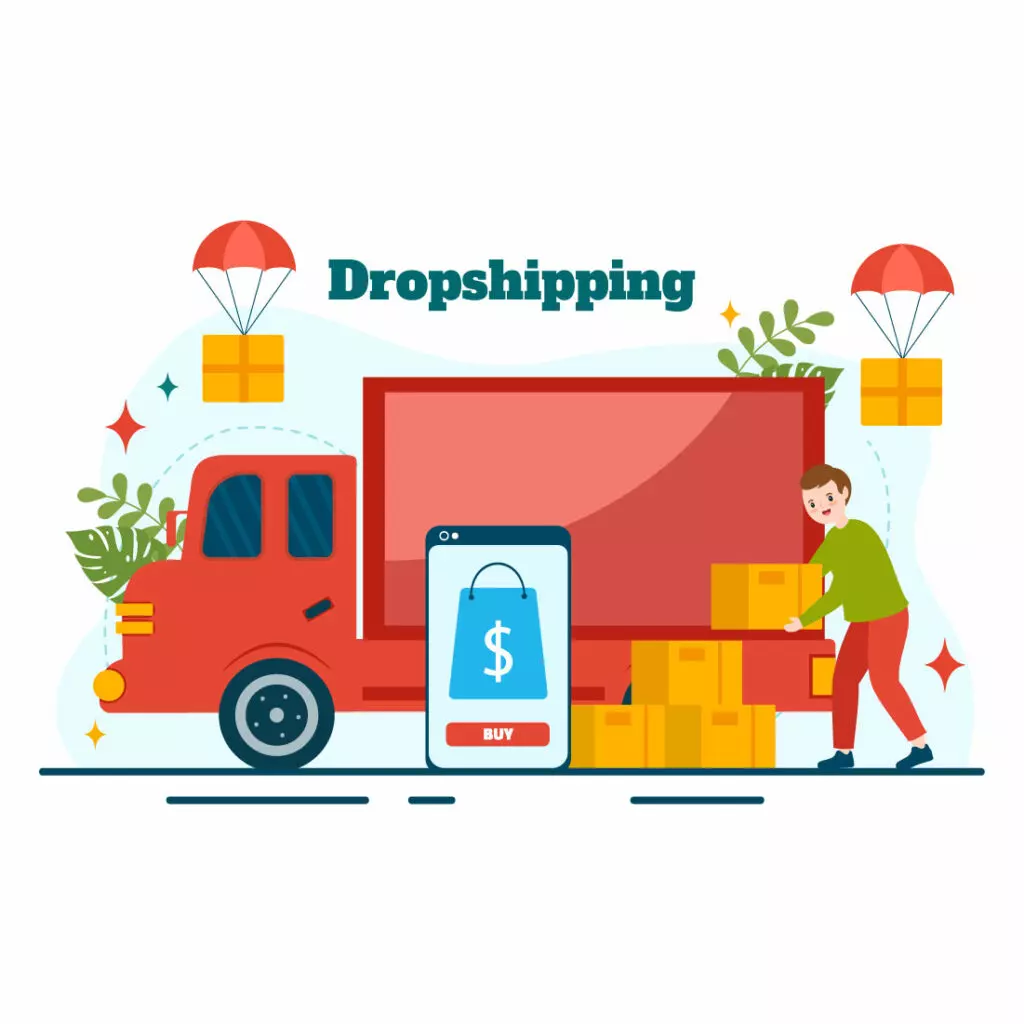
Drop shipping is a retail fulfillment method where a store doesn’t keep the products it sells in stock. Instead, when a store sells a product, it purchases the item from a third party and has it shipped directly to the customer. This model has gained immense popularity due to its low overhead costs and the ability to offer a wide range of products without the need for inventory management.

The Rise of Drop Shipping
The rise of e-commerce has significantly contributed to the popularity of drop shipping. With platforms like Shopify, WooCommerce, and others, entrepreneurs can easily set up online stores and start selling products without the complexities of traditional retail. The flexibility and scalability of drop shipping make it an attractive option for many.
How Drop Shipping Works
In a typical drop shipping scenario, the process involves several key steps:
- Customer Places an Order: A customer visits an online store and places an order for a product.
- Store Receives the Order: The online store receives the order and processes the payment.
- Order is Forwarded to Supplier: The store forwards the order details to the supplier or manufacturer.
- Supplier Ships the Product: The supplier packages and ships the product directly to the customer.
- Customer Receives the Product: The customer receives the product without ever knowing that it came from a third party.
This model allows retailers to focus on marketing and customer service while leaving inventory management and shipping logistics to suppliers.
The Importance of Reviews in Drop Shipping
Reviews play a crucial role in the drop shipping business model. They not only influence customer purchasing decisions but also impact the overall reputation of the online store. Positive reviews can lead to increased sales, while negative reviews can deter potential customers.
Building Trust Through Reviews
In the world of e-commerce, trust is paramount. Customers are more likely to purchase from a store that has positive reviews. Here are some ways reviews can help build trust:
- Social Proof: Positive reviews serve as social proof, indicating that other customers have had a good experience with the store.
- Transparency: Honest reviews provide transparency about the quality of products and services, helping customers make informed decisions.
- Feedback Loop: Reviews offer valuable feedback to store owners, allowing them to improve their offerings and customer service.
Types of Reviews
There are several types of reviews that can be beneficial for drop shipping businesses:
- Product Reviews: These reviews focus on the quality, functionality, and performance of specific products.
- Store Reviews: These reviews evaluate the overall shopping experience, including website usability, customer service, and shipping times.
- Supplier Reviews: Reviews of suppliers can help store owners choose reliable partners for their drop shipping needs.
How to Encourage Customer Reviews
Encouraging customers to leave reviews can be challenging, but there are effective strategies to increase the likelihood of receiving feedback.
Timing is Key
Timing plays a crucial role in soliciting reviews. The best time to ask for a review is shortly after the customer has received their product. At this point, they are likely to have a fresh impression of their experience.
Make it Easy
Simplifying the review process can significantly increase the number of reviews you receive. Consider the following:
- Follow-Up Emails: Send automated follow-up emails after a purchase, thanking customers and inviting them to leave a review.
- User-Friendly Platforms: Use platforms that make it easy for customers to leave reviews, such as Google Reviews, Yelp, or your own website.
Incentivize Reviews
Offering incentives can motivate customers to leave reviews. Consider providing discounts, loyalty points, or entry into a giveaway for those who take the time to share their thoughts.
Analyzing Drop Shipping Reviews
Once you start receiving reviews, it’s essential to analyze them to gain insights into your business performance.
Identifying Trends
Look for patterns in the reviews. Are there common praises or complaints? Identifying trends can help you understand what aspects of your business are working well and what needs improvement.
Responding to Reviews
Engaging with customers who leave reviews, whether positive or negative, is crucial. Responding to reviews shows that you value customer feedback and are committed to improving their experience.
- Thank Positive Reviewers: Acknowledge and thank customers who leave positive feedback. This encourages them to return and shop again.
- Address Negative Reviews: Responding to negative reviews with empathy and a willingness to resolve issues can turn a dissatisfied customer into a loyal one.
Legal Considerations for Managing Drop Shipping Reviews
As you navigate the world of drop shipping, it’s essential to be aware of the legal considerations surrounding customer reviews. Mismanagement of reviews can lead to legal repercussions, including lawsuits and penalties.
Compliance with Advertising Standards
In many jurisdictions, businesses are required to comply with advertising standards that prohibit false or misleading claims. This includes ensuring that reviews are genuine and not fabricated. Businesses should avoid incentivizing reviews in a way that could be perceived as deceptive.
Privacy Concerns
When collecting reviews, it’s crucial to respect customer privacy. Ensure that you have a clear privacy policy in place that outlines how customer data will be used and protected. Avoid sharing personal information without consent.
Handling Negative Reviews Legally
When responding to negative reviews, be cautious about your language. Avoid making defamatory statements or personal attacks. Instead, focus on addressing the customer’s concerns and offering solutions.
Identifying and Handling Fake or Biased Reviews
The integrity of your review system is vital for maintaining trust with your customers. Unfortunately, fake or biased reviews can undermine this trust. Here are some strategies to identify and handle such reviews:
Recognizing Red Flags
Look for signs of fake reviews, such as:
- Generic Language: Reviews that lack specific details about the product or experience may be fake.
- Unusual Patterns: A sudden influx of reviews in a short period can indicate manipulation.
- Reviewer Profiles: Check the profiles of reviewers. Profiles with no history or multiple reviews in a short time frame may be suspicious.
Reporting and Removing Fake Reviews
If you identify fake reviews, report them to the platform where they were posted. Most review platforms have policies in place to handle fraudulent reviews. Additionally, consider implementing a verification process for reviews to ensure authenticity.
Tools and Platforms for Review Management
Managing reviews can be a daunting task, especially as your business grows. Fortunately, several tools and platforms can help automate the review collection and analysis process.
Review Management Software
Consider using review management software that allows you to collect, analyze, and respond to reviews from a single dashboard. Popular options include:
- Trustpilot: A widely used platform that helps businesses collect and manage customer reviews.
- Yotpo: A comprehensive review management tool that integrates with e-commerce platforms to streamline the review process.
- Feefo: A platform that focuses on collecting verified reviews to ensure authenticity.
Analytics Tools
Utilizing analytics tools can help you gain insights into customer sentiment and trends. Tools like Google Analytics can track customer behavior and correlate it with review data, providing a comprehensive view of your business performance.
The Role of Social Media in Reviews
Social media has transformed the way customers share their experiences and opinions about products and services. Platforms like Facebook, Instagram, and Twitter allow customers to post reviews and feedback in real-time, which can significantly impact a drop shipping business.
Leveraging Social Media for Reviews
Businesses can leverage social media to encourage reviews and engage with customers. Here are some strategies:
- Create Shareable Content: Encourage customers to share their experiences on social media by creating engaging content that they can easily share.
- Use Hashtags: Develop a unique hashtag for your brand that customers can use when posting about their purchases. This can help you track and showcase user-generated content.
- Engage with Customers: Respond to comments and messages on social media promptly. Engaging with customers can encourage them to leave positive reviews.
Monitoring Social Media Reviews
It’s essential to monitor social media platforms for reviews and feedback. Use social listening tools to track mentions of your brand and respond to customer inquiries or complaints. This proactive approach can help you manage your online reputation effectively.
The Impact of Influencer Marketing on Reviews
Influencer marketing has become a powerful tool for drop shipping businesses. Collaborating with influencers can help you reach a broader audience and generate authentic reviews.
Choosing the Right Influencers
When selecting influencers to partner with, consider the following:
- Relevance: Choose influencers whose audience aligns with your target market. Their followers are more likely to be interested in your products.
- Engagement: Look for influencers with high engagement rates. An influencer with a smaller but highly engaged audience can be more effective than one with a large but passive following.
- Authenticity: Partner with influencers who have a genuine connection to your brand. Authentic endorsements are more likely to resonate with potential customers.
Measuring the Impact of Influencer Reviews
Track the performance of influencer campaigns by monitoring metrics such as engagement, website traffic, and sales conversions. Analyzing these metrics can help you understand the effectiveness of influencer partnerships and refine your marketing strategy.
Conclusion
In conclusion, drop shipping reviews are an integral part of building a successful online business. They not only influence customer trust and purchasing decisions but also provide valuable insights for improvement. By encouraging reviews, analyzing feedback, and engaging with customers, drop shipping businesses can enhance their reputation and drive sales. Additionally, being aware of legal considerations, identifying fake reviews, and utilizing management tools can further strengthen your review strategy. The role of social media and influencer marketing in shaping reviews cannot be overlooked, as they provide additional avenues for customer engagement and brand visibility.
As you explore the world of drop shipping and customer reviews, remember that the right products and exceptional service can elevate your online store to new heights—discover the best deals and enhance your shopping experience at LooperBuy.
Article Summary
This article explores the significance of drop shipping reviews in the e-commerce landscape. It discusses how reviews build trust, the types of reviews that matter, and strategies for encouraging customer feedback. Additionally, it highlights the importance of analyzing reviews to improve business performance and customer satisfaction, while also addressing legal considerations, tools for effective review management, and the impact of social media and influencer marketing on reviews.
Hot Tags: Drop Shipping; E-commerce Reviews; Customer Feedback; Online Store Trust; Product Quality Reviews; Supplier Evaluation; Review Management; Social Proof; Retail Fulfillment; Shipping Times; Brand Reputation; Influencer Marketing; Social Media Engagement; Customer Expectations; Quality Control; Review Analysis; Customer Loyalty; E-commerce Strategies; Online Business Growth; Digital Marketing; Consumer Behavior; Market Trends; Business Challenges; Customer Experience; Feedback Mechanisms; Trust Building; Review Solicitation; Review Platforms; Review Automation; Customer Insights
Related Questions & Answers
· What is drop shipping?
Drop shipping is a retail fulfillment method where a store sells products without keeping them in stock, instead purchasing from a third party that ships directly to the customer.
· How do reviews impact drop shipping businesses?
Reviews influence customer trust and purchasing decisions, helping to build a store’s reputation and drive sales.
· What types of reviews should I focus on?
Focus on product reviews, store reviews, and supplier reviews to gain comprehensive insights into your business.
· How can I encourage customers to leave reviews?
You can encourage reviews by timing your requests appropriately, making the process easy, and offering incentives.
· What should I do with negative reviews?
Respond to negative reviews with empathy and a willingness to resolve issues, which can help turn dissatisfied customers into loyal ones.
· What are the legal considerations for managing drop shipping reviews?
Businesses must comply with advertising standards and respect customer privacy when collecting and managing reviews.
· How can I identify and handle fake or biased reviews in drop shipping?
Look for red flags such as generic language and unusual patterns, and report fake reviews to the appropriate platforms.
· What tools and platforms can help automate the review collection and analysis process for drop shipping?
Consider using review management software like Trustpilot, Yotpo, or Feefo to streamline the review process and gain insights.
· How can social media influence customer reviews?
Social media allows customers to share their experiences in real-time, impacting brand reputation and customer trust. Engaging with customers on these platforms can encourage positive reviews.
· What role does influencer marketing play in generating reviews?
Influencer marketing can help reach a broader audience and generate authentic reviews, enhancing brand visibility and credibility.