Indoor climbing toys have become increasingly popular among parents looking to provide their children with safe, engaging, and physically stimulating play options. These toys not only promote physical activity but also enhance motor skills, coordination, and confidence in young children. In this article, we will explore the various types of indoor climbing toys available, their benefits, safety considerations, and tips for choosing the right one for your child.
Table of Contents
Understanding Indoor Climbing Toys
Indoor climbing toys come in various shapes, sizes, and materials, designed to cater to different age groups and developmental stages. They can range from simple climbing frames to elaborate structures that include slides, tunnels, and various climbing surfaces.
Types of Indoor Climbing Toys
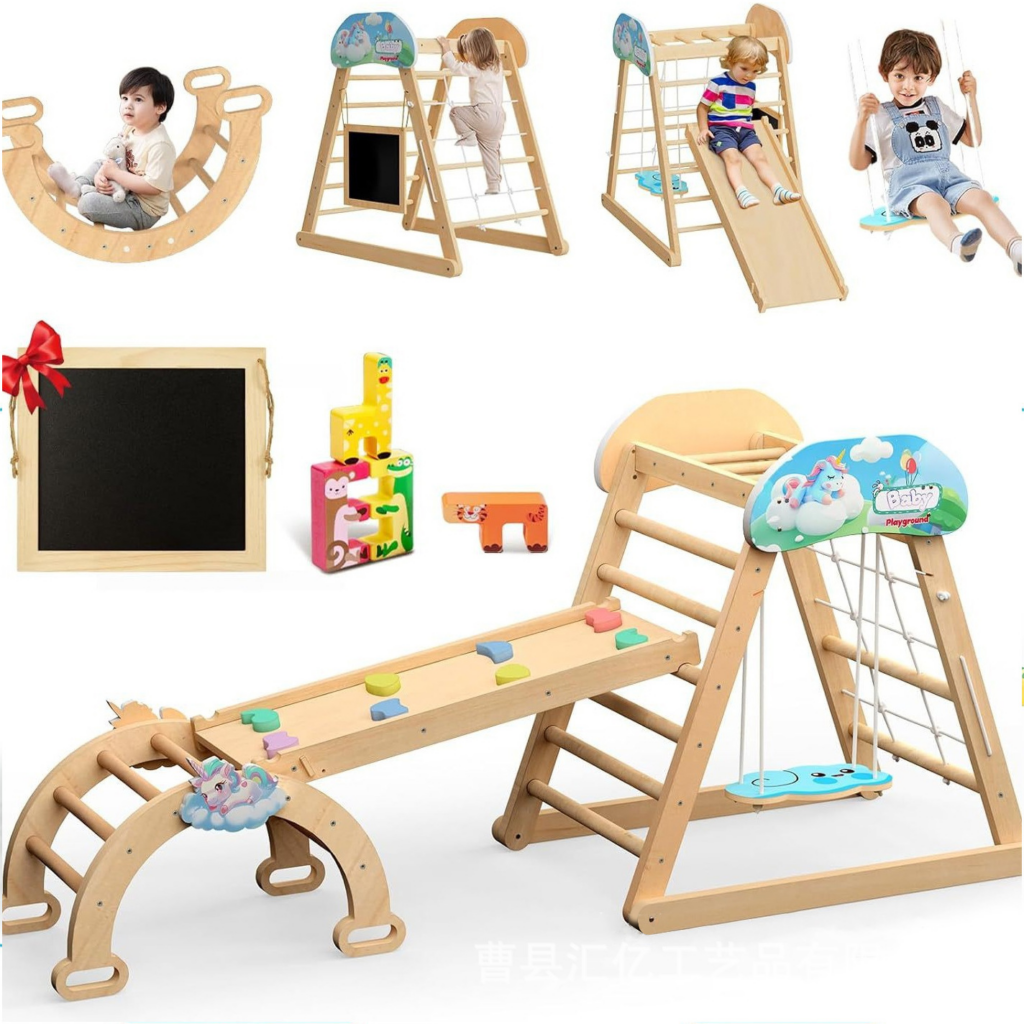
- Climbing Frames: These are typically made from wood or plastic and provide a sturdy structure for children to climb on. They often come with additional features like slides or crawl spaces.
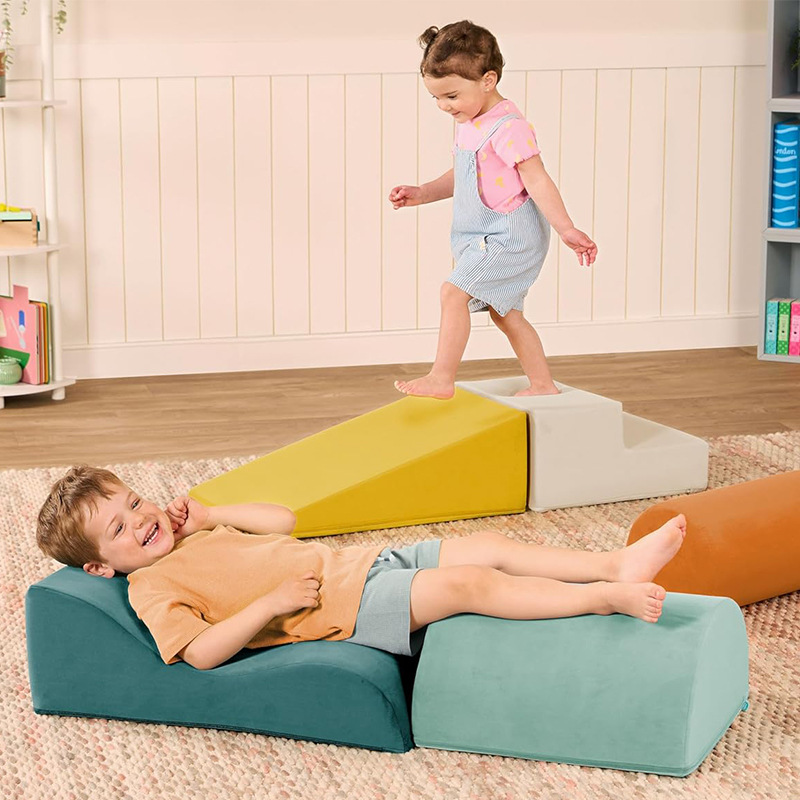
- Foam Climbing Sets: Soft foam blocks and shapes allow toddlers to climb safely without the risk of injury. These sets are ideal for younger children who are just beginning to explore climbing.
- Pikler Triangles: Inspired by the Montessori method, these triangular climbing frames encourage children to climb and explore at their own pace. They can be used in various configurations and often come with additional accessories like slides or ramps.
- Rock Climbing Walls: Some indoor climbing toys feature small rock holds that allow children to practice climbing skills similar to those used in outdoor rock climbing.
- Combination Sets: Many manufacturers offer combination sets that include multiple climbing features, such as slides, tunnels, and climbing walls, providing a comprehensive play experience.
- Indoor Jungle Gyms: These are larger structures that often combine climbing, sliding, and hanging elements. They can be a great way to create a mini playground in your home, offering various activities in one place.
- Balance Beams: While not traditional climbing toys, balance beams can be integrated into climbing play. They help children develop balance and coordination as they navigate from one end to the other.
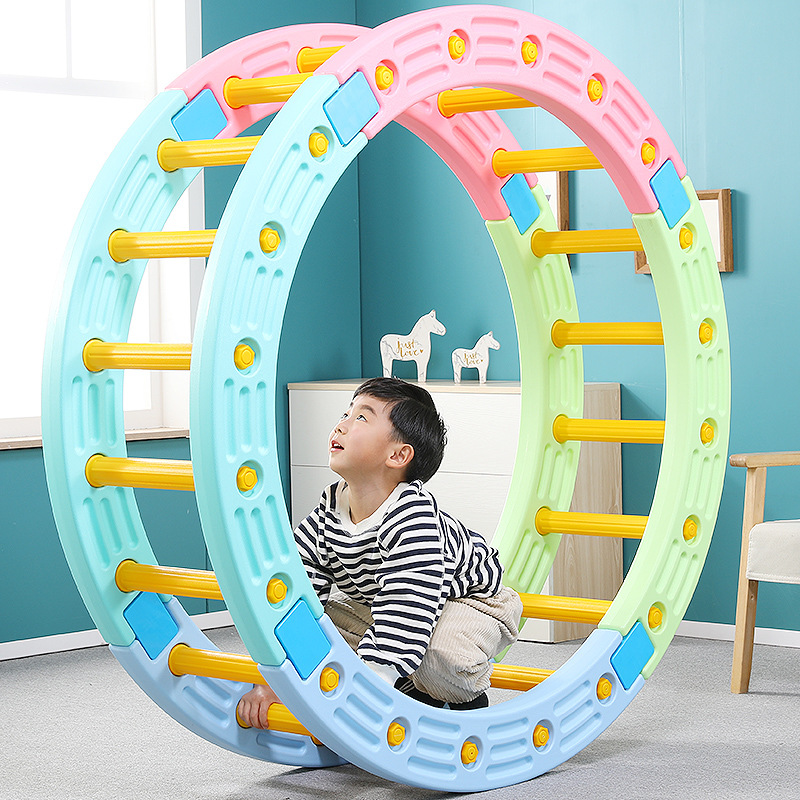
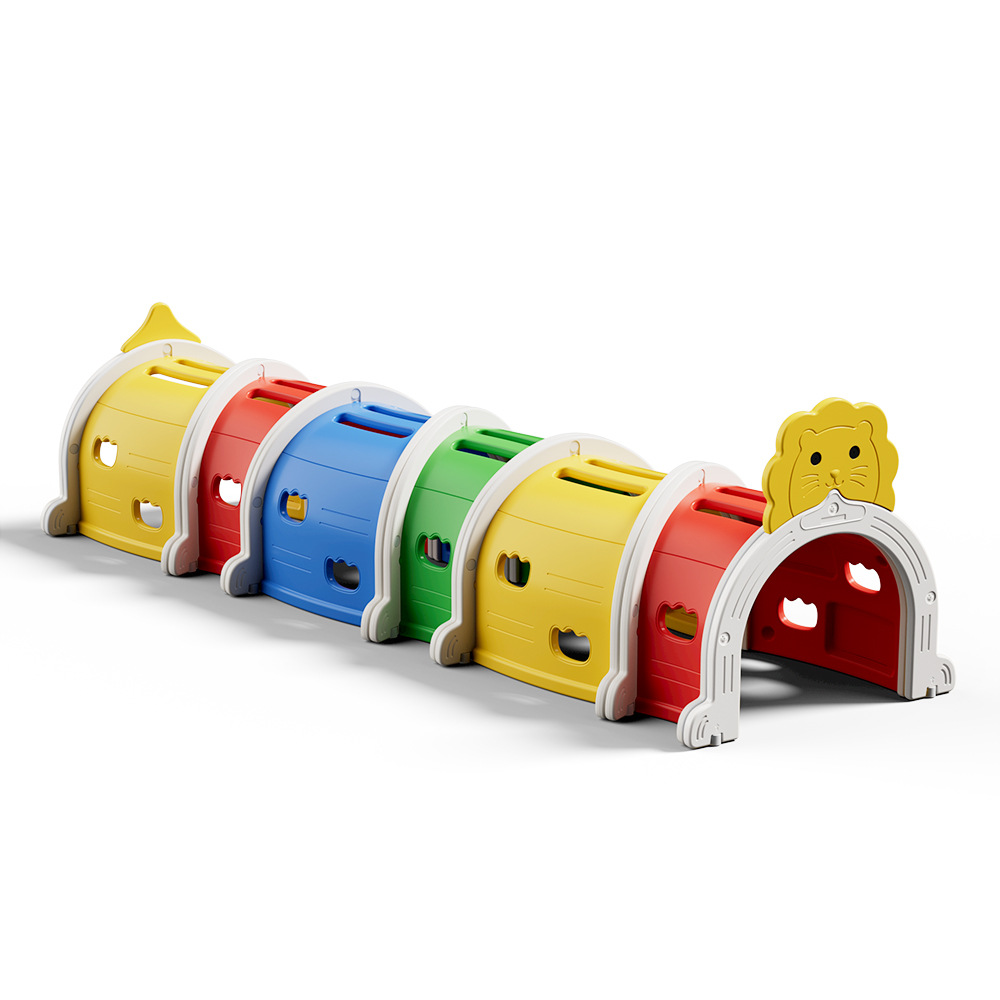
- Climbing Arches: These are curved structures that allow children to climb over and under, promoting flexibility and strength. They can be used in various ways, encouraging imaginative play.
- Hanging Bars: These can be added to climbing frames or jungle gyms, allowing children to practice swinging and hanging, which are excellent for upper body strength.
Benefits of Indoor Climbing Toys
Indoor climbing toys offer numerous benefits that contribute to a child’s physical and cognitive development.
Physical Development
Climbing toys encourage children to engage in physical activity, which is essential for developing strength, balance, and coordination. As children climb, they use various muscle groups, improving their overall fitness and motor skills. Climbing also helps develop gross motor skills, which are crucial for everyday activities such as running, jumping, and even writing.
Moreover, climbing activities can enhance cardiovascular health by promoting active play, which is vital in combating childhood obesity. Engaging in physical play helps children develop endurance and stamina, which are important for their overall health and well-being.
Cognitive Development
Climbing challenges children to think critically and solve problems. They learn to assess risks, make decisions about how to navigate obstacles, and develop spatial awareness as they figure out how to climb and descend safely. This problem-solving aspect of climbing can enhance cognitive flexibility, allowing children to adapt their strategies as they encounter new challenges.
Additionally, climbing toys can stimulate creativity and imagination. As children climb, they often create stories or scenarios in their minds, enhancing their imaginative play. This type of play is crucial for cognitive development, as it encourages children to think outside the box and develop their narrative skills.
Social Skills
When children play together on climbing toys, they learn important social skills such as sharing, taking turns, and cooperating. These interactions can enhance their communication skills and foster friendships. Group play on climbing structures can also teach children about teamwork and collaboration, as they may need to work together to navigate the equipment.
Furthermore, climbing toys can help children develop empathy and understanding. As they play with peers, they learn to recognize and respond to the emotions of others, which is essential for building strong social relationships.
Confidence Building
Successfully navigating climbing structures can boost a child’s self-esteem. As they conquer new challenges, they gain confidence in their abilities, which can translate to other areas of their lives. This newfound confidence can encourage children to take on new challenges, whether in sports, academics, or social situations.
Climbing also teaches children about perseverance. They learn that it’s okay to fail and that with practice, they can improve their skills. This lesson in resilience is invaluable as they face challenges throughout their lives.
Emotional Regulation
Climbing activities can also aid in emotional regulation. As children climb, they may experience a range of emotions, from excitement to frustration. Learning to manage these feelings while engaging in physical activity can help children develop better emotional control, which is beneficial in various aspects of their lives.
Sensory Development
Climbing toys can provide rich sensory experiences. The different textures of climbing surfaces, the feeling of height, and the physical exertion involved in climbing can stimulate a child’s senses. This sensory input is crucial for young children as they learn to navigate their environment and understand their bodies.
Safety Considerations
While indoor climbing toys are designed to be safe, it is essential to consider a few safety guidelines to ensure a secure play environment.
Age Appropriateness
Always choose climbing toys that are suitable for your child’s age and developmental stage. Manufacturers typically provide age recommendations, which should be followed to prevent accidents. For instance, toys designed for toddlers may not be suitable for older children who require more challenging equipment.
Supervision
Children should always be supervised while playing on climbing toys, especially younger ones. This ensures that they are using the equipment safely and can receive immediate assistance if needed. Parents should also engage with their children during playtime, encouraging them and providing guidance on safe climbing practices.
Soft Landing Areas
Consider placing soft mats or carpets under climbing structures to cushion falls. This can significantly reduce the risk of injury if a child slips or falls while climbing. Additionally, ensuring that the play area is free from hard objects or sharp corners can further enhance safety.
Regular Inspections
Regularly check climbing toys for any signs of wear and tear, such as loose screws or damaged parts. Keeping the equipment in good condition is crucial for maintaining safety. If any parts are damaged, they should be repaired or replaced immediately to prevent accidents.
Clear Play Area
Ensure that the area around the climbing toy is clear of obstacles. This includes furniture, toys, and other items that could pose a tripping hazard. A clear play area allows children to move freely and safely around the climbing structure.
Proper Installation
If the climbing toy requires assembly, follow the manufacturer’s instructions carefully. Ensure that all parts are securely fastened and that the structure is stable before allowing children to play on it. If you are unsure about the assembly, consider seeking assistance from someone experienced.
Choosing the Right Indoor Climbing Toy
When selecting an indoor climbing toy for your child, consider the following factors:
Space Availability
Assess the space you have available for the climbing toy. Measure the area to ensure that the toy will fit comfortably without overcrowding the room. It’s also important to consider the height of the toy, as taller structures may require more vertical space.
Material Quality
Look for toys made from high-quality materials that are durable and safe. Wooden toys are often preferred for their sturdiness, while foam toys are great for younger children. Ensure that any materials used are non-toxic and free from harmful chemicals.
Versatility
Choose toys that offer multiple play options. Combination sets that include climbing, sliding, and crawling features can provide more value and keep children engaged for longer. Versatile toys can also grow with your child, adapting to their changing interests and abilities.
Budget
Indoor climbing toys come in a wide range of prices. Determine your budget before shopping and look for options that offer the best quality within your price range. Remember that investing in a high-quality toy can provide years of enjoyment and developmental benefits.
Aesthetic Appeal
Consider the design and color of the climbing toy. A visually appealing toy can enhance the play environment and encourage children to engage with it more. Look for toys that match your home decor or that your child finds particularly attractive.
Brand Reputation
Research the brands you are considering. Look for manufacturers known for their safety standards and quality products. Reading reviews from other parents can also provide insight into the durability and functionality of the toys.
Popular Indoor Climbing Toys
Here are some popular indoor climbing toys that have received positive reviews from parents and caregivers:
1. Pikler Triangle
The Pikler Triangle is a classic climbing toy that encourages children to explore their climbing abilities. It is adjustable and can be used in various configurations, making it a versatile addition to any playroom. This toy promotes independent play and allows children to challenge themselves at their own pace.
2. Foam Climbing Blocks
Foam climbing blocks are perfect for toddlers. They are lightweight, soft, and easy to move around, allowing children to create their own climbing structures. These blocks can be arranged in different ways, fostering creativity and imaginative play.
3. Wooden Climbing Frame
A wooden climbing frame provides a sturdy and safe environment for children to climb. Many models come with additional features like slides and tunnels, enhancing the play experience. Wooden frames are often designed to withstand rough play, ensuring longevity.
4. Climbing Wall Panels
For older children, climbing wall panels can be installed in playrooms. These panels provide a fun and challenging climbing experience, similar to outdoor rock climbing. They can be customized with different holds and angles to keep the climbing experience fresh and exciting.
5. Combination Playsets
Combination playsets that include climbing, sliding, and crawling features are excellent for keeping children entertained. They offer a variety of play options, encouraging active play and exploration. These sets can also be a great way to promote physical fitness in a fun and engaging manner.
6. Indoor Jungle Gyms
Indoor jungle gyms are larger structures that combine various climbing, sliding, and hanging elements. They can create a mini playground in your home, offering multiple activities in one place. These gyms are great for encouraging group play and can accommodate several children at once.
7. Balance Beams
Balance beams can be integrated into climbing play to help children develop balance and coordination. They can be used alongside climbing structures to create an obstacle course, enhancing the play experience and promoting physical fitness.
8. Climbing Arches
Climbing arches are versatile structures that allow children to climb over and under, promoting flexibility and strength. They can be used in various ways, encouraging imaginative play and physical activity.
9. Hanging Bars
Hanging bars can be added to climbing frames or jungle gyms, allowing children to practice swinging and hanging, which are excellent for upper body strength. These bars can also be used for various exercises, promoting fitness and coordination.
Creative Ways to Incorporate Indoor Climbing Toys
To maximize the benefits of indoor climbing toys, consider these creative ideas for incorporating them into your child’s daily routine:
1. Structured Playtime
Set aside specific times during the day for climbing activities. This can help establish a routine and ensure that your child gets regular physical activity. You can also incorporate climbing into other play activities, such as obstacle courses or treasure hunts.
2. Themed Play Sessions
Create themed play sessions that incorporate climbing toys. For example, you could set up a “mountain climbing” adventure where children have to navigate their way to the top of the climbing structure. This can make playtime more engaging and imaginative.
3. Group Playdates
Invite friends over for playdates that focus on climbing activities. This not only encourages social interaction but also allows children to learn from each other and develop teamwork skills. Group play can also motivate children to try new climbing challenges.
4. Parent-Child Climbing Challenges
Engage in climbing challenges with your child. This can be a fun way to bond while encouraging your child to push their limits. You can set goals, such as reaching the top of the climbing frame or completing a specific climbing route.
5. Incorporate Learning
Use climbing play as an opportunity to teach your child about safety, balance, and coordination. Discuss the importance of being aware of their surroundings while climbing and encourage them to think critically about how to navigate the equipment safely.
6. Create a Climbing Routine
Incorporate climbing into your child’s daily routine. For example, you could designate a specific time each day for climbing activities, making it a regular part of their playtime. This can help establish a habit of physical activity.
7. Use Climbing for Skill Development
Incorporate climbing into skill development activities. For instance, you can use climbing to teach counting by having your child count the steps as they climb or use colors to identify different climbing holds. This can make learning fun and interactive.
8. Encourage Imaginative Play
Encourage your child to use their imagination while climbing. They can pretend they are explorers scaling a mountain or superheroes navigating an obstacle course. This type of imaginative play can enhance creativity and make climbing more enjoyable.
9. Set Up Challenges
Create specific challenges for your child to complete while climbing. For example, you could set a timer and see how quickly they can climb to the top or navigate through a series of obstacles. This can add an element of excitement and motivation to their play.
10. Document Progress
Keep a record of your child’s climbing achievements. Take photos or videos of them as they reach new heights or complete challenges. This can help boost their confidence and provide a sense of accomplishment.
Conclusion
Indoor climbing toys are an excellent investment for parents looking to promote physical activity and cognitive development in their children. With various options available, it is essential to choose a toy that fits your child’s age, interests, and your available space. By providing a safe and engaging environment for climbing, you can help your child develop essential skills while having fun.
How to purchase:Online B2B sourcing platform, China purchase, Chinese suppliers – LooperBuy
Frequently Asked Questions
1. What age is appropriate for indoor climbing toys?
Indoor climbing toys are generally suitable for children aged 1 to 7 years, depending on the specific toy and its design. Always check the manufacturer’s age recommendations.
2. Are foam climbing toys safe for toddlers?
Yes, foam climbing toys are designed to be soft and safe for toddlers. They reduce the risk of injury while allowing children to explore climbing.
3. How can I ensure my child’s safety while using climbing toys?
Supervise your child during play, choose age-appropriate toys, and regularly inspect the equipment for any damage. Additionally, consider using soft mats underneath climbing structures.
4. Can indoor climbing toys help with my child’s development?
Absolutely! Indoor climbing toys promote physical fitness, enhance motor skills, and encourage cognitive development through problem-solving and risk assessment.
5. What should I look for when buying an indoor climbing toy?
Consider the toy’s material quality, age appropriateness, space requirements, versatility, and your budget. Look for toys that offer multiple play options to keep your child engaged.
HOT TAG: indoor climbing toys, children’s play equipment, physical development, cognitive skills, safe play structures, climbing frames, toddler toys, Montessori climbing, active play, climbing safety, creative play ideas, climbing challenges, social skills development, imaginative play, balance and coordination, climbing adventures, family bonding activities, skill development through play, engaging indoor activities, fostering independence in children.