In the world of international trade, understanding global shipping terms is crucial for businesses and individuals alike. These terms, often encapsulated in the International Commercial Terms (Incoterms), define the responsibilities of buyers and sellers in the shipping process. This article will delve into the various global shipping terms, their implications, and how they facilitate smoother international transactions.
Table of Contents
What Are Global Shipping Terms?
Global shipping terms refer to the standardized terms used in international trade to clarify the responsibilities of buyers and sellers. These terms are essential for defining who is responsible for shipping costs, insurance, and customs duties, as well as when the risk of loss or damage to goods transfers from the seller to the buyer.
The Importance of Shipping Terms
Shipping terms play a vital role in international commerce. They help prevent misunderstandings and disputes between trading partners by clearly outlining each party’s obligations. Without these terms, businesses could face significant risks, including unexpected costs and legal complications.
Key Global Shipping Terms
The most widely recognized set of global shipping terms is the Incoterms, which were first published by the International Chamber of Commerce (ICC) in 1936. The latest version, Incoterms 2020, includes 11 terms that are crucial for international shipping.
Overview of Incoterms 2020
- EXW (Ex Works): The seller makes the goods available at their premises, and the buyer assumes all risks and costs from that point onward.
- FCA (Free Carrier): The seller delivers the goods to a carrier specified by the buyer, at which point the risk transfers to the buyer.
- CPT (Carriage Paid To): The seller pays for the transportation of the goods to a specified destination, but the risk transfers to the buyer once the goods are handed over to the carrier.
- CIP (Carriage and Insurance Paid To): Similar to CPT, but the seller also provides insurance for the goods during transit.
- DAP (Delivered at Place): The seller is responsible for delivering the goods to a specified location, with all costs and risks borne by the seller until delivery.
- DPU (Delivered at Place Unloaded): The seller delivers the goods unloaded at a specified location, assuming all risks and costs until that point.
- DDP (Delivered Duty Paid): The seller takes on all responsibilities, including shipping, insurance, and customs duties, until the goods are delivered to the buyer.
- FAS (Free Alongside Ship): The seller delivers the goods alongside the vessel at the port of shipment, and the buyer assumes all risks and costs from that point.
- FOB (Free on Board): The seller is responsible for the goods until they are loaded onto the vessel, after which the buyer assumes all risks.
- CFR (Cost and Freight): The seller pays for the cost and freight to transport the goods to the destination port, but the risk transfers to the buyer once the goods are on board.
- CIF (Cost, Insurance, and Freight): The seller covers the cost, freight, and insurance to transport the goods to the destination port, with risk transferring once the goods are on board.
How to Choose the Right Incoterm
Choosing the appropriate Incoterm depends on various factors, including the nature of the goods, the shipping method, and the level of control each party wishes to maintain over the shipping process. Businesses should carefully consider their capabilities and preferences when selecting an Incoterm to ensure a smooth transaction.
The Impact of Global Shipping Terms on Trade
Global shipping terms significantly influence international trade by providing a framework for transactions. They help businesses navigate the complexities of cross-border shipping, ensuring compliance with international regulations and reducing the likelihood of disputes.
Reducing Risks and Costs
By clearly defining responsibilities, global shipping terms help mitigate risks associated with international trade. For instance, understanding who is responsible for insurance can prevent financial losses in case of damage or loss during transit. Additionally, these terms can help businesses manage costs more effectively by clarifying who bears specific expenses.
Facilitating Compliance
Compliance with international trade regulations is crucial for businesses engaged in global commerce. Shipping terms provide a standardized language that is recognized by customs authorities and legal entities worldwide, facilitating smoother customs clearance and reducing delays.
Detailed Analysis of Each Incoterm
EXW (Ex Works)
Under EXW, the seller’s responsibility is minimal. They only need to make the goods available at their premises or another named place. The buyer assumes all risks and costs from that point onward, including loading the goods onto a vehicle and clearing them for export. This term is often used when the buyer has the capability to manage the logistics and is familiar with the export process.
FCA (Free Carrier)
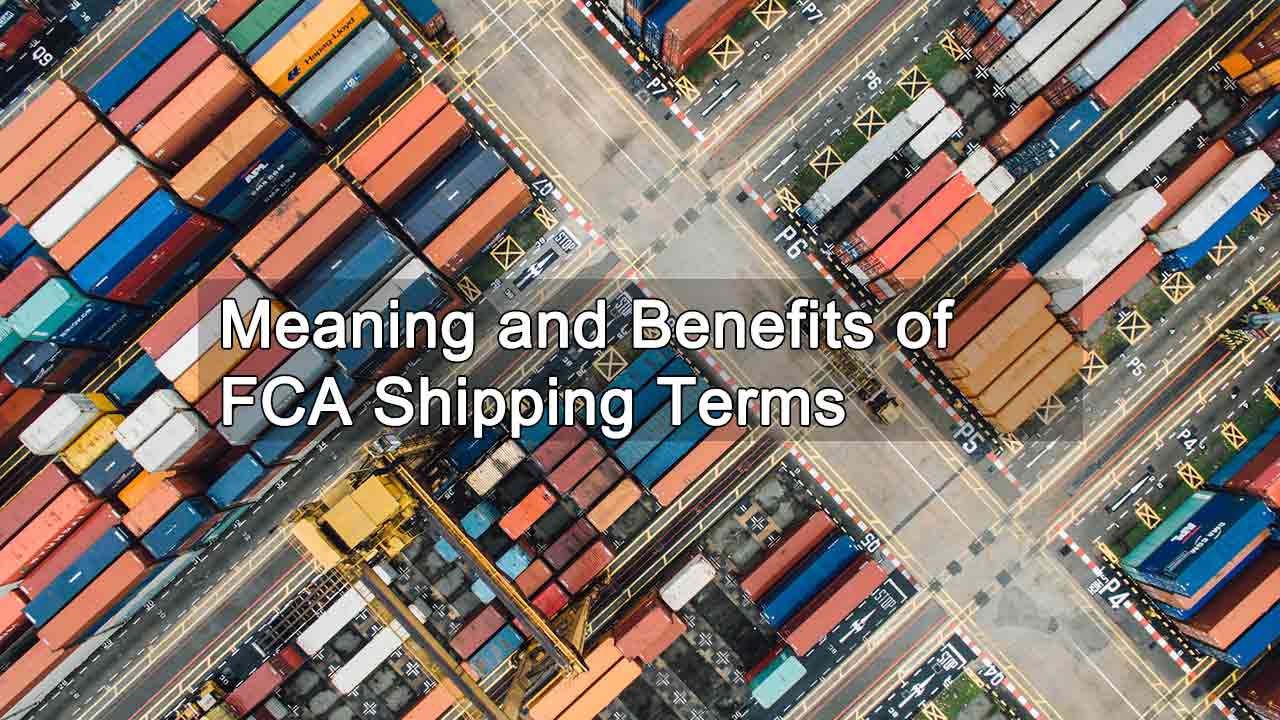
FCA allows for more flexibility than EXW. The seller is responsible for delivering the goods to a carrier specified by the buyer. This term can be used for any mode of transport, including multimodal transport. The risk transfers to the buyer once the goods are handed over to the carrier, making it essential for both parties to communicate effectively about the chosen carrier and the delivery location.
CPT (Carriage Paid To)
In CPT, the seller pays for the transportation of the goods to a specified destination. However, the risk transfers to the buyer once the goods are handed over to the carrier. This term is beneficial for buyers who want to ensure that the seller manages the logistics up to a certain point while still taking on the risk during transit.
CIP (Carriage and Insurance Paid To)
CIP is similar to CPT, but it includes the seller’s obligation to provide insurance for the goods during transit. This term is particularly useful for buyers who want to minimize their risk exposure. The seller must obtain insurance coverage that is adequate for the value of the goods being shipped.
DAP (Delivered at Place)
DAP places the responsibility on the seller to deliver the goods to a specified location, with all costs and risks borne by the seller until delivery. This term is advantageous for buyers who prefer to have the seller handle all logistics up to the final destination, simplifying the process for them.
DPU (Delivered at Place Unloaded)
DPU is a relatively new term that replaces the previous DAT (Delivered at Terminal). Under DPU, the seller is responsible for delivering the goods unloaded at a specified location. This term is particularly useful for buyers who do not have the means to unload the goods themselves.
DDP (Delivered Duty Paid)
DDP is the most seller-friendly term, as it places the maximum responsibility on the seller. The seller is responsible for all costs, including shipping, insurance, and customs duties, until the goods are delivered to the buyer. This term is ideal for buyers who want a hassle-free experience, as they do not have to deal with any logistics or customs issues.
FAS (Free Alongside Ship)
FAS is primarily used for maritime transport. The seller delivers the goods alongside the vessel at the port of shipment, and the buyer assumes all risks and costs from that point. This term is suitable for buyers who have the capability to manage the loading process onto the vessel.
FOB (Free on Board)
FOB is another commonly used maritime term. The seller is responsible for the goods until they are loaded onto the vessel, at which point the risk transfers to the buyer. This term is widely used in international trade and is essential for defining the point at which responsibility shifts.
CFR (Cost and Freight)
CFR requires the seller to pay for the cost and freight to transport the goods to the destination port. However, the risk transfers to the buyer once the goods are on board the vessel. This term is beneficial for buyers who want to ensure that the seller manages the logistics while still taking on the risk during transit.
CIF (Cost, Insurance, and Freight)
CIF is similar to CFR, but it also requires the seller to provide insurance for the goods during transit. This term is advantageous for buyers who want to minimize their risk exposure while ensuring that the seller manages the logistics and insurance.
The Role of Technology in Global Shipping
In recent years, technology has played a significant role in transforming the shipping industry. From tracking shipments in real-time to automating customs clearance processes, technology has made international trade more efficient and transparent.
Tracking and Visibility
Modern shipping solutions offer advanced tracking capabilities, allowing businesses to monitor their shipments in real-time. This visibility helps companies manage their supply chains more effectively and respond quickly to any issues that may arise during transit.
Automation and Efficiency
Automation has streamlined many aspects of the shipping process, from documentation to customs clearance. By reducing manual intervention, businesses can minimize errors and speed up the shipping process, ultimately leading to cost savings and improved customer satisfaction.
E-commerce and Global Trade
The rise of e-commerce has also influenced global shipping terms. As more businesses engage in cross-border trade, understanding shipping terms becomes even more critical. E-commerce platforms often provide integrated shipping solutions that simplify the process for sellers and buyers alike.
Conclusion
In conclusion, understanding global shipping terms is essential for anyone involved in international trade. These terms not only clarify the responsibilities of buyers and sellers but also help mitigate risks and ensure compliance with regulations. By familiarizing themselves with Incoterms and other shipping terms, businesses can navigate the complexities of global commerce more effectively.
As you navigate the complexities of global shipping terms and international trade, ensure your business thrives by leveraging the best deals and services available. Discover unbeatable offers and streamline your purchasing process at LooperBuy.
Article Summary
This article provides a comprehensive overview of global shipping terms, focusing on the importance of Incoterms in international trade. It explains key terms, their implications, and how they facilitate smoother transactions while reducing risks and ensuring compliance with regulations.
Hot Tags: Global Shipping Terms; Incoterms; International Trade; Shipping Responsibilities; Customs Compliance; Freight Costs; Risk Management; Export Regulations; Import Duties; Shipping Insurance; Trade Agreements; Logistics Management; Supply Chain; Transportation Costs; Delivery Terms; Shipping Contracts; International Shipping; Freight Forwarding; Trade Compliance; Shipping Documentation; Customs Clearance; Global Logistics; Shipping Methods; Cost Allocation; Trade Disputes; Shipping Industry; E-commerce Shipping; International Business; Shipping Regulations; Freight Management.
Related Questions & Answers
· What are the most recent updates to Incoterms 2020?
The most recent updates to Incoterms 2020 include the introduction of DPU (Delivered at Place Unloaded), which replaces DAT (Delivered at Terminal), and clarifications regarding the responsibilities of buyers and sellers in terms of insurance and risk management.
· How do global shipping terms affect small businesses?
Global shipping terms can significantly impact small businesses by defining their responsibilities in international transactions. Understanding these terms helps small businesses manage costs, reduce risks, and ensure compliance with regulations, ultimately facilitating smoother trade.
· What are the common mistakes to avoid when using global shipping terms?
Common mistakes include misunderstanding the responsibilities associated with each Incoterm, failing to communicate effectively with trading partners, and not considering the implications of risk transfer. Businesses should ensure they fully understand the terms they choose to avoid costly errors.
· How can businesses ensure compliance with international shipping regulations?
Businesses can ensure compliance by staying informed about the latest regulations, using standardized shipping terms, and working with experienced freight forwarders or customs brokers who can provide guidance on compliance issues.
· What role does insurance play in global shipping?
Insurance is crucial in global shipping as it protects against potential losses or damages during transit. Understanding the insurance obligations associated with different Incoterms helps businesses manage their risk exposure effectively.