Table of Contents
Introduction: The Rise of Dropshipping Companies in Modern Retail
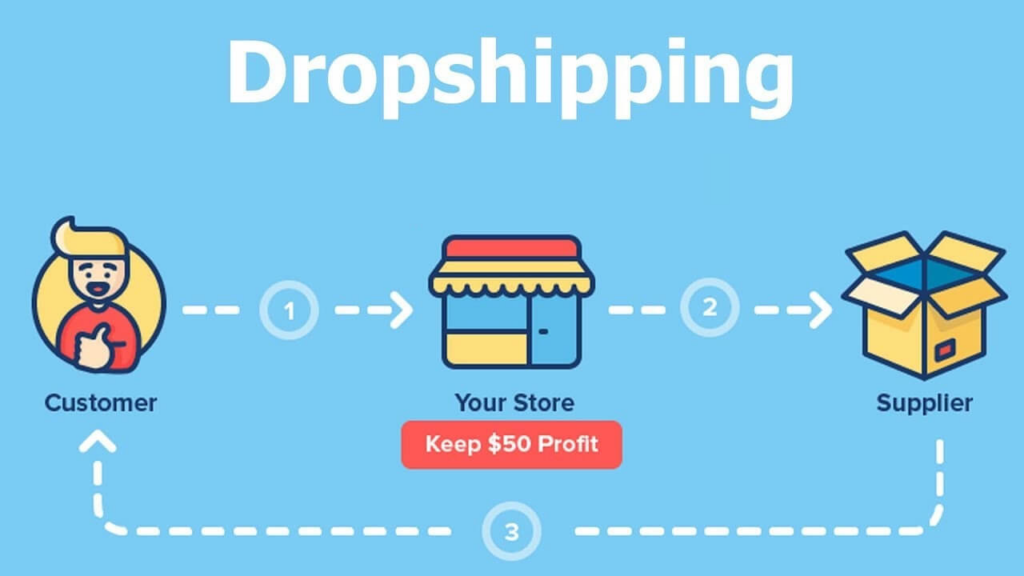
Dropshipping companies have revolutionized global commerce, enabling entrepreneurs to sell products without inventory management. From niche startups to tech-driven giants like Oberlo and Spocket, these businesses thrive by balancing supplier partnerships, customer experience, and regulatory compliance. This article explores the anatomy of successful dropshipping companies, dissecting their strategies, challenges, and innovations in a market projected to reach $1.2 trillion by 2030.
Types of Dropshipping Companies
Generalist Marketplaces
Companies like AliExpress Dropshipping and SaleHoo cater to broad audiences, offering millions of products across categories. They prioritize volume over specialization, ideal for testing multiple niches.
Niche-Focused Innovators
- Printful: Focuses on print-on-demand apparel and accessories.
- Spocket: Curates U.S. and EU suppliers for faster shipping in fashion and home goods.
Tech-Driven Platforms
- Oberlo (Shopify): Automates product imports and order fulfillment.
- AutoDS: Uses AI to sync inventory, track prices, and optimize ads across platforms.
Sustainability-Conscious Brands
Companies like EarthHero and EcoCart prioritize eco-friendly suppliers, carbon-neutral shipping, and biodegradable packaging.
Key Success Factors for Dropshipping Companies
Supplier Relationships
- Vetting Criteria: Reliable suppliers must offer ≤3-day processing times, defect rates under 2%, and transparent communication.
- Diversification: Partner with 3–5 suppliers for critical products to mitigate stockouts.
Customer-Centric Operations
- Transparent Shipping: Provide real-time tracking via tools like AfterShip.
- Generous Returns: Offer free returns for EU customers to comply with 14-day refund laws.
Data-Driven Marketing
- Dynamic Ads: Use tools like AdScale to adjust Facebook/Google bids based on real-time ROAS.
- Influencer Collaborations: Nano-influencers (10k–50k followers) drive 3x higher engagement than macro-influencers.
Challenges Facing Dropshipping Companies
Regulatory Compliance
- GDPR (EU): Requires customer data encryption and explicit consent for marketing.
- California Prop 65: Mandates warnings for products containing lead or phthalates.
Supply Chain Disruptions
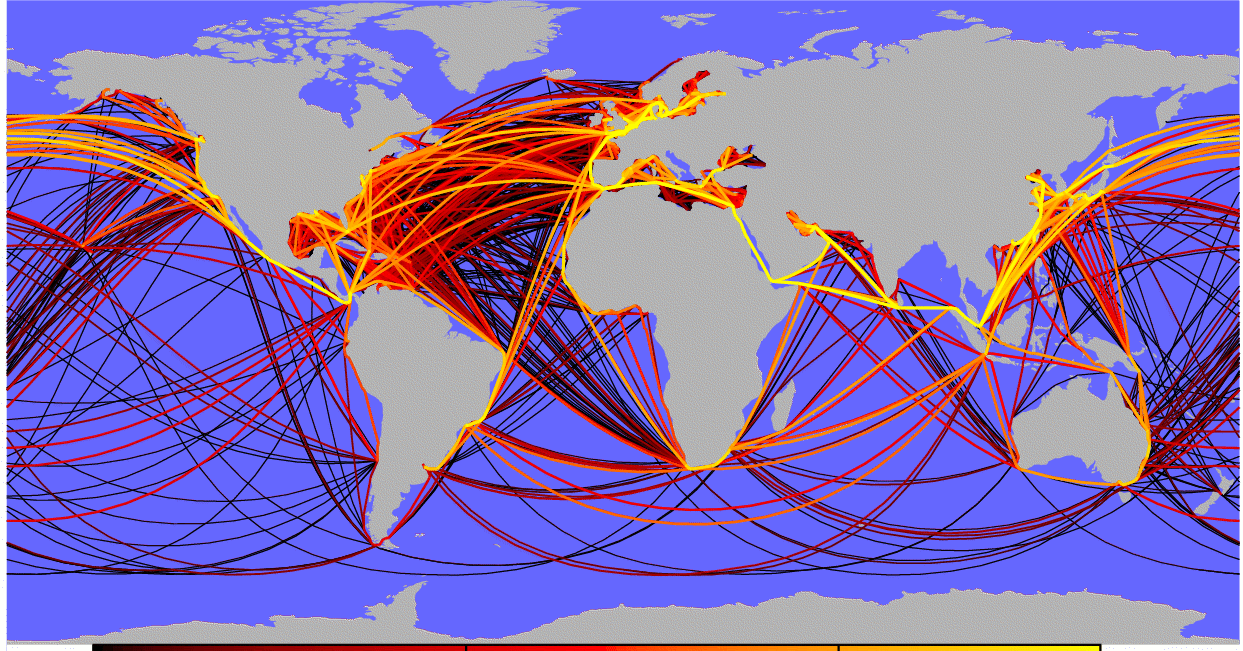
- Port Delays: 25% of shipments from Asia face 2–4 week delays during peak seasons.
- Tariff Wars: U.S. Section 301 tariffs add 25% costs on Chinese electronics.
Brand Trust Deficits
- Counterfeit Risks: 18% of Amazon dropshippers sell fake products, per the Global Brand Counterfeiting Report.
- Review Fraud: Tools like Fakespot help filter fake reviews but require constant vigilance.
Case Studies: Industry Leaders and Disruptors
Oberlo’s Shopify Integration
By automating product imports and order tracking, Oberlo powered over 100,000 stores before its 2022 sunset, proving the viability of app-driven dropshipping ecosystems.
Zendrop’s US-Centric Model
Focusing on U.S. suppliers, Zendrop reduced average delivery times to 3 days, achieving a 4.8-star Trustpilot rating and 60% YoY growth.
Printful’s Sustainability Pivot
Printful’s switch to water-based inks and organic fabrics increased customer retention by 35% among eco-conscious millennials.
Future Trends Shaping Dropshipping Companies
AI and Automation
- ChatGPT Store Assistants: Resolve 80% of customer queries without human intervention.
- Predictive Inventory: AI forecasts demand spikes using social media trends and weather data.
Web3 Integration
- NFT-Gated Products: Unlock exclusive items via NFT ownership (e.g., limited-edition sneakers).
- DAO Marketplaces: Community-owned platforms like Boson Protocol decentralize profit sharing.
Hyper-Localized Fulfillment
- 3D Printing Hubs: Local production in cities like L.A. and Berlin slashes shipping costs by 70%.
- Drone Delivery Trials: Amazon’s Prime Air and DJI’s logistics drones target 30-minute urban deliveries.
Conclusion
Dropshipping companies are at a crossroads: they must embrace AI, sustainability, and localization to survive escalating competition and regulatory scrutiny. While giants like Oberlo and Spocket set benchmarks, niche players thrive by mastering micro-markets and ethical practices. The future belongs to businesses that balance automation with authenticity, transforming dropshipping from a transactional model into a trusted, tech-driven retail ecosystem.
If you want to enhance your drop shipping efficiency, directly connect with China Quality Inventory 1688 and enjoy high-quality factory prices for your products,you can use looperbuy, a one-stop purchasing-logistics solution:https://looperbuy.com/
Related Questions & Answers
· How do I verify if a dropshipping supplier is reliable?
Check reviews on platforms like SaleHoo, request sample orders, and confirm certifications like ISO 9001 for quality management.
· What’s the minimum budget to start a dropshipping company?
You can launch with 50–200 for a Shopify store and initial ads, but scaling requires 500–2,000 for tools and inventory buffers.
· Are there banks that specialize in dropshipping-friendly accounts?
PayPal, Stripe, and Shopify Payments are popular, but high-risk processors like Payoneer handle restricted niches (e.g., electronics).
· How do I handle VAT for cross-border sales in the EU?
Register for the IOSS system to collect VAT at checkout and avoid customs delays for orders under €150.
· Can AI replace human customer service in dropshipping?
AI resolves 80% of routine queries, but complex issues require human agents to maintain trust.
Hot Tags: Dropshipping Supplier Vetting; AI Automation Tools; VAT Compliance Strategies; NFT E-commerce; Sustainable Dropshipping; 3D Printing Logistics; Counterfeit Prevention; Hyper-Local Fulfillment; Web3 Marketplaces.