Muslim clothing for females is a topic that encompasses a wide range of styles, fabrics, and cultural influences. As the world becomes more interconnected, the diversity of Muslim women’s clothing continues to evolve, reflecting both traditional values and modern fashion trends. This article explores the various aspects of Muslim clothing for females, including its significance, styles, and how to choose the right attire. By delving deeper into each aspect, we can appreciate the rich tapestry of choices available to Muslim women today.
Table of Contents
Understanding Muslim Clothing for Females
The Significance of Modesty in Muslim Clothing
Modesty is a fundamental principle in Islam, influencing how Muslim women dress. The Quran encourages women to dress modestly, which is interpreted in various ways across different cultures. This principle is not just about covering the body but also about presenting oneself with dignity and respect. The clothing choices reflect personal beliefs, cultural backgrounds, and individual preferences. Modesty in clothing can also be seen as a form of empowerment, allowing women to express their identity without relying solely on physical appearance. This approach fosters a sense of self-worth that transcends societal beauty standards, encouraging women to embrace their unique qualities.
Cultural Influences on Muslim Clothing
Muslim clothing varies significantly across different regions and cultures. For instance, the traditional abaya is popular in the Middle East, while the salwar kameez is commonly worn in South Asia. Each style carries its own cultural significance and is often adorned with unique patterns and colors that reflect local traditions. The diversity in clothing styles also highlights the rich history and heritage of Muslim communities around the world. For example, Moroccan kaftans are known for their intricate embroidery and vibrant colors, while Indonesian batik reflects the local artistry and craftsmanship. This cultural richness not only enhances the beauty of Muslim clothing but also serves as a reminder of the diverse backgrounds and stories of Muslim women.
Popular Styles of Muslim Clothing for Females
Abayas: The Classic Choice
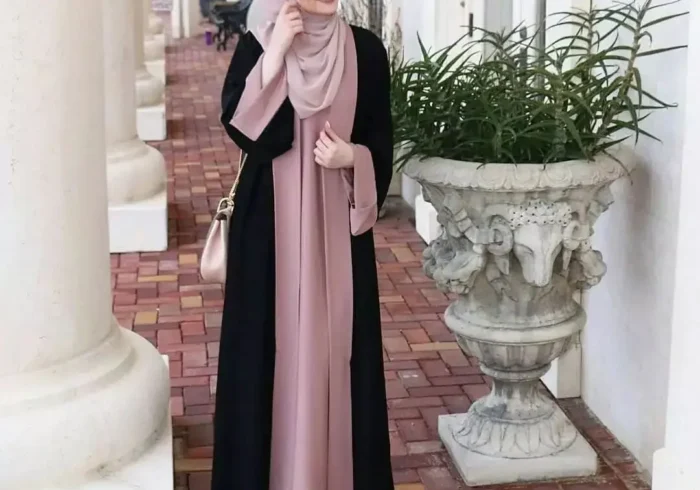
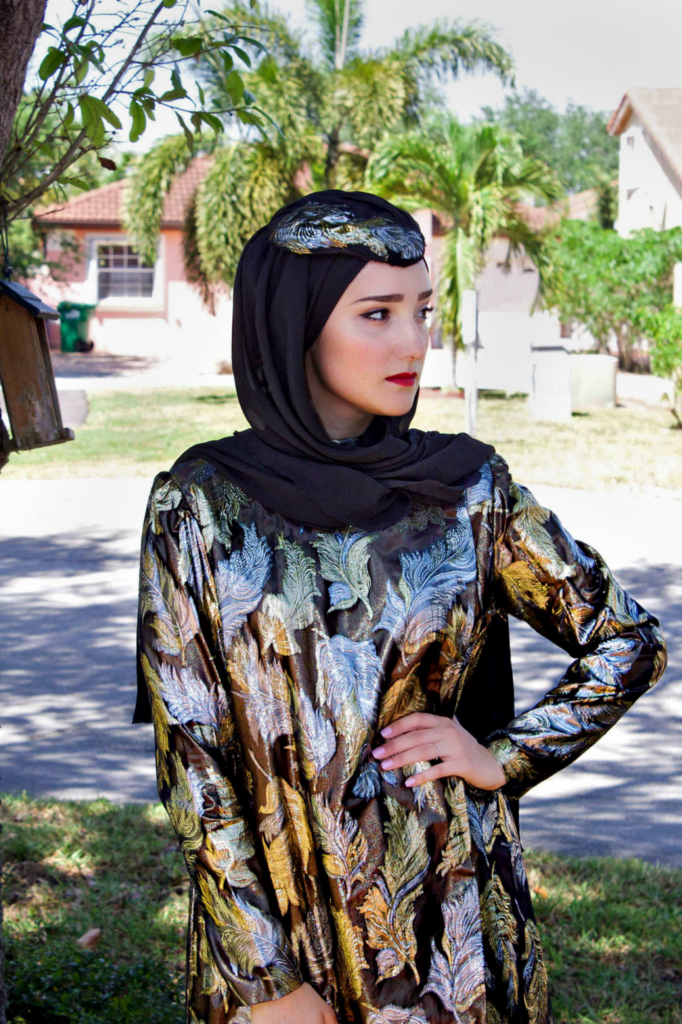
The abaya is a long, flowing garment that is often worn over regular clothes. It is typically black but can come in various colors and designs. Abayas are favored for their simplicity and elegance, making them suitable for both everyday wear and special occasions. Many modern abayas feature intricate embroidery and embellishments, allowing for personal expression while adhering to modesty guidelines. The versatility of the abaya makes it a staple in many Muslim women’s wardrobes, as it can be easily dressed up or down depending on the occasion. Additionally, the abaya’s flowing silhouette provides comfort and ease of movement, making it an ideal choice for busy lifestyles.
Hijabs: A Symbol of Faith
The hijab is more than just a headscarf; it is a symbol of faith and identity for many Muslim women. Hijabs come in various styles, colors, and fabrics, allowing women to express their individuality. From simple wraps to elaborate styles, the hijab can complement any outfit, making it a versatile accessory in Muslim women’s fashion. The choice of hijab style can also reflect personal taste and cultural background, with some women opting for traditional styles while others embrace contemporary designs. The hijab serves not only as a fashion statement but also as a means of connecting with one’s faith and community, fostering a sense of belonging among Muslim women.
Jilbabs: A Stylish Alternative
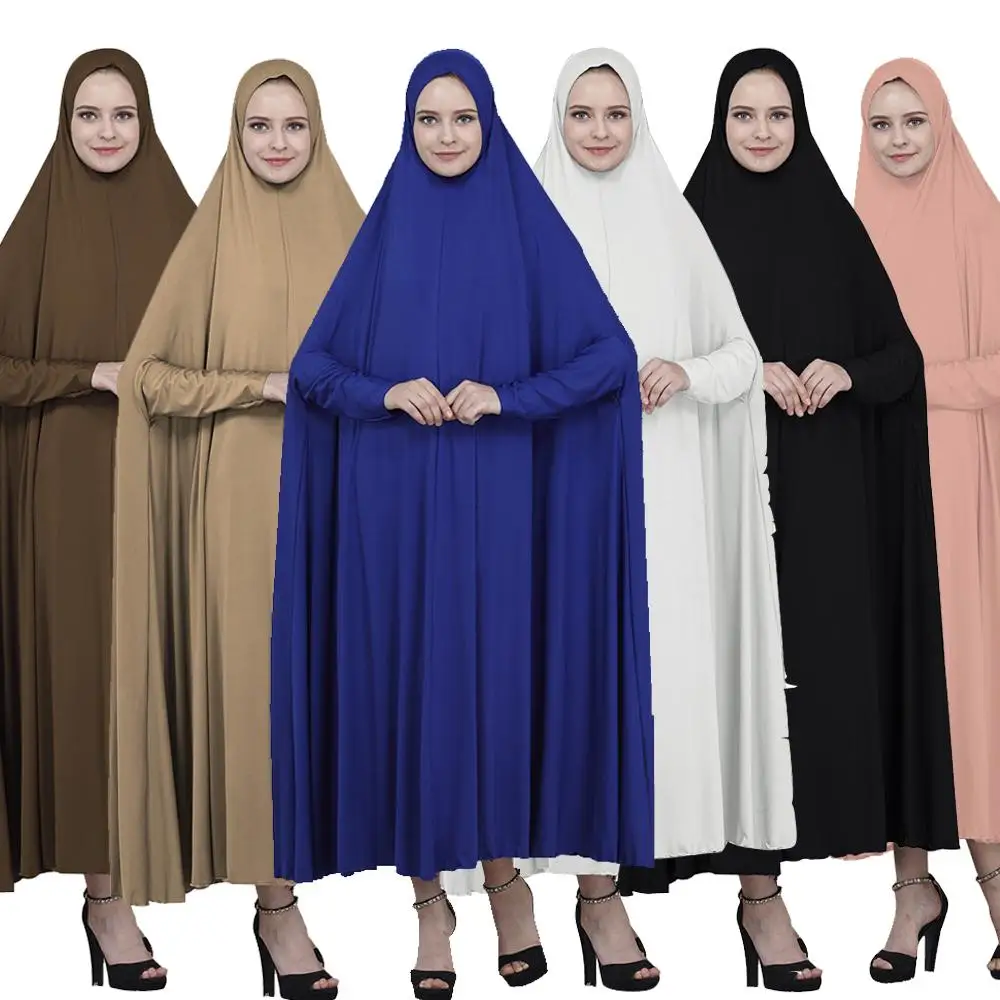
Jilbabs are long outer garments that provide full coverage. They are often worn over regular clothing and can be found in various styles, including those with hoods or unique cuts. Jilbabs are popular among women who prefer a more fashionable yet modest look. They can be paired with different outfits, making them suitable for various occasions. The jilbab’s design allows for creativity in styling, as it can be layered with other garments or accessorized with belts and jewelry. This adaptability makes the jilbab a favorite among fashion-forward Muslim women who wish to maintain their modesty while exploring new trends.
Maxi Dresses: Comfort Meets Style
Maxi dresses are a popular choice for Muslim women seeking comfort without compromising on style. These long dresses come in various designs, from casual to formal, and can be easily accessorized with a hijab or a stylish belt. The flowing nature of maxi dresses allows for ease of movement while maintaining modesty. Additionally, maxi dresses can be made from a variety of fabrics, making them suitable for different seasons and occasions. Whether attending a summer wedding or running errands, maxi dresses offer a chic and comfortable option that aligns with modest fashion principles.
Tunics and Wide-Leg Pants: A Modern Twist
Tunics paired with wide-leg pants offer a contemporary take on traditional Muslim clothing. This combination is not only stylish but also practical, making it ideal for everyday wear. Tunics can be found in various lengths and designs, allowing for versatility in styling. This outfit is perfect for women who want to blend modern fashion with traditional values. The wide-leg pants provide comfort and a relaxed fit, making them suitable for various activities. This modern twist on traditional attire allows Muslim women to express their individuality while adhering to modesty guidelines.
Choosing the Right Muslim Clothing
Consider Your Personal Style
When selecting Muslim clothing, it is essential to consider your personal style. Some women prefer classic and understated pieces, while others may opt for bold colors and patterns. Understanding your preferences will help you choose clothing that reflects your personality while adhering to modesty guidelines. Additionally, experimenting with different styles can be a fun way to discover what works best for you. By mixing and matching various pieces, you can create unique outfits that showcase your individuality and confidence.
Fabric and Comfort
The choice of fabric is crucial in Muslim clothing. Natural fabrics like cotton and linen are breathable and comfortable, making them ideal for warmer climates. In contrast, heavier fabrics like wool or polyester may be suitable for cooler weather. Always prioritize comfort, especially if you plan to wear the clothing for extended periods. The right fabric can enhance your overall experience, allowing you to feel at ease while maintaining your modesty. Furthermore, considering the fabric’s care requirements can help you choose pieces that fit your lifestyle and maintenance preferences.
Occasion Matters
Different occasions call for different styles of clothing. For formal events, opt for elegant abayas or maxi dresses adorned with embellishments. For casual outings, comfortable tunics and wide-leg pants may be more appropriate. Understanding the context of your clothing choice will help you make the right decision. Additionally, being mindful of cultural norms and expectations can guide your outfit selection, ensuring that you feel confident and respectful in various settings.
Embrace Cultural Diversity
Muslim clothing is not monolithic; it varies widely across cultures. Embrace the diversity of styles and designs available. Explore clothing from different regions, such as Moroccan kaftans or Indonesian kebayas, to enrich your wardrobe and celebrate cultural differences. This exploration not only enhances your personal style but also fosters a greater appreciation for the rich heritage of Muslim fashion. By incorporating diverse elements into your wardrobe, you can create a unique blend of styles that reflect your identity and values.
The Future of Muslim Clothing for Females
Trends in Modest Fashion
The modest fashion industry is rapidly growing, with designers and brands catering specifically to Muslim women. This trend has led to the emergence of stylish and contemporary clothing options that align with Islamic principles. From high-fashion runways to everyday wear, modest fashion is becoming more mainstream, allowing women to express their faith and style simultaneously. The increasing visibility of Muslim women in the fashion industry is inspiring a new generation to embrace modesty while exploring their creativity. This shift is not only empowering for Muslim women but also encourages a broader understanding of diversity in fashion.
Online Shopping for Muslim Clothing
With the rise of e-commerce, finding the perfect Muslim clothing has never been easier. Numerous online stores specialize in Muslim women’s fashion, offering a wide range of styles, sizes, and price points. This accessibility allows women from different backgrounds to find clothing that suits their needs without geographical limitations. Online shopping also provides the opportunity to discover international brands and unique pieces that may not be available locally. By leveraging online platforms, Muslim women can curate a diverse and stylish wardrobe that reflects their personal taste.
Community and Support
The growing community of Muslim women in fashion is fostering a supportive environment where creativity and individuality are celebrated. Social media platforms have become a space for women to share their styles, inspire one another, and promote modest fashion brands. This sense of community encourages women to embrace their identity and express themselves through their clothing choices. By connecting with like-minded individuals, Muslim women can find inspiration and support in their fashion journeys, creating a vibrant network that uplifts and empowers.
Conclusion
Muslim clothing for females is a rich tapestry of styles, cultures, and personal expressions. It reflects the values of modesty while allowing for individuality and creativity. As the fashion landscape continues to evolve, Muslim women have more options than ever to express their faith and style. By understanding the significance of their clothing choices and embracing the diversity of styles available, Muslim women can confidently navigate the world of fashion while staying true to their beliefs. The future of Muslim clothing is bright, with endless possibilities for self-expression and cultural celebration.
How to Purchase:https://looperbuy.com/search?keywords=muslim+clothes+females
Related Questions and Answers
1.What is the significance of wearing a hijab?
The hijab is a symbol of faith and modesty for many Muslim women, representing their commitment to Islamic principles. It serves as a reminder of their beliefs and fosters a sense of community among those who wear it.
2.Are there specific colors that are preferred in Muslim clothing?
While there are no strict rules regarding colors, many women prefer darker shades like black and navy for formal occasions, while lighter colors are often chosen for casual wear. Ultimately, personal preference plays a significant role in color selection.
3.Can Muslim clothing be fashionable?
Absolutely! The modest fashion industry is thriving, with many designers creating stylish and contemporary pieces that adhere to modesty guidelines. This evolution allows Muslim women to express their individuality while embracing their faith.
4.What types of fabrics are best for Muslim clothing?
Natural fabrics like cotton and linen are ideal for comfort and breathability, while heavier fabrics may be suitable for cooler weather. Choosing the right fabric enhances comfort and overall wearability.
5.How can I find Muslim clothing online?
Many online stores specialize in Muslim women’s fashion, offering a wide range of styles and sizes. It’s easy to explore different options and find clothing that suits your taste, making online shopping a convenient choice for many.