Coffeeware and teaware are essential components of the beverage experience, elevating the simple act of drinking coffee or tea into a ritual of enjoyment and sophistication. This article delves into the world of coffeeware and teaware, exploring their history, types, materials, and the cultural significance they hold across different societies. By understanding these elements, we can appreciate not only the beverages themselves but also the artistry and craftsmanship that go into the tools we use to enjoy them.
Table of Contents
Understanding Coffeeware and Teaware
Coffeeware refers to the various utensils and containers used for preparing and serving coffee, while teaware encompasses similar items for tea. Both categories include a wide range of products, from pots and cups to accessories that enhance the brewing and drinking experience. The distinction between coffeeware and teaware is not merely functional; it also reflects the unique traditions and rituals associated with each beverage. As coffee and tea have evolved over centuries, so too have the tools and practices surrounding their preparation and consumption.
The Historical Context
The history of coffeeware and teaware is rich and varied, reflecting the cultural practices of different regions. Coffee originated in Ethiopia and spread to the Middle East, where it became a staple in social gatherings. The first coffeehouses, known as qahveh khaneh, emerged in Persia in the 16th century, serving as centers for conversation and intellectual exchange. Similarly, tea has its roots in ancient China, where it was initially used for medicinal purposes before becoming a popular beverage. The introduction of tea to Europe in the 17th century transformed social customs, leading to the establishment of tea rooms and the development of elaborate tea sets. Understanding this historical context allows us to appreciate the significance of coffeeware and teaware in shaping social interactions and cultural identities.
Cultural Significance
In many cultures, the way coffee and tea are served is as important as the beverages themselves. For instance, in Japan, the tea ceremony is a highly ritualized practice that emphasizes aesthetics, mindfulness, and respect. This ceremony, known as Chanoyu, involves precise movements and a deep appreciation for the beauty of the teaware, the tea itself, and the environment. In contrast, coffee culture in Italy revolves around quick, social interactions in cafes, highlighting the beverage’s role in daily life. The Italian espresso, served in small cups, is often enjoyed standing at the bar, fostering a sense of community. These cultural practices illustrate how coffeeware and teaware are not just functional items but also vessels of tradition and social connection.
Types of Coffeeware and Teaware
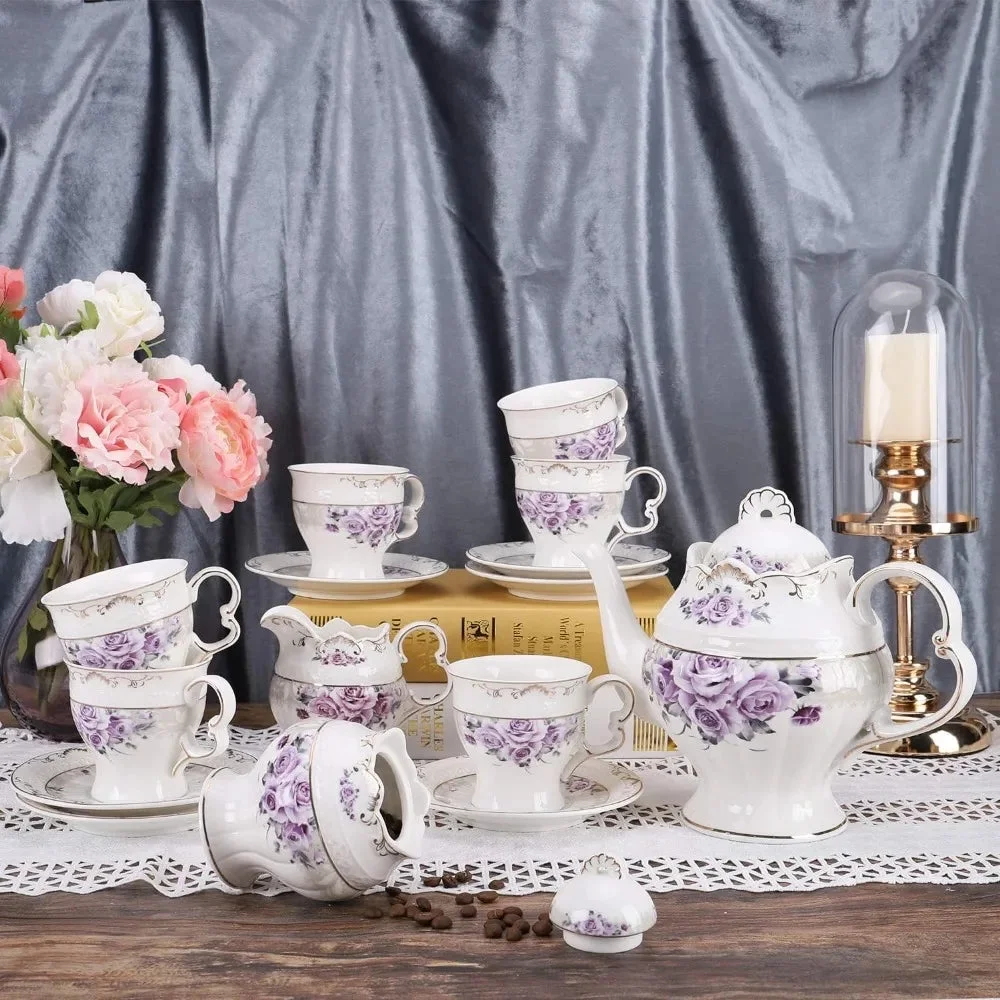
Coffeeware and teaware come in various forms, each designed for specific brewing methods and serving styles. Understanding these types can enhance your appreciation for these beautiful items and help you choose the right tools for your beverage preferences.
Coffeeware
Coffeeware includes items such as:
– Coffee Pots: These can range from traditional French presses to modern espresso machines, each offering a unique brewing method. The French press, for example, allows for full immersion of coffee grounds, resulting in a rich and robust flavor, while espresso machines use pressure to extract concentrated shots of coffee, perfect for lattes and cappuccinos.
– Cups and Mugs: Designed to enhance the drinking experience, these come in various sizes and styles, from delicate porcelain to sturdy ceramic. The choice of cup can influence the perception of the coffee’s aroma and flavor, with some materials retaining heat better than others.
– Accessories: Items like coffee grinders, filters, and milk frothers are essential for the coffee enthusiast, allowing for customization and control over the brewing process. A good grinder, for instance, can significantly impact the freshness and flavor of the coffee, as freshly ground beans release essential oils that contribute to the beverage’s aroma.
Teaware
Teaware encompasses:
– Teapots: Available in numerous designs, teapots can be made from materials like porcelain, glass, or cast iron, each affecting the tea’s flavor and temperature. A cast iron teapot, for example, retains heat exceptionally well, making it ideal for brewing strong black teas, while a glass teapot allows you to visually appreciate the color of the tea as it brews.
– Teacups and Saucers: Often intricately designed, these are essential for serving tea, with some cultures favoring specific shapes and sizes. In Chinese tea culture, for instance, small cups are used to enhance the tasting experience, allowing drinkers to savor the aroma and flavor of the tea.
– Infusers and Strainers: These tools are crucial for brewing loose leaf tea, allowing for the extraction of flavors without the leaves ending up in the cup. The use of a high-quality infuser can make a significant difference in the brewing process, ensuring that the tea leaves have enough space to expand and release their full flavor.
Materials Used in Coffeeware and Teaware
The materials used in coffeeware and teaware significantly impact their functionality and aesthetic appeal. Each material brings its own unique qualities to the brewing and drinking experience.
Porcelain
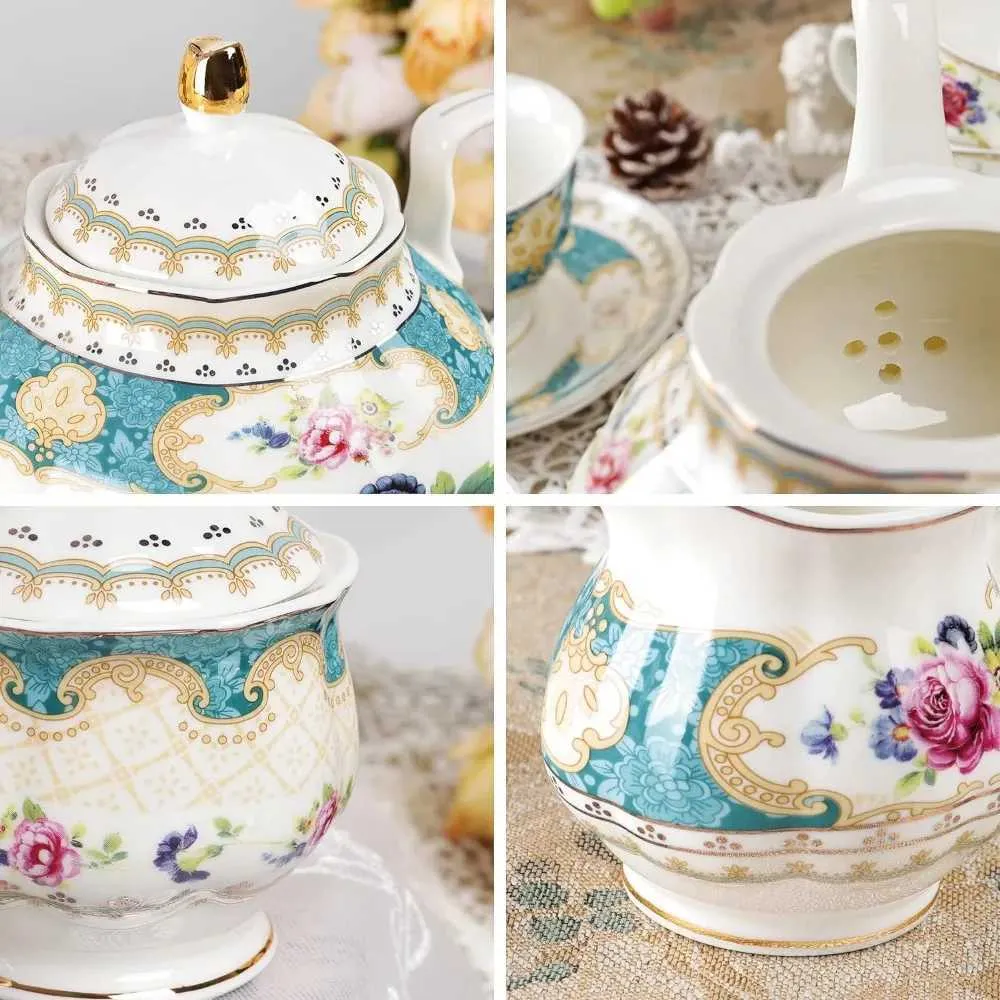
Porcelain is a popular choice for both coffeeware and teaware due to its ability to retain heat and its elegant appearance. It is often used for fine china sets, which are prized for their beauty and durability. The smooth surface of porcelain also makes it easy to clean, ensuring that the flavors of different beverages do not linger between uses. Additionally, porcelain can be intricately decorated, allowing for a wide range of artistic expressions that enhance the visual appeal of the tea or coffee service.
Glass
Glass teapots and coffee makers allow for a visual experience, showcasing the brewing process. They are often used for herbal teas and specialty coffees, where the color and clarity of the beverage are part of the enjoyment. The transparency of glass also allows drinkers to appreciate the infusion of colors and aromas as the beverage brews, creating a sensory experience that engages both sight and smell. Furthermore, glass is non-reactive, meaning it won’t alter the taste of the beverage, making it an excellent choice for those who appreciate the purity of flavor.
Metal
Metal teapots and coffee makers, such as those made from stainless steel or cast iron, are known for their durability and heat retention. They are often favored for their rustic charm and ability to keep beverages hot for extended periods. Cast iron teapots, for example, are not only functional but also serve as beautiful decorative pieces, often featuring intricate designs and vibrant colors. Stainless steel, on the other hand, is lightweight and resistant to rust, making it a practical choice for everyday use.
The Aesthetic Appeal of Coffeeware and Teaware
Beyond functionality, coffeeware and teaware are often designed with aesthetics in mind. Many pieces feature intricate designs, vibrant colors, and unique shapes that reflect cultural heritage and artistic expression. The visual appeal of these items can enhance the overall experience of enjoying coffee or tea, making each moment feel special.
Design Trends
Current trends in coffeeware and teaware emphasize minimalism and sustainability. Many brands are focusing on eco-friendly materials and designs that reduce waste while maintaining elegance. This shift reflects a growing awareness of environmental issues and a desire for products that are both beautiful and responsible. For instance, some companies are now producing teaware from recycled materials or using sustainable sourcing practices to create their products. This trend not only appeals to environmentally conscious consumers but also encourages a deeper connection to the items we use in our daily rituals.
Collectibility
For many enthusiasts, collecting unique pieces of coffeeware and teaware is a passion. Vintage sets, limited editions, and artisan-crafted items can be highly sought after, often becoming family heirlooms passed down through generations. Collecting can also serve as a way to connect with history and culture, as many pieces tell a story about the time and place in which they were made. Auctions and antique shops often feature rare finds that can add character and charm to any collection, making the pursuit of unique items an exciting journey for collectors.
The Ritual of Brewing and Serving
The process of brewing and serving coffee and tea is often seen as a ritual, one that can enhance the overall experience. Engaging in these rituals can provide a sense of calm and mindfulness, allowing individuals to take a moment to appreciate the flavors and aromas of their beverages.
Brewing Techniques
Different brewing techniques can significantly affect the flavor and aroma of coffee and tea. For coffee, methods such as pour-over, French press, and espresso each bring out distinct characteristics. The pour-over method, for example, allows for precise control over the water temperature and flow rate, resulting in a clean and flavorful cup. Similarly, tea can be brewed using various methods, including steeping in a teapot or using a gaiwan for traditional Chinese tea ceremonies. Each method not only influences the taste but also adds to the overall experience, as the act of brewing becomes a mindful practice.
Serving Etiquette
Serving coffee and tea also comes with its own set of etiquettes. In many cultures, the way beverages are presented can convey respect and hospitality. For instance, in a traditional Japanese tea ceremony, every movement is deliberate and meaningful, reflecting the importance of the moment. In contrast, Western coffee culture often emphasizes casual interactions, with coffee served in a more relaxed setting. Understanding these etiquettes can enhance the experience of sharing coffee or tea with others, fostering a sense of connection and appreciation for the beverage.
Conclusion
Coffeeware and teaware are more than just functional items; they are integral to the cultural practices surrounding coffee and tea. From the materials used to the rituals of brewing and serving, these items enhance our appreciation for these beloved beverages. Whether you are a casual drinker or a dedicated enthusiast, understanding the significance of coffeeware and teaware can deepen your enjoyment and connection to these timeless traditions. By embracing the art of coffeeware and teaware, we can transform our daily routines into moments of beauty and mindfulness.
How To Purchase:https://looperbuy.com/search?keywords=coats
Frequently Asked Questions
1. What is the difference between coffeeware and teaware?
Coffeeware refers specifically to items used for coffee preparation and serving, while teaware encompasses similar items for tea. Each category reflects the unique traditions and rituals associated with these beverages.
2. What materials are commonly used in coffeeware and teaware?
Common materials include porcelain, glass, and metal, each offering different benefits in terms of heat retention, aesthetic appeal, and durability. The choice of material can significantly impact the flavor and experience of the beverage.
3. How can I choose the right teapot for my needs?
Consider the type of tea you enjoy, the number of servings you typically make, and the aesthetic you prefer. Different materials and designs can enhance your brewing experience, so it’s essential to choose a teapot that aligns with your preferences.
4. Are there specific brewing techniques for coffee and tea?
Yes, coffee can be brewed using methods like pour-over, French press, or espresso, while tea can be steeped in a teapot or brewed using a gaiwan. Each method offers a unique flavor profile and experience, allowing for personalization based on individual tastes.
5. Why is the ritual of serving coffee and tea important?
Serving coffee and tea is often a cultural practice that reflects hospitality and respect. The way beverages are presented can enhance the overall experience and connection to tradition, making each moment spent enjoying these beverages more meaningful.