Table of Contents
Introduction: When Fashion Meets Fur—The New Era of Pet Apparel
Gone are the days when pet clothing was confined to oversized sweaters for shivering dogs or basic collars for cats. Today, designer pet clothes are stepping out of the shadows, blending high fashion, craftsmanship, and functional design to cater to the modern pet owner’s desire for style, comfort, and personal expression. From luxury brands like Gucci and Prada to indie designers specializing in eco-friendly fabrics, these garments are more than just accessories—they’re a statement of identity, a celebration of the human-animal bond, and a testament to the evolving role of pets in our lives. This article explores the design philosophy, materials, and cultural significance behind designer pet clothes, and why they’ve become a staple in the wardrobes of discerning pet parents.
Design Philosophy: Where Aesthetics Meets Function
Designer pet clothes are not just about looking good—they’re about solving real-world needs while elevating the ordinary. At their core lies a blend of artistry and practicality, shaped by three key principles:
1. Inspiration from Nature and Culture
Many designers draw inspiration from the natural world, translating patterns found in forests, oceans, or urban landscapes into fabric. For example, a designer might use watercolor-inspired prints to mimic autumn leaves, or geometric shapes inspired by honeycomb structures for durability. Cultural influences also play a role: Japanese washi paper patterns, Indigenous Australian dot art, or Scandinavian minimalism have all found their way onto pet garments, creating pieces that feel both timeless and on-trend.
2. Ergonomics for Active Lifestyles
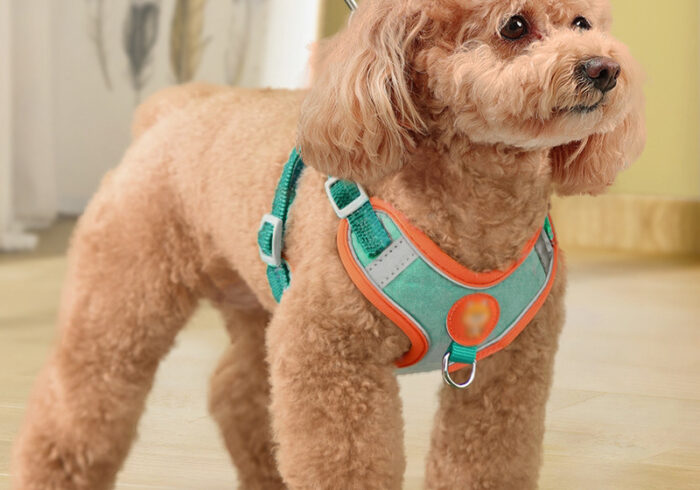
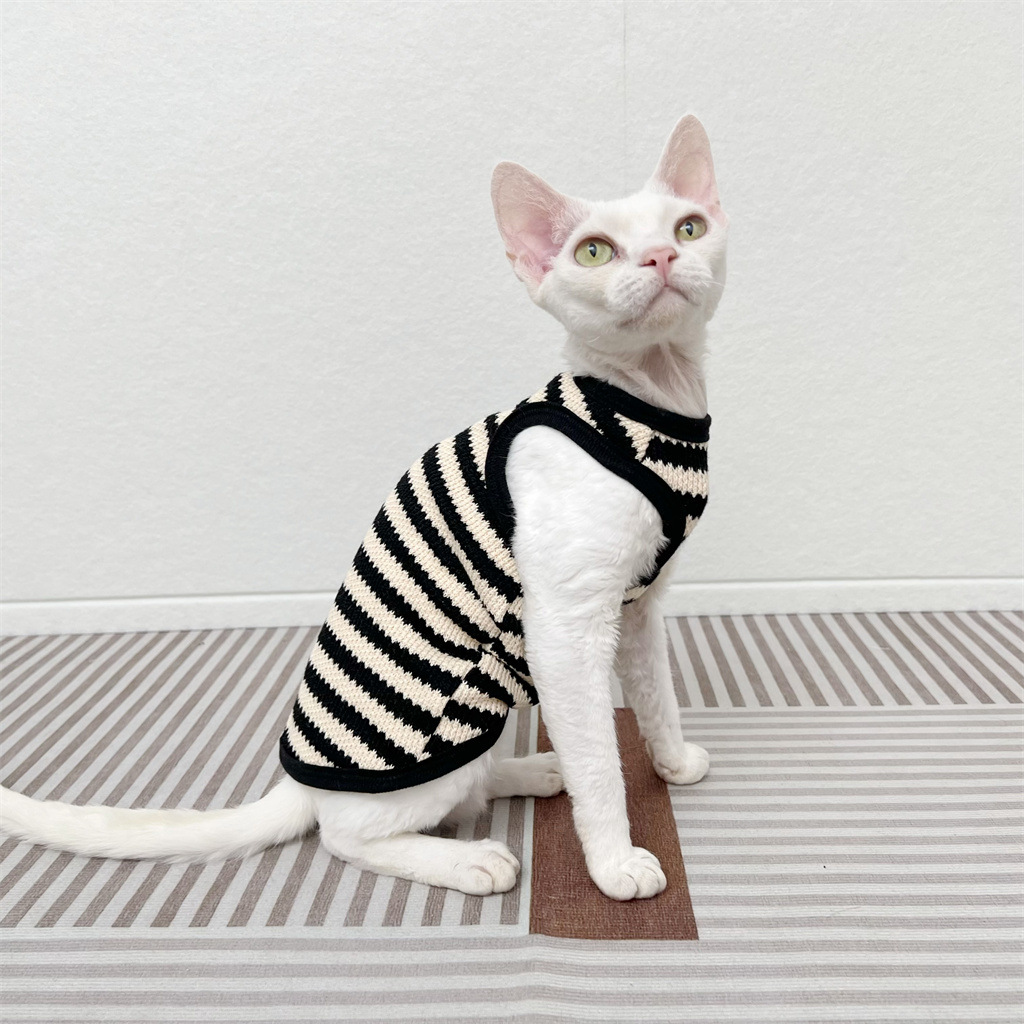
Pets are active creatures, and their clothing must keep up. Designers prioritize flexibility, breathability, and freedom of movement. For dogs, this might mean stretchy mesh panels under the belly for panting, or reinforced stitching at the joints to prevent tearing during runs. For cats, lightweight, form-fitting designs with adjustable straps ensure they can climb, pounce, or curl up without restriction. Even small details, like hidden Velcro closures or magnetic buckles, are engineered to make dressing (and undressing) a stress-free experience.
3. Storytelling Through Details
Every stitch, button, or embroidery tells a story. A collar with a tiny embroidered paw print, a jacket lined with fleece for extra warmth, or a bandana featuring a custom monogram—these elements turn a garment into a personal narrative. For many owners, dressing their pet is an act of love, a way to say, “You’re not just a pet; you’re family.”
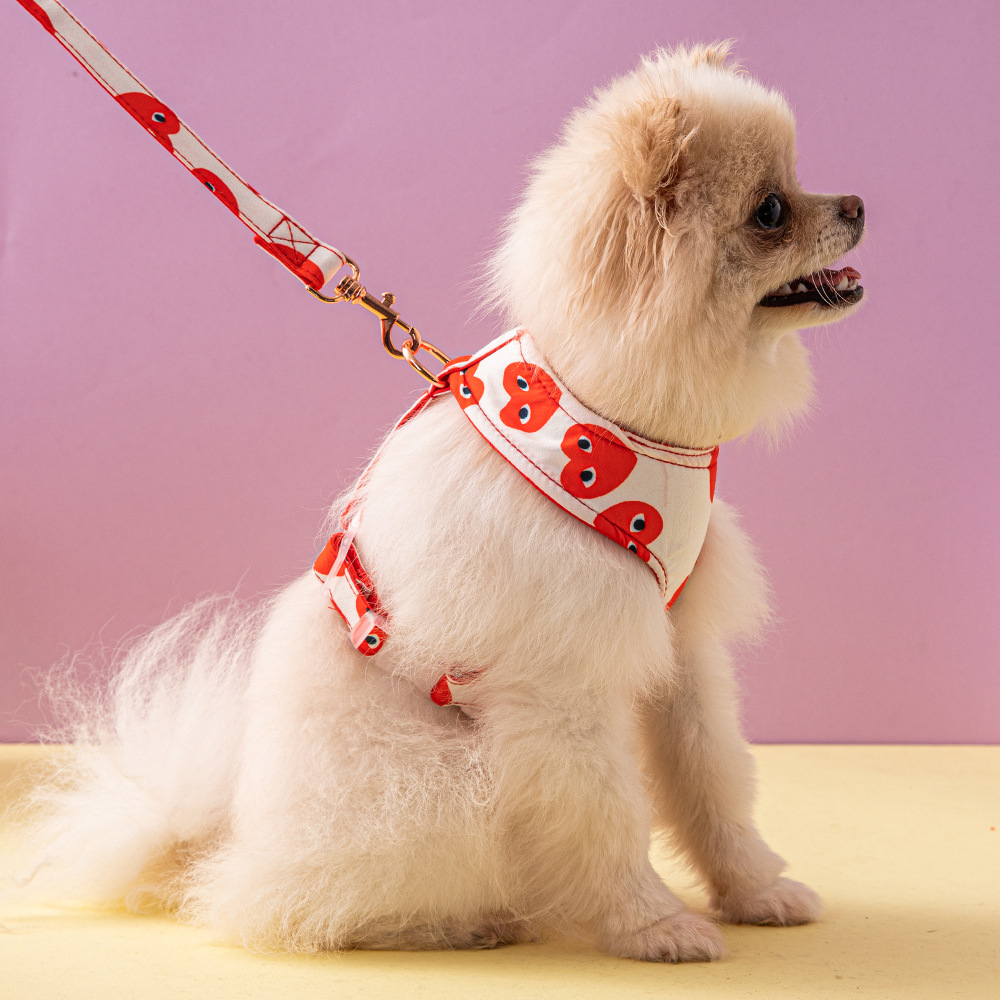
Materials: Balancing Luxury, Comfort, and Sustainability
The materials used in designer pet clothes are as important as the design itself. Today’s brands prioritize sustainability, durability, and pet safety, rejecting cheap synthetics in favor of innovative, eco-friendly fabrics:
1. Organic and Recycled Fabrics
Cotton, hemp, and linen—once reserved for human clothing—are now staples in pet apparel. These natural fibers are breathable, hypoallergenic, and biodegradable, reducing the environmental footprint of pet fashion. Brands like Wild One use recycled plastic bottles to create water-resistant jackets, while Pawtique sources organic cotton for soft, irritation-free collars.
2. High-Performance Synthetics with a Conscience
Not all synthetics are created equal. Designers are increasingly using recycled polyester (rPET) derived from post-consumer waste, which is lightweight, quick-drying, and durable—perfect for outdoor adventures. Brands like Ruffwear combine rPET with mesh panels for ventilation, ensuring pets stay cool even on hot days.
3. Luxury Materials for Posh Paws
For owners seeking opulence, designer pet clothes often incorporate luxury fabrics like silk, velvet, or cashmere. These materials are not just for show—they’re chosen for their softness and ability to drape elegantly on a pet’s frame. A silk-lined cape for a small dog, for example, feels indulgent while protecting against wind and rain.
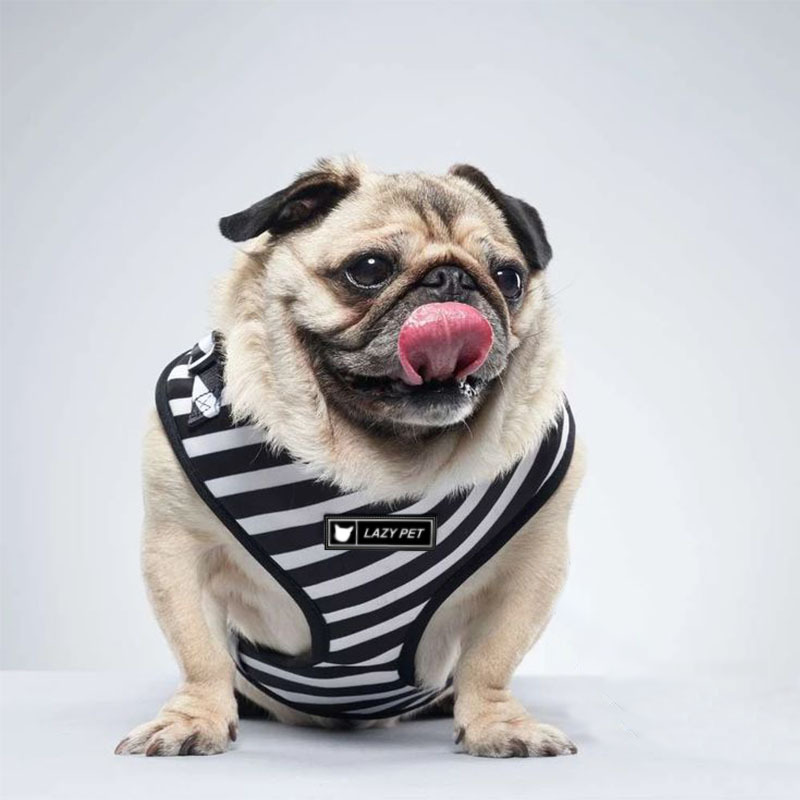
The Market: From Niche to Mainstream
Designer pet clothes have evolved from a niche market to a global phenomenon, driven by shifting consumer attitudes and social media influence:
1. The Rise of “Petfluencers”
Social media platforms like Instagram and TikTok have propelled designer pet clothes into the mainstream. Accounts featuring impeccably dressed pets—whether in couture gowns or quirky themed outfits—garner millions of followers, inspiring owners to invest in high-quality garments. Brands like Bark & Co. collaborate with influencers to create limited-edition collections, bridging the gap between fashion and pet culture.
2. Customization: The Ultimate Personal Touch
Owners no longer settle for one-size-fits-all. Many designers offer custom sizing, color options, and even monogramming services. For example, The Farmer’s Dog lets customers choose from hundreds of fabrics and patterns to create a jacket that matches their pet’s personality—whether it’s a bold plaid for a spirited terrier or a pastel floral for a gentle senior.
3. Sustainability as a Selling Point
Consumers are increasingly conscious of their environmental impact, and designers are responding. Brands like Patagonia (yes, the outdoor gear giant) have launched pet lines using recycled materials, while Eco-Pet specializes in biodegradable collars and leashes. This shift toward sustainability isn’t just ethical—it’s also profitable, as 62% of millennial pet owners say they’d pay more for eco-friendly pet products.
Why Owners Choose Designer Pet Clothes: More Than Just Looks
Beyond aesthetics, designer pet clothes serve a deeper purpose, fulfilling emotional and practical needs:
1. Bonding and Quality Time
Dressing a pet can be a bonding experience. The process of selecting a garment, measuring their size, and putting it on together fosters connection, turning a routine task into a moment of intimacy. For busy owners, it’s a way to slow down and engage with their pet.
2. Social Recognition and Belonging
In many communities, a well-dressed pet is a source of pride. Whether it’s a dog parading in a designer jacket at a local park or a cat sporting a themed bandana at a café, these garments signal membership in a community of like-minded pet lovers. They spark conversations, forge friendships, and turn ordinary outings into memorable events.
3. Protection and Comfort
Let’s not forget the practical side. Designer pet clothes often include features like UV protection, water resistance, or insect repellent treatments, keeping pets safe and comfortable in harsh weather or outdoor environments. A waterproof coat for a rainy walk or a fleece-lined vest for cold winters isn’t just stylish—it’s functional.
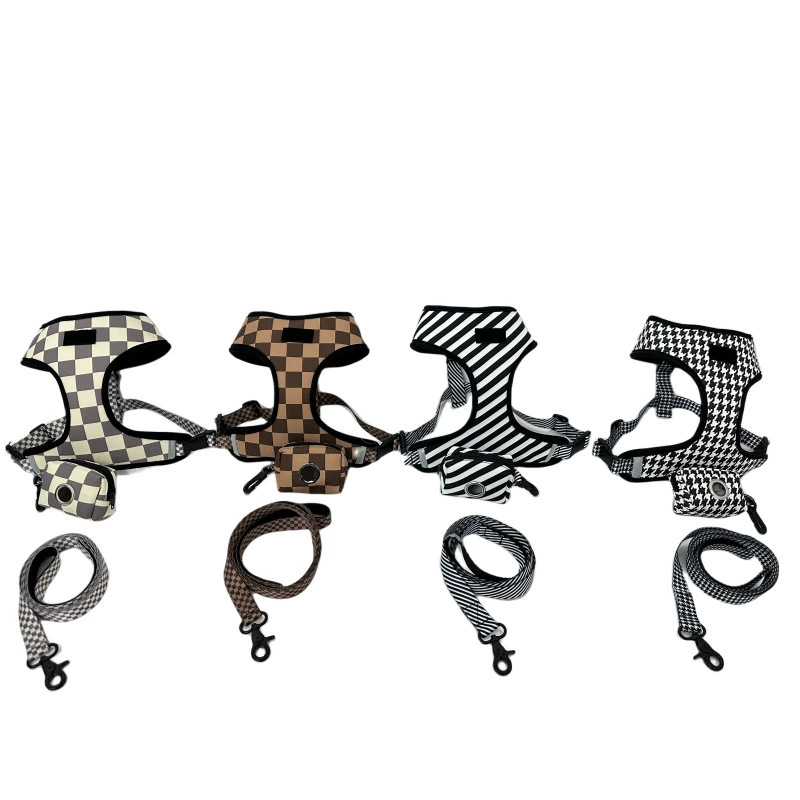
Conclusion: Fashion, Function, and the Unbreakable Bond
Designer pet clothes are more than a fleeting trend—they’re a reflection of how we view our pets: as family members, companions, and individuals with unique personalities. By blending artistry, sustainability, and functionality, these garments elevate the ordinary act of dressing a pet into an expression of love and care. As the market continues to grow, one thing remains clear: designer pet clothes aren’t just for the elite—they’re for anyone who sees their pet as more than just an animal, but as a cherished part of their lives.
How to purchase: https://looperbuy.com/search?keywords=designer+pet+clothes&globalType=1688
Frequently Asked Questions (FAQs)
1. How do I choose the right size for my pet’s designer clothes? Measure your pet’s chest, neck, and length (from nose to tail) using a soft tape measure. Most brands provide size charts, but it’s best to consult customer service if your pet falls between sizes. For growing puppies or kittens, opt for adjustable designs with elastic straps.
2. Are designer pet clothes machine-washable? It depends on the material. Many natural fabrics (cotton, hemp) and recycled synthetics (rPET) are machine-washable, but always check the care label. Delicate materials like silk or velvet may require hand-washing or dry cleaning to preserve their quality.
3. Do designer pet clothes restrict a pet’s movement? No—reputable brands prioritize ergonomics. Look for garments with stretchy panels, reinforced stitching, and adjustable closures (like Velcro or buckles) to ensure your pet can move freely. Avoid overly tight or bulky designs.
4. Are there designer pet clothes for pets with special needs? Absolutely. Many brands offer adaptive designs for pets with disabilities, such as wheelchairs with padded straps, sensory-friendly fabrics for anxious pets, or orthopedic supports for older animals. Always research brands that specialize in inclusive pet fashion.
5. How much do designer pet clothes typically cost? Prices vary widely. Entry-level designer pieces (like basic sweaters or collars) start at 30-50, while luxury items (custom gowns, high-performance jackets) can cost 200-500. Indie brands often offer mid-range options (around 70-150) with unique designs.
Hot Tags: Designer pet clothes; Pet fashion trends; Eco-friendly pet gear; Luxury pet apparel; Pet-owner bonding; Custom pet clothing; Sustainable pet fashion; High-performance pet wear; Petfluencer influence; Pet clothing care