Table of Contents
Introduction to E-Commerce Evolution
The landscape of e-commerce has undergone significant transformations over the past decade. With the rise of technology and changing consumer behaviors, businesses are continually adapting to meet the demands of the digital marketplace. One of the most intriguing developments in this realm is the emergence of innovative business models that challenge traditional retail paradigms. This article delves into various e-commerce models, their implications for businesses and consumers, and the future of online shopping.
Understanding E-Commerce Models
Traditional Retail vs. E-Commerce
Traditional retail involves physical stores where consumers can browse and purchase products. In contrast, e-commerce allows businesses to sell products online, reaching a global audience without the constraints of physical locations. This shift has led to the rise of various e-commerce models, each with its unique characteristics and advantages.
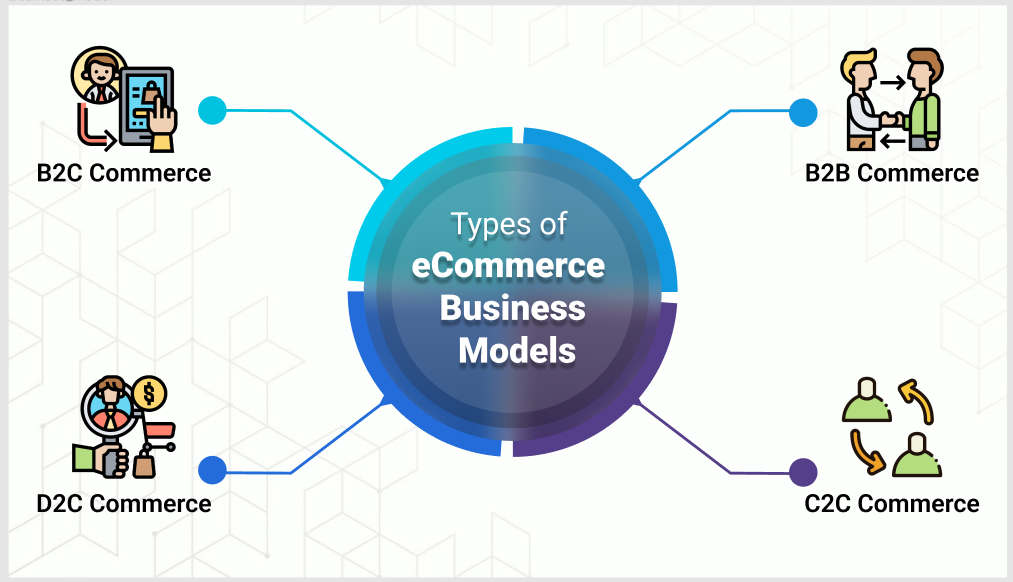
Direct-to-Consumer (DTC) Model
The Direct-to-Consumer model eliminates intermediaries, allowing brands to sell directly to consumers. This approach fosters a closer relationship between brands and their customers, enabling personalized marketing and improved customer service. DTC brands often leverage social media and digital marketing to build their presence and engage with their audience.
For instance, companies like Warby Parker and Glossier have successfully utilized the DTC model to disrupt traditional industries. Warby Parker revolutionized the eyewear market by offering stylish glasses at affordable prices, while Glossier built a beauty brand rooted in community feedback and social media engagement. These brands exemplify how DTC can create a loyal customer base and drive sales through direct engagement.
Subscription-Based E-Commerce
Subscription-based models have gained popularity in recent years, offering consumers the convenience of regular deliveries for products they use frequently. This model is prevalent in industries such as beauty, food, and entertainment. Companies like Dollar Shave Club and Birchbox have successfully implemented subscription services, providing curated experiences that enhance customer loyalty.
The subscription model not only ensures a steady revenue stream for businesses but also fosters a sense of anticipation among consumers. For example, meal kit services like Blue Apron and HelloFresh have capitalized on this trend by delivering fresh ingredients and recipes directly to customers’ doors, making cooking at home more accessible and enjoyable.
Marketplace Platforms
Marketplace platforms, such as Amazon and eBay, serve as intermediaries connecting buyers and sellers. These platforms provide a vast array of products, allowing consumers to compare prices and read reviews before making a purchase. For sellers, marketplaces offer access to a large customer base without the need for extensive marketing efforts.
However, while marketplaces provide significant advantages, they also come with challenges. Sellers must navigate fees, competition from other sellers, and the platform’s policies. Additionally, the reliance on a third-party platform can limit a brand’s ability to build direct relationships with customers.
The Role of Technology in E-Commerce
Artificial Intelligence and Machine Learning
Artificial intelligence (AI) and machine learning are revolutionizing e-commerce by enabling personalized shopping experiences. Retailers can analyze consumer data to predict preferences and recommend products tailored to individual tastes. Chatbots powered by AI also enhance customer service by providing instant responses to inquiries.
Moreover, AI-driven analytics can help businesses optimize their inventory management and pricing strategies. By analyzing market trends and consumer behavior, companies can make data-driven decisions that improve efficiency and profitability. For instance, retailers can use predictive analytics to forecast demand for specific products, ensuring they have the right stock levels to meet customer needs.
Augmented Reality (AR) and Virtual Reality (VR)
AR and VR technologies are transforming the way consumers interact with products online. Retailers can use AR to allow customers to visualize how products will look in their homes, while VR can create immersive shopping experiences. These technologies enhance engagement and reduce the uncertainty often associated with online shopping.
For example, furniture retailers like IKEA have implemented AR apps that enable customers to see how a piece of furniture would fit in their space before making a purchase. This not only enhances the shopping experience but also reduces the likelihood of returns, benefiting both consumers and retailers.
Mobile Commerce
With the increasing use of smartphones, mobile commerce has become a significant driver of e-commerce growth. Businesses are optimizing their websites and applications for mobile devices, ensuring a seamless shopping experience. Mobile payment options, such as digital wallets, further facilitate transactions, making it easier for consumers to shop on the go.
The rise of mobile commerce has also led to the development of mobile-first strategies, where businesses prioritize mobile experiences in their marketing and sales efforts. This includes optimizing websites for mobile devices, creating mobile apps, and utilizing SMS marketing to reach consumers directly.
Challenges Facing E-Commerce Businesses
Competition and Market Saturation
As e-commerce continues to grow, competition among businesses intensifies. New entrants are constantly emerging, making it challenging for established brands to maintain their market share. Companies must differentiate themselves through unique value propositions, exceptional customer service, and innovative marketing strategies.
To stand out in a crowded market, businesses can focus on niche markets or specialized products. For instance, brands that cater to specific consumer needs, such as eco-friendly products or handmade goods, can carve out a loyal customer base. Additionally, leveraging social media and influencer marketing can help brands reach new audiences and build brand awareness.
Logistics and Supply Chain Management
Efficient logistics and supply chain management are crucial for e-commerce success. Businesses must ensure timely delivery of products while managing inventory effectively. The rise of same-day and next-day delivery expectations has heightened the importance of logistics in the e-commerce landscape.
To meet these demands, many e-commerce companies are investing in advanced logistics solutions, such as automated warehouses and real-time tracking systems. These technologies enable businesses to streamline their operations and provide customers with accurate delivery estimates, enhancing the overall shopping experience.
Cybersecurity Concerns
As e-commerce transactions increase, so do concerns about cybersecurity. Businesses must invest in robust security measures to protect customer data and build trust. Implementing secure payment gateways and adhering to data protection regulations are essential steps in safeguarding sensitive information.
Additionally, educating employees about cybersecurity best practices is crucial. Human error is often a significant factor in data breaches, so training staff to recognize phishing attempts and other security threats can help mitigate risks.
The Future of E-Commerce
Sustainability and Ethical Practices
Consumers are becoming increasingly conscious of sustainability and ethical practices. E-commerce businesses that prioritize eco-friendly products and transparent supply chains are likely to resonate with environmentally aware consumers. Brands that adopt sustainable practices can enhance their reputation and attract a loyal customer base.
For example, companies like Patagonia and Allbirds have built their brands around sustainability, using recycled materials and ethical manufacturing processes. By aligning their values with those of their customers, these brands have cultivated a strong following and demonstrated that sustainability can be a profitable business strategy.
Social Commerce
Social media platforms are evolving into shopping destinations, blurring the lines between social interaction and e-commerce. Brands are leveraging social commerce to reach consumers where they spend their time online. Features like shoppable posts and live shopping events are gaining traction, providing new avenues for sales.
Platforms like Instagram and TikTok have introduced shopping features that allow users to purchase products directly from their feeds. This integration of social media and e-commerce creates a seamless shopping experience, enabling brands to engage with consumers in a more interactive and dynamic way.
Global Expansion
E-commerce offers businesses the opportunity to expand globally without the need for physical stores. Companies can tap into international markets, reaching consumers in different regions. However, this expansion requires an understanding of local regulations, cultural differences, and consumer preferences.
To successfully enter new markets, businesses must conduct thorough market research and adapt their marketing strategies to resonate with local audiences. This may involve translating content, adjusting pricing strategies, and considering local payment methods to enhance the shopping experience for international customers.
Conclusion
The future of e-commerce is bright, with innovative business models and technological advancements shaping the landscape. As businesses adapt to changing consumer behaviors and preferences, the focus on personalization, sustainability, and seamless shopping experiences will be paramount. By embracing these trends, e-commerce companies can thrive in an increasingly competitive environment.
As e-commerce continues to evolve, platforms like LooperBuy are poised to help businesses navigate these changes and optimize their online sales strategies. For more information, visit https://looperbuy.com/.
Related Questions & Answers
· What is the Direct-to-Consumer model? The Direct-to-Consumer model allows brands to sell products directly to consumers, eliminating intermediaries and fostering closer relationships.
· How does artificial intelligence impact e-commerce? AI enhances e-commerce by enabling personalized shopping experiences, predicting consumer preferences, and improving customer service through chatbots.
· What are the benefits of subscription-based e-commerce? Subscription-based e-commerce offers convenience, regular deliveries, and curated experiences, enhancing customer loyalty and satisfaction.
· What challenges do e-commerce businesses face? E-commerce businesses face challenges such as intense competition, logistics management, and cybersecurity concerns.
· How is social commerce changing the e-commerce landscape? Social commerce integrates shopping with social media, allowing brands to reach consumers through shoppable posts and live events, enhancing engagement and sales.
Hot Tags: E-Commerce Trends; Online Shopping; Digital Marketing; Consumer Behavior; Subscription Services; Marketplace Platforms; Mobile Commerce; Artificial Intelligence; Social Commerce