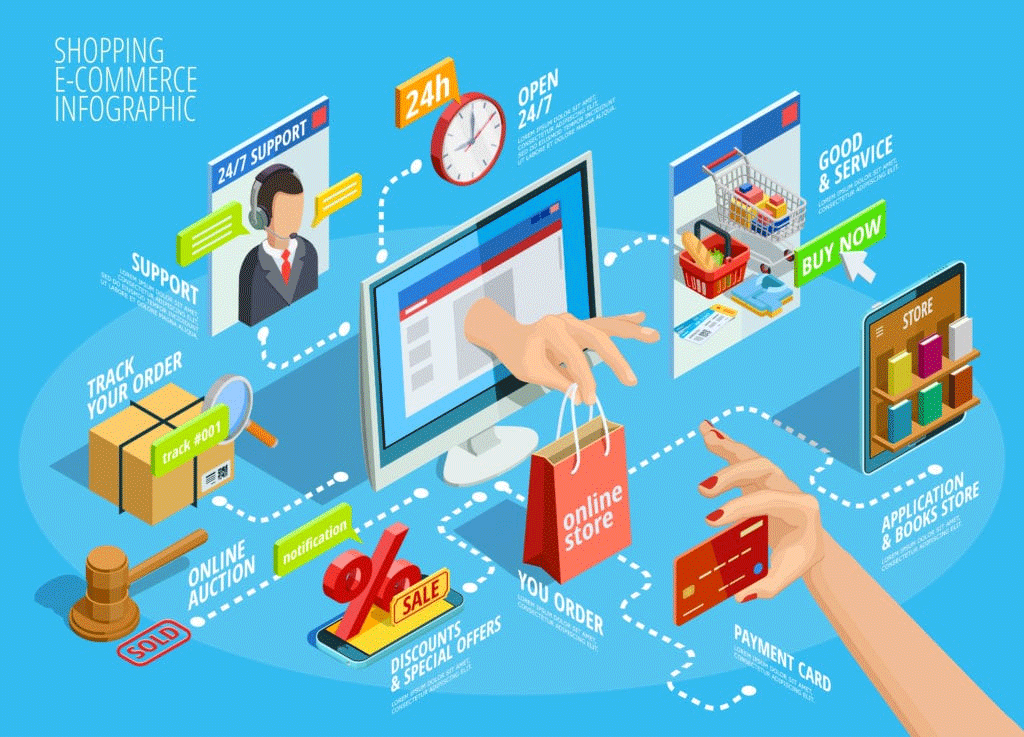
In today’s digital age, e-commerce has transformed the way businesses operate and consumers shop. This article explores effective strategies for maximizing your e-commerce potential, providing insights into market trends, customer engagement, and operational excellence.

Table of Contents
The E-Commerce Revolution
E-commerce has revolutionized retail, offering businesses the opportunity to reach a global audience. Understanding the dynamics of this marketplace is essential for success.
The Growth of Online Shopping
The rise of online shopping has been fueled by technological advancements and changing consumer behaviors. With the convenience of shopping from home, consumers are increasingly turning to online platforms for their purchases. This trend presents a significant opportunity for businesses to tap into a broader customer base.
Understanding Consumer Behavior
To succeed in e-commerce, it’s crucial to understand consumer behavior. Factors such as convenience, price sensitivity, and product availability influence purchasing decisions. By analyzing these behaviors, businesses can tailor their offerings to meet customer needs effectively.
The Impact of Mobile Commerce
Mobile commerce, or m-commerce, has become a significant driver of e-commerce growth. With the increasing use of smartphones, consumers are more likely to shop on mobile devices. Businesses must ensure their websites are mobile-friendly, providing a seamless shopping experience across all devices. This includes optimizing page load times, simplifying navigation, and ensuring that the checkout process is straightforward and efficient.
Building a Strong Online Presence
Creating a robust online presence is fundamental to attracting and retaining customers in the competitive e-commerce landscape.
Developing a User-Friendly Website
A user-friendly website is the cornerstone of any successful e-commerce business. Ensure that your website is easy to navigate, visually appealing, and optimized for mobile devices. High-quality images and detailed product descriptions can enhance the shopping experience and encourage conversions.
Implementing Effective SEO Strategies
Search engine optimization (SEO) is vital for improving your website’s visibility in search engine results. Optimize your product pages with relevant keywords, meta descriptions, and alt tags for images. Regularly updating your content and maintaining a blog can also enhance your SEO efforts. Additionally, consider local SEO strategies if you have a physical presence, as this can help attract nearby customers.
Content Marketing as a Tool for Engagement
Content marketing is an effective way to engage customers and drive traffic to your website. By creating valuable content, such as blog posts, videos, and infographics, you can establish your brand as an authority in your niche. This not only helps with SEO but also builds trust with your audience. Consider creating how-to guides, product comparisons, and industry insights that resonate with your target market.
Engaging Customers Through Marketing
Effective marketing strategies are essential for driving traffic to your online store and converting visitors into loyal customers.
Utilizing Social Media Marketing
Social media platforms are powerful tools for promoting your e-commerce business. Create engaging content that resonates with your audience and encourages sharing. Utilize paid advertising options to reach a broader audience and drive targeted traffic to your website. Platforms like Instagram and Facebook are particularly effective for visual products, while LinkedIn can be beneficial for B2B e-commerce.
Email Marketing Campaigns
Email marketing remains one of the most effective ways to engage customers. Build an email list and send regular newsletters featuring promotions, new products, and personalized recommendations. This approach helps maintain customer relationships and encourages repeat purchases. Segment your email list based on customer behavior and preferences to deliver more targeted content.
Influencer Marketing
Influencer marketing has gained traction in recent years as a way to reach new audiences. Collaborating with influencers who align with your brand can help you tap into their followers and build credibility. Choose influencers who genuinely resonate with your target market and can authentically promote your products.
Streamlining Operations for Efficiency
Efficient operations are crucial for maintaining customer satisfaction and ensuring smooth business processes.
Inventory Management Solutions
Effective inventory management helps prevent stockouts and overstock situations. Utilize inventory management software to track stock levels, manage suppliers, and forecast demand. This will enable you to make informed purchasing decisions and maintain optimal inventory levels. Implementing just-in-time inventory practices can also help reduce holding costs and improve cash flow.
Shipping and Fulfillment Strategies
Developing a reliable shipping and fulfillment strategy is essential for delivering products to customers promptly. Consider partnering with third-party logistics providers to streamline your shipping process. Offering multiple shipping options can enhance customer satisfaction and encourage repeat purchases. Additionally, providing real-time tracking information can improve the customer experience by keeping them informed about their order status.
Returns Management
An efficient returns management process is vital for maintaining customer trust. Clearly communicate your return policy on your website and make the return process as simple as possible. Consider offering free returns to enhance customer satisfaction and encourage purchases, as many consumers are more likely to buy if they know they can return items easily.
Analyzing Performance and Adapting Strategies
Regularly analyzing your business performance is vital for identifying areas for improvement and ensuring long-term success.
Utilizing Analytics Tools
Implement analytics tools to track key performance indicators (KPIs) such as website traffic, conversion rates, and customer behavior. This data can provide valuable insights into your business’s strengths and weaknesses, allowing you to make data-driven decisions. Tools like Google Analytics can help you understand user behavior on your site, while e-commerce platforms often provide built-in analytics features.
Gathering Customer Feedback
Customer feedback is a valuable resource for improving your products and services. Encourage customers to leave reviews and conduct surveys to gather insights on their experiences. Use this feedback to make necessary adjustments and enhance customer satisfaction. Consider implementing a Net Promoter Score (NPS) survey to gauge customer loyalty and satisfaction.
A/B Testing for Continuous Improvement
A/B testing is a powerful method for optimizing your website and marketing strategies. By testing different versions of your web pages, emails, or ads, you can determine which elements resonate best with your audience. This data-driven approach allows you to make informed decisions that can lead to higher conversion rates and improved customer engagement.
Embracing Sustainability in E-Commerce
As consumers become more environmentally conscious, integrating sustainable practices into your e-commerce business can enhance your brand image and attract eco-minded customers.
Sustainable Sourcing and Packaging
Consider sourcing products from sustainable suppliers and using eco-friendly packaging materials. Highlighting these practices on your website can appeal to environmentally conscious consumers and differentiate your brand in a crowded market.
Carbon Offsetting Initiatives
Implementing carbon offsetting initiatives can further enhance your sustainability efforts. Consider partnering with organizations that focus on reforestation or renewable energy projects. Communicate these initiatives to your customers, as many consumers appreciate brands that take responsibility for their environmental impact.
Conclusion
Maximizing your e-commerce potential requires a comprehensive understanding of market trends, customer engagement, and operational efficiency. By implementing effective strategies and continuously improving your operations, you can establish a successful online retail business that stands out in a competitive market.
To further enhance your e-commerce journey and discover innovative solutions for your online business, visit https://looperbuy.com/
Related Questions & Answers
· What are the most effective ways to personalize the e-commerce customer experience? Personalization can be achieved through targeted email campaigns, product recommendations based on browsing history, and customized landing pages that cater to individual preferences.
· How can AI and machine learning be leveraged to improve e-commerce operations? AI and machine learning can enhance customer service through chatbots, optimize inventory management by predicting demand, and personalize marketing efforts by analyzing customer data.
· What are some emerging trends in sustainable e-commerce practices? Emerging trends include sustainable sourcing, eco-friendly packaging, carbon offsetting initiatives, and transparency in supply chains to appeal to environmentally conscious consumers.
Hot Tags: E-Commerce Strategies; Online Shopping Trends; Customer Engagement; SEO for E-Commerce; Social Media Marketing; Email Marketing; Inventory Management; Shipping Solutions; Performance Analysis