In recent years, the concept of drop shipping has gained immense popularity among aspiring entrepreneurs. This business model allows individuals to sell products online without the need to maintain inventory or handle shipping logistics. The drop shipping lifestyle not only offers a flexible work schedule but also the potential for significant financial rewards. In this article, we will explore the various aspects of the drop shipping lifestyle, including its benefits, challenges, and practical steps to get started.
Table of Contents
Understanding Drop Shipping
What is Drop Shipping?
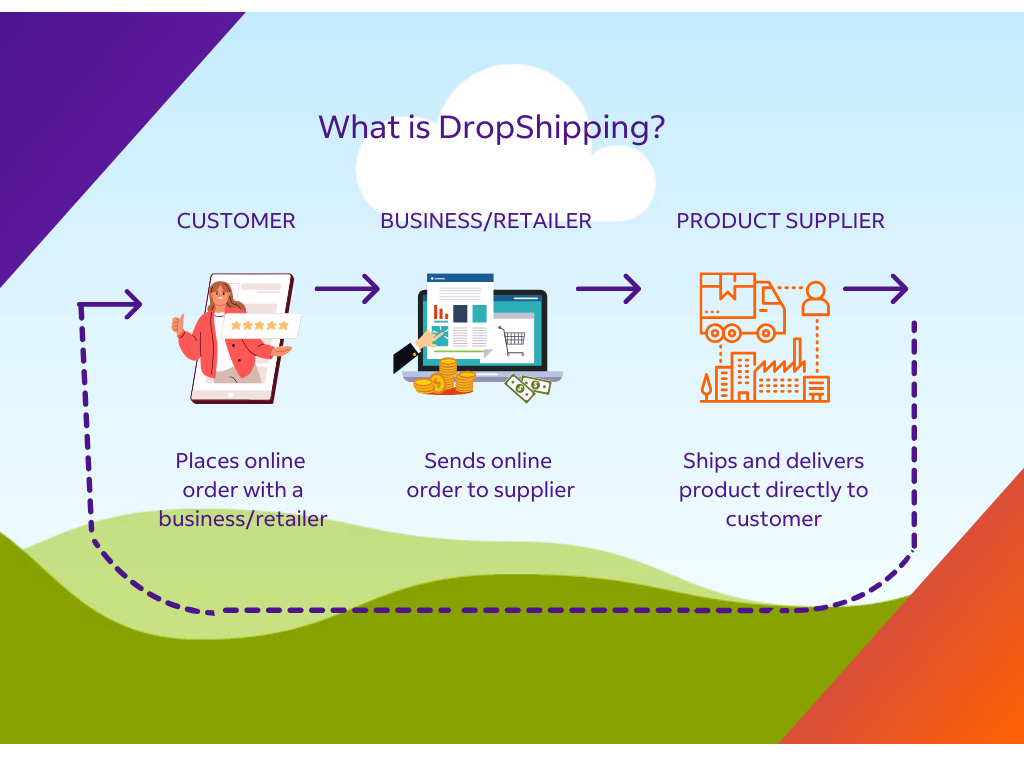
Drop shipping is a retail fulfillment method where a store does not keep the products it sells in stock. Instead, when a store sells a product, it purchases the item from a third party and has it shipped directly to the customer. This means that the seller never sees or handles the product. The primary advantage of this model is that it eliminates the need for inventory management and reduces upfront costs.
How Does Drop Shipping Work?
The drop shipping process involves several key steps:
- Setting Up an Online Store: Entrepreneurs can create an online store using various eCommerce platforms that provide user-friendly interfaces for setting up an eCommerce site.
- Choosing a Niche: Successful drop shippers often focus on a specific niche to target a particular audience. This could range from fashion and beauty products to electronics and home goods.
- Finding Suppliers: Once a niche is selected, the next step is to find reliable suppliers. Various online marketplaces and directories are popular choices for sourcing products.
- Listing Products: After selecting suppliers, entrepreneurs can list products on their online store, complete with descriptions, images, and pricing.
- Marketing the Store: Effective marketing strategies, including social media advertising, search engine optimization (SEO), and email marketing, are crucial for driving traffic to the store.
- Processing Orders: When a customer places an order, the seller forwards the order details to the supplier, who then ships the product directly to the customer.
- Customer Service: Providing excellent customer service is essential for maintaining a good reputation and encouraging repeat business.
The Benefits of the Drop Shipping Lifestyle
Flexibility and Freedom
One of the most appealing aspects of the drop shipping lifestyle is the flexibility it offers. Entrepreneurs can work from anywhere with an internet connection, allowing them to travel or spend more time with family. This lifestyle is particularly attractive to digital nomads who wish to explore the world while running their businesses. The ability to set your own hours and work from any location can lead to a more balanced and fulfilling life.
Low Startup Costs
Unlike traditional retail businesses that require significant investment in inventory, drop shipping allows individuals to start with minimal upfront costs. This makes it an accessible option for those who may not have substantial capital to invest. The ability to test products without financial risk is a significant advantage for new entrepreneurs. Additionally, many eCommerce platforms offer free trials, allowing you to start without any initial investment.
Scalability
The drop shipping model is highly scalable. As sales increase, entrepreneurs can easily add new products and suppliers without the constraints of physical inventory. This scalability allows for rapid growth and the potential for substantial profits. Many successful drop shippers have scaled their businesses to six or even seven figures by leveraging effective marketing strategies and expanding their product lines. The ability to quickly adapt to market trends and consumer demands is a key factor in achieving long-term success.
Diverse Product Range
Drop shippers can offer a wide variety of products without the risk of being stuck with unsold inventory. This diversity enables them to test different markets and adapt to changing consumer preferences. By analyzing sales data and customer feedback, entrepreneurs can quickly pivot their offerings to meet demand. This flexibility allows drop shippers to stay ahead of trends and capitalize on emerging markets.
Community and Networking Opportunities
The drop shipping lifestyle often leads to connections with like-minded individuals. Many entrepreneurs join online communities or attend conferences and workshops, providing opportunities for networking, collaboration, and learning from others’ experiences. This sense of community can be invaluable for motivation and support, as sharing successes and challenges can lead to valuable insights. Engaging with other drop shippers can also provide access to resources, mentorship, and potential partnerships.
Passive Income Potential
While drop shipping requires active management, it also has the potential to generate passive income. Once a store is established and optimized, entrepreneurs can continue to earn money with minimal ongoing effort. Automating processes such as order fulfillment and customer communication can further enhance this passive income potential. Many drop shippers find that they can maintain their businesses while pursuing other interests or even traveling.
Challenges of the Drop Shipping Lifestyle
Thin Profit Margins
While drop shipping can be profitable, the margins are often thin. Competition is fierce, and many drop shippers may find themselves in price wars, which can erode profits. It’s essential to find a balance between competitive pricing and maintaining healthy margins. Successful drop shippers often focus on high-ticket items or unique products that allow for better profit margins. Understanding your costs and pricing strategy is crucial for long-term sustainability.
Supplier Reliability
The success of a drop shipping business heavily relies on the reliability of suppliers. Delays in shipping, poor product quality, or lack of communication can lead to dissatisfied customers and damage the seller’s reputation. Building strong relationships with trustworthy suppliers is crucial. Entrepreneurs should regularly communicate with suppliers and monitor their performance to ensure a smooth operation. Establishing clear expectations and maintaining open lines of communication can help mitigate potential issues.
Customer Service Issues
Since drop shippers do not handle the products directly, they must rely on suppliers for order fulfillment. This can lead to challenges in customer service, especially if issues arise with shipping or product quality. Providing timely and effective customer support is essential to mitigate these challenges. Establishing clear communication channels and setting customer expectations can help manage potential issues. Additionally, having a well-defined return policy can enhance customer satisfaction and trust.
Marketing and Competition
With the low barrier to entry, many individuals are entering the drop shipping market, leading to increased competition. Effective marketing strategies are necessary to stand out and attract customers. This may require investment in advertising and continuous learning about digital marketing trends. Utilizing social media, influencer partnerships, and content marketing can help differentiate a drop shipping business from competitors. Staying informed about industry trends and consumer behavior is essential for maintaining a competitive edge.
Legal Considerations
Starting a drop shipping business also involves understanding legal requirements. Entrepreneurs must ensure compliance with local laws regarding eCommerce, taxes, and consumer protection. This may include obtaining necessary licenses, understanding sales tax obligations, and adhering to regulations regarding product safety and returns. Consulting with a legal professional can help navigate these complexities. Additionally, understanding intellectual property rights and ensuring that products do not infringe on trademarks is crucial.
Steps to Start Your Drop Shipping Journey
Step 1: Research and Choose Your Niche
Before diving into the drop shipping business, it’s essential to conduct thorough market research. Identify a niche that interests you and has a demand in the market. Consider factors such as target audience, competition, and potential profitability. Tools like Google Trends and keyword research can help gauge interest in specific products. Additionally, exploring social media platforms can provide insights into trending products and consumer preferences. Engaging with potential customers through surveys or focus groups can also help refine your niche selection.
Step 2: Select a Reliable E-Commerce Platform
Choose an e-commerce platform that suits your needs. Many platforms are popular for their user-friendly interfaces and extensive app ecosystems. Evaluate the features, pricing, and scalability of each platform before making a decision. Consider factors such as payment gateways, shipping options, and customer support. A well-chosen platform can significantly impact your business’s success.
Step 3: Find Suppliers
Research and connect with suppliers who offer products in your chosen niche. Look for suppliers with a good reputation, positive reviews, and reliable shipping options. Consider using various online marketplaces and directories to find potential suppliers. It’s also beneficial to order samples to assess product quality and shipping times. Building a relationship with suppliers can lead to better pricing and priority service. Additionally, consider diversifying your supplier base to mitigate risks associated with relying on a single source.
Step 4: Build Your Online Store
Create your online store by customizing your chosen platform. Focus on creating an appealing design, easy navigation, and clear product descriptions. High-quality images and engaging content can significantly enhance the shopping experience. Additionally, ensure that your website is mobile-friendly, as many consumers shop on their smartphones. Implementing a user-friendly checkout process can also reduce cart abandonment rates. Consider adding features such as customer reviews, product recommendations, and live chat support to enhance user experience.
Step 5: Implement Marketing Strategies
Develop a marketing plan to drive traffic to your store. Utilize social media platforms, search engine optimization, and email marketing to reach your target audience. Consider running paid advertising campaigns to boost visibility and sales. Collaborating with influencers in your niche can also help expand your reach and credibility. Regularly analyze the performance of your marketing efforts and adjust strategies as needed. Engaging with your audience through content marketing, such as blogs or videos, can also help build brand loyalty.
Step 6: Monitor and Optimize
Once your store is live, continuously monitor its performance. Analyze sales data, customer feedback, and website traffic to identify areas for improvement. Optimize your marketing strategies and product offerings based on this data. Regularly updating your product listings and running promotions can help maintain customer interest. Utilizing analytics tools can provide valuable insights into customer behavior and preferences. A/B testing different marketing strategies can also help identify the most effective approaches.
Step 7: Scale Your Business
As your drop shipping business grows, consider scaling your operations. This could involve expanding your product range, exploring new marketing channels, or even automating certain processes. Investing in tools that streamline order processing and customer service can free up your time for strategic planning and growth. Additionally, consider diversifying your income streams by exploring affiliate marketing or creating digital products related to your niche. Building a brand around your drop shipping business can also enhance customer loyalty and recognition.
Step 8: Focus on Customer Retention
While acquiring new customers is essential, retaining existing customers is equally important. Implement strategies to encourage repeat purchases, such as loyalty programs, personalized marketing, and excellent customer service. Engaging with customers through email newsletters, special promotions, and follow-up surveys can help build lasting relationships. Satisfied customers are more likely to refer others, creating a positive feedback loop that can drive growth.
Step 9: Stay Informed and Adapt
The eCommerce landscape is constantly evolving, and staying informed about industry trends, consumer behavior, and technological advancements is crucial for success. Regularly read industry blogs, attend webinars, and participate in online forums to keep your knowledge up to date. Being adaptable and willing to pivot your strategies based on new information can help you stay ahead of the competition.
Conclusion
The drop shipping lifestyle offers a unique opportunity for individuals seeking financial freedom and flexibility. While it comes with its challenges, the potential rewards make it an attractive option for aspiring entrepreneurs. By understanding the drop shipping model, embracing its benefits, and navigating its challenges, you can embark on a successful journey in the world of eCommerce.
Ready to take the plunge into the exciting world of drop shipping? Discover unbeatable deals and a wide range of products that can elevate your online store today! Start your journey with us at LooperBuy.
Related Questions & Answers
· What are the most common mistakes new drop shippers make?
New drop shippers often make mistakes such as choosing the wrong niche, failing to conduct thorough market research, neglecting customer service, and underestimating the importance of marketing. Additionally, many overlook the need for a solid business plan and proper financial management.
· How can I automate key processes in my drop shipping business?
Key processes such as order fulfillment, inventory management, and customer communication can be automated using various software tools. Integrating your eCommerce platform with automation tools can streamline operations, reduce manual work, and improve efficiency.
· What are some effective strategies for handling returns and refunds in drop shipping?
Establishing a clear return policy is essential for managing returns and refunds effectively. Communicate this policy to customers upfront and ensure it is easy to understand. Additionally, work closely with suppliers to facilitate smooth return processes and maintain customer satisfaction.
· How can I improve my drop shipping store’s conversion rate?
Improving your store’s conversion rate can be achieved by optimizing product pages, enhancing website speed, offering competitive pricing, and providing excellent customer service. Implementing trust signals like customer reviews and secure payment options can also help.
· What are the best marketing channels for drop shipping businesses?
The best marketing channels for drop shipping businesses include social media platforms, search engine optimization, email marketing, and influencer partnerships. Each channel can be effective depending on your target audience and product niche, so it’s essential to experiment and find what works best for your business.
Hot Tags: Drop Shipping Business, E-Commerce Strategies, Online Retail Success, Financial Independence, Digital Entrepreneurship, Market Trends, Supplier Relationships, Customer Retention Techniques, Automated Processes, Niche Marketing, Brand Development, Social Media Advertising, SEO for E-Commerce, Product Sourcing, Business Growth Strategies