In recent years, the rise of e-commerce has transformed the way we shop, offering convenience and a vast array of products at our fingertips. However, with this growth comes a darker side, particularly in the realm of drop shipping. While many entrepreneurs have successfully navigated this business model, others have fallen victim to scams that can lead to significant financial losses. This article delves into the various aspects of drop shipping scams, how they operate, and what you can do to protect yourself.

Table of Contents
The Basics of Drop Shipping
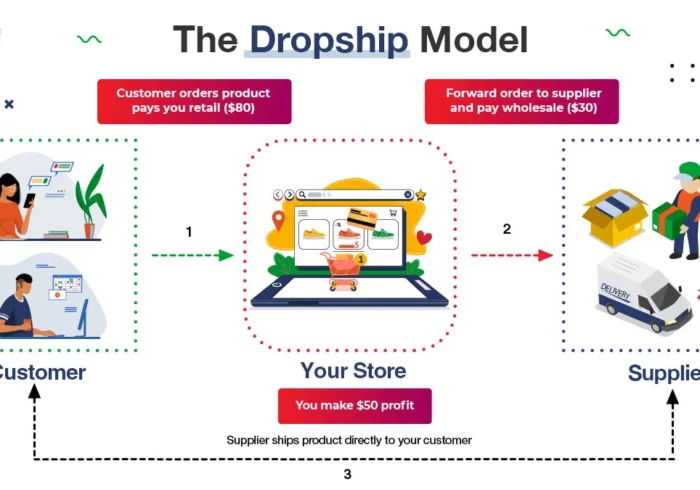
Drop shipping is a retail fulfillment method where a store doesn’t keep the products it sells in stock. Instead, when a store sells a product, it purchases the item from a third party and has it shipped directly to the customer. This model allows entrepreneurs to start an online business with minimal upfront investment, making it an attractive option for many.
How Drop Shipping Works
- Setting Up an Online Store: Entrepreneurs create an online storefront, often using platforms like Shopify or WooCommerce.
- Partnering with Suppliers: They find suppliers who are willing to drop ship products on their behalf.
- Marketing Products: The store owner markets the products through various channels, including social media and search engines.
- Order Fulfillment: When a customer places an order, the store owner forwards the order details to the supplier, who then ships the product directly to the customer.
Advantages of Drop Shipping
- Low Startup Costs: Entrepreneurs can start a business without the need for inventory.
- Flexibility: Drop shipping allows for a wide range of products to be offered without the risk of unsold stock.
- Location Independence: As long as there is internet access, drop shippers can operate from anywhere.
The Rise of Drop Shipping Scams
Despite its advantages, the drop shipping model has attracted scammers looking to exploit unsuspecting entrepreneurs. These scams can take various forms, from fake suppliers to fraudulent websites.
Common Types of Drop Shipping Scams
- Fake Suppliers: Some scammers pose as legitimate suppliers, taking payments for products that they never intend to deliver.
- Phishing Scams: Scammers may create fake websites that mimic legitimate drop shipping platforms to steal personal and financial information.
- Quality Issues: Even legitimate suppliers can sometimes provide low-quality products, leading to customer complaints and returns.
- Chargeback Fraud: Some customers may exploit the drop shipping model by ordering products and then disputing the charges, leading to financial losses for the seller.
Recognizing Red Flags
To avoid falling victim to drop shipping scams, it’s essential to recognize the warning signs. Here are some common red flags to watch out for:
- Unrealistic Pricing: If a supplier’s prices seem too good to be true, they probably are.
- Lack of Contact Information: Legitimate suppliers should provide clear contact details, including a physical address and phone number.
- Poor Website Design: Scammers often use poorly designed websites that lack professionalism.
- Negative Reviews: A quick search for reviews can reveal whether other entrepreneurs have had negative experiences with a supplier.
Protecting Yourself from Drop Shipping Scams
While the risks associated with drop shipping are real, there are steps you can take to protect yourself and your business.
Conduct Thorough Research
Before partnering with a supplier, conduct thorough research to verify their legitimacy. Look for reviews, testimonials, and any complaints from other drop shippers. Utilize online forums and communities where drop shippers share their experiences and recommendations.
Use Secure Payment Methods
Always use secure payment methods when making transactions. Credit cards and reputable payment processors offer buyer protection that can help you recover funds in case of fraud. Avoid wire transfers or payment methods that do not offer any form of buyer protection.
Start Small
When testing a new supplier, start with a small order to gauge their reliability before committing to larger purchases. This approach allows you to assess the quality of the products and the efficiency of the supplier’s shipping process.
Build Strong Relationships with Suppliers
Establishing a good relationship with your suppliers can help mitigate risks. Communicate regularly, ask questions, and ensure they understand your expectations. A reliable supplier will be responsive and willing to work with you to resolve any issues.
The Importance of Customer Service
In the world of drop shipping, customer service can make or break your business. Providing excellent customer service can help mitigate the impact of any issues that arise.
Building Trust with Customers
- Clear Communication: Keep customers informed about their order status and any potential delays. Transparency is key to building trust.
- Easy Returns: Have a clear return policy in place to handle customer complaints effectively. Make the return process as simple as possible to enhance customer satisfaction.
- Responsive Support: Offer multiple channels for customer support, including email, chat, and phone. Quick responses to inquiries can significantly improve customer experience.
Handling Customer Complaints
When issues arise, it’s crucial to address them promptly. A well-handled complaint can turn a dissatisfied customer into a loyal one. Train your customer service team to handle complaints with empathy and professionalism.
Legal Implications of Drop Shipping Scams
Understanding the legal landscape surrounding drop shipping is essential for both sellers and customers. Drop shipping scams can lead to various legal issues, including fraud claims and liability for selling counterfeit products.
Seller Responsibilities
As a drop shipper, you are responsible for ensuring that the products you sell comply with local laws and regulations. This includes verifying that your suppliers are legitimate and that their products meet safety standards. Failure to do so can result in legal action against your business.
Customer Rights
Customers have the right to receive the products they ordered in a timely manner and in the condition promised. If a drop shipper fails to deliver or provides a subpar product, customers may pursue legal action for fraud or breach of contract.
The Role of Technology in Preventing Drop Shipping Scams
Technology plays a crucial role in both facilitating drop shipping and preventing scams. Various tools and platforms can help entrepreneurs verify suppliers, manage orders, and enhance security.
E-Commerce Platforms
Many e-commerce platforms offer built-in features to help users identify reliable suppliers. For example, platforms like Shopify and WooCommerce provide access to vetted suppliers and allow users to read reviews and ratings.
Fraud Detection Tools
Utilizing fraud detection tools can help identify suspicious activity and protect your business from scams. These tools analyze transaction patterns and flag any anomalies that may indicate fraudulent behavior.
Secure Payment Gateways
Implementing secure payment gateways can protect both sellers and customers from fraud. These gateways encrypt sensitive information and provide additional layers of security during transactions.
Conclusion
The drop shipping model offers exciting opportunities for entrepreneurs, but it also comes with significant risks. By understanding the common scams and taking proactive measures to protect yourself, you can navigate the world of drop shipping more safely. Always conduct thorough research, use secure payment methods, and prioritize customer service to build a successful online business.
To further enhance your drop shipping experience and connect with reliable suppliers, consider exploring the resources available at LooperBuy. Visit https://looperbuy.com/for more information.
Related Questions & Answers
· What is drop shipping? Drop shipping is a retail fulfillment method where a store sells products without keeping them in stock, instead purchasing from a third party who ships directly to the customer.
· How can I identify a legitimate drop shipping supplier? Look for reviews, testimonials, and clear contact information. A professional website and reasonable pricing are also good indicators of legitimacy.
· What should I do if I fall victim to a drop shipping scam? Contact your payment provider to dispute the charge, gather any evidence of the scam, and report the supplier to relevant authorities.
· Is drop shipping a profitable business model? Yes, drop shipping can be profitable, but success depends on effective marketing, supplier reliability, and customer service.
· What are the common pitfalls of drop shipping? Common pitfalls include relying on unreliable suppliers, poor customer service, and failing to conduct adequate market research.
Hot Tags: Drop Shipping; E-Commerce Scams; Online Retail; Supplier Verification; Customer Service; Fraud Prevention; Business Model; Internet Safety; Entrepreneur Tips