Starting a dropshipping business can be an exciting venture, especially with the right tools and platforms at your disposal. In this guide, we will explore the best websites to kickstart your dropshipping journey, providing insights into their features, benefits, and how they can help you succeed in the competitive e-commerce landscape.
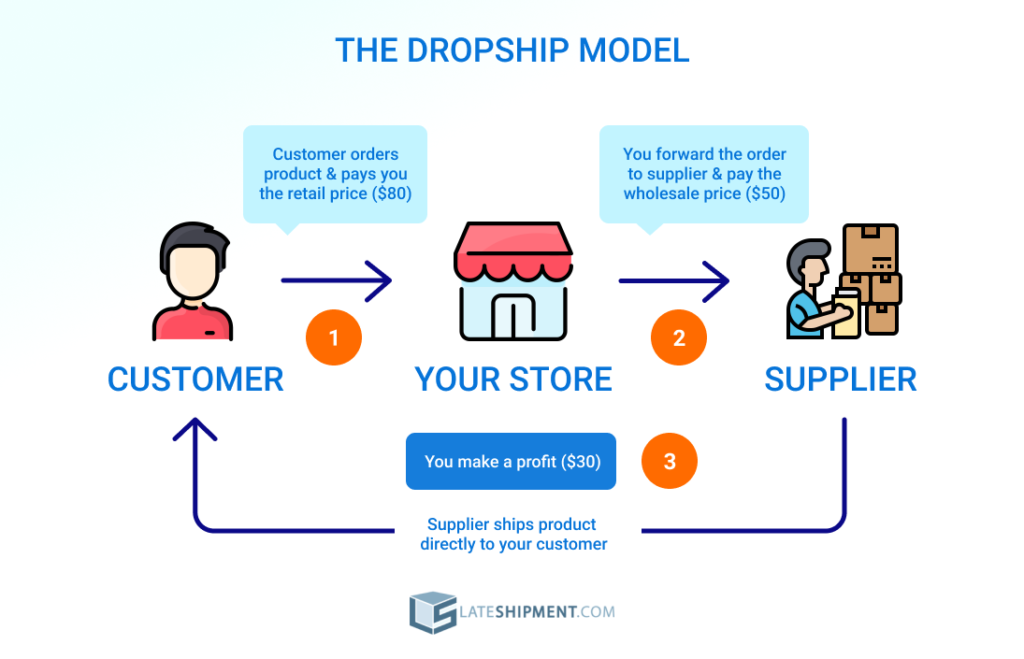
Table of Contents
Understanding Dropshipping
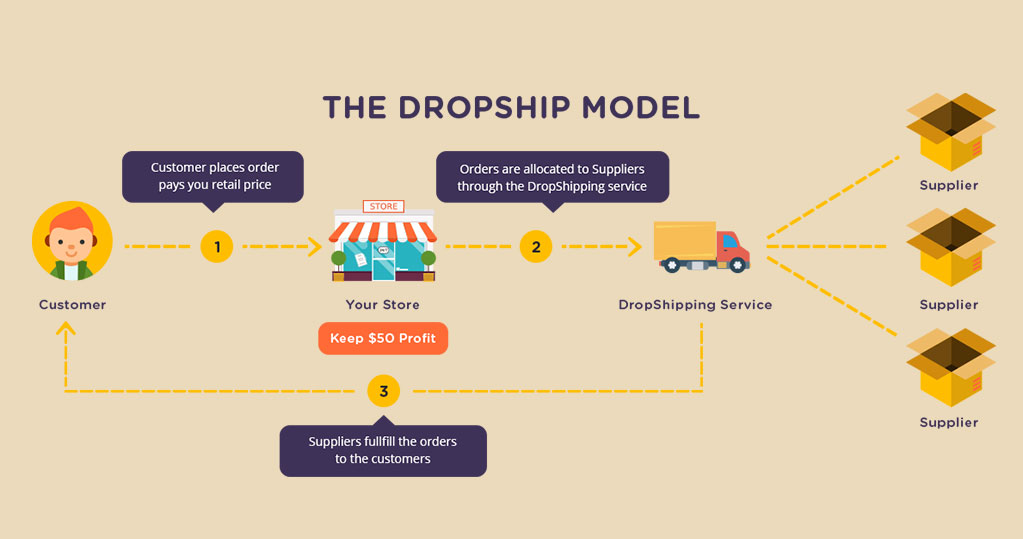
Dropshipping is a retail fulfillment method where a store doesn’t keep the products it sells in stock. Instead, when a store sells a product, it purchases the item from a third party and has it shipped directly to the customer. This means that the seller does not have to handle the product directly, making it an attractive option for new entrepreneurs.
Benefits of Dropshipping
- Low Startup Costs: You don’t need to invest in inventory upfront. This significantly lowers the barrier to entry for new entrepreneurs.
- Wide Product Selection: You can offer a variety of products without the risk of unsold inventory. This flexibility allows you to test different products and niches without financial strain.
- Flexibility: You can run your business from anywhere with an internet connection. This is particularly appealing for those looking to travel or work remotely.
- Scalability: As your business grows, you can easily add new products and suppliers. This scalability is crucial for long-term success in e-commerce.
Top Dropshipping Websites
1. Shopify
Shopify is one of the most popular e-commerce platforms for dropshipping. It offers a user-friendly interface and a plethora of features that make it easy for beginners to set up their online stores.
Key Features
- Customizable Templates: Choose from hundreds of themes to create a unique store that reflects your brand identity.
- App Integrations: Connect with various dropshipping apps like Oberlo and DSers to automate your business processes, from product importation to order fulfillment.
- 24/7 Support: Access to customer support whenever you need assistance, ensuring that you can resolve issues quickly.
Pricing
Shopify offers several pricing plans, starting from $29 per month for the Basic plan, which is suitable for new businesses. As your business grows, you can upgrade to higher-tier plans that offer more features and lower transaction fees.
2. WooCommerce
WooCommerce is a free WordPress plugin that transforms your website into a fully functional e-commerce store. It’s ideal for those who are already familiar with WordPress and want to maintain control over their website.
Key Features
- Flexibility: Highly customizable with numerous plugins available to enhance functionality, including SEO tools, payment gateways, and shipping options.
- Cost-Effective: The plugin is free, but you may incur costs for hosting and additional features, making it a budget-friendly option for many.
- SEO Friendly: Built on WordPress, it offers excellent SEO capabilities, helping your store rank higher in search engine results.
Pricing
While WooCommerce itself is free, you will need to pay for hosting, which can range from $5 to $30 per month, depending on the provider. Additionally, premium themes and plugins may incur extra costs.
3. BigCommerce
BigCommerce is another robust platform that supports various dropshipping suppliers. It’s known for its scalability and built-in features that cater to growing businesses.
Key Features
- No Transaction Fees: Unlike some platforms, BigCommerce does not charge transaction fees, allowing you to keep more of your profits.
- Multi-Channel Selling: Sell on platforms like Amazon, eBay, and social media directly from your store, expanding your reach and customer base.
- Advanced Security: Built-in security features to protect your business and customers, ensuring a safe shopping experience.
Pricing
BigCommerce offers a range of pricing plans starting from $29.95 per month, with options for larger businesses that require more advanced features.
4. Spocket
Spocket is a dropshipping platform that connects you with suppliers from the US and Europe, ensuring faster shipping times and higher quality products.
Key Features
- Quality Products: Access to high-quality products from vetted suppliers, which can enhance your brand reputation.
- Real-Time Inventory Updates: Keep your store updated with the latest inventory levels, reducing the risk of overselling.
- Branded Invoicing: Customize invoices to reflect your brand, providing a professional touch to your customer interactions.
Pricing
Spocket offers a free plan with limited features, while paid plans start at $24 per month, allowing you to access a broader range of products and features.
5. AliExpress
AliExpress is a well-known marketplace that allows you to source products from suppliers around the world. It’s particularly popular among dropshippers due to its vast product range and low prices.
Key Features
- No Upfront Costs: You only pay for products after you make a sale, minimizing financial risk.
- Wide Variety: Millions of products across various categories, making it easy to find items that fit your niche.
- Easy Integration: Works seamlessly with platforms like Shopify and WooCommerce, allowing for quick setup and management.
Pricing
AliExpress does not charge any fees to use its platform, but you will need to factor in shipping costs and potential import duties when sourcing products.
How to Choose the Right Dropshipping Website
When selecting a dropshipping platform, consider the following factors:
1. Product Range
Ensure the platform offers a wide variety of products that align with your niche. A diverse product range allows you to cater to different customer preferences and trends.
2. Supplier Reliability
Research the suppliers associated with the platform to ensure they are reputable and provide quality products. Look for reviews and testimonials from other dropshippers to gauge supplier reliability.
3. Integration Capabilities
Check if the platform integrates well with your existing tools and e-commerce solutions. Seamless integration can save you time and reduce the likelihood of errors in order processing.
4. Pricing Structure
Understand the costs involved, including subscription fees, transaction fees, and any additional costs for apps or features. Choose a platform that fits your budget while providing the necessary features for your business.
5. Customer Support
Look for platforms that offer robust customer support to assist you when needed. Reliable support can help you resolve issues quickly and keep your business running smoothly.
Marketing Your Dropshipping Business
Once your store is set up, the next step is to attract customers. Here are some effective marketing strategies:
1. Social Media Marketing
Utilize platforms like Instagram, Facebook, and Pinterest to showcase your products and engage with potential customers. Create visually appealing posts and stories that highlight your products and their benefits.
2. Search Engine Optimization (SEO)
Optimize your website for search engines to increase organic traffic. Use relevant keywords in your product descriptions and blog posts to improve your search engine rankings.
3. Email Marketing
Build an email list and send newsletters to keep your customers informed about new products, promotions, and updates. Personalized emails can help increase customer loyalty and drive repeat sales.
4. Influencer Collaborations
Partner with influencers in your niche to reach a broader audience and gain credibility. Influencers can help promote your products to their followers, increasing your brand visibility.
5. Content Marketing
Create valuable content related to your niche, such as blog posts, videos, or tutorials. This can help establish your brand as an authority in your industry and attract potential customers.
6. Paid Advertising
Consider using paid advertising on platforms like Google Ads or Facebook Ads to reach a targeted audience. Paid ads can help drive traffic to your store and increase sales, especially when starting.
Managing Your Dropshipping Business
Once your dropshipping business is up and running, effective management is crucial for long-term success. Here are some tips for managing your business efficiently:
1. Automate Processes
Utilize automation tools to streamline your operations. Automating tasks such as order processing, inventory management, and customer communication can save you time and reduce errors.
2. Monitor Performance
Regularly analyze your business performance using analytics tools. Track key metrics such as sales, traffic, and conversion rates to identify areas for improvement.
3. Customer Service
Provide excellent customer service to build trust and loyalty. Respond promptly to customer inquiries and resolve issues quickly to enhance the shopping experience.
4. Stay Updated on Trends
Keep an eye on industry trends and consumer preferences. Adapting to changes in the market can help you stay competitive and meet customer demands.
5. Test and Optimize
Continuously test different strategies and optimize your marketing efforts. Experiment with different product offerings, pricing strategies, and advertising methods to find what works best for your business.
Conclusion
Starting a dropshipping business can be a rewarding experience if you choose the right platform and implement effective marketing strategies. By leveraging the best websites for dropshipping, you can streamline your operations, reduce risks, and focus on growing your business. Remember to continuously research and adapt to market trends to stay ahead of the competition.
As you embark on your dropshipping journey, remember that the right products can elevate your business to new heights—discover unbeatable deals and unique finds at LooperBuy to captivate your customers today! Shop Now.
Article Summary: This article provides a comprehensive guide to the best websites for starting a dropshipping business. It covers the benefits of dropshipping, highlights top platforms like Shopify, WooCommerce, and BigCommerce, and offers tips on choosing the right website and marketing strategies. Additionally, it discusses effective management practices to ensure long-term success in the dropshipping industry.
Hot Tags: Dropshipping; E-commerce; Shopify; WooCommerce; BigCommerce; Spocket; AliExpress; Online Business; Marketing Strategies; Supplier Reliability; Product Range; Customer Support; SEO; Social Media Marketing; Email Marketing; Influencer Collaborations; Business Growth; Inventory Management; Automation Tools; Niche Products; Market Trends; E-commerce Solutions; Online Store; Retail Fulfillment; Startup Costs; Business Scalability; Customizable Templates; App Integrations; Transaction Fees; Multi-Channel Selling.
Related Questions & Answers
· What are the legal requirements for starting a dropshipping business?
To start a dropshipping business, you typically need to register your business, obtain any necessary licenses or permits, and comply with local regulations regarding sales tax and consumer protection.
· How can I find reliable suppliers for my dropshipping store?
You can find reliable suppliers by researching online directories, attending trade shows, and reading reviews from other dropshippers. Platforms like SaleHoo and Spocket can also help you connect with vetted suppliers.
· What are the best marketing strategies for a new dropshipping business?
Effective marketing strategies include social media marketing, search engine optimization (SEO), email marketing, influencer collaborations, and content marketing. Paid advertising can also be beneficial for reaching a targeted audience.
· How do I handle customer service in a dropshipping business?
Provide excellent customer service by responding promptly to inquiries, resolving issues quickly, and maintaining clear communication with customers. Consider using customer service tools to streamline the process.
· What are the common challenges in dropshipping?
Common challenges include finding reliable suppliers, managing customer expectations, dealing with shipping delays, and maintaining competitive pricing.