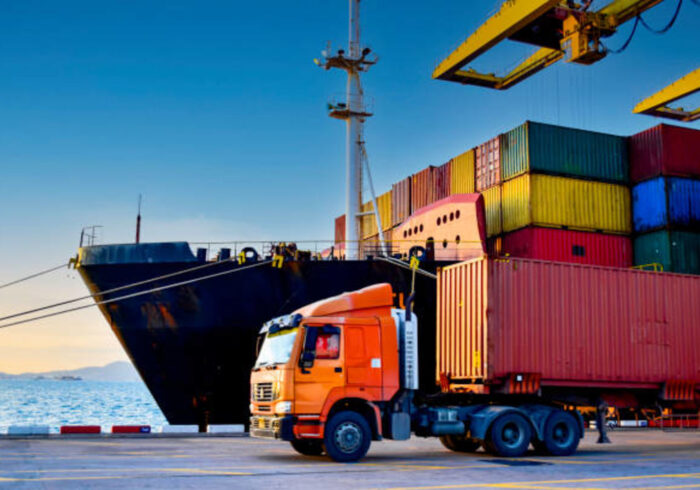
In the rapidly evolving world of international trade, logistics plays a crucial role in ensuring that goods move efficiently from one point to another. As businesses expand their operations globally, understanding the intricacies of logistics becomes essential. This article explores the future of international logistics, focusing on innovations, trends, and the challenges that lie ahead.

Table of Contents
The Importance of Logistics in Global Trade
Logistics is the backbone of global trade, facilitating the movement of goods across borders. It encompasses a wide range of activities, including transportation, warehousing, inventory management, and customs clearance. The significance of logistics can be highlighted through several key aspects:
Economic Impact
The logistics industry contributes significantly to the global economy. It supports millions of jobs worldwide, from dockworkers and truck drivers to logistics managers and customs officials. Efficient logistics practices help reduce costs for businesses and consumers alike, driving economic growth.
Supply Chain Efficiency
Logistics is a critical component of supply chain management. Efficient logistics practices ensure that products are delivered on time, reducing lead times and inventory costs. Companies that optimize their logistics processes can gain a competitive advantage in the marketplace.
Global Connectivity
Logistics connects countries and regions, fostering international relationships and trade partnerships. It enables businesses to access new markets, diversify their customer base, and enhance their global presence.
Key Innovations in International Logistics
The logistics industry is undergoing a transformation driven by technological advancements and changing consumer expectations. This section examines some of the key innovations shaping the future of international logistics.
Automation and Robotics
Automation is revolutionizing the logistics industry, improving efficiency and reducing labor costs. Key developments include:
- Automated Warehouses: Many companies are investing in automated warehouses equipped with robotics to handle inventory management, order fulfillment, and shipping. These systems can operate 24/7, increasing productivity and reducing errors.
- Drones and Autonomous Vehicles: The use of drones for last-mile delivery is gaining traction, particularly in urban areas. Autonomous vehicles are also being tested for transporting goods, promising to reduce delivery times and costs.
Data Analytics and Artificial Intelligence
Data analytics and artificial intelligence (AI) are becoming integral to logistics operations. These technologies enable companies to:
- Optimize Routes: AI algorithms can analyze traffic patterns, weather conditions, and other factors to determine the most efficient routes for transportation, reducing fuel consumption and delivery times.
- Predict Demand: By analyzing historical data, companies can forecast demand more accurately, allowing them to manage inventory levels and reduce stockouts.
Blockchain Technology
Blockchain technology is poised to transform the logistics industry by enhancing transparency and security. Key benefits include:
- Improved Documentation: Blockchain can streamline documentation processes, reducing the risk of fraud and errors. Smart contracts can automate various aspects of logistics, ensuring that all parties fulfill their obligations.
- Enhanced Supply Chain Visibility: Real-time data sharing among stakeholders can improve supply chain visibility and collaboration. This transparency can lead to better decision-making and more efficient operations.
Challenges Facing the Logistics Industry
Despite the advancements in logistics, the industry faces several challenges that can impact its efficiency and profitability. Understanding these challenges is crucial for businesses looking to navigate the complexities of international logistics.
Rising Costs
One of the most pressing challenges in the logistics industry is the rising cost of operations. Several factors contribute to this trend:
- Fuel Prices: Fluctuations in fuel prices can significantly impact logistics costs. As fuel prices rise, logistics companies must either absorb the costs or pass them on to customers, potentially affecting demand.
- Labor Costs: The logistics industry relies heavily on skilled labor, and rising wages can increase operational expenses. Companies must balance competitive pay with the need to maintain profitability.
Environmental Concerns
As the logistics industry contributes significantly to greenhouse gas emissions, there is growing pressure to adopt more sustainable practices. Key environmental challenges include:
- Carbon Emissions: The logistics sector accounts for a substantial portion of global carbon emissions. As governments and organizations push for stricter emissions targets, logistics companies must find ways to reduce their carbon footprint.
- Marine Pollution: Oil spills, plastic waste, and ballast water discharge pose significant threats to marine ecosystems. The industry must adopt practices that minimize environmental impact and protect ocean health.
Geopolitical Risks
Geopolitical tensions can disrupt logistics operations and impact global trade. Key issues include:
- Trade Wars: Tariffs and trade restrictions can affect logistics volumes and increase costs for businesses. Companies must stay informed about geopolitical developments to mitigate risks.
- Piracy and Security Threats: Certain shipping routes are vulnerable to piracy and other security threats, necessitating increased vigilance and protective measures. Logistics companies must invest in security protocols to safeguard their operations.
Opportunities for Growth in International Logistics
Despite the challenges, the logistics industry presents numerous opportunities for growth and innovation. Companies that adapt to changing market conditions can thrive in this dynamic environment.
Embracing Sustainability
As environmental concerns grow, logistics companies have the opportunity to adopt sustainable practices that not only reduce their carbon footprint but also appeal to environmentally conscious consumers. Key strategies include:
- Green Logistics: Implementing eco-friendly practices, such as using alternative fuels and optimizing routes, is essential for reducing the industry’s carbon footprint. Companies that invest in cleaner technologies can position themselves as leaders in sustainability.
- Sustainable Packaging: Using sustainable packaging materials can enhance a company’s environmental profile and attract customers who prioritize eco-friendly products.
Expanding into Emerging Markets
Emerging markets present significant growth opportunities for logistics companies. As economies in regions such as Asia, Africa, and Latin America continue to develop, the demand for logistics services is expected to rise. Companies that establish a presence in these markets can benefit from increased trade volumes and new customer bases.
Leveraging Technology
The integration of technology into logistics operations can enhance efficiency and streamline processes. Key technological advancements include:
- Transportation Management Systems (TMS): These systems help companies plan, execute, and optimize the movement of goods. By automating processes and providing real-time visibility, TMS can improve decision-making and reduce costs.
- Warehouse Management Systems (WMS): WMS solutions improve inventory management and order fulfillment processes, allowing companies to operate more efficiently.
The Future of International Logistics
The future of international logistics is bright, with numerous innovations and trends shaping the industry. Companies that embrace change and adapt to new technologies will be well-positioned to succeed in this dynamic environment.
The Role of Artificial Intelligence
AI is set to play a significant role in the future of logistics. By automating processes and providing insights through data analysis, AI can help companies optimize their operations and improve customer service. Key applications include:
- Predictive Analytics: AI can forecast demand based on historical data, helping companies plan their operations more effectively. This can lead to reduced costs and improved service levels.
- Autonomous Vehicles: The development of autonomous vehicles is on the horizon, with companies exploring the potential for unmanned trucks and drones to operate more efficiently and safely.
The Impact of E-commerce
The rise of e-commerce has transformed the logistics landscape, creating new challenges and opportunities. As consumers increasingly expect fast and reliable delivery, logistics companies must adapt to meet these demands. Key trends include:
- Last-Mile Delivery Solutions: Companies are investing in innovative last-mile delivery solutions, such as drone delivery and crowd-sourced delivery services, to enhance customer satisfaction.
- Omni-Channel Logistics: The integration of online and offline channels is becoming essential for retailers. Logistics companies must develop strategies to support omni-channel fulfillment, ensuring that products are available to customers through multiple channels.
Conclusion
The dynamics of global shipping and logistics are complex and multifaceted, shaped by historical developments, technological advancements, and evolving market demands. While the industry faces significant challenges, it also presents numerous opportunities for growth and innovation. By embracing technology, adopting sustainable practices, and expanding into emerging markets, logistics companies can navigate the complexities of international trade and thrive in the future.
To optimize your international logistics operations and enhance shipping efficiency, consider exploring the innovative solutions provided by Looperbuy. For more information, visit https://looperbuy.com/.
Related Questions & Answers
· What are the key benefits of adopting green technologies in the shipping industry? Adopting green technologies can reduce emissions, enhance brand reputation, and comply with regulatory requirements, ultimately leading to cost savings and improved operational efficiency.
· How can shipping companies leverage data analytics to improve their operations? Shipping companies can use data analytics to optimize routes, forecast demand, manage inventory levels, and enhance customer service by providing real-time tracking information.
· What are the challenges associated with implementing automation in shipping operations? Challenges include the high initial investment costs, the need for skilled personnel to manage automated systems, and potential disruptions during the transition period.
· What are the most effective strategies for mitigating geopolitical risks in global shipping? Effective strategies include diversifying shipping routes, maintaining strong relationships with local authorities, and investing in security measures to protect vessels and cargo.
· How can blockchain technology improve transparency and security in global shipping logistics? Blockchain enhances transparency by providing a secure, immutable record of transactions, allowing all stakeholders to access real-time data and documentation.
Hot Tags: International Logistics; Supply Chain Management; Environmental Sustainability; Shipping Innovations; Digital Transformation; Autonomous Shipping; Trade Regulations; Emerging Markets; Blockchain Technology