Table of Contents
Understanding the Urban Furniture Market
As urbanization continues to rise, the demand for small furniture tailored for apartments is becoming increasingly significant. The trend towards compact living spaces has led to a surge in the need for functional, stylish, and space-saving furniture solutions. This article explores the dynamics of sourcing small furniture for apartments in the United States, focusing on B2B opportunities, market trends, and innovative designs that cater to the needs of modern urban dwellers.
The Rise of Compact Living
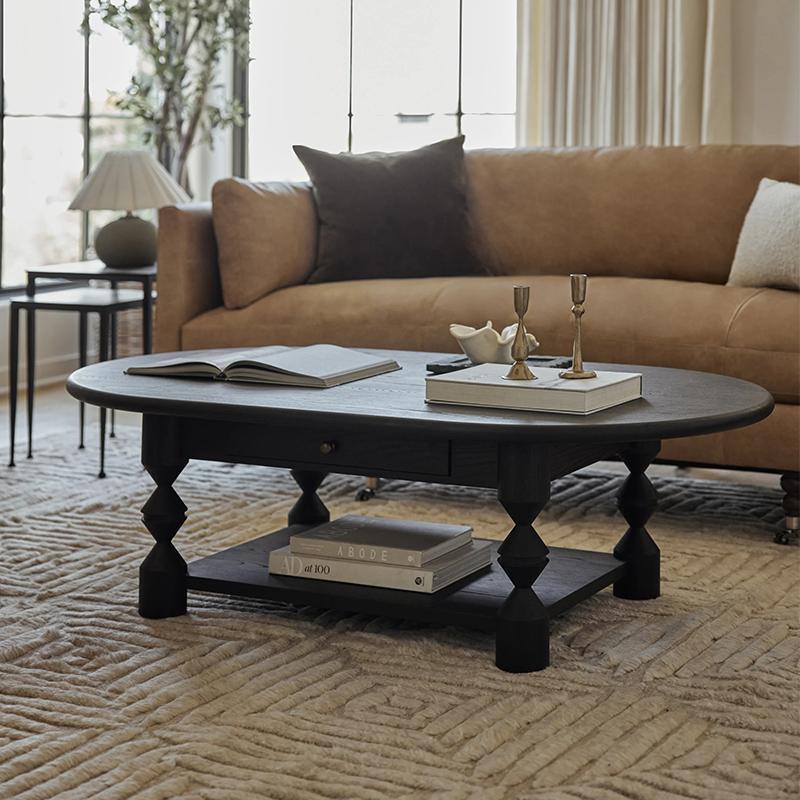
The concept of compact living is not new, but it has gained momentum in recent years due to various factors. High real estate prices, limited space in urban areas, and a growing preference for minimalism have all contributed to this trend. As a result, furniture manufacturers and suppliers are adapting their offerings to meet the needs of consumers living in smaller spaces.
Market Trends Influencing Small Furniture Design
- Sustainability: Eco-friendly materials and sustainable production methods are becoming essential in furniture design. Consumers are increasingly aware of their environmental impact and prefer products that reflect their values.
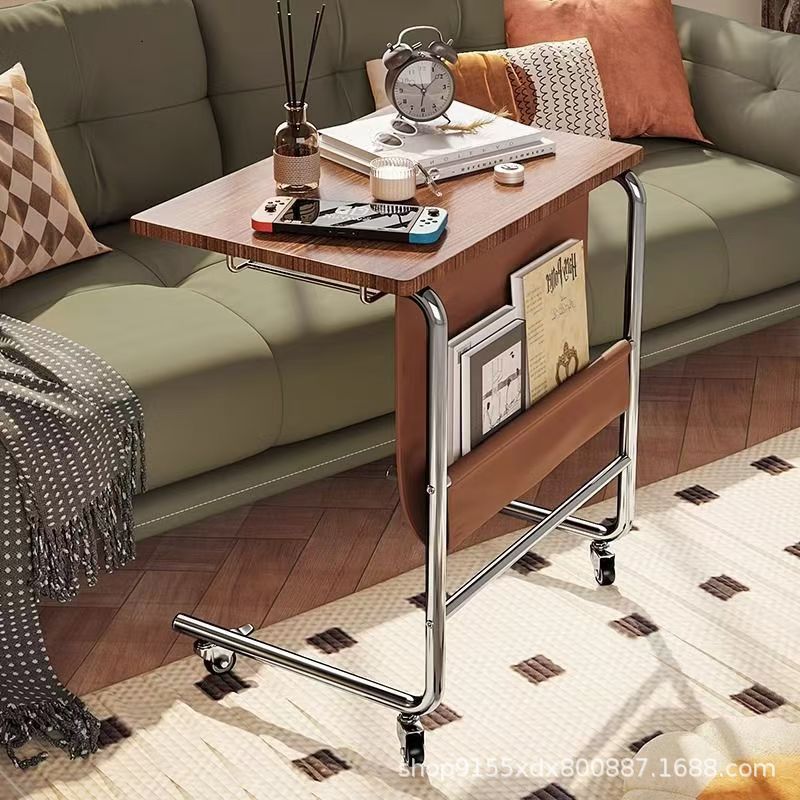
- Multi-functionality: Furniture that serves multiple purposes is highly sought after. For instance, a sofa that converts into a bed or a coffee table with storage capabilities can maximize space efficiency.
- Customization: The ability to customize furniture to fit specific needs and preferences is gaining popularity. B2B suppliers that offer customizable options can attract a broader range of clients.
- Technology Integration: Smart furniture that incorporates technology, such as charging ports and built-in speakers, is becoming a staple in modern apartments. This trend reflects the growing reliance on technology in everyday life.
Sourcing Strategies for B2B Suppliers
For businesses looking to source small furniture for apartments, understanding effective sourcing strategies is crucial. Here are some key approaches to consider:
Building Relationships with Manufacturers
Establishing strong relationships with manufacturers can lead to better pricing, exclusive designs, and improved communication. Attending trade shows and industry events can facilitate networking opportunities and help suppliers find reliable partners. Building trust with manufacturers can also lead to better terms and conditions, ensuring a smoother supply chain.
Utilizing Online Marketplaces
Online B2B marketplaces provide a platform for suppliers to connect with manufacturers and wholesalers. Websites like Alibaba, ThomasNet, and Global Sources offer a wide range of options for sourcing small furniture. Suppliers can compare prices, read reviews, and assess the credibility of manufacturers before making a purchase. Additionally, these platforms often provide buyer protection services, which can mitigate risks associated with international sourcing.
Emphasizing Quality Control
Quality control is essential when sourcing furniture. Suppliers should implement strict quality assurance processes to ensure that the products meet industry standards. This includes inspecting materials, craftsmanship, and overall durability. Regular audits of manufacturing facilities can also help maintain quality standards and ensure compliance with safety regulations.
Innovative Designs for Small Spaces
The design of small furniture plays a pivotal role in enhancing the functionality and aesthetics of compact living spaces. Here are some innovative design concepts that are gaining traction:
Modular Furniture
Modular furniture allows consumers to customize their living spaces according to their needs. Pieces can be rearranged, added, or removed, providing flexibility in design. This adaptability is particularly appealing to urban dwellers who may frequently change their living arrangements. Modular designs can also cater to different styles, from contemporary to traditional, making them versatile for various consumer preferences.
Space-Saving Solutions
Furniture that can be easily stored or collapsed is ideal for small apartments. For example, foldable dining tables and stackable chairs can be conveniently tucked away when not in use, freeing up valuable floor space. Additionally, wall-mounted desks and Murphy beds are excellent examples of space-saving solutions that maximize functionality without compromising style.
Vertical Storage
Utilizing vertical space is a smart strategy for small apartments. Wall-mounted shelves, tall bookcases, and hanging organizers can help maximize storage without taking up too much floor area. This approach not only enhances functionality but also adds visual interest to the space. Vertical storage solutions can be designed to fit specific dimensions, ensuring that every inch of space is utilized effectively.

Marketing Small Furniture to Urban Consumers
Once suppliers have sourced their products, effective marketing strategies are essential to reach urban consumers. Here are some tactics to consider:
Social Media Engagement
Social media platforms like Instagram and Pinterest are powerful tools for showcasing small furniture designs. High-quality images and engaging content can attract potential customers and drive traffic to online stores. Creating visually appealing posts that highlight the functionality and aesthetics of small furniture can resonate with consumers looking for inspiration.
Influencer Collaborations
Partnering with influencers in the home decor and lifestyle niches can help suppliers reach a wider audience. Influencers can showcase products in real-life settings, providing authentic endorsements that resonate with consumers. Collaborating with influencers who align with the brand’s values can enhance credibility and attract a loyal customer base.
Targeted Advertising
Utilizing targeted advertising on platforms like Facebook and Google can help suppliers reach specific demographics interested in compact living solutions. Tailoring ads to highlight the benefits of small furniture can increase conversion rates. Additionally, retargeting ads can remind potential customers of products they viewed, encouraging them to complete their purchase.
The Importance of Customer Feedback
In the competitive landscape of small furniture sourcing, customer feedback plays a crucial role in shaping product offerings and marketing strategies. Actively seeking and analyzing customer reviews can provide valuable insights into consumer preferences and pain points. This information can guide product development, ensuring that suppliers meet the evolving needs of their target market.
Implementing Feedback Loops
Creating feedback loops allows suppliers to continuously improve their products and services. This can be achieved through surveys, direct communication with customers, and monitoring online reviews. By responding to customer feedback, suppliers can demonstrate their commitment to quality and customer satisfaction, fostering brand loyalty.
Conclusion
The market for small furniture tailored for apartments in the United States is evolving rapidly. As urban living continues to gain popularity, B2B suppliers must adapt their sourcing strategies and product offerings to meet the changing demands of consumers. By focusing on innovative designs, building strong relationships with manufacturers, and implementing effective marketing strategies, suppliers can thrive in this competitive landscape.
For businesses looking to enhance their offerings in the small furniture market, partnering with reliable suppliers like LooperBuy can provide access to innovative designs and quality products tailored for urban living. Explore more at https://looperbuy.com/.
Related Questions & Answers
· What are the most profitable small furniture niches for apartments? Some of the most profitable niches include modular furniture, space-saving solutions, and multi-functional pieces that cater to the needs of urban dwellers.
· How can B2B suppliers ensure the quality of small furniture sourced from overseas? B2B suppliers can ensure quality by conducting regular audits, implementing strict quality control processes, and establishing strong relationships with manufacturers.
· What are the emerging trends in sustainable small furniture design for urban living? Emerging trends include the use of recycled materials, eco-friendly production methods, and designs that promote longevity and reduce waste.
· How can suppliers effectively market small furniture to urban consumers? Suppliers can utilize social media, collaborate with influencers, and implement targeted advertising to reach urban consumers effectively.
· What role does customer feedback play in the furniture sourcing process? Customer feedback is crucial for understanding consumer preferences and improving product offerings, helping suppliers stay competitive in the market.
Hot Tags: Compact Living; Urban Furniture; B2B Sourcing; Small Space Solutions; Modular Design; Sustainable Furniture; Multi-Functional Furniture; Online Marketplaces; Furniture Trends