In the ever-evolving world of e-commerce, drop shipping has emerged as a popular business model for entrepreneurs looking to start their own online stores without the burden of inventory management. This article explores the best free drop shipping companies available today, providing insights into their features, benefits, and how they can help you succeed in your online business.
Table of Contents
Understanding Drop Shipping
Drop shipping is a retail fulfillment method where a store doesn’t keep the products it sells in stock. Instead, when a store sells a product, it purchases the item from a third party and has it shipped directly to the customer. This model allows entrepreneurs to start a business with minimal upfront investment and risk.
Advantages of Drop Shipping
- Low Startup Costs: One of the most significant advantages of drop shipping is that it requires very little capital to start. You don’t need to invest in inventory upfront, which reduces financial risk.
- Wide Product Selection: With drop shipping, you can offer a vast array of products without worrying about storage space or inventory management. This flexibility allows you to test different products and niches without significant financial commitment.
- Location Independence: Drop shipping businesses can be run from anywhere with an internet connection. This flexibility is ideal for digital nomads or anyone looking to work from home.
- Scalability: As your business grows, you can easily scale your operations without the need for additional warehouse space or staff. This scalability is a significant advantage for entrepreneurs looking to expand their businesses.
- Reduced Risk: Since you don’t hold inventory, the risk of unsold stock is minimized. This allows you to experiment with different products and niches without the fear of losing money on unsold items.
- Focus on Marketing and Customer Service: With the logistics of inventory management and shipping handled by suppliers, you can focus more on marketing your store and providing excellent customer service.
Top Free Drop Shipping Companies
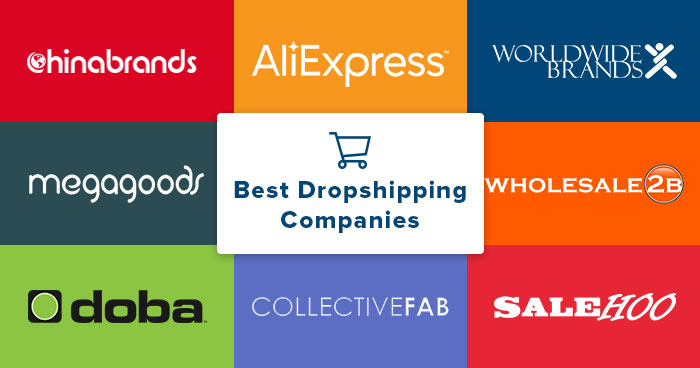
When starting a drop shipping business, choosing the right supplier is crucial. Here are some of the best free drop shipping companies that can help you kickstart your e-commerce journey.
1. Oberlo
Oberlo is one of the most popular drop shipping platforms, especially for Shopify users. It allows you to easily import products from suppliers directly into your Shopify store.
Key Features
- User-Friendly Interface: Oberlo’s interface is intuitive, making it easy for beginners to navigate.
- Product Customization: You can customize product descriptions and images to fit your brand.
- Order Fulfillment: Oberlo automates the order fulfillment process, saving you time and effort.
- Product Sourcing: Oberlo connects you with suppliers from AliExpress, allowing you to source products easily.
- Sales Analytics: The platform provides analytics tools to help you track sales and optimize your store’s performance.
2. Spocket
Spocket is a drop shipping platform that focuses on high-quality products from suppliers in the US and Europe. This focus on quality can help you build a reputable brand.
Key Features
- Fast Shipping: With suppliers located in the US and Europe, Spocket offers faster shipping times compared to many other drop shipping platforms.
- Curated Products: Spocket provides a selection of curated products, ensuring that you only sell high-quality items.
- Integration: It integrates seamlessly with Shopify and WooCommerce, making it easy to manage your store.
- Branded Invoicing: Spocket allows you to customize invoices with your branding, enhancing your professional image.
- Real-Time Inventory Updates: The platform provides real-time inventory updates, helping you avoid selling out-of-stock items.
3. Printful
If you’re interested in selling custom products, Printful is an excellent choice. This print-on-demand service allows you to create and sell custom designs on various products.
Key Features
- No Minimum Orders: You can create and sell products without worrying about minimum order quantities.
- Wide Range of Products: Printful offers a variety of products, including apparel, accessories, and home decor.
- Branding Options: You can add your branding to products, enhancing your brand identity.
- Mockup Generator: Printful provides a mockup generator to help you visualize your designs on products.
- Integration with Multiple Platforms: It integrates with various e-commerce platforms, including Shopify, WooCommerce, and Etsy.
4. AliExpress
AliExpress is a massive online marketplace that offers a wide range of products at competitive prices. Many drop shippers use AliExpress to source products for their stores.
Key Features
- Vast Product Selection: With millions of products available, you can find almost anything to sell.
- Low Prices: AliExpress suppliers often offer products at low prices, allowing for higher profit margins.
- Buyer Protection: AliExpress provides buyer protection, ensuring that you receive quality products.
- Global Shipping: Many suppliers on AliExpress offer global shipping options, allowing you to reach customers worldwide.
- User Reviews: You can read reviews from other buyers to gauge the quality of products and suppliers.
5. Wholesale2B
Wholesale2B is a comprehensive drop shipping platform that connects you with various suppliers. It offers a wide range of products across different categories.
Key Features
- Multiple Supplier Options: You can choose from various suppliers, giving you flexibility in product selection.
- Automated Order Processing: Wholesale2B automates order processing, making it easier to manage your business.
- Integration: It integrates with multiple e-commerce platforms, including Shopify, WooCommerce, and eBay.
- Product Data Feed: Wholesale2B provides a product data feed that you can use to list products on your store easily.
- Market Research Tools: The platform offers tools to help you conduct market research and identify trending products.
How to Choose the Right Drop Shipping Company
Selecting the right drop shipping company is crucial for your business’s success. Here are some factors to consider when making your choice.
Product Quality
Ensure that the drop shipping company you choose offers high-quality products. Poor product quality can lead to customer dissatisfaction and returns, harming your brand’s reputation.
Shipping Times
Consider the shipping times offered by the drop shipping company. Fast shipping is essential for customer satisfaction, so choose a supplier that can deliver products quickly.
Customer Support
Reliable customer support is vital for resolving issues that may arise during the order fulfillment process. Look for companies that offer responsive customer service.
Integration with E-commerce Platforms
Ensure that the drop shipping company integrates seamlessly with your chosen e-commerce platform. This integration will streamline your operations and make managing your store easier.
Pricing Structure
Evaluate the pricing structure of the drop shipping company. Some companies charge monthly fees, while others take a percentage of each sale. Choose a pricing model that aligns with your budget and business goals.
Supplier Reliability
Research the reliability of the suppliers associated with the drop shipping company. Look for reviews and testimonials from other users to gauge their experiences.
Marketing Your Drop Shipping Business
Once you have chosen a drop shipping company and set up your online store, the next step is to market your business effectively. Here are some strategies to help you attract customers and drive sales.
1. Social Media Marketing
Social media platforms like Facebook, Instagram, and Pinterest are powerful tools for promoting your drop shipping business. Create engaging content that showcases your products and encourages users to visit your store.
Tips for Social Media Marketing
- Use High-Quality Images: Invest in professional photography or use high-quality images from your suppliers to showcase your products.
- Engage with Your Audience: Respond to comments and messages promptly to build a relationship with your audience.
- Run Contests and Giveaways: Encourage user engagement by hosting contests and giveaways that require participants to share your content.
2. Search Engine Optimization (SEO)
Optimizing your online store for search engines is essential for driving organic traffic. Use relevant keywords in your product descriptions, titles, and meta tags to improve your search engine rankings.
SEO Tips
- Conduct Keyword Research: Use tools like Google Keyword Planner to identify high-traffic keywords related to your products.
- Create Quality Content: Start a blog on your website to provide valuable content related to your niche. This can help attract visitors and improve your SEO.
- Optimize Product Pages: Ensure that your product pages are optimized with relevant keywords, high-quality images, and detailed descriptions.
3. Email Marketing
Email marketing is an effective way to nurture leads and convert them into customers. Build an email list by offering incentives such as discounts or free resources in exchange for email sign-ups.
Email Marketing Strategies
- Segment Your Audience: Divide your email list into segments based on customer behavior and preferences to send targeted campaigns.
- Personalize Your Emails: Use the recipient’s name and tailor content to their interests to increase engagement.
- Automate Your Campaigns: Use email marketing tools to automate your campaigns and send timely messages to your audience.
4. Influencer Marketing
Partnering with influencers in your niche can help you reach a broader audience and build credibility. Look for influencers who align with your brand values and have an engaged following.
Tips for Influencer Marketing
- Choose the Right Influencers: Research potential influencers to ensure they have a genuine connection with their audience.
- Provide Clear Guidelines: Communicate your expectations and provide guidelines for the content they create.
- Track Performance: Monitor the performance of influencer campaigns to assess their effectiveness and make adjustments as needed.
5. Paid Advertising
Consider using paid advertising to boost your visibility and drive traffic to your store. Platforms like Google Ads and Facebook Ads allow you to target specific audiences based on demographics and interests.
Paid Advertising Tips
- Set a Budget: Determine your advertising budget and allocate funds accordingly to maximize your return on investment.
- Test Different Ad Formats: Experiment with various ad formats, such as carousel ads, video ads, and sponsored posts, to see what resonates with your audience.
- Monitor and Optimize: Regularly analyze your ad performance and make adjustments to improve results.
Conclusion
Starting a drop shipping business can be a rewarding venture, especially with the right suppliers. The companies mentioned in this article offer excellent options for entrepreneurs looking to enter the e-commerce space without significant upfront investment. By carefully considering your options and choosing a supplier that aligns with your business goals, you can set yourself up for success in the competitive world of online retail. Additionally, implementing effective marketing strategies will help you attract customers and grow your business.
As you embark on your drop shipping journey, remember that the right products can make all the difference in attracting customers and boosting sales. Discover a wide range of trending items at unbeatable prices to elevate your online store today! Visit LooperBuy.
Article Summary: This article explores the best free drop shipping companies, highlighting their features and benefits. It discusses the advantages of drop shipping, including low startup costs, wide product selection, and scalability. The article also provides tips on choosing the right drop shipping company and effective marketing strategies to attract customers and drive sales.
Hot Tags: Drop Shipping; E-commerce; Online Business; Shopify; Print on Demand; AliExpress; Wholesale Suppliers; Fast Shipping; Product Quality; Customer Support; Business Model; Inventory Management; Digital Nomad; Retail Fulfillment; Product Customization; Order Fulfillment; Supplier Selection; Market Trends; Niche Products; Brand Identity; Automated Processes; E-commerce Platforms; Business Growth; Startup Costs; Product Selection; Supplier Integration; Customer Satisfaction; Online Retail; Entrepreneur Tips; Business Strategy.
Related Questions & Answers
· What are the key differences between Oberlo and Spocket for dropshipping?
Oberlo primarily focuses on sourcing products from AliExpress, making it ideal for those looking for a wide range of low-cost items. In contrast, Spocket emphasizes high-quality products from suppliers in the US and Europe, offering faster shipping times and curated selections.
· How can I effectively market my dropshipping store to attract customers?
To effectively market your dropshipping store, utilize social media marketing, search engine optimization (SEO), email marketing, influencer partnerships, and paid advertising. Each strategy can help you reach a broader audience and drive traffic to your store.
· What are some common mistakes to avoid when starting a dropshipping business?
Common mistakes include failing to research suppliers, neglecting customer service, underestimating shipping times, and not optimizing product listings for SEO. Avoiding these pitfalls can help you build a successful dropshipping business.
· How do I handle customer service in a dropshipping business?
Handling customer service in a dropshipping business involves promptly responding to inquiries, addressing complaints, and managing returns. Establish clear communication channels and ensure that your suppliers are reliable in fulfilling orders.
· Can I use multiple dropshipping suppliers for my store?
Yes, you can use multiple dropshipping suppliers for your store. This approach allows you to offer a wider range of products and can help mitigate risks associated with relying on a single supplier. However, ensure that you manage inventory and shipping processes effectively to avoid complications.