The landscape of modern collectibles has undergone a radical transformation over the past decade. What was once a market dominated by rigid action figures and high-priced resin statues has expanded to include a more tactile, approachable, and surprisingly endearing medium: the high-end plush. At the center of this trend is one of the most enigmatic and terrifying characters in literary history. The Joker, famously known as the Clown Prince of Crime, has transitioned from the dark, rain-slicked alleys of Gotham City to the shelves of bedrooms and offices in a form that is as cuddly as it is chaotic. The rise of the joker plush toy represents a fascinating shift in how we consume pop culture, blending our fascination with villainy with a very human desire for comfort and companionship.
Table of Contents
The Paradox of the Cuddly Villain
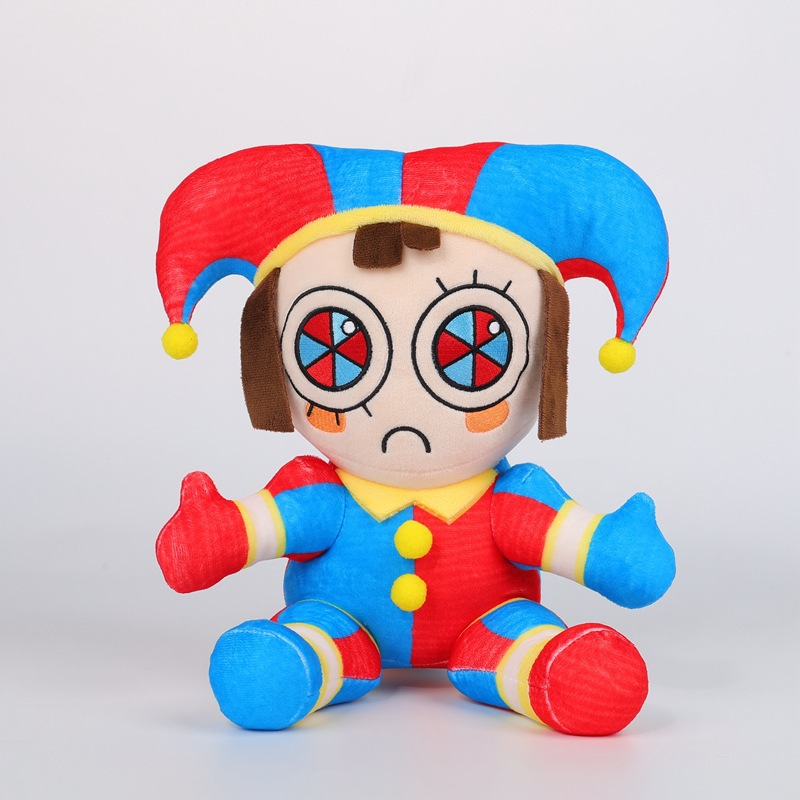
There is an inherent irony in taking a character defined by psychological depth and murderous intent and rendering him in soft polyester and minky fabric. The Joker is a symbol of unpredictability; he is the antithesis of the hero, the “agent of chaos” who seeks to prove that anyone can have a bad day. Yet, when this character is shrunken down and stuffed with soft fibers, the threat is neutralized. This paradox is exactly what makes the toy so popular among fans. It allows a safe engagement with the darker elements of the Batman mythos. For many, owning a soft version of their favorite antagonist is a way to celebrate the complexity of the character without the baggage of his more horrific actions. It is the “scary-cute” aesthetic—a trend that has swept through the toy industry, turning monsters, slashers, and supervillains into huggable companions.
This transition from screen to plush is not merely about making a character “smaller.” It involves a careful distillation of visual icons. To create a successful toy, designers must focus on the most recognizable elements: the shock of green hair, the vibrant purple suit, and that unmistakable, jagged red smile. In the world of soft toys, these features are often exaggerated to create a “chibi” or “kawaii” look, which further leans into the contrast between the character’s personality and his physical form. This visual shorthand makes the toy instantly recognizable to fans while stripping away the intimidation factor.
A Brief History of the Joker in Merchandising
The Joker has been a fixture of the toy aisle since the 1940s, but his early iterations were far from soft. Following his debut in Batman #1, the character was primarily featured in lead-figurine sets and basic tin toys. As the “Silver Age” of comics arrived, the character’s design became more campy and prank-focused, leading to the first wave of plastic action figures in the 1960s and 70s. However, plush toys were largely reserved for “safe” characters like teddy bears or, at most, a very friendly-looking Batman.
It wasn’t until the late 1980s and early 1990s, particularly with the success of “Batman: The Animated Series,” that the idea of a villainous plush became commercially viable. The stylized, Bruce Timm-designed Joker offered a cleaner, more graphic look that translated perfectly to fabric. This era saw the first “doll-like” versions of the character, which paved the way for the explosion of the designer plush market in the 2000s. Brands began to realize that adult collectors, not just children, were looking for high-quality, tactile representations of their favorite characters. The Joker, with his colorful palette and theatrical flair, became a natural candidate for this evolution.
The Psychological Appeal of the Creepy-Cute Trend
Why do we find ourselves drawn to a plush version of a psychopath? Psychologists suggest that “creepy-cute” or “grotesque” toys provide a form of emotional regulation. By taking something that is traditionally associated with fear or danger and making it soft and non-threatening, we exercise a sense of control over the “unknown.” It is a form of reclamation. For a fan who has grown up watching the Joker terrorize Gotham, a plush version represents a way to “tame” the chaos.
Additionally, the Joker’s theatricality is inherently tied to the concept of the “clown.” Clowns have a dual history as both sources of joy and sources of unease. A plush toy returns the character to his roots as a toy-like figure. It leans into the “playful” side of his madness. For many collectors, these toys are not just objects but expressions of a nuanced identity—one that appreciates the complexity of storytelling where the line between good and evil is blurred. They serve as a quirky piece of home decor that signals a deep knowledge of DC lore while maintaining a sense of whimsical irony.
Key Brands and Their Unique Takes on the Joker
Several major manufacturers have left their mark on the world of Joker collectibles, each offering a distinct aesthetic that appeals to different segments of the fanbase. Funko, the juggernaut of pop culture merchandise, has produced several iterations of the character in their plush lines. Their “Mopeez” line, for example, features a “sad-cute” version of the Joker with a weighted bottom, designed to sit on a shelf and look endearingly miserable. In contrast, their “Fabrikations” line offers a more structured, high-end plush that stands on its own and features high-quality embroidery and custom fabric textures.
Kidrobot, known for its designer toys and urban vinyl, has also ventured into the world of DC plushies. Their “Phunny” line focuses on a more “alternative” look, often featuring embroidered details that emphasize the Joker’s manic energy while keeping the overall shape simple and huggable. These are popular in “boutique” toy shops and appeal to collectors who value a specific, designer-driven aesthetic.
One of the more unique entries into the market is the “Fuggler” line by Spin Master. These are intentionally “ugly-cute” toys characterized by human-like teeth and mismatched eyes. The Joker Fuggler is a masterpiece of subversion, taking a character that is already “off” and making him even weirder. It captures the essence of the Joker’s “wrongness” in a way that standard plushies do not, making it a favorite among fans of the bizarre.
Materials, Craftsmanship, and Production
The quality of a modern plush toy is a far cry from the scratchy, cheap versions of the past. Today’s high-end collectibles use advanced materials to ensure both durability and a premium feel. The most common fabric used is “minky,” a specialized type of polyester fleece that is incredibly soft and has a slight “pile” or texture. This material is particularly effective for the Joker’s hair, as it can be cut and layered to look chaotic while remaining soft to the touch.
Embroidery has largely replaced screen-printing in the production of high-quality toys. Instead of the face being painted on, the eyes, mouth, and eyebrows are stitched directly into the fabric. This adds a three-dimensional quality to the character’s expression and ensures that the features won’t peel or fade over time. For the Joker, whose face is his most defining feature, the precision of this embroidery is crucial. A slight change in the curve of the mouth can change the character from “mischievous” to “menacing.”
Furthermore, safety standards have dictated much of the design evolution. Modern toys must pass rigorous “choke hazard” and “flammability” tests. This has led to a move away from “button eyes” toward embroidered eyes, making the toys safer for children while maintaining their aesthetic appeal. The “stuffing” or fill has also evolved; high-quality toys often use “virgin” polyester fiberfill, which is hypoallergenic and maintains its shape even after years of hugging.
The Collector’s Market and Rarity
For many, the hunt for a specific plush toy is just as exciting as owning it. The collector’s market is driven by rarity, exclusivity, and condition. Limited edition releases, such as those sold exclusively at San Diego Comic-Con (SDCC) or through specialized retailers like Hot Topic, often command high prices on the secondary market. These versions might feature unique colorways—such as a “black and white” variant or a “glow-in-the-dark” version—that distinguish them from the mass-market releases.
The value of a plush toy is also heavily influenced by its “hang-tag.” For serious collectors, a “Mint with Tags” (MWT) toy is the gold standard. The tag provides proof of authenticity and brand history. Some collectors even use plastic “tag protectors” to ensure the cardboard doesn’t bend or crease. When a toy is “vaulted”—meaning the manufacturer has officially stopped production—its value typically increases, as the supply is now fixed. The Joker, being an evergreen character, rarely stays out of production for long, but specific designs based on temporary movie looks (like the Jared Leto “Suicide Squad” Joker or the Heath Ledger “Dark Knight” version) can become highly sought-after artifacts of their specific era.
The Cultural Impact: More Than Just a Toy
The presence of the Joker in the plush aisle is indicative of a broader cultural shift. We are living in an era where “geek culture” is mainstream, and the boundaries of what is considered a “toy” have expanded. A plush toy is no longer just for children; it is a desk accessory for a corporate executive, a piece of art for a designer, and a comfort object for a student.
The Joker plush toy also plays into the “fandom lifestyle.” It allows fans to curate their environment with symbols of the stories they love. In the age of social media, these toys often become “stars” in their own right, featured in “toy photography” or “shelfies” on platforms like Instagram and TikTok. This digital life adds a layer of community to the hobby, as fans share their latest acquisitions and tips for finding rare items.
Choosing the Perfect Joker Gift
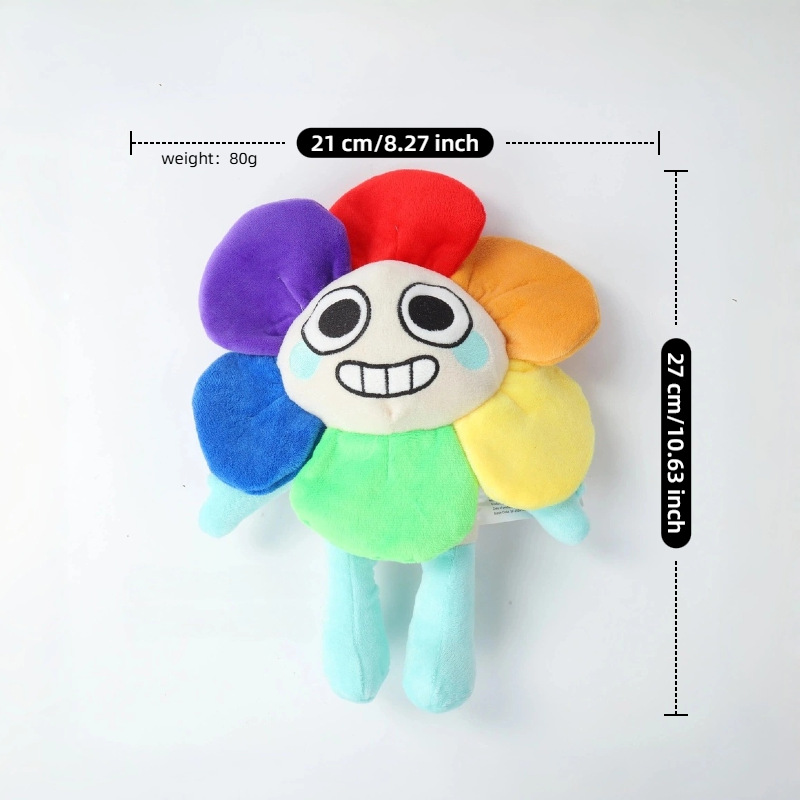
Because of the wide variety of styles available, a plush Joker is an exceptionally versatile gift. For a child, a standard DC Super Friends version is a safe, colorful introduction to the universe. For a teenager who loves the darker side of comics, a Kidrobot or Mezco version might be more appropriate. For a lifelong fan, a high-end, limited-edition collector’s piece is a thoughtful way to acknowledge their passion.
The toy also pairs perfectly with other characters. A “Dynamic Duo” set with a plush Batman, or a “Mad Love” pairing with a Harley Quinn plush, makes for a great thematic gift. Because the price points range from ten-dollar mass-market options to hundred-dollar exclusives, there is something for every budget. It is a gift that says the giver understands the recipient’s tastes—appreciating the wit and chaos of the character while providing something tactile and lasting.
Maintaining Your Collection: Care and Cleaning
To keep a plush toy in “mint” condition, one must be mindful of environmental factors. Dust is the most common issue; a light dusting with a soft-bristled brush once a month can prevent buildup that dulls the colors. If the toy is for display only, keeping it in a glass cabinet or a “window box” is the best way to protect it from the oils in the air and the touch of curious hands.
If a toy does become soiled, spot cleaning is always preferred over machine washing. A mild detergent and a damp cloth can remove most surface stains. It is important to avoid saturating the toy, as moisture can lead to mold inside the stuffing if not dried properly. High-end toys with specialized fabrics or internal skeletons should never be submerged in water. For the Joker’s vibrant colors, keeping the toy out of direct sunlight is essential, as UV rays can quickly fade the purple and green dyes, leaving the character looking washed out and “aged.”
Conclusion
The enduring appeal of the Joker plush toy lies in its ability to bridge two very different worlds. It takes one of the most complex, disturbing characters in modern fiction and transforms him into a symbol of playfulness and comfort. This transformation doesn’t diminish the character; instead, it highlights his iconic status. Whether it’s sitting on a shelf as a rare collectible or being used as a comfort object on a rainy afternoon, the plush Joker reminds us that even our greatest villains can be understood, “tamed,” and even embraced. In the end, perhaps the joke is on us—that we can find so much warmth in the cold, chaotic grin of a clown.
How to purchase:Online B2B sourcing platform, China purchase, Chinese suppliers – LooperBuy
Frequently Asked Questions
- 1. What are the most popular brands for a joker plush toy? The most popular brands currently leading the market are Funko (known for their Mopeez and Fabrikations lines), Kidrobot (famous for the Phunny line), and Mezco Toyz. Each offers a different style, from “cutesy” and “minimalist” to “stylized” and “detailed.” For those who prefer a more “raw” or “twisted” look, the DC-licensed Fugglers are also a major hit among fans of the bizarre.
- 2. Are these toys safe for children to play with? Generally, most mass-market plush toys are designed with safety in mind, featuring embroidered eyes and non-toxic materials. However, “collector-grade” plushies, like those from Mezco or high-end designer brands, might have harder components or internal skeletons that are not suitable for children under the age of three. Always check the manufacturer’s age rating on the tag before giving one to a young child.
- 3. How can I verify if a Joker plush is an authentic licensed product? Authentic products will always have a “DC Comics” or “WB” (Warner Bros.) trademark on the tag. Look for the holographic “Official Licensed Product” stickers often found on the hang-tags or the packaging. Additionally, reputable brands like Funko and Kidrobot have very specific design markers and high-quality stitching that knock-off versions often fail to replicate accurately.
- 4. Why is my plush toy losing its shape, and how can I fix it? Plush toys can lose their shape over time due to “compression” of the polyester stuffing. This is usually caused by heavy hugging or being stored at the bottom of a pile. You can often “revive” a plush by gently massaging and “fluffing” the stuffing from the outside. If the toy has been washed, the stuffing might have clumped; in this case, gentle manual manipulation is the only way to redistribute the fibers.
- 5. What makes certain Joker plushies more valuable than others? Value is driven by scarcity and cultural relevance. Limited releases for events like San Diego Comic-Con or versions tied to a specific “one-time” movie look tend to be more valuable. Furthermore, “vaulted” items that are no longer being manufactured see a spike in price. The condition of the toy, particularly the presence of a crisp, unbent hang-tag, is the most significant factor in determining its resale value on the collector’s market.
- 6. Can I clean my Joker plush toy in the washing machine?
Machine washing is generally discouraged because it can cause the stuffing to clump and may damage delicate embroidered features or custom fabrics like the Joker’s felt suit. The best method is spot cleaning with a damp cloth and a very mild soap. If you must deep clean it, place the toy in a pillowcase and use a gentle, cold-water cycle, then air-dry it completely away from direct heat.
HOT TAG: Joker plush toy, DC Comics collectibles, Batman villain merchandise, Funko Joker plush, Kidrobot Phunny, gift ideas for comic fans, scary-cute toys, collector’s guide to Joker toys, high-quality plush materials, Joker merchandise history, limited edition plushies, Gotham City characters, superhero room decor, maintaining plush collections, Clown Prince of Crime gifts, unofficial vs official Joker toys.