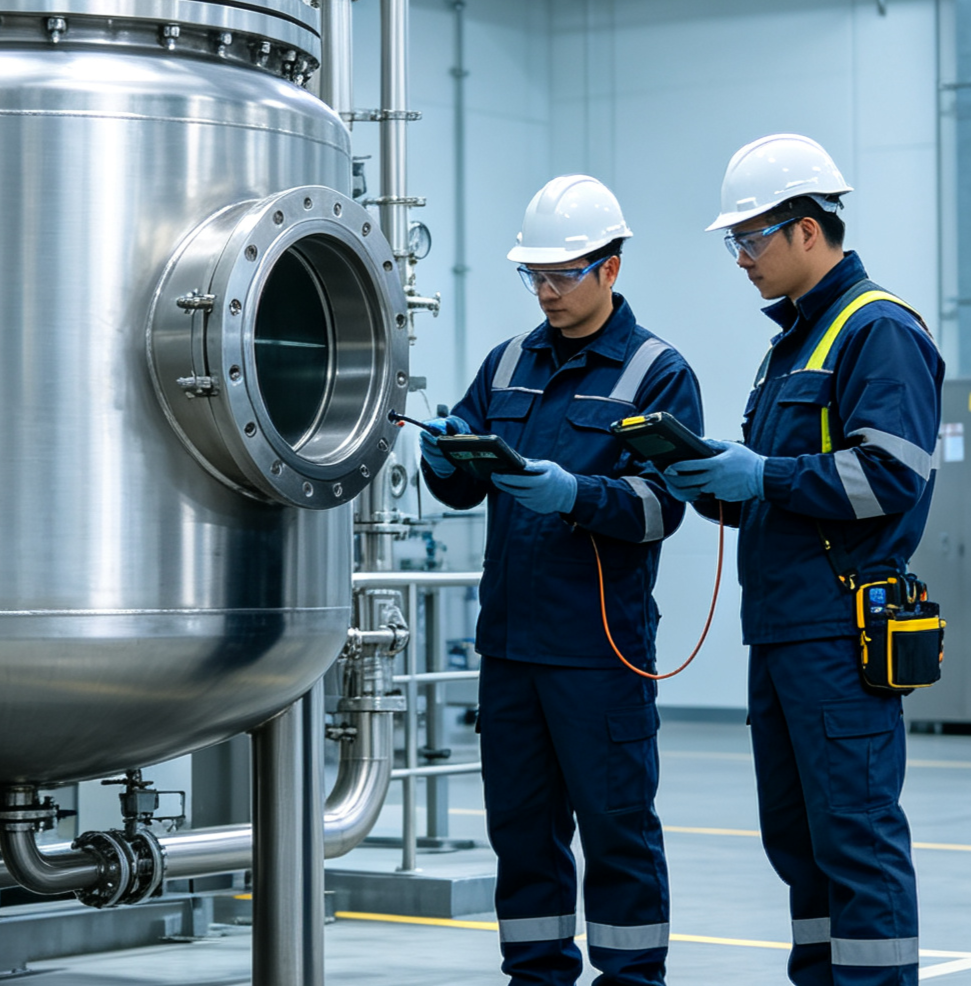
The chemical manufacturing equipment maintenance market is undergoing a profound transformation. As plants age, regulatory pressures intensify, and operational efficiency becomes non-negotiable, the demand for specialized maintenance services, spare parts, and reliable supply chains has never been greater. For procurement leaders, brand owners, wholesalers, and manufacturers worldwide, the challenge is not just maintaining equipment—it is sourcing the right parts, at the right price, with the right delivery timeline, without compromising quality or safety.
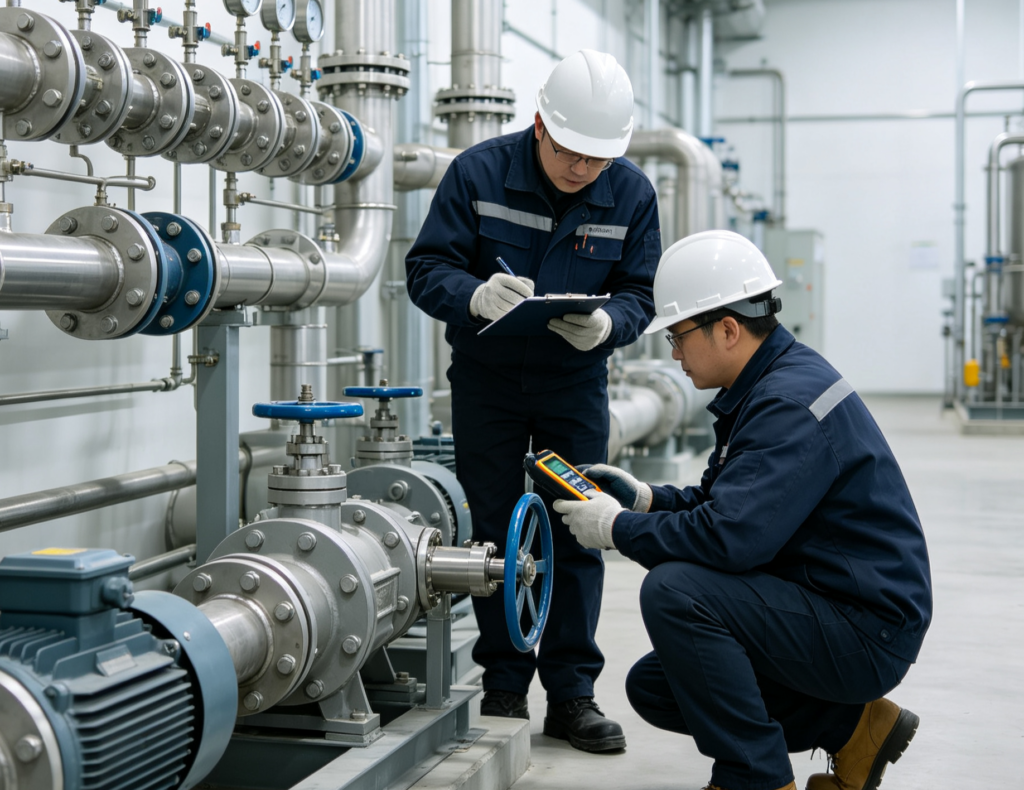
Table of Contents
The Market at a Glance: Growth, Drivers, and Stakes
According to Market Research Future (MRFR), the Chemical Manufacturing Equipment Maintenance Market was valued at approximately $25.0 billion in 2024** and is projected to reach **$40.0 billion by 2035, growing at a compound annual growth rate (CAGR) of 4.37% during the forecast period. The broader Chemical Plant Maintenance and Repair Services Market is even larger, estimated at $44.5 billion in 2024** and expected to grow to **$64.2 billion by 2035 at a CAGR of 3.39%.
These numbers reflect a market driven by several powerful forces:
- Aging infrastructure. Much of the world’s chemical processing equipment is reaching or exceeding its original design life, requiring more frequent maintenance, repairs, and component replacements.
- Regulatory pressure. Stricter environmental, health, and safety regulations—including OSHA PSM and EPA RMP in the US—mandate rigorous maintenance protocols and documentation.
- The shift to predictive maintenance. Advanced analytics, IoT sensors, and data-driven strategies are reshaping traditional maintenance paradigms. Predictive maintenance can reduce maintenance costs by up to 30% and eliminate up to 75% of breakdowns.
- Asia-Pacific’s rapid industrialization. While North America remains the largest market, the Asia-Pacific region is emerging as the fastest-growing, fueled by massive investments in manufacturing capacity.
The Hidden Costs of Getting It Wrong
The stakes in chemical equipment maintenance are extraordinarily high. McKinsey reports that approximately 50% of fixed costs at a typical chemical plant are tied to maintenance, and unplanned equipment downtime is typically the largest cause of lost production. A single unplanned outage at a mid-sized chemical facility can cost $500,000 to $2 million per day in lost production. A turnaround event—a scheduled plant shutdown for major maintenance—can consume 50–80% of an annual maintenance budget in just 3–6 weeks.
Perhaps most concerning: over 30% of industrial accidents are attributed to inadequate maintenance. When maintenance is delayed, deferred, or performed with substandard parts, the consequences extend far beyond the balance sheet.
The Procurement Predicament: Why Buying Maintenance Parts Is Harder Than It Should Be
For procurement teams responsible for sourcing chemical manufacturing equipment maintenance components, the landscape is fraught with pitfalls. A recent article in BIC Magazine highlights a troubling trend: many purchasing teams lack the technical expertise or engineering support to effectively evaluate multiple vendor quotes. The default approach—choosing the lowest bid from an approved vendor—often results in lower product performance, reduced service intervals, and unexpected installation costs.
Even worse, many vendors are now quoting proprietary or patented products that may be less durable and made with thinner materials than the original equipment. Thinner tray decks and packings can increase vibration, accelerate failure rates, and lead to premature corrosion and metal fatigue. Some vendors intentionally include too few replacement parts in their bids to make their price look lower, then charge premium shipping for rush orders when the plant runs short during a critical maintenance window.
In the chemical industry, MRO procurement faces additional, unique challenges:
- Compliance risk is extremely high. Chemical procurement must adhere to GHS (Globally Harmonized System) and other stringent safety standards.
- Supply chain fragmentation is a major bottleneck. In regions like Thailand, the supply chain and logistics network can be weak and fragmented, delaying critical supplies.
- Inventory management is complex. The storage of hazardous materials introduces significant safety and compliance risks.
- Data quality issues are rampant. A global study found that 51% of organizations report issues with MRO data accuracy, and 49% cite inconsistencies in supplier records.
How a One-Stop B2B Sourcing Platform Changes the Game
This is where a new approach to sourcing is making a significant difference. LooperBuy, a one-stop B2B sourcing platform, is designed specifically to address the procurement challenges faced by chemical plant operators, brand owners, wholesalers, and manufacturers worldwide.
LooperBuy connects global buyers directly to China’s vast manufacturing ecosystem—specifically, the 1688.com platform, which hosts over 200 million SKUs and serves nearly 3 million overseas registered buyers. This direct access offers several transformative advantages for chemical equipment maintenance procurement:
- Global direct access to Chinese products. Instead of navigating complex, multi-tiered supply chains, buyers can source directly from qualified Chinese manufacturers. This eliminates intermediaries, reduces costs, and shortens lead times.
- Unparalleled product variety and completeness. From pumps, valves, and heat exchangers to specialized reactor components and instrumentation parts, the platform provides access to an enormous range of chemical equipment maintenance supplies.
- Competitive pricing without compromising quality. By sourcing directly from manufacturers, buyers achieve significant cost savings. One case study from the petrochemical sector reported that a fertilizer manufacturer sourced critical compressor components and achieved a reported reduction in component costs while receiving parts 12 weeks sooner than expected.
- Fast, reliable global logistics. The platform integrates order synchronization, logistics fulfillment, and after-sales support into a seamless cross-border service.
- Integrated payment solutions. Through its partnership with LianLian Global, a leading cross-border payment provider, LooperBuy enables secure, multi-currency transactions that simplify international purchasing.
What the Experts Are Saying: Real-World Validation
Industry experts and practitioners are increasingly recognizing the value of strategic MRO sourcing. A procurement analysis published on ITSupplyChain.com emphasizes that for chemical and petrochemical plants, downtime costs can range from thousands to tens of thousands of dollars per hour. The article argues that procurement leaders must shift their focus from unit price to total cost of ownership (TCO) and supply chain agility. A supplier offering a 10% lower price is a liability if their delivery takes 12 weeks during a critical maintenance window.
This is exactly the problem that direct, agile sourcing platforms solve. By maintaining relationships with a diverse mix of manufacturers—including agile regional specialists who can step in when global supply chains are disrupted—procurement teams can build true supply chain resilience.
Another critical insight comes from the consulting firm dss+, which notes that many chemical facilities operate with minimal attention to maintenance and reliability, focusing solely on meeting statutory requirements rather than adopting proactive, risk-based approaches. The pervasive “firefighting” mentality—reacting to failures rather than preventing them—is a cultural problem that better sourcing and maintenance planning can help address.
The Real Cost of Poor Sourcing Decisions
Consider this: a single imported replacement part for a critical valve can cost $1.5 million**, with a procurement lead time of **up to six months**. Each repair event can cost an additional **$500,000. When maintenance windows are tight and production schedules are unforgiving, these delays and costs compound rapidly.
Now consider the alternative: sourcing comparable quality components directly from Chinese manufacturers through a platform that offers transparent pricing, verified suppliers, and integrated logistics. The savings in both time and money can be game-changing for chemical plant operators operating under tight margins and high regulatory scrutiny.
Practical Steps for Procurement Leaders in Chemical Manufacturing
Based on industry best practices and expert recommendations, here are actionable steps for procurement teams looking to optimize their chemical equipment maintenance sourcing:
- Look beyond the bottom-line quote. Scrutinize product details, material specifications, and quantities from all vendor quotes. Request line-by-line breakdowns and avoid lump-sum prices that lack detailed breakdowns.
- Evaluate products based on lifecycle and durability. A low upfront cost often leads to more frequent replacements. Consider total cost of ownership, not just purchase price.
- Partner with vendors who act as consultants, not just parts providers. The right sourcing partner will understand your specific equipment needs and maintenance schedules.
- Diversify your supplier base. Relying on a single source for critical components is a single point of failure. Maintain relationships with a mix of global brands and agile specialists.
- Leverage digital procurement platforms. Digital platforms that provide rapid, detailed technical specifications can cut days off the procurement cycle.
- Automate reordering for critical inventory items. Define minimum stock levels and reorder points for essential MRO items.
Why LooperBuy Is the Sourcing Partner Chemical Manufacturers Need
For chemical manufacturers, brand owners, wholesalers, and procurement professionals worldwide, LooperBuy represents a paradigm shift in how maintenance supplies are sourced. By providing direct access to China’s vast manufacturing base—with its unparalleled variety, competitive pricing, and manufacturing excellence—the platform solves the core challenges that have long plagued chemical equipment maintenance procurement:
- No more opaque pricing. Direct manufacturer relationships mean transparent, competitive quotes.
- No more 6-month lead times. Agile logistics and established supply chains mean faster delivery.
- No more supply chain fragmentation. One platform for sourcing, ordering, payment, and logistics.
- No more quality uncertainty. Verified suppliers and comprehensive quality control processes.
- No more language or payment barriers. Cross-border support with multi-currency payment solutions.
The Bottom Line
The chemical manufacturing equipment maintenance market is large, growing, and increasingly complex. For procurement leaders, the difference between operational excellence and costly downtime often comes down to one thing: the quality and reliability of their supply chain.
By embracing a modern, one-stop B2B sourcing approach—one that combines direct manufacturer access, competitive pricing, global logistics, and integrated payment solutions—chemical plant operators can reduce costs, shorten lead times, improve safety, and achieve the operational reliability that the industry demands.
LooperBuy is not just another sourcing platform. It is a strategic partner for the chemical industry’s maintenance and reliability needs. Whether you are a brand owner, wholesaler, manufacturer, or procurement professional, the platform provides the tools, access, and expertise to keep your chemical manufacturing equipment running at peak performance—without the headaches, delays, and hidden costs of traditional sourcing.
FAQ
Q1: What is the current size of the chemical manufacturing equipment maintenance market?
A: According to Market Research Future (MRFR), the Chemical Manufacturing Equipment Maintenance Market was valued at approximately $25.0 billion in 2024 and is projected to reach $40.0 billion by 2035, growing at a CAGR of 4.37%.
Q2: What are the biggest procurement challenges in chemical plant maintenance?
A: The biggest challenges include lack of technical expertise to evaluate vendor quotes, proprietary parts that are less durable than original equipment, hidden costs from insufficient replacement quantities, long lead times (up to 6 months for some imported parts), fragmented supply chains, and high compliance risks.
Q3: How much does unplanned downtime cost in the chemical industry?
A: Unplanned downtime at a mid-sized chemical facility can cost $500,000 to $2 million per day in lost production. For a petrochemical plant, downtime costs can range from thousands to tens of thousands of dollars per hour.
Q4: What percentage of fixed costs at a chemical plant are tied to maintenance?
A: McKinsey reports that approximately 50% of fixed costs at a typical chemical plant are tied to maintenance.
Q5: How can LooperBuy help with chemical equipment maintenance sourcing?
A: LooperBuy provides one-stop B2B sourcing services that connect global buyers directly to Chinese manufacturers via 1688.com. The platform offers access to over 200 million SKUs, competitive pricing, integrated logistics, multi-currency payment solutions, and end-to-end cross-border service—helping buyers reduce costs, shorten lead times, and simplify procurement.
About This Article
This article provides an in-depth analysis of the chemical manufacturing equipment maintenance market, its growth drivers, procurement challenges, and strategic sourcing solutions. Drawing on market research data from Market Research Future, industry insights from BIC Magazine and ITSupplyChain.com, and expert perspectives from McKinsey and dss+, the article offers actionable guidance for procurement leaders, brand owners, wholesalers, and manufacturers. It also introduces LooperBuy as a one-stop B2B sourcing platform that addresses the unique challenges of chemical equipment maintenance procurement through direct manufacturer access, competitive pricing, and integrated global logistics.
References
- Market Research Future. “Chemical Manufacturing Equipment Maintenance Market Research Report – Market Forecast Till 2035.” https://www.marketresearchfuture.com/reports/chemical-manufacturing-equipment-maintenance-market-66178
- Market Research Future. “Chemical Plant Maintenance and Repair Services Market Research Report – Market Forecast Till 2035.” https://www.marketresearchfuture.com/reports/chemical-plant-maintenance-and-repair-services-market-66183
- BIC Magazine. “Smarter purchasing strategies to keep turnarounds on track.” https://www.bicmagazine.com/departments/maintenance-reliability/smarter-purchasing-strategies-to-keep-turnarounds-on-track/
- ITSupplyChain.com. “Strategic MRO Procurement: Mitigating Risks in Industrial Fluid Control Systems.” http://itsupplychain.com/strategic-mro-procurement-mitigating-risks-in-industrial-fluid-control-systems/
- Chemical Industry Digest. “Prioritising Maintenance and Reliability in India’s Chemical Industry.” https://www.consultdss.com/content-hub/prioritising-maintenance-and-reliability-in-indias-chemical-industry/
- McKinsey. “Tech-enabled asset productivity in chemicals and agriculture.” https://www.mckinsey.com.br
- 24ChemicalResearch. “Asset Care Management Market, Global Outlook and Forecast 2026-2033.” https://www.24chemicalresearch.com
- LooperBuy User Manual. https://my.feishu.cn/docx/V1VCdF1Bro81H5xx0bMcTxqanAf
Hot Tags
chemical manufacturing equipment maintenance market, chemical plant maintenance procurement, MRO sourcing chemical industry, chemical equipment spare parts sourcing, predictive maintenance chemical plants, chemical plant turnaround procurement, industrial maintenance B2B platform, chemical industry supply chain optimization, LooperBuy chemical equipment sourcing, cross-border MRO procurement