Decoration paint is a versatile tool in the world of interior design, allowing homeowners and decorators to express creativity and transform spaces. This article explores the various types of decoration paint, current trends, techniques for application, and tips for choosing the right paint for your projects.
Table of Contents
Understanding Decoration Paint
Decoration paint is not just about color; it encompasses a range of finishes, textures, and techniques that can dramatically alter the appearance of a room. From matte to glossy finishes, and from solid colors to intricate patterns, decoration paint offers endless possibilities for personal expression.
Types of Decoration Paint
When selecting decoration paint, it’s essential to understand the different types available. Each type serves a unique purpose and can create various effects.
1. Matte Paint
Matte paint has a non-reflective finish that provides a smooth, velvety appearance. It is ideal for hiding imperfections on walls and ceilings. However, it can be challenging to clean, making it less suitable for high-traffic areas.
2. Satin Paint
Satin paint offers a soft sheen that is more durable than matte finishes. It is easier to clean, making it a popular choice for living rooms, bedrooms, and hallways. Satin paint strikes a balance between elegance and practicality.
3. Glossy Paint
Glossy paint has a high sheen that reflects light, making colors appear more vibrant. It is often used for trim, moldings, and cabinets. While it is easy to clean, it can highlight imperfections, so proper surface preparation is crucial.
4. Textured Paint
Textured paint adds depth and dimension to walls. It can mimic the appearance of stucco, sand, or other materials. This type of paint is excellent for creating focal points or accent walls.
5. Chalk Paint
Chalk paint is known for its matte finish and ability to adhere to various surfaces without extensive preparation. It is popular for furniture refinishing and creating a vintage look.
Current Trends in Decoration Paint
As with any design element, decoration paint trends evolve over time. Staying updated on these trends can help you make informed choices for your home.
1. Bold Colors
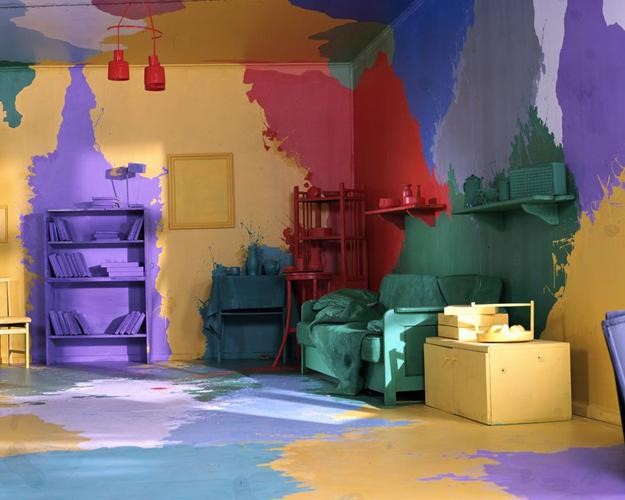
In recent years, bold and vibrant colors have made a comeback. Deep blues, rich greens, and warm terracotta shades are popular choices for creating dramatic statements in living spaces.
2. Monochromatic Schemes
Monochromatic color schemes, where different shades of the same color are used throughout a space, are gaining popularity. This approach creates a cohesive and sophisticated look.
3. Textured Finishes
Textured finishes, such as sponging or rag rolling, are being embraced for their ability to add visual interest. These techniques can create a unique backdrop that enhances the overall design.
4. Sustainable Paints
With a growing emphasis on sustainability, eco-friendly paints made from natural ingredients are becoming more prevalent. These paints are low in volatile organic compounds (VOCs) and are safer for indoor air quality.
5. Accent Walls
Accent walls continue to be a popular trend, allowing homeowners to experiment with bold colors or patterns without overwhelming the entire room. This technique can highlight architectural features or create a focal point.
Techniques for Applying Decoration Paint
Applying decoration paint effectively requires skill and technique. Here are some essential methods to consider.
Preparing the Surface
Before painting, proper surface preparation is crucial. This includes cleaning the walls, filling in any holes or cracks, and sanding rough areas. A well-prepared surface ensures better adhesion and a smoother finish.
Choosing the Right Tools
The tools you use can significantly impact the outcome of your painting project. Brushes, rollers, and sprayers each have their advantages. For detailed work, use high-quality brushes, while rollers are ideal for covering large areas quickly.
Mastering Application Techniques
1. Cutting In: This technique involves painting the edges of walls and corners with a brush before using a roller. It creates clean lines and prevents paint from getting on adjacent surfaces.
2. Rolling: Use a roller for large, flat areas. Apply paint in a W or M pattern to ensure even coverage and avoid streaks.
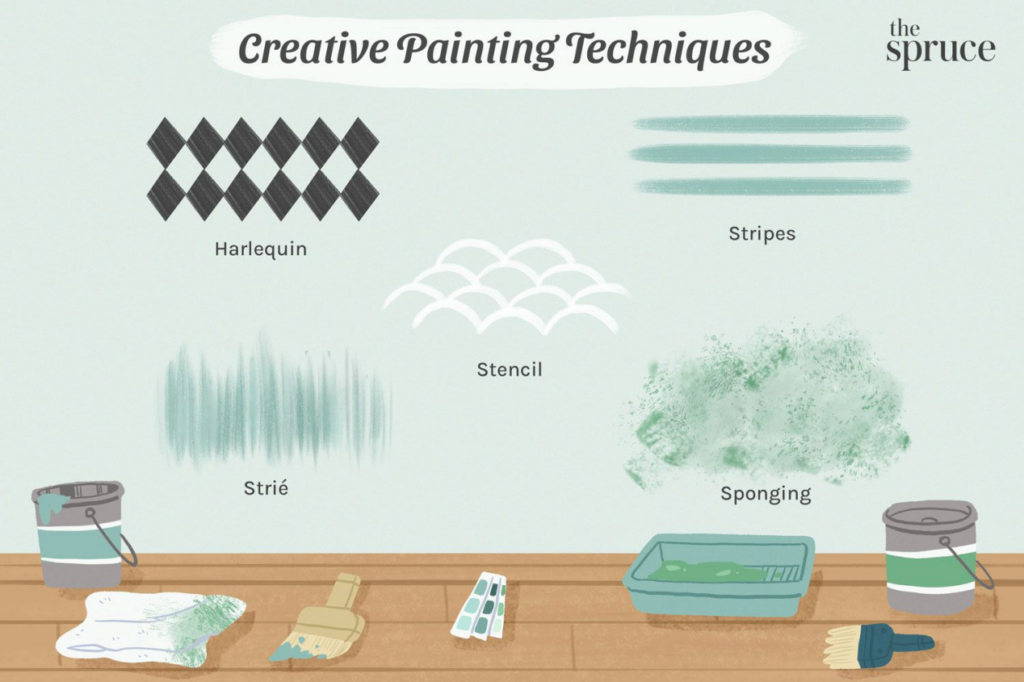
3. Sponging: For a textured effect, use a sponge to apply a second color over a base coat. This technique adds depth and interest to walls.
4. Stenciling: Stenciling allows for intricate designs and patterns. Secure the stencil to the wall and use a brush or sponge to apply paint over it.
5. Faux Finishes: Techniques like rag rolling or dragging can create the appearance of materials like marble or wood. These methods require practice but can yield stunning results.
Tips for Choosing Decoration Paint
Selecting the right decoration paint can be overwhelming due to the vast array of options available. Here are some tips to help you make the best choice.
Consider the Room’s Purpose
Think about how the room will be used. High-traffic areas may benefit from durable, washable finishes, while bedrooms can embrace softer, more calming colors.
Test Samples
Always test paint samples on your walls before making a final decision. Colors can look different in various lighting conditions, so it’s essential to see how they appear in your space.
Coordinate with Existing Decor
Choose colors that complement your existing furniture and decor. Consider the overall color scheme of your home to create a harmonious flow between rooms.
Factor in Lighting
Natural and artificial lighting can significantly affect how paint colors appear. Observe how the color looks at different times of the day to ensure it meets your expectations.
Seek Professional Advice
If you’re unsure about your choices, consider consulting with a professional interior designer or paint specialist. They can provide valuable insights and recommendations based on your style and needs.
Conclusion
Decoration paint is a powerful tool for transforming spaces and expressing personal style. By understanding the different types of paint, current trends, application techniques, and tips for selection, you can create beautiful and inviting environments in your home. Whether you opt for bold colors, textured finishes, or sustainable options, the right decoration paint can elevate your interior design to new heights.
How To Purchase:https://looperbuy.com/search?keywords=decoration+paint
Related Questions and Answers
1. What is the best type of paint for high-traffic areas?
Satin or semi-gloss paint is recommended for high-traffic areas due to its durability and ease of cleaning.
2. How can I create a textured wall finish?
You can create a textured finish using techniques like sponging, rag rolling, or applying textured paint.
3. What are the benefits of using eco-friendly paint?
Eco-friendly paints are low in VOCs, making them safer for indoor air quality and better for the environment.
4. How do I choose the right color for a small room?
Lighter colors can make a small room feel larger, while bold colors can create a cozy atmosphere. Test samples to see what works best in your space.
5. Can I paint over wallpaper?
Yes, you can paint over wallpaper, but it’s essential to ensure the wallpaper is in good condition and properly adhered to the wall.