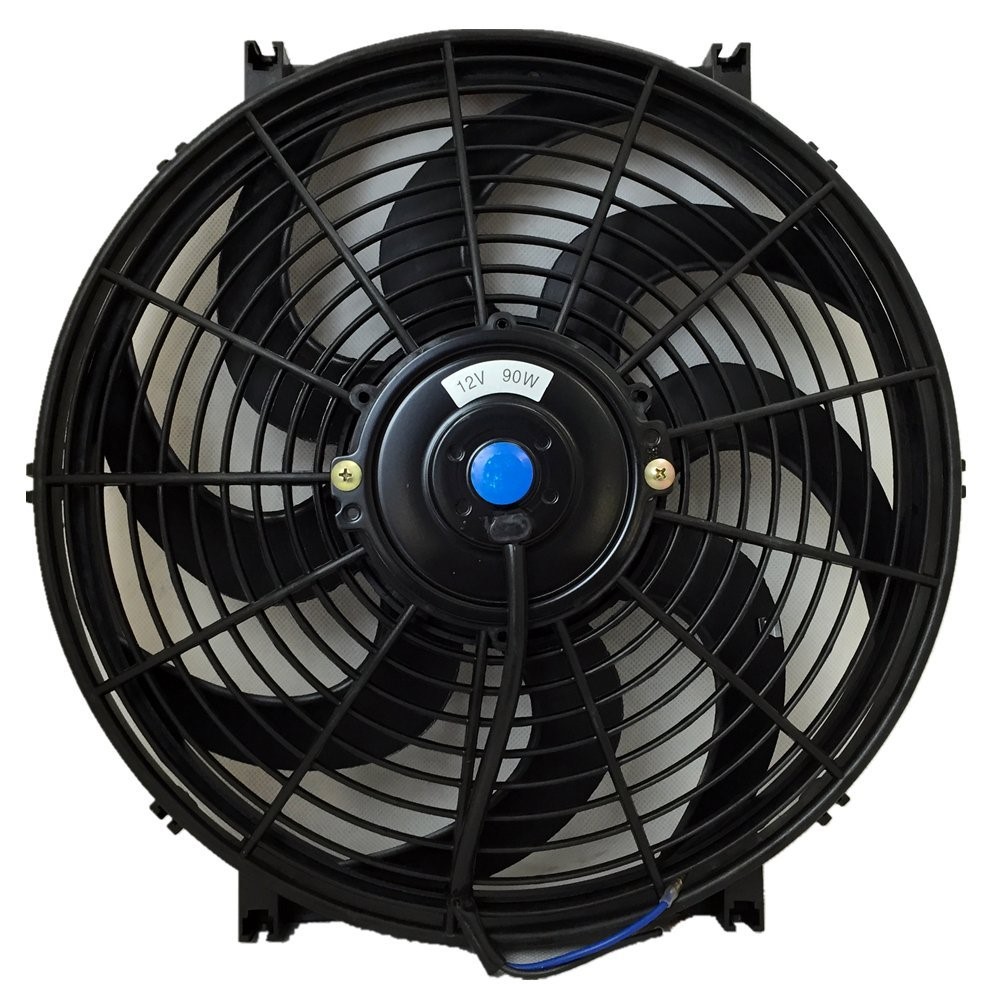
Electric radiator fans play a crucial role in the cooling systems of modern vehicles. They help maintain optimal engine temperatures, ensuring that vehicles operate efficiently and reliably. This article will explore how electric radiator fans work, their benefits, installation procedures, maintenance requirements, and how they compare to mechanical fans.
Table of Contents
Understanding Electric Radiator Fans
Electric radiator fans are designed to draw air through the radiator, helping to dissipate heat from the engine coolant. Unlike mechanical fans, which are driven by the engine’s crankshaft, electric fans operate independently and are powered by the vehicle’s electrical system. This independence allows for more precise control over cooling, which is essential in various driving conditions.
How Do Electric Radiator Fans Work?
Electric radiator fans are activated by a temperature sensor that monitors the engine’s coolant temperature. When the temperature rises above a predetermined level, the sensor sends a signal to the fan’s relay, activating the fan. This process helps to pull air through the radiator, enhancing the cooling effect and preventing the engine from overheating.
The fan’s design typically includes multiple blades that are shaped to maximize airflow. The angle and pitch of these blades are engineered to create a strong airflow while minimizing noise. The fan can be mounted in front of or behind the radiator, depending on the vehicle’s design and cooling requirements. In some cases, electric fans are used in conjunction with mechanical fans to provide additional cooling during high-demand situations, such as towing or driving in hot weather. This dual-fan system can significantly improve the overall cooling efficiency of the vehicle.
Benefits of Using Electric Radiator Fans
Electric radiator fans offer several advantages over traditional mechanical fans. One of the primary benefits is efficiency. Since electric fans only operate when needed, they consume less power and can improve fuel efficiency. This is particularly important in modern vehicles, where fuel economy is a significant concern. By reducing the load on the engine, electric fans can contribute to better overall performance and lower emissions.
Another benefit is the reduction of engine load. Mechanical fans are always spinning when the engine is running, which can create additional drag on the engine. Electric fans, on the other hand, only engage when necessary, allowing the engine to operate more efficiently. This can lead to improved acceleration and responsiveness, especially in stop-and-go traffic or during heavy acceleration.
Electric fans also provide better control over cooling. They can be designed to operate at different speeds, allowing for more precise temperature management. This is especially beneficial in high-performance vehicles where maintaining optimal engine temperatures is critical. The ability to adjust fan speed based on real-time temperature readings ensures that the engine remains within its ideal operating range, preventing overheating and potential damage.
Installation of Electric Radiator Fans
Installing an electric radiator fan can be a straightforward process, but it requires some mechanical knowledge and the right tools. Here’s a general overview of the installation process.
Tools and Materials Needed
Before starting the installation, gather the necessary tools and materials. You will typically need:
– Electric radiator fan kit
– Wiring harness
– Relay and fuse
– Mounting hardware
– Basic hand tools (screwdrivers, wrenches, etc.)
Having the right tools on hand will make the installation process smoother and more efficient. It’s also advisable to have a service manual for your vehicle, as it can provide specific instructions and diagrams related to your model.
Step-by-Step Installation Guide
1. Disconnect the Battery: Safety is paramount. Always disconnect the vehicle’s battery before starting any electrical work. This prevents accidental short circuits and protects both you and the vehicle’s electrical system.
2. Remove the Old Fan: If replacing a mechanical fan, carefully remove it along with any associated components, such as the fan shroud. Take note of how the old fan is connected, as this will help you during the installation of the new fan.
3. Mount the Electric Fan: Position the electric fan in front of or behind the radiator, depending on your vehicle’s design. Use the provided mounting hardware to secure it in place. Ensure that the fan is mounted securely to prevent vibrations that could lead to damage over time.
4. Wiring the Fan: Connect the wiring harness to the fan. Follow the manufacturer’s instructions for connecting the relay and fuse. Ensure all connections are secure and insulated to prevent short circuits. Proper wiring is crucial for the fan’s operation and longevity.
5. Connect the Temperature Sensor: If your fan kit includes a temperature sensor, install it according to the instructions. This sensor will control when the fan turns on and off based on coolant temperature. Proper placement of the sensor is essential for accurate temperature readings.
6. Reconnect the Battery: Once everything is installed and secured, reconnect the battery and test the fan operation. Start the engine and allow it to reach operating temperature to ensure the fan activates as expected.
7. Check for Leaks: After installation, check for any coolant leaks and ensure that the fan operates correctly when the engine reaches the specified temperature. Address any leaks immediately to prevent overheating and engine damage.
Maintenance of Electric Radiator Fans
Maintaining electric radiator fans is essential for ensuring their longevity and performance. Regular checks can prevent overheating issues and extend the life of the fan.
Routine Maintenance Tips
– Inspect Wiring and Connections: Regularly check the wiring and connections for signs of wear or damage. Loose or corroded connections can lead to fan failure. If you notice any frayed wires or corrosion, replace them promptly to maintain optimal performance.
– Clean the Fan Blades: Dust and debris can accumulate on the fan blades, reducing airflow. Periodically clean the blades to maintain optimal performance. A clean fan operates more efficiently and can help prevent overheating.
– Test the Fan Operation: Occasionally test the fan to ensure it activates at the correct temperature. If the fan does not turn on, it may indicate a problem with the temperature sensor or wiring. Regular testing can help identify issues before they lead to significant problems.
– Check for Obstructions: Ensure that there are no obstructions in front of the fan that could impede airflow. This includes checking the radiator for debris or dirt buildup. Proper airflow is critical for effective cooling, so keep the area around the fan clear.

Comparing Electric Radiator Fans to Mechanical Fans
When considering cooling options for vehicles, it’s essential to understand the differences between electric radiator fans and mechanical fans.
Efficiency and Performance
Electric radiator fans are generally more efficient than mechanical fans. They only operate when needed, which reduces engine load and improves fuel efficiency. Mechanical fans, while effective, can create unnecessary drag on the engine, especially at higher speeds. This drag can lead to decreased fuel economy and reduced engine performance.
Control and Flexibility
Electric fans offer better control over cooling. They can be designed to operate at variable speeds, allowing for more precise temperature management. Mechanical fans typically operate at a constant speed, which may not be ideal for all driving conditions. The ability to adjust fan speed based on real-time temperature readings ensures that the engine remains within its ideal operating range, preventing overheating and potential damage.
Installation and Maintenance
Electric fans are often easier to install and maintain than mechanical fans. They do not require complex mechanical linkages and can be mounted in various positions. Maintenance is also simpler, as electric fans typically have fewer moving parts. This simplicity can save time and money in the long run, making electric fans a popular choice among vehicle owners.
Conclusion
Electric radiator fans are an essential component of modern vehicle cooling systems. They provide efficient cooling, reduce engine load, and offer better control over temperature management. Understanding how they work, their benefits, and how to install and maintain them can help vehicle owners ensure their engines run smoothly and efficiently.
How To Purchase:https://looperbuy.com/search?keywords=electric+radiator+fan
Frequently Asked Questions
1. What is the primary function of an electric radiator fan?
The primary function of an electric radiator fan is to draw air through the radiator to dissipate heat from the engine coolant, preventing overheating.
2. How do I know if my electric radiator fan is working?
You can check if your electric radiator fan is working by monitoring its operation when the engine reaches a certain temperature. If it does not activate, there may be an issue with the fan, wiring, or temperature sensor.
3. Can I install an electric radiator fan myself?
Yes, installing an electric radiator fan can be done as a DIY project if you have basic mechanical skills and the right tools. Follow the manufacturer’s instructions for best results.
4. How often should I maintain my electric radiator fan?
Regular maintenance should be performed at least once a year or whenever you notice any issues, such as unusual noises or failure to operate.
5. Are electric radiator fans better than mechanical fans?
Electric radiator fans are generally more efficient and provide better control over cooling compared to mechanical fans, making them a preferred choice for many modern vehicles.