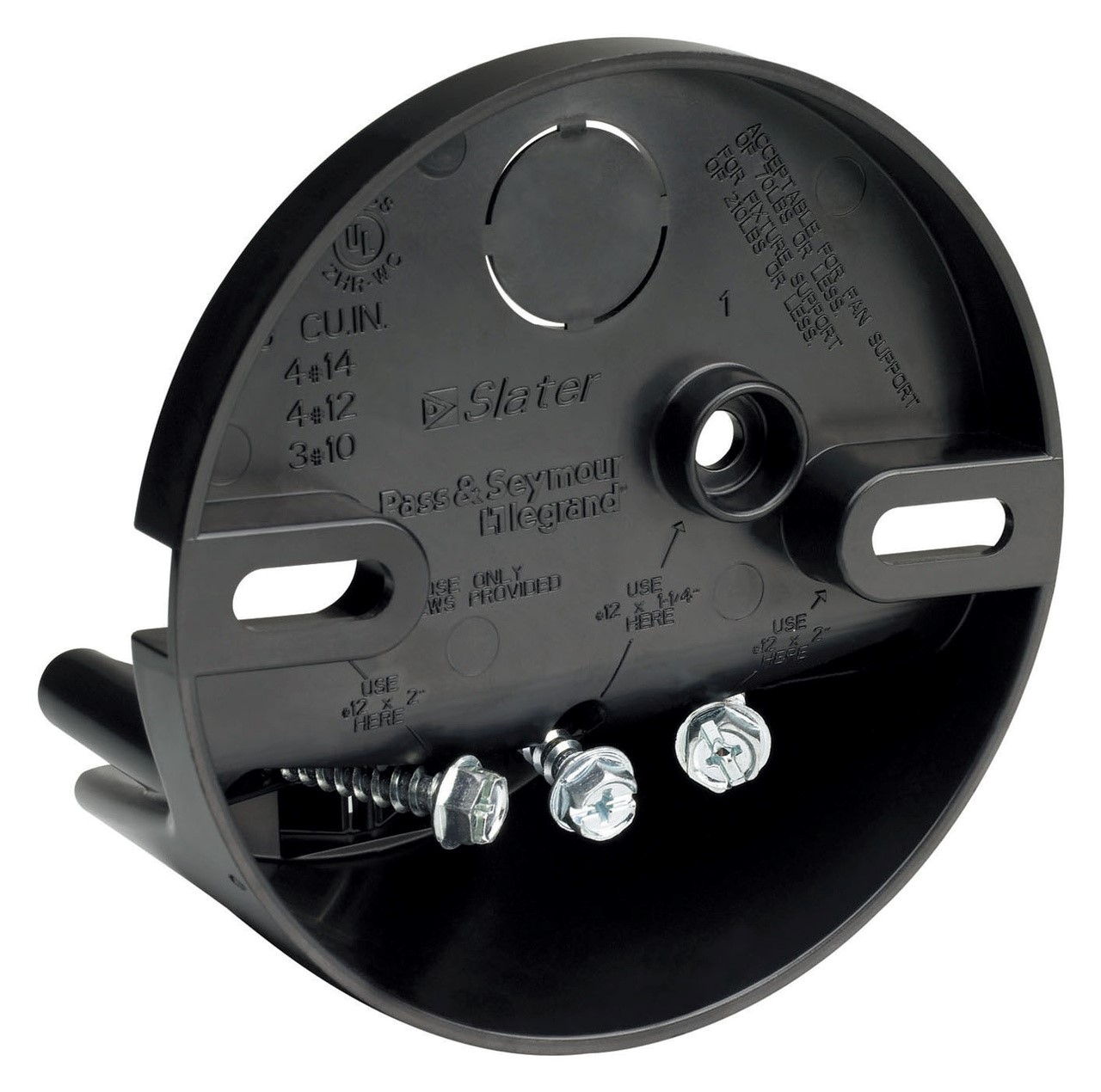
When it comes to installing a ceiling fan, one of the most critical components is the electrical box. This box not only houses the wiring but also supports the weight of the fan. Choosing the right electrical box for your ceiling fan can ensure safety, functionality, and longevity. In this article, we will explore the various types of electrical boxes suitable for ceiling fans, their installation processes, and important considerations to keep in mind. Understanding these aspects will help you make an informed decision, ensuring that your ceiling fan operates efficiently and safely.
Table of Contents
Understanding Electrical Boxes for Ceiling Fans
What Is an Electrical Box?
An electrical box is a container that protects electrical connections and provides a secure mounting point for fixtures like ceiling fans. These boxes come in various shapes and sizes, designed to accommodate different types of electrical installations. For ceiling fans, the box must be robust enough to support the fan’s weight and withstand the forces generated by its operation. The electrical box also plays a crucial role in preventing electrical hazards, such as short circuits and fires, by containing any potential sparks or heat generated by faulty wiring. Therefore, selecting the right box is not just about support; it’s about safety.
Types of Electrical Boxes
There are several types of electrical boxes that can be used for ceiling fans, each with its unique features and benefits. Understanding these types will help you choose the most appropriate one for your specific installation needs.
1. Standard Electrical Boxes
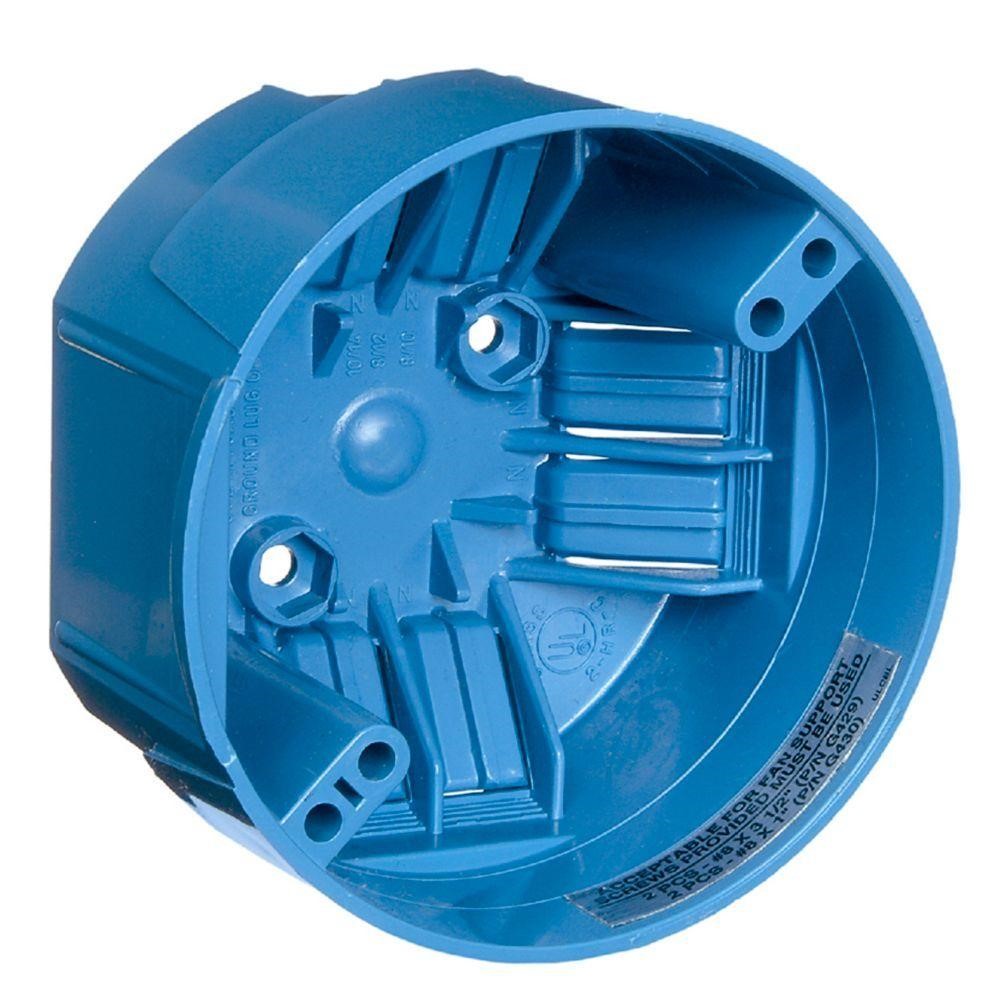
Standard electrical boxes are typically made of plastic or metal and are used for light fixtures. However, they are not always suitable for ceiling fans due to their weight. If you choose to use a standard box, ensure it is rated for fan support. These boxes are often less expensive and easier to install, making them a popular choice for simple lighting fixtures. However, their limitations in weight capacity mean they should be used with caution when it comes to ceiling fans, which can be significantly heavier and subject to more movement.
2. Fan-rated Electrical Boxes
Fan-rated electrical boxes are specifically designed to support the weight and motion of ceiling fans. These boxes are usually made of metal and have a stronger construction than standard boxes. They often come with a brace that attaches to the ceiling joists, providing additional support. This type of box is essential for ensuring that the fan remains securely mounted, even when it is in operation. Additionally, fan-rated boxes are tested to meet specific safety standards, making them a reliable choice for any ceiling fan installation.
3. Old Work Electrical Boxes
Old work electrical boxes are designed for retrofitting into existing ceilings. They have wings that clamp to the drywall, making them ideal for installations where access to the ceiling joists is limited. Ensure that the box is rated for ceiling fan use. These boxes are particularly useful in renovation projects where you may not have the option to install a new work box. They provide a secure mounting solution without the need for extensive ceiling modifications, allowing for a more straightforward installation process.
4. New Work Electrical Boxes
New work electrical boxes are installed during the construction phase. They are attached directly to the ceiling joists, providing a secure and stable mounting point for ceiling fans. These boxes are often the best choice for new installations, as they can be positioned exactly where the fan will be mounted. This ensures optimal support and alignment, reducing the risk of wobbling or instability once the fan is installed. New work boxes also allow for easier access to wiring, making the installation process smoother.
Key Features to Look For
When selecting an electrical box for your ceiling fan, consider the following features:
– Weight Rating: Ensure the box is rated to support the weight of your ceiling fan. This is crucial, as using an inadequately rated box can lead to dangerous situations, including the fan falling from the ceiling.
– Material: Metal boxes are generally more durable than plastic ones and are preferred for ceiling fan installations. Metal boxes can withstand more wear and tear, making them a long-lasting option.
– Mounting Options: Look for boxes that offer multiple mounting options, such as braces or clamps, to ensure a secure fit. A well-mounted box will provide stability and reduce the risk of movement or noise during fan operation.
– Size: The box should be large enough to accommodate the wiring and any additional components. A larger box can also help with heat dissipation, which is important for electrical safety.
Installation Process for Ceiling Fan Electrical Boxes
Tools and Materials Needed
Before starting the installation, gather the following tools and materials:
– Electrical box (fan-rated)
– Screwdriver
– Drill
– Wire connectors
– Electrical tape
– Safety goggles
Having the right tools on hand will make the installation process smoother and more efficient. It’s also important to ensure that all tools are in good working condition to avoid any accidents during installation.
Step-by-Step Installation Guide
1. Turn Off Power: Before beginning any electrical work, turn off the power at the circuit breaker to avoid any accidents. This step is crucial for your safety and should never be skipped.
2. Remove Existing Fixture: If replacing an old fixture, carefully remove it and disconnect the wiring. Take note of how the old fixture was connected, as this can help guide your installation of the new fan.
3. Choose the Location: Determine the best location for the ceiling fan, ensuring it is centered in the room and away from any obstructions. Proper placement is key to maximizing airflow and ensuring the fan operates effectively.
4. Install the Electrical Box: If using a new work box, attach it directly to the ceiling joists. For an old work box, insert it into the ceiling and secure it using the wings. Make sure the box is level and securely fastened to prevent any movement.
5. Connect the Wiring: Follow the manufacturer’s instructions to connect the wiring from the ceiling to the electrical box. Use wire connectors to secure the connections and wrap them with electrical tape for added safety. Properly connecting the wires is essential for the fan to function correctly.
6. Attach the Ceiling Fan: Once the wiring is connected, follow the fan manufacturer’s instructions to mount the fan to the electrical box. Ensure all screws and connections are tight to prevent any wobbling.
7. Restore Power: After ensuring everything is securely connected, turn the power back on at the circuit breaker and test the fan. Check for any unusual noises or movements, which could indicate a problem with the installation.
Safety Considerations
When working with electrical installations, safety should always be a top priority. Here are some important safety tips to keep in mind:
– Always turn off the power before starting any electrical work. This simple step can prevent serious injuries.
– Use tools that are in good condition and appropriate for the job. Dull or damaged tools can lead to accidents.
– If you are unsure about any aspect of the installation, consult a licensed electrician. It’s better to be safe than sorry when it comes to electrical work.
– Ensure that all connections are secure and properly insulated to prevent electrical shorts. Loose connections can lead to overheating and potential fire hazards.
Common Issues and Troubleshooting
What If the Fan Wobbles?
If your ceiling fan wobbles after installation, it may not be securely mounted to the electrical box. Check the mounting hardware and ensure the fan is level. You may also need to adjust the blades or use a balancing kit. A wobbly fan can be not only annoying but also a sign of improper installation, which could lead to further issues down the line.
Why Is My Fan Not Working?
If the fan does not operate, check the following:
– Ensure the power is turned on at the circuit breaker. Sometimes, the simplest solution is the correct one.
– Verify that all wiring connections are secure. Loose wires can prevent the fan from receiving power.
– Check the fan’s remote control or wall switch for functionality. Batteries may need to be replaced, or the switch may need to be reset.
Can I Use a Regular Electrical Box for a Ceiling Fan?
Using a regular electrical box for a ceiling fan is not recommended unless it is specifically rated for fan support. Regular boxes may not be able to handle the weight and movement of a ceiling fan, leading to potential safety hazards. Always opt for a fan-rated box to ensure safety and stability.
Conclusion
Choosing the right electrical box for your ceiling fan is crucial for ensuring a safe and effective installation. By understanding the different types of boxes available and following proper installation procedures, you can enjoy the benefits of a ceiling fan in your home. Always prioritize safety and consult professionals when in doubt. A well-installed ceiling fan can enhance your living space, providing comfort and style while ensuring peace of mind regarding safety.
How To Purchse:https://looperbuy.com/search?keywords=electrical+box+for+ceiling+fan
Related Questions and Answers
1. What is the difference between a fan-rated box and a standard box?
A fan-rated box is specifically designed to support the weight and motion of ceiling fans, while a standard box may not be strong enough for this purpose.
2. How do I know if my electrical box is rated for a ceiling fan?
Check the packaging or markings on the box. It should indicate that it is rated for ceiling fan use.
3. Can I install a ceiling fan without an electrical box?
No, an electrical box is necessary to safely house the wiring and support the fan.
4. What tools do I need to install a ceiling fan electrical box?
You will need a screwdriver, drill, wire connectors, and safety goggles.
5. Is it safe to install a ceiling fan myself?
If you have experience with electrical work, it can be safe. However, if you are unsure, it is best to hire a licensed electrician.