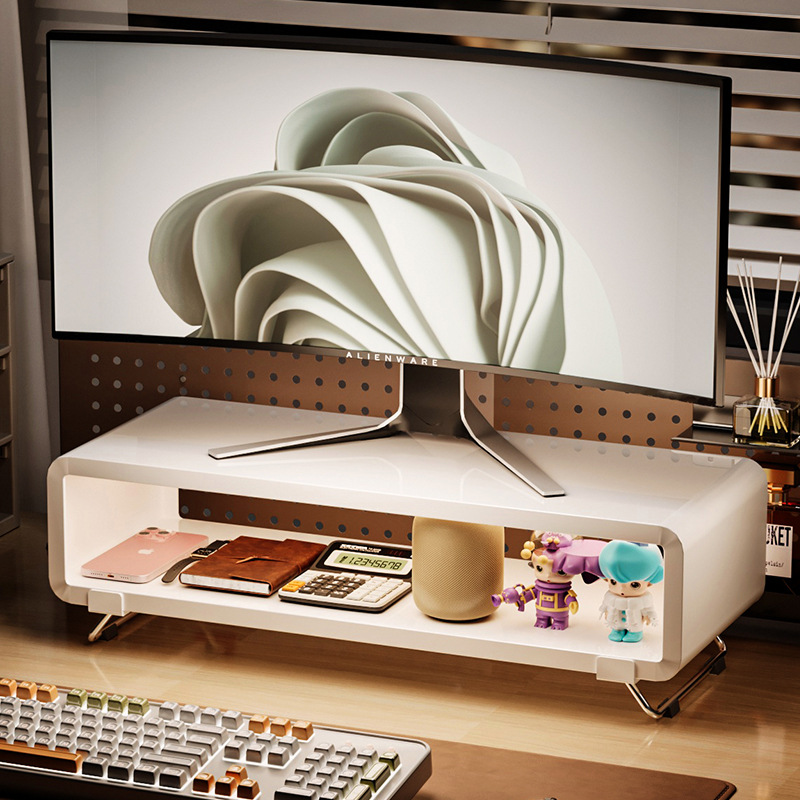
In today’s digital age, where remote work and home offices have become the norm, the importance of a well-organized workspace cannot be overstated. One of the key components of an efficient workspace is the monitor setup. A computer stand for your monitor can significantly enhance your productivity, comfort, and overall work experience. This article delves into the various aspects of computer stands for monitors, exploring their benefits, types, and how to choose the right one for your needs.
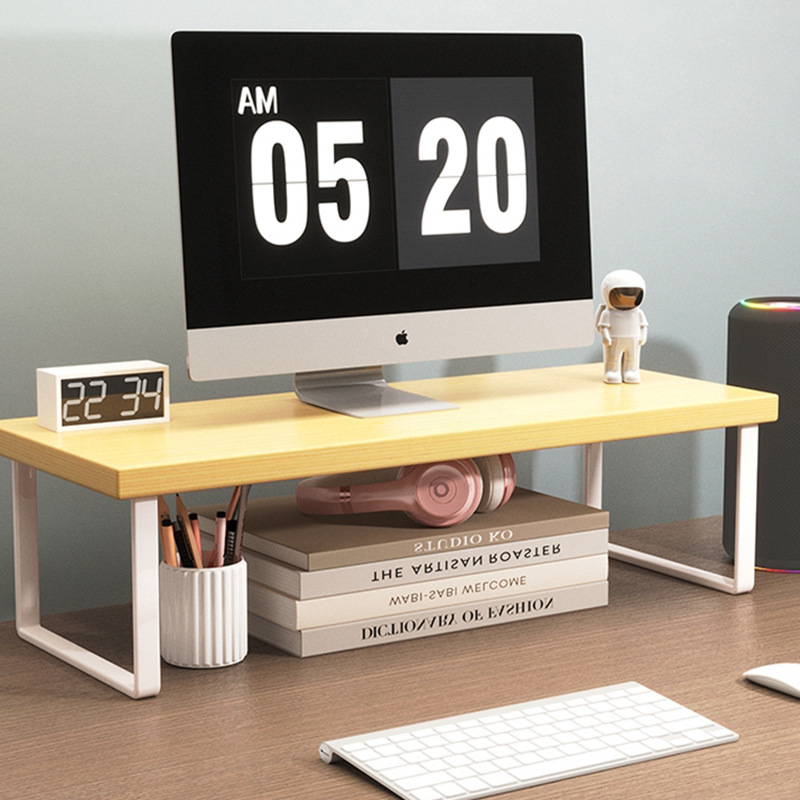
Table of Contents
Understanding the Importance of Monitor Height
Ergonomics and Comfort
One of the primary reasons to invest in a computer stand for your monitor is to improve ergonomics. The height of your monitor can greatly affect your posture and comfort while working. When your monitor is positioned too low, it can lead to neck strain and discomfort. Conversely, a monitor that is too high can cause eye strain and fatigue. A computer stand allows you to adjust the height of your monitor to eye level, promoting a more natural and comfortable viewing angle.
Enhancing Productivity
A well-placed monitor can also enhance productivity. When your monitor is at the correct height, you can work more efficiently without the distractions of discomfort. This can lead to longer periods of focus and increased output. Additionally, a computer stand can help you organize your workspace better, allowing for more room for other essential tools and documents.

Types of Computer Stands for Monitors
Fixed Stands
Fixed stands are the most basic type of monitor stands. They come in various heights and designs but do not offer any adjustability. These stands are typically more affordable and can be a good option for those who have a fixed workspace setup. However, they may not be suitable for everyone, especially if multiple users share the same workspace.
Adjustable Stands
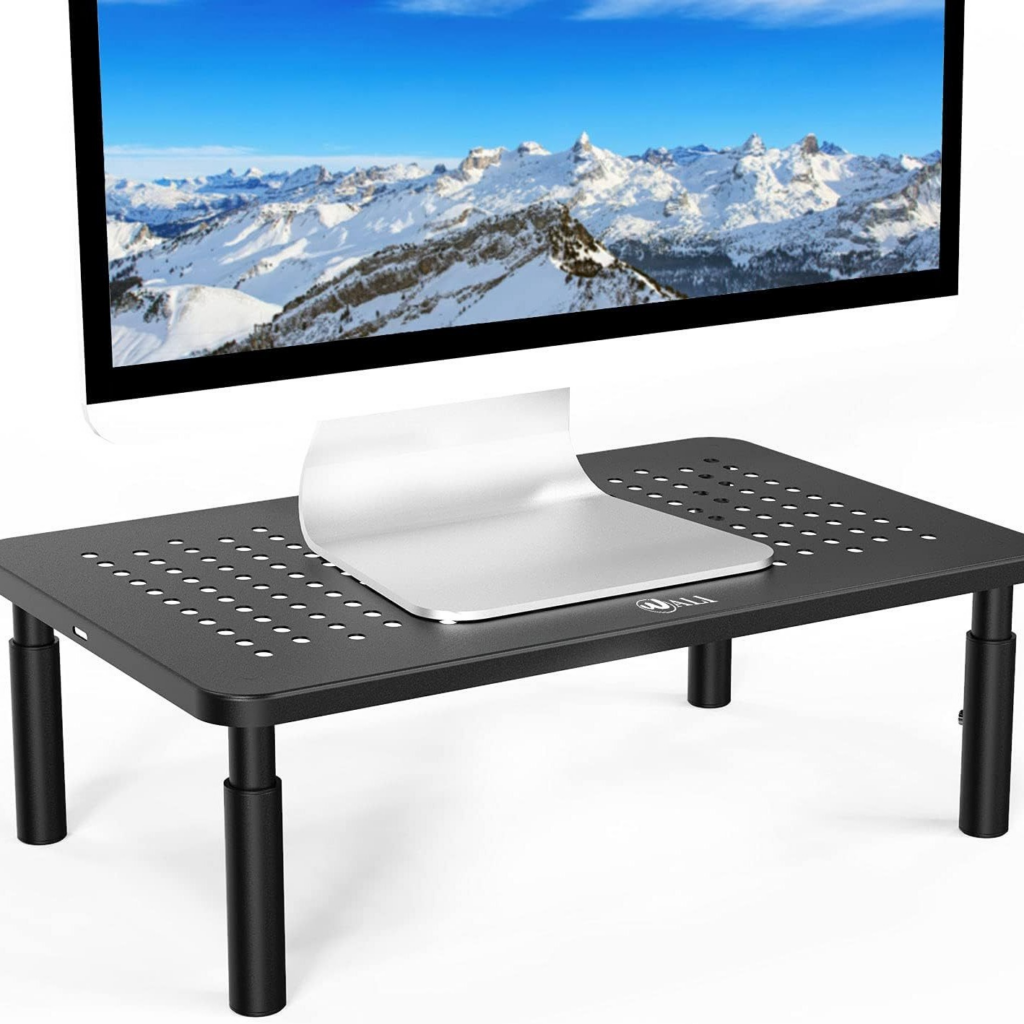
Adjustable stands are designed to provide flexibility in monitor height. They often come with features that allow users to raise or lower the monitor easily. This type of stand is ideal for shared workspaces or for individuals who frequently change their seating position. Adjustable stands can be manual or gas-spring operated, providing a smooth transition between heights.
Monitor Arms
Monitor arms are a more advanced option for those looking to maximize their workspace. These stands attach to the back of the monitor and allow for a wide range of motion, including tilting, swiveling, and rotating. Monitor arms are particularly beneficial for multi-monitor setups, as they can help create a more organized and efficient workspace. They also free up desk space, allowing for more room for other items.
Standing Desk Converters
For those who prefer to alternate between sitting and standing while working, standing desk converters are an excellent choice. These devices can be placed on top of a regular desk and allow users to raise their monitors to standing height. Many standing desk converters also come with additional features, such as keyboard trays and cable management systems, making them a versatile option for modern workspaces.
Choosing the Right Computer Stand
Assessing Your Needs
Before purchasing a computer stand for your monitor, it’s essential to assess your specific needs. Consider factors such as your height, the height of your desk, and how you typically work. If you often share your workspace with others, an adjustable stand may be the best option. On the other hand, if you have a dedicated workspace, a fixed stand might suffice.
Material and Design
The material and design of the computer stand can also impact your decision. Stands are available in various materials, including wood, metal, and plastic. Choose a material that complements your workspace aesthetic while also providing the necessary stability and durability. Additionally, consider the design of the stand. Some stands come with built-in storage options, such as drawers or shelves, which can help keep your workspace organized.
Budget Considerations
Computer stands for monitors come in a wide range of prices. While it may be tempting to opt for the cheapest option, consider the long-term benefits of investing in a quality stand. A well-made stand can improve your comfort and productivity, making it a worthwhile investment. Set a budget that allows you to choose a stand that meets your needs without compromising on quality.
Benefits of Using a Computer Stand
Improved Posture
One of the most significant benefits of using a computer stand is improved posture. By positioning your monitor at eye level, you can maintain a more natural alignment of your spine, reducing the risk of developing musculoskeletal issues over time. Good posture not only enhances comfort but also contributes to better overall health.
Increased Desk Space
Using a computer stand can help free up valuable desk space. Many stands are designed to elevate the monitor, allowing you to utilize the space underneath for storage or other items. This can help create a more organized and efficient workspace, reducing clutter and distractions.
Enhanced Aesthetics
A computer stand can also enhance the overall aesthetics of your workspace. With various designs and materials available, you can choose a stand that complements your office decor. A well-organized and visually appealing workspace can boost your mood and motivation, making it easier to focus on your tasks.
Setting Up Your Monitor Stand
Positioning Your Monitor
When setting up your computer stand, it’s crucial to position your monitor correctly. The top of the screen should be at or slightly below eye level, and the monitor should be about an arm’s length away from your eyes. This positioning helps reduce eye strain and promotes a comfortable viewing experience.
Cable Management
Proper cable management is essential for maintaining an organized workspace. Many computer stands come with built-in cable management features, such as clips or channels, to help keep cords tidy. If your stand does not have these features, consider using cable ties or clips to prevent clutter.
Personalizing Your Workspace
Finally, take the time to personalize your workspace. Add elements that inspire you, such as plants, artwork, or motivational quotes. A personalized workspace can enhance your creativity and make your work environment more enjoyable.
Additional Considerations for Your Workspace
Monitor Size and Resolution
When selecting a computer stand, consider the size and resolution of your monitor. Larger monitors may require more robust stands to ensure stability. Additionally, high-resolution monitors can benefit from being positioned at the correct height to reduce eye strain, especially during long work sessions.
Multi-Monitor Setups
For those who use multiple monitors, a computer stand can be particularly beneficial. Monitor arms or adjustable stands can help you position each monitor at the optimal height and angle, allowing for a seamless workflow. This setup can enhance productivity, especially for tasks that require multitasking or comparing information across screens.
Compatibility with Other Devices
Consider how your computer stand will accommodate other devices, such as laptops or tablets. Some stands are designed to hold multiple devices simultaneously, providing a versatile solution for those who use various technology in their work. Ensure that the stand you choose can support the weight and size of all your devices.
Health Benefits Beyond Comfort
Using a computer stand can also have health benefits beyond just comfort. Proper monitor height can reduce the risk of developing chronic conditions associated with poor posture, such as carpal tunnel syndrome and lower back pain. By investing in a computer stand, you are not only enhancing your workspace but also taking proactive steps towards better health.
Monitor Arm Weight Limits
When considering a monitor arm, it’s crucial to check the weight limits specified by the manufacturer. Different monitors have varying weights, and exceeding the weight limit can lead to instability or damage. Ensure that your monitor arm is compatible with your monitor’s weight to maintain safety and functionality.
Ergonomic Practices for Multi-Monitor Workstations
Setting up a multi-monitor workstation requires careful consideration of ergonomics. Position the primary monitor directly in front of you, with secondary monitors angled slightly towards you. This arrangement minimizes neck strain and allows for easier transitions between screens. Additionally, ensure that all monitors are at the same height to maintain a consistent line of sight.
Comparing Sit-Stand Desk Converters to Full Sit-Stand Desks
Sit-stand desk converters offer a flexible solution for those who want to alternate between sitting and standing. However, they may not provide the same level of stability and features as full sit-stand desks. Full desks often come with built-in motors for smooth height adjustments and can support more weight. Consider your specific needs and workspace constraints when deciding between the two options.
Best Ergonomic Practices for Setting Up a Monitor with a Stand
To maximize the benefits of your computer stand, follow these ergonomic practices:
- Monitor Positioning: Ensure the monitor is at eye level and about an arm’s length away. This reduces eye strain and promotes good posture.
- Keyboard and Mouse Placement: Keep your keyboard and mouse at a height that allows your elbows to be at a 90-degree angle. This helps prevent strain on your wrists and arms.
- Frequent Breaks: Take regular breaks to stand, stretch, and move around. This can help alleviate tension and improve circulation.
Conclusion
Investing in a computer stand for your monitor is a simple yet effective way to enhance your workspace. By improving ergonomics, increasing productivity, and creating a more organized environment, a computer stand can significantly impact your work experience. Whether you choose a fixed stand, an adjustable option, or a monitor arm, the right stand can help you achieve a comfortable and efficient workspace tailored to your needs.
How to purchase:Online B2B sourcing platform, China purchase, Chinese suppliers – LooperBuy
Frequently Asked Questions
1. What is the ideal height for a monitor stand?
The ideal height for a monitor stand is such that the top of the screen is at or slightly below eye level when you are seated comfortably. This helps maintain good posture and reduces neck strain.
2. Can I use a computer stand for multiple monitors?
Yes, many computer stands are designed to accommodate multiple monitors. Monitor arms, in particular, offer flexibility and can be adjusted to fit various setups.
3. Are adjustable stands worth the investment?
Adjustable stands are often worth the investment, especially for shared workspaces or individuals who frequently change their seating position. They provide flexibility and can enhance comfort and productivity.
4. How do I maintain my computer stand?
To maintain your computer stand, regularly clean it with a soft cloth to remove dust and debris. If it has any moving parts, ensure they are functioning correctly and lubricate them if necessary.
5. What materials are best for computer stands?
The best materials for computer stands depend on your preferences and needs. Wood offers a classic look, metal provides durability, and plastic is lightweight and affordable. Choose a material that complements your workspace and meets your stability requirements.
HOT TAG:computer monitor stand, ergonomic desk setup, adjustable monitor height, workspace organization, productivity enhancement, multi-monitor setup, standing desk solutions, monitor arm benefits, office ergonomics, home office design, health benefits of proper posture, workspace aesthetics, cable management solutions, monitor weight limits, flexible workspace solutions, remote work essentials, comfortable work environment, reducing eye strain, improving focus and efficiency, choosing the right monitor stand, enhancing work-life balance, optimizing desk space, modern office furniture, stylish monitor stands, durable materials for stands, user-friendly designs, maximizing productivity, creating an inspiring workspace, health-conscious work habits.