Silk bedding has long been associated with luxury and comfort, and a single silk bedding set is no exception. This article delves into the myriad benefits of silk bedding, how to choose the right set, and the care required to maintain its exquisite quality. Whether you are looking to enhance your bedroom decor or improve your sleep quality, a single silk bedding set can be a perfect choice.
Table of Contents
Understanding Silk Bedding
Silk is a natural protein fiber produced by silkworms, and it has been used for centuries to create luxurious textiles. The unique properties of silk make it an ideal material for bedding.
The Benefits of Silk
Silk bedding offers numerous advantages over traditional cotton or synthetic materials. Here are some key benefits:
- Hypoallergenic Properties: Silk is naturally resistant to dust mites, mold, and mildew, making it an excellent choice for allergy sufferers. This quality is particularly beneficial for individuals with sensitive skin or respiratory issues, as it helps create a healthier sleeping environment.
- Temperature Regulation: Silk has the ability to regulate temperature, keeping you cool in the summer and warm in the winter. This makes it suitable for year-round use. The natural fibers of silk allow for breathability, which helps to wick away moisture and prevent overheating during the night.
- Moisture-Wicking: Silk can absorb moisture without feeling damp, which helps to keep your skin dry and comfortable throughout the night. This property is especially advantageous for those who tend to sweat during sleep, as it helps maintain a comfortable sleeping temperature.
- Softness and Comfort: The smooth texture of silk provides a luxurious feel against the skin, enhancing overall comfort during sleep. Unlike other fabrics, silk does not irritate the skin, making it a perfect choice for those with sensitive skin.
- Durability: While silk is often perceived as delicate, high-quality silk bedding can be surprisingly durable. With proper care, silk can last for many years, making it a worthwhile investment for your bedroom.
Choosing the Right Single Silk Bedding Set
When selecting a single silk bedding set, there are several factors to consider to ensure you make the best choice for your needs.
Fabric Quality
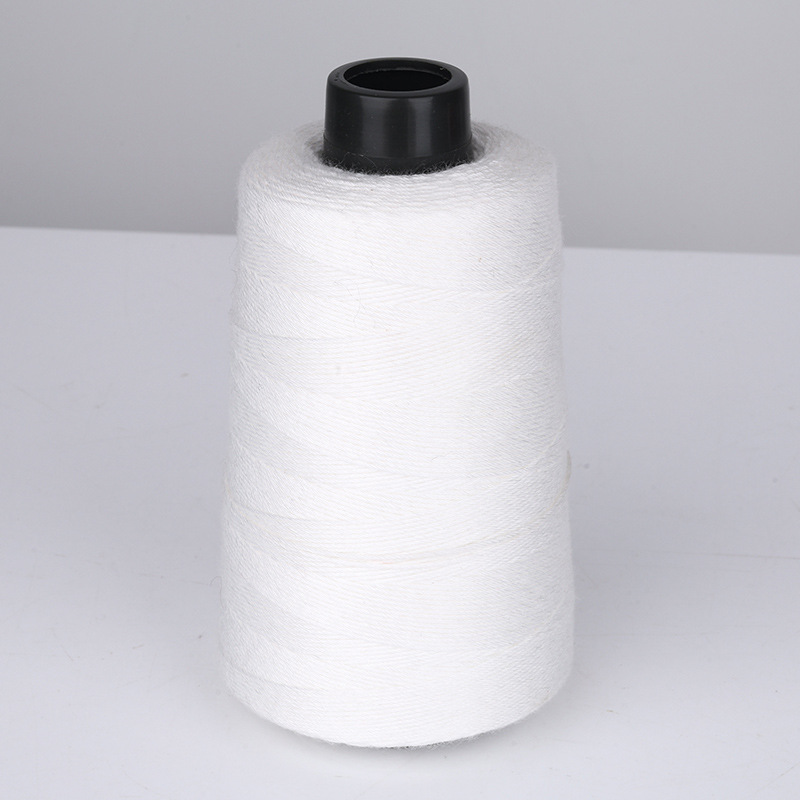
Not all silk is created equal. The quality of silk is often measured in momme (mm), which indicates the weight of the silk. A higher momme count typically means a thicker, more durable fabric. Look for silk bedding with a momme count of at least 19 mm for optimal quality. Higher momme counts, such as 22 mm or 25 mm, offer even greater durability and a more luxurious feel.
Weave Type
The weave of the silk can also affect its feel and durability. The most common weaves for silk bedding are charmeuse, satin, and twill.
- Charmeuse: Known for its luxurious sheen and softness, charmeuse silk has a smooth surface that feels wonderful against the skin. It is often used for high-end bedding and is favored for its elegant appearance.
- Satin: Satin silk has a glossy surface and a slightly heavier feel. It is durable and provides a luxurious look, making it a popular choice for bedding sets.
- Twill: Twill silk has a diagonal weave that gives it a unique texture. It is less shiny than charmeuse and satin but is known for its durability and resistance to wrinkling.
Color and Design
Silk bedding sets come in a variety of colors and designs, allowing you to choose a set that complements your bedroom decor. Consider the overall color scheme of your room and select a bedding set that enhances the aesthetic. Neutral colors like ivory, beige, or gray can create a calming atmosphere, while bold colors like deep blue or rich burgundy can add a touch of drama.
Size and Fit
Ensure that the single silk bedding set you choose fits your mattress properly. Standard sizes include twin, full, queen, and king. If you have a custom-sized mattress, look for brands that offer tailored options. Additionally, consider the depth of your mattress when selecting fitted sheets to ensure a snug fit.
Caring for Your Silk Bedding
To maintain the beauty and longevity of your silk bedding, proper care is essential. Here are some tips for cleaning and caring for your silk bedding set:
Washing Instructions
- Hand Wash or Dry Clean: It is generally recommended to hand wash silk bedding in cold water with a gentle detergent. If you prefer, you can also take your silk bedding to a professional dry cleaner. Avoid using bleach or harsh chemicals, as these can damage the fibers.
- Machine Washing: If you choose to machine wash your silk bedding, use a delicate cycle with cold water and a mesh laundry bag to protect the fabric. Always check the care label for specific washing instructions.
Drying
- Air Dry: After washing, gently squeeze out excess water without wringing the fabric. Lay the silk flat on a clean, dry towel to absorb moisture, then hang it to air dry away from direct sunlight. Avoid using a dryer, as the heat can damage the silk fibers.
Ironing
- Low Heat: If your silk bedding becomes wrinkled, you can iron it on a low heat setting while it is still slightly damp. Use a pressing cloth to protect the fabric and avoid direct contact with the iron.
Storage
- Cool, Dry Place: When not in use, store your silk bedding in a cool, dry place away from direct sunlight. Avoid folding silk for long periods, as this can create creases. Instead, consider rolling the bedding or using breathable storage bags.
The Environmental Impact of Silk Production
While silk is a luxurious and desirable material, it is important to consider the environmental impact of silk production. Traditional silk farming can be resource-intensive, requiring significant amounts of water and land. Additionally, the process of harvesting silk can involve the killing of silkworms, which raises ethical concerns for some consumers.
Sustainable Silk Options
In response to these concerns, many brands are now offering sustainable silk options. These include:
- Peace Silk: Also known as Ahimsa silk, peace silk is produced without harming the silkworms. The cocoons are harvested after the moths have emerged, allowing for a more ethical approach to silk production.
- Organic Silk: Organic silk is produced without the use of harmful pesticides or chemicals, making it a more environmentally friendly choice.
- Recycled Silk: Some companies are now creating silk products from recycled materials, reducing waste and promoting sustainability.
By choosing sustainable silk options, you can enjoy the luxury of silk bedding while also being mindful of the environment.
Exploring Different Silk Types
When considering a single silk bedding set, it’s essential to understand the different types of silk available. Each type has unique characteristics that can influence your choice.
Mulberry Silk
Mulberry silk is the most common and widely recognized type of silk. It is produced by the Bombyx mori silkworm, which feeds exclusively on mulberry leaves. This type of silk is known for its high quality, smooth texture, and durability. Mulberry silk is often considered the gold standard for silk bedding due to its luxurious feel and hypoallergenic properties.
Eri Silk
Eri silk, also known as “peace silk,” is produced by the Eri silkworm. Unlike Mulberry silk, Eri silk is harvested after the moth has emerged from the cocoon, making it a more ethical choice. Eri silk has a slightly coarser texture and is known for its warmth and durability. It is an excellent option for those seeking a more sustainable silk bedding choice.
Tussah Silk
Tussah silk is produced by wild silkworms that feed on a variety of plants, resulting in a more textured and less uniform fabric. Tussah silk has a natural golden hue and is often less expensive than Mulberry silk. While it may not have the same luxurious feel, it offers a unique aesthetic and is a great option for those looking for something different.
The Importance of Momme Count
The momme count is a crucial factor in determining the quality of silk bedding. It measures the weight of the silk fabric and is an indicator of its thickness and durability. A higher momme count generally means a denser and more durable fabric, which can enhance comfort. For silk, a momme count of 19 mm or higher is recommended for optimal quality.
How Momme Count Affects Quality
- Durability: Higher momme counts indicate a thicker fabric that is less likely to tear or wear out over time. This means that investing in silk bedding with a higher momme count can lead to a longer lifespan for your bedding.
- Feel: The feel of the silk can also be affected by the momme count. Higher momme silk tends to have a more luxurious and substantial feel, which can enhance your overall sleeping experience.
- Cost: Generally, silk bedding with a higher momme count will be more expensive due to the increased quality and durability. However, this investment can pay off in the long run as you enjoy the comfort and longevity of your bedding.
Conclusion
A single silk bedding set is not just a luxurious addition to your bedroom; it is an investment in your comfort and well-being. With its numerous benefits, including hypoallergenic properties, temperature regulation, and moisture-wicking capabilities, silk bedding can significantly enhance your sleep quality. By understanding the different types of silk, how to choose the right set, and the proper care techniques, you can enjoy the beauty and comfort of silk for years to come. Whether you are looking to upgrade your own bedding or searching for the perfect gift, a single silk bedding set is a timeless choice that combines elegance with practicality.
How to purchase:Online B2B sourcing platform, China purchase, Chinese suppliers – LooperBuy
Article Summary: This article explores the luxurious comfort of single silk bedding sets, highlighting their benefits, how to choose the right set, and care tips. It discusses the quality of silk, different weave types, and sustainable options, emphasizing the importance of proper maintenance to ensure longevity. Silk bedding is presented as a perfect blend of elegance and comfort for any bedroom.
Hot Tags: Single Silk Bedding Set; Silk Bed Sheets; Luxury Bedding; Hypoallergenic Bedding; Temperature Regulating Sheets; Silk Pillowcases; Sustainable Silk; Organic Bedding; Silk Comforter; Bedding Care Tips; Silk Bedding Benefits; Charmeuse Silk; Satin Silk; Twill Silk; Bedding Size Guide; Bedroom Decor; Sleep Quality; Eco-Friendly Bedding; Silk Bedding Maintenance; High-Quality Silk; Bedding Trends; Silk Bedding Styles; Affordable Silk Bedding; Silk Bedding for Allergies; Silk Bedding for Sensitive Skin; Silk Bedding Reviews; Best Silk Bedding Brands; Silk Bedding for Summer; Silk Bedding for Winter; Luxury Home Textiles
Related Questions & Answers
· What are the key differences between various types of silk used in bedding?
Mulberry silk is known for its smooth texture and durability, while Eri silk is harvested ethically after the moth emerges, offering a coarser texture. Tussah silk is produced by wild silkworms and has a unique aesthetic.
· How does the momme count affect the quality and feel of silk bedding?
A higher momme count indicates a thicker, more durable fabric that enhances comfort and longevity. For silk, a momme count of 19 mm or higher is recommended for optimal quality.
· What are the best practices for maintaining and cleaning silk bedding to prolong its life?
Hand wash or dry clean silk bedding, air dry away from sunlight, and iron on low heat if needed. Store in a cool, dry place to prevent creasing and damage.