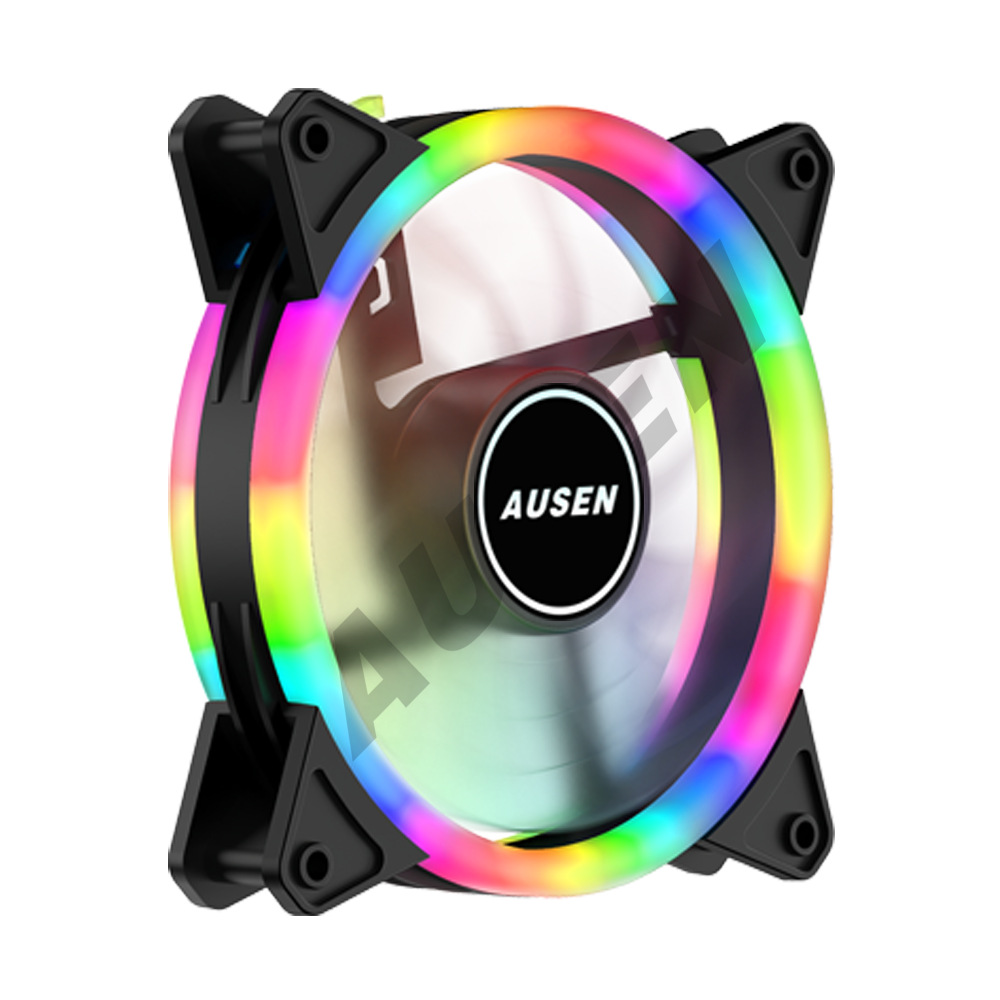
In the world of automotive performance, maintaining optimal temperatures is crucial for the longevity and efficiency of your vehicle’s transmission system. One effective solution to combat overheating is the installation of a transmission cooler with an electric fan. This article will explore the benefits, installation process, and maintenance tips for these systems, ensuring your vehicle runs smoothly even under the most demanding conditions.
Table of Contents
Understanding Transmission Coolers
What is a Transmission Cooler?
A transmission cooler is a device designed to reduce the temperature of the transmission fluid. By dissipating heat generated during operation, it helps maintain the fluid at an optimal temperature, which is essential for the proper functioning of the transmission.
Why Use an Electric Fan?
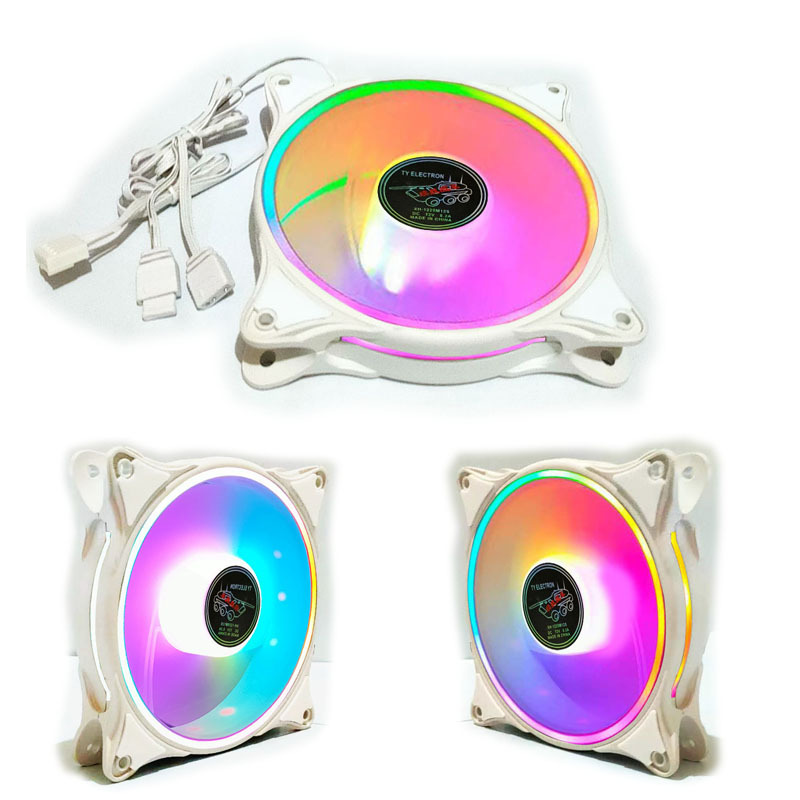
An electric fan enhances the cooling efficiency of the transmission cooler by increasing airflow over the cooler’s surface. This is particularly beneficial in situations where the vehicle is stationary or moving at low speeds, where natural airflow may be insufficient to cool the transmission fluid effectively.

Benefits of Using a Transmission Cooler with Electric Fan
Improved Transmission Longevity
Excessive heat is one of the leading causes of transmission failure. By keeping the transmission fluid cool, a transmission cooler with an electric fan can significantly extend the life of your transmission. This is especially important for vehicles that tow heavy loads or are frequently driven in stop-and-go traffic.
Enhanced Performance
Maintaining optimal transmission fluid temperatures ensures smoother shifting and better overall performance. When the transmission operates within its ideal temperature range, it can respond more quickly and efficiently, providing a better driving experience.
Increased Towing Capacity
For those who frequently tow trailers or heavy loads, a transmission cooler with an electric fan is essential. It helps manage the additional heat generated during towing, allowing for safer and more efficient towing capabilities.
Fuel Efficiency
A cooler transmission can also contribute to improved fuel efficiency. When the transmission operates at the right temperature, it can shift more smoothly, reducing the strain on the engine and improving overall fuel economy.
Choosing the Right Transmission Cooler
Types of Transmission Coolers
There are several types of transmission coolers available, including:
- Plate and Fin Coolers: These are compact and efficient, making them suitable for most vehicles.
- Tube and Fin Coolers: These are typically larger and provide greater cooling capacity, ideal for high-performance applications.
- Stacked Plate Coolers: Known for their durability and efficiency, these coolers are often used in heavy-duty applications.
Size and Capacity
When selecting a transmission cooler, consider the size and capacity that best fits your vehicle’s needs. A larger cooler may be necessary for vehicles that tow heavy loads or operate in extreme conditions.
Electric Fan Specifications
When choosing an electric fan, look for one with sufficient airflow (measured in CFM – cubic feet per minute) to effectively cool the transmission fluid. Fans with adjustable speed settings can provide additional flexibility in managing temperatures.
Installation Process
Tools and Materials Needed
Before starting the installation, gather the following tools and materials:
- Transmission cooler kit
- Electric fan
- Mounting brackets and hardware
- Transmission fluid
- Hose clamps
- Basic hand tools (wrenches, screwdrivers, etc.)
Step-by-Step Installation Guide
- Locate the Installation Area: Choose a suitable location for the transmission cooler, typically in front of the radiator or in an area with good airflow.
- Mount the Cooler: Use the provided brackets and hardware to securely mount the cooler in the chosen location.
- Connect the Lines: Attach the transmission cooler lines to the cooler. Ensure that the connections are tight to prevent leaks.
- Install the Electric Fan: Mount the electric fan to the cooler, ensuring it is positioned to pull air through the cooler.
- Wiring the Fan: Connect the fan to a power source. You can wire it to a switch for manual control or connect it to the ignition for automatic operation.
- Fill with Transmission Fluid: After installation, check the transmission fluid level and add fluid as necessary.
- Test the System: Start the vehicle and monitor the operation of the cooler and fan. Check for leaks and ensure the fan is functioning correctly.
Maintenance Tips
Regular Inspections
Periodically check the transmission cooler and electric fan for any signs of wear or damage. Look for leaks in the lines and ensure that the fan is operating smoothly.
Fluid Changes
Regularly changing the transmission fluid is essential for maintaining optimal performance. Follow the manufacturer’s recommendations for fluid change intervals.
Clean the Cooler
Keep the cooler free from debris and dirt to ensure maximum airflow. A clean cooler will operate more efficiently and provide better cooling performance.
Common Issues and Troubleshooting
Overheating
If you notice that your transmission is still overheating despite having a cooler installed, there may be several reasons for this:
- Insufficient Airflow: Ensure that the electric fan is functioning properly and that there are no obstructions blocking airflow to the cooler.
- Cooler Size: If the cooler is too small for your application, it may not be able to dissipate enough heat. Consider upgrading to a larger cooler.
- Fluid Quality: Old or contaminated transmission fluid can lead to overheating. Regularly check and change the fluid as needed.
Leaks
Transmission fluid leaks can occur at the connections or from the cooler itself. If you notice fluid pooling under your vehicle, inspect the cooler and lines for any signs of damage or loose connections.
Fan Failure
If the electric fan is not operating, check the wiring and connections. A blown fuse or faulty relay can also prevent the fan from functioning. Ensure that the fan is receiving power and that the wiring is intact.
Performance Enhancements
Upgrading Your Transmission Cooler
For those looking to maximize performance, consider upgrading to a high-performance transmission cooler. These coolers are designed to handle higher fluid volumes and provide superior cooling efficiency.
Adding a Thermostat
Installing a thermostat can help regulate the temperature of the transmission fluid. This ensures that the fluid reaches its optimal operating temperature quickly and maintains it during operation.
Using Synthetic Transmission Fluid
Switching to synthetic transmission fluid can improve performance and reduce heat generation. Synthetic fluids are designed to withstand higher temperatures and provide better lubrication, which can enhance the overall efficiency of the transmission.
Conclusion
Installing a transmission cooler with an electric fan is a smart investment for any vehicle owner looking to enhance performance and extend the life of their transmission. By understanding the benefits, choosing the right components, and following proper installation and maintenance procedures, you can ensure your vehicle operates at its best, even under the most demanding conditions.
How to purchase:Online B2B sourcing platform, China purchase, Chinese suppliers – LooperBuy
Frequently Asked Questions
1. What are the signs that my transmission is overheating?
Overheating can manifest as slipping gears, delayed shifting, or a burning smell. If you notice any of these symptoms, it may be time to check your transmission cooler.
2. Can I install a transmission cooler myself?
Yes, with basic mechanical skills and tools, you can install a transmission cooler. However, if you’re unsure, it’s best to consult a professional.
3. How do I know what size cooler I need?
The size of the cooler depends on your vehicle’s specifications and how you use it. For heavy towing or racing, a larger cooler is recommended.
4. How often should I check my transmission fluid?
It’s advisable to check your transmission fluid every 30,000 miles or as recommended by your vehicle’s manufacturer.
5. Can a transmission cooler improve fuel efficiency?
Yes, by keeping the transmission fluid at optimal temperatures, a cooler can improve shifting performance, which may lead to better fuel efficiency.
HOT TAG: transmission cooler installation, electric fan benefits, vehicle performance enhancement, transmission fluid maintenance, overheating solutions, towing efficiency, automotive cooling systems, DIY transmission upgrades, synthetic transmission fluid, high-performance coolers