As a B2B sourcing and logistics strategist with over 15 years of experience helping global brand owners, wholesalers, and manufacturers navigate cross-border trade, I’ve learned that two of the most critical—and frequently misunderstood—terms in international shipping are ETD and ETA. If you’re sourcing products from China or any global manufacturing hub, understanding the difference between ETD and ETA isn’t just logistics jargon; it’s the foundation of inventory planning, customer satisfaction, and supply chain resilience.
In this guide, I’ll break down exactly what ETD and ETA mean in shipping, why accuracy matters more than ever in 2026, the hidden costs of delays, and actionable strategies to improve reliability. Plus, I’ll show how LooperBuy’s one-stop B2B sourcing platform gives you real-time visibility into both ETD and ETA—so you can source from China with confidence.
Table of Contents
What Do ETD and ETA Mean in Shipping? Clear Definitions for B2B Buyers
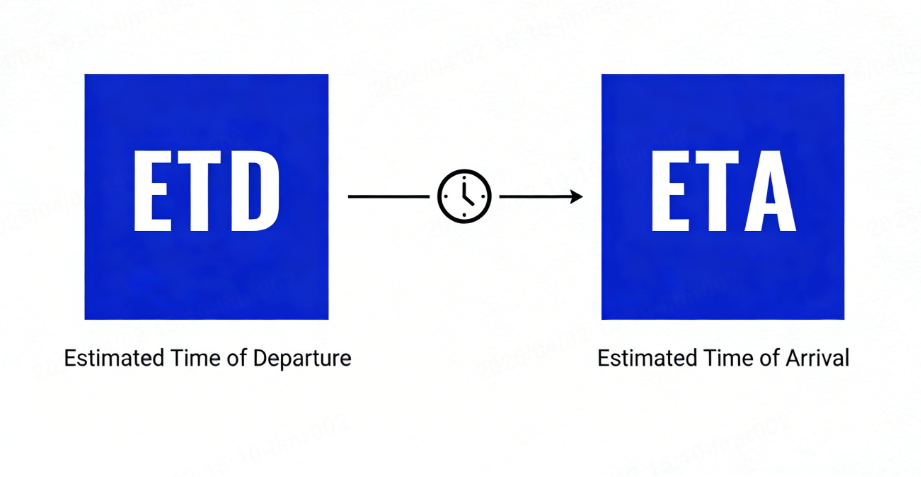
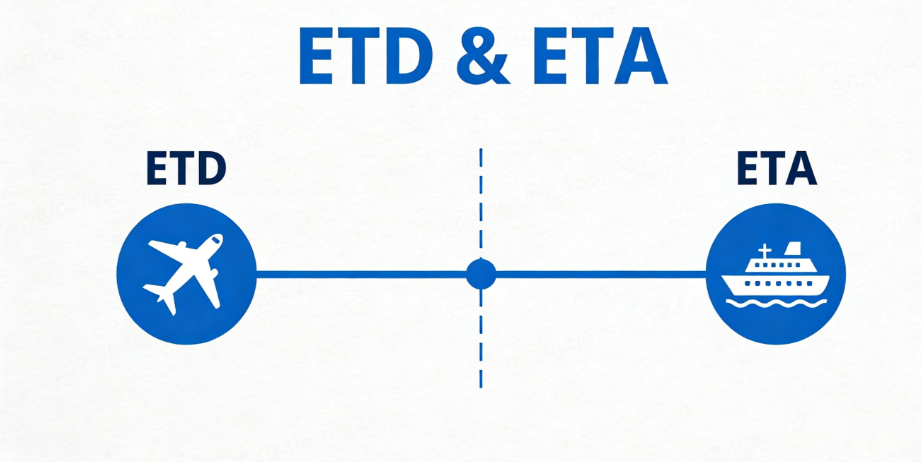
Let’s start with the basics. ETD stands for Estimated Time of Departure. It’s the date and time a vessel, aircraft, or truck is scheduled to leave its origin point—for example, when a container ship departs from the Port of Shanghai.
ETA stands for Estimated Time of Arrival. It’s the date and time the shipment is expected to reach its final destination, such as the Port of Los Angeles or your warehouse door.
In simple terms:
ETD = when your goods leave China
ETA = when your goods arrive at your door
Pro tip: Many B2B buyers mistakenly use ETD and ETA interchangeably. But confusing them can lead to missed customer deadlines, excess inventory costs, or production line stoppages.
Here’s a quick reference table:
Term
Full Form
What It Tells You
Example
ETD
Estimated Time of Departure
When the shipment leaves the origin port/facility
“Container departs Ningbo on March 15, 2026, at 14:00 LT”
ETA
Estimated Time of Arrival
When the shipment reaches the destination port/facility
“Container arrives Hamburg on April 10, 2026, at 08:00 LT”
Suggested image: A simple infographic showing a ship moving from China to the US, with ETD labeled at the departure port and ETA labeled at the arrival port.
Why ETD and ETA Accuracy Matters More Than Ever in 2026
In the post-pandemic supply chain era, ETD and ETA reliability has become a competitive weapon. According to a 2026 industry report by Sea-Intelligence, global schedule reliability for ocean carriers averaged only 52% in 2025—meaning nearly half of all container shipments arrived later than their original ETA.
For B2B buyers sourcing from China, this volatility creates three major risks:
Stock-outs and lost sales – If your ETA slips by two weeks, your retail customers may cancel orders.
Demurrage and detention fees – Late arrivals at congested ports trigger daily penalties that can erase profit margins.
Production line stoppages – Manufacturers relying on just-in-time deliveries face costly downtime when ETD/ETA accuracy fails.
A 2025 study by the World Trade Organization (WTO) found that a one-week delay in ETA reduces a company’s operating profit by an average of 3-5% for time-sensitive goods.
The Hidden Costs of ETD/ETA Delays: A Real-World Breakdown
Let me share a concrete example from a LooperBuy client—a European electronics wholesaler. They sourced 10 containers of smart home devices from Shenzhen to Rotterdam.
Delay Scenario
Additional Cost per Container
Total Impact (10 Containers)
ETD pushed back 5 days (supplier late)
$0 (but lost sales of $15,000)
$150,000 lost revenue
ETA delayed 7 days (port congestion)
$1,200 demurrage + $800 storage
$20,000
Missed retail season cutoff (14+ days)
30% of order cancelled
$450,000 write-off
The lesson: Managing ETD and ETA isn’t an operational detail—it’s a financial imperative.
5 Expert Strategies to Improve ETD and ETA Reliability
Based on my experience working with over 200 B2B importers, here are five proven strategies to get more accurate ETD and ETA from your supply chain:
1. Work Only with Vetted Suppliers Who Meet Production ETDs
Why: Most ETD delays start at the factory, not the port. If your supplier misses its production completion date, the vessel will sail without your cargo.
Action: Use a platform like LooperBuy that pre-vets suppliers for on-time delivery history (we require >95% OTD for our approved vendors).
2. Build Buffer Days into Your ETA Calculations
Why: Even the best carriers face weather, congestion, or customs holds.
Action: Add 5–7 buffer days to the carrier’s quoted ETA for ocean freight, and 2–3 days for air freight.
3. Demand Real-Time Tracking, Not Just Static ETD/ETA
Why: A static ETA provided at booking is often obsolete within 48 hours.
Action: Require carriers or platforms to provide live AIS (for vessels) or GPS (for trucks) tracking with automated ETD/ETA updates.
4. Use Consolidated Shipping for Small Batches
Why: LCL (less than container load) shipments often have less reliable ETD/ETA because they wait for consolidation.
Action: If you ship less than 10 containers per month, consider using a platform like LooperBuy that offers optimized consolidated shipping with fixed weekly departures.
5. Diversify Ports and Carriers
Why: Relying on a single port (e.g., Shanghai) or carrier creates a single point of failure.
Action: Route some volume via Ningbo or Shenzhen, and contract with two carriers per trade lane.
How LooperBuy Delivers Transparent ETD and ETA Visibility
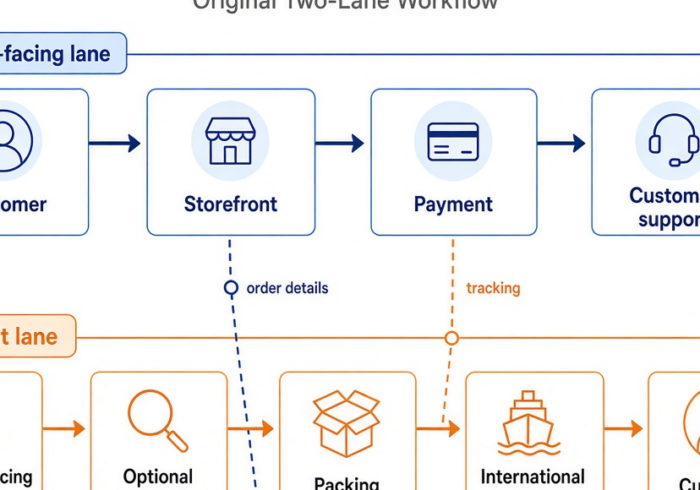
At LooperBuy, we’ve built our one-stop B2B sourcing platform to eliminate the guesswork from ETD and ETA management. When you source from China through LooperBuy, you get:
Factory production ETD: Real-time updates when your order enters production, quality inspection, and packaging.
Carrier ETD confirmation: Automated alerts when your container is loaded and the vessel departs.
Live vessel tracking: AIS-based map showing your ship’s position, speed, and estimated port arrival.
ETA adjusted for congestion: Our algorithm factors in real-time port waiting times (e.g., 3-day queue at Long Beach) and updates your ETA automatically.
Door delivery ETA: Final-mile tracking from warehouse to your receiving dock.
Real client result: A US-based sporting goods brand reduced their ETA variance from ±12 days to ±3 days after switching to LooperBuy’s integrated logistics. They saved $87,000 in demurrage fees in 2025 alone.
The Future: Predictive ETD/ETA Using AI and Historical Data
The next frontier in shipping visibility is predictive ETD/ETA—using machine learning to forecast delays before they happen. Platforms like LooperBuy are already testing models that analyze:
Historical carrier performance on specific trade lanes
Weather patterns along the route
Port congestion trends by day of week and season
Equipment availability (chassis, containers) at origin
By 2027, predictive ETD/ETA will be the standard for B2B sourcing platforms. Early adopters will gain a significant advantage in inventory optimization and customer service.
Call to Action: Take Control of Your ETD and ETA Today
You don’t have to accept unreliable shipping dates as “just the way it is.” By partnering with a one-stop B2B sourcing platform like LooperBuy, you gain end-to-end visibility from factory ETD to final delivery ETA—all in one dashboard.
Ready to source from China with confidence? [Sign up for LooperBuy] to access 10,000+ vetted suppliers, integrated logistics with real-time tracking, and transparent ETD/ETA updates. Your supply chain will never be the same.
Frequently Asked Questions (FAQ)
1. What is the difference between ETD and ETA in shipping?
ETD (Estimated Time of Departure) is when the shipment leaves the origin point. ETA (Estimated Time of Arrival) is when it reaches the destination. ETD is about departure; ETA is about arrival.
2. Why do ETD and ETA often change after booking?
Port congestion, weather delays, equipment shortages, customs holds, and carrier schedule adjustments are the most common causes. Real-time tracking helps you stay updated.
3. How can I get more accurate ETD and ETA from my Chinese suppliers?
Work only with vetted suppliers who have a proven on-time delivery record (LooperBuy requires >95% OTD). Also, demand production milestone updates—not just a final ETD.
4. What’s a typical ETD to ETA transit time from China to the US West Coast?
For ocean freight, average transit time from Shanghai to Los Angeles is 15–20 days, plus 3–7 days for port congestion and customs clearance. Air freight is 3–5 days total.
5. Does LooperBuy provide real-time ETD and ETA tracking?
Yes. LooperBuy’s platform offers live AIS vessel tracking, automated ETD/ETA updates based on real-time conditions, and final-mile delivery tracking—all in one dashboard.
6. What should I do if my shipment’s ETA is delayed significantly?
First, contact your logistics provider for a revised ETA and root cause. Then, communicate the new date to your customers or production team. Finally, file any insurance claims if applicable. LooperBuy clients get 24/7 support to resolve delays quickly.
Article Summary
ETD vs ETA in shipping explained by a 15-year B2B expert. Learn definitions, why accuracy matters, hidden costs of delays, 5 strategies to improve reliability, and how LooperBuy delivers real-time tracking for sourcing from China.
References
Sea-Intelligence. (2026). Global Liner Performance Report – 2025 Annual Summary. Retrieved from https://www.sea-intelligence.com
World Trade Organization (WTO). (2025). Trade Costs and Supply Chain Reliability. Retrieved from https://www.wto.org
MarineTraffic. (2026). Understanding ETD and ETA in Maritime Shipping. Retrieved from https://www.marinetraffic.com/blog/etd-eta-shipping
DHL. (2025). Logistics Terms Explained: ETD vs ETA. Retrieved from https://www.dhl.com/discover/en-global/logistics-advice
LooperBuy. (2026). Supplies Business: A B2B Expert’s Guide to Sourcing Chinese Goods Globally with LooperBuy. Retrieved from https://blog.looperbuy.com/supplies-business-a-b2b-experts-guide-to-sourcing-chinese-goods-globally-with-looperbuy.html
Flexport. (2026). State of Trade 2026: Ocean Freight Reliability. Retrieved from https://www.flexport.com/research/state-of-trade
Project44. (2025). Visibility Report: ETD/ETA Accuracy Across Major Carriers. Retrieved from https://www.project44.com/resources
International Chamber of Shipping (ICS). (2026). Schedule Reliability Benchmarks. Retrieved from https://www.ics-shipping.org
Hot Tags
ETD meaning shipping, ETA meaning shipping, ETD vs ETA, estimated time of departure, estimated time of arrival, shipping lead time management, real time shipment tracking, China sourcing logistics, LooperBuy ETD ETA, B2B supply chain visibility, on time delivery B2B, ocean freight reliability, port congestion 2026, demurrage fees prevention, predictive ETD AI