In the ever-evolving landscape of e-commerce, dropshipping has emerged as a popular business model for entrepreneurs looking to start their online stores with minimal upfront investment. This article delves into the various aspects of dropshipping, focusing on the best solutions available for Shopify users. We will explore the benefits of dropshipping, how to choose the right suppliers, and the essential tools that can streamline your operations.
Table of Contents
Understanding Dropshipping
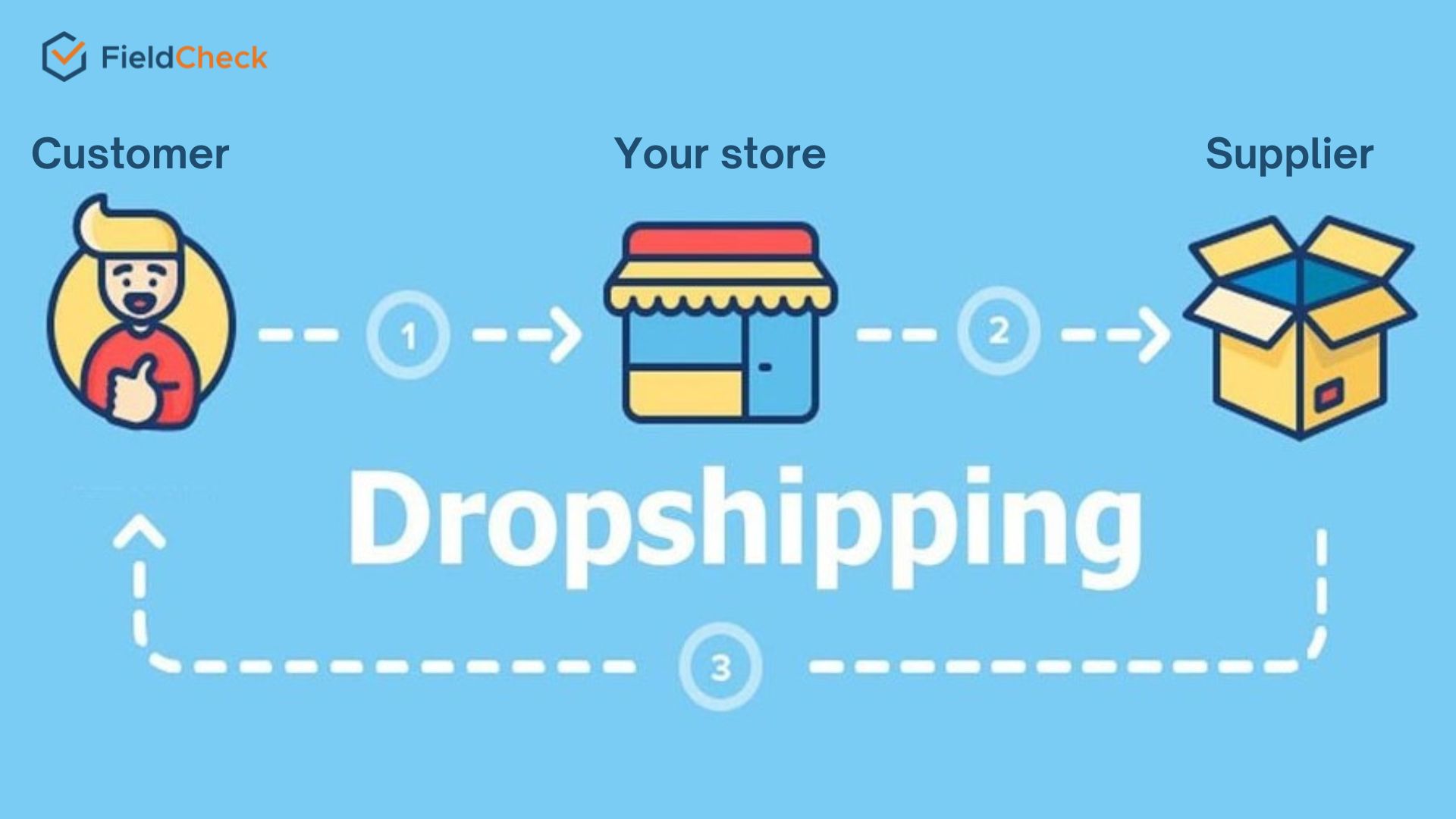
Dropshipping is a retail fulfillment method where a store does not keep the products it sells in stock. Instead, when a store sells a product, it purchases the item from a third party and has it shipped directly to the customer. This model allows entrepreneurs to run their businesses without the need for inventory management or warehousing.
The Advantages of Dropshipping
- Low Startup Costs: One of the most significant advantages of dropshipping is the low barrier to entry. Entrepreneurs can start their online stores without investing heavily in inventory. This means you can allocate your budget to marketing and customer acquisition instead.
- Wide Product Selection: With dropshipping, you can offer a vast array of products without the need to purchase them upfront. This flexibility allows you to test different niches and find what resonates with your audience. You can easily pivot your product offerings based on market trends and customer preferences.
- Location Independence: As a dropshipper, you can run your business from anywhere with an internet connection. This flexibility is ideal for those looking to travel or work remotely. You can manage your store from a coffee shop, co-working space, or even while on vacation.
- Scalability: Dropshipping businesses can scale quickly. As your sales increase, you can easily add new products and suppliers without the logistical challenges of traditional retail. This scalability allows you to grow your business at your own pace.
- Reduced Risk: Since you don’t hold inventory, the financial risk associated with unsold products is significantly lower. You only pay for products after you’ve made a sale, which minimizes the risk of overstocking.
Choosing the Right Dropshipping Suppliers
Selecting the right suppliers is crucial for the success of your dropshipping business. Here are some factors to consider when evaluating potential suppliers:
Product Quality
Ensure that the products offered by your suppliers meet quality standards. Poor-quality products can lead to customer dissatisfaction and returns, which can harm your brand’s reputation. Always order samples to assess the quality before listing products in your store.
Shipping Times
Fast shipping is essential for customer satisfaction. Research suppliers’ shipping times and choose those that can deliver products promptly to your target market. Consider suppliers that offer ePacket shipping or other expedited options to enhance customer experience.
Communication
Effective communication with your suppliers is vital. Choose suppliers who are responsive and willing to address your concerns or questions. A reliable supplier will keep you informed about stock levels, shipping delays, and other important updates.
Return Policies
Understand the return policies of your suppliers. A clear and fair return policy can enhance customer trust and satisfaction. Ensure that your suppliers handle returns efficiently to minimize the impact on your business.
Supplier Reputation
Research the reputation of potential suppliers by reading reviews and testimonials from other dropshippers. Platforms like AliExpress, Oberlo, and SaleHoo provide insights into supplier reliability and product quality.
Essential Tools for Dropshipping Success
To streamline your dropshipping operations, consider utilizing various tools that can enhance your efficiency and effectiveness.
E-commerce Platforms
Shopify is one of the most popular e-commerce platforms for dropshipping. Its user-friendly interface and extensive app ecosystem make it an excellent choice for beginners and experienced entrepreneurs alike. Shopify offers various themes and customization options, allowing you to create a unique online store that reflects your brand.
Inventory Management Software
Using inventory management software can help you keep track of stock levels, manage orders, and avoid overselling products. Tools like Oberlo and Spocket integrate seamlessly with Shopify, allowing you to automate many aspects of your dropshipping business. These tools can also help you find trending products and manage supplier relationships.
Marketing Tools
Effective marketing is crucial for driving traffic to your online store. Utilize tools like Google Ads, Facebook Ads, and email marketing platforms to reach your target audience and convert visitors into customers. Social media marketing can also be a powerful tool for building brand awareness and engaging with potential customers.
Analytics Tools
Understanding your store’s performance is essential for making informed decisions. Use analytics tools to track sales, customer behavior, and website traffic. Google Analytics and Shopify’s built-in analytics can provide valuable insights. Regularly reviewing your analytics can help you identify trends, optimize your marketing strategies, and improve your overall business performance.
Customer Relationship Management (CRM) Tools
Implementing a CRM system can help you manage customer interactions and improve relationships. Tools like HubSpot or Zoho CRM can assist in tracking customer inquiries, managing leads, and automating follow-up communications. A strong CRM strategy can enhance customer satisfaction and loyalty.
Building Your Brand
While dropshipping allows you to sell products without holding inventory, building a strong brand is essential for long-term success. Here are some strategies to consider:
Create a Unique Value Proposition
Identify what sets your store apart from competitors. Whether it’s exceptional customer service, unique product offerings, or a compelling brand story, a strong value proposition can attract customers. Clearly communicate your value proposition on your website and marketing materials.
Invest in Quality Branding
Develop a professional logo, website design, and marketing materials that reflect your brand’s identity. Consistent branding helps build trust and recognition among customers. Consider hiring a professional designer to create a cohesive brand image that resonates with your target audience.
Engage with Your Audience
Utilize social media platforms to connect with your audience. Share valuable content, respond to comments, and engage with customers to foster a sense of community around your brand. Hosting giveaways, polls, and interactive content can also boost engagement and attract new followers.
Leverage User-Generated Content
Encourage your customers to share their experiences with your products on social media. User-generated content can serve as powerful social proof and help build trust with potential customers. Consider creating a branded hashtag to make it easy for customers to share their photos and reviews.
Optimize for SEO
Search engine optimization (SEO) is crucial for driving organic traffic to your online store. Conduct keyword research to identify relevant terms and phrases that potential customers are searching for. Optimize your product descriptions, blog posts, and website content to improve your search engine rankings.
Conclusion
Dropshipping offers a viable path for aspiring entrepreneurs to enter the e-commerce space with minimal risk. By choosing the right suppliers, utilizing essential tools, and building a strong brand, you can create a successful dropshipping business on Shopify. As you embark on this journey, remember to stay adaptable and continuously seek ways to improve your operations and customer experience. The dropshipping landscape is dynamic, and staying informed about industry trends and best practices will help you maintain a competitive edge.
Ready to elevate your dropshipping business and discover the best products to captivate your customers? Explore the exciting offerings at https://looperbuy.com/ today!
Related Questions & Answers
· What is dropshipping? Dropshipping is a retail fulfillment method where a store sells products without holding inventory, purchasing items from third parties that ship directly to customers.
· How do I choose a dropshipping supplier? Consider factors such as product quality, shipping times, communication, and return policies when selecting a dropshipping supplier.
· What are the best tools for dropshipping? Essential tools include e-commerce platforms like Shopify, inventory management software, marketing tools, and analytics tools to track performance.
· Can I run a dropshipping business from anywhere? Yes, dropshipping allows for location independence, enabling you to manage your business from anywhere with an internet connection.
· How can I build my brand as a dropshipper? Create a unique value proposition, invest in quality branding, and engage with your audience through social media to build a strong brand presence.
Hot Tags: Dropshipping; Shopify; E-commerce; Online Business; Supplier Selection; Inventory Management; Marketing Tools; Brand Building; Customer Engagement