Table of Contents
Introduction to Drop Shipping
The drop shipping business model has gained significant traction in recent years, especially in India. This model allows entrepreneurs to sell products without holding any inventory, making it an attractive option for those looking to start a business with minimal upfront investment. In this article, we will explore the intricacies of the drop shipping business in India, including its advantages, challenges, and strategies for success.
Understanding Drop Shipping
What is Drop Shipping?
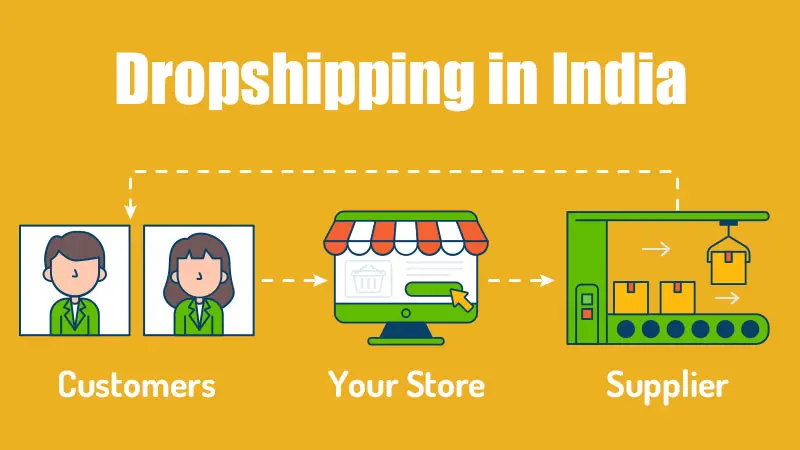
Drop shipping is a retail fulfillment method where a store doesn’t keep the products it sells in stock. Instead, when a store sells a product, it purchases the item from a third party and has it shipped directly to the customer. This means that the seller never sees or handles the product.
How Drop Shipping Works
The drop shipping process involves several key steps:
- Setting Up an Online Store: Entrepreneurs can create an online store using platforms like Shopify, WooCommerce, or Magento.
- Choosing a Niche: Selecting a specific market or product category is crucial for targeting the right audience.
- Finding Suppliers: Entrepreneurs need to partner with reliable suppliers who can fulfill orders promptly.
- Marketing Products: Effective marketing strategies are essential to attract customers to the online store.
- Processing Orders: Once an order is placed, the seller forwards the order details to the supplier, who then ships the product directly to the customer.
Advantages of Drop Shipping in India
Low Startup Costs
One of the most significant advantages of drop shipping is the low startup costs. Entrepreneurs do not need to invest in inventory, which reduces financial risk. This makes it an ideal option for those who are new to e-commerce.
Flexibility and Scalability
Drop shipping offers flexibility in terms of location and working hours. Entrepreneurs can run their businesses from anywhere with an internet connection. Additionally, as the business grows, it can easily scale without the need for significant investments in inventory or warehousing.
Wide Product Range
With drop shipping, entrepreneurs can offer a wide range of products without the need to stock them. This allows for greater variety and the ability to test different products to see what resonates with customers.
Minimal Risk
Since there is no need to purchase inventory upfront, the financial risk is significantly lower compared to traditional retail models. Entrepreneurs can experiment with different products and niches without the fear of being stuck with unsold inventory.
Challenges of Drop Shipping in India
Intense Competition
The drop shipping market in India is becoming increasingly competitive. Many entrepreneurs are entering the space, making it essential to differentiate one’s offerings and provide exceptional customer service.
Supplier Reliability
Finding reliable suppliers is crucial for the success of a drop shipping business. Issues such as delayed shipments, poor product quality, and lack of communication can negatively impact customer satisfaction. Entrepreneurs must conduct thorough research to ensure they partner with trustworthy suppliers.
Profit Margins
While drop shipping has low overhead costs, profit margins can be thin. Entrepreneurs must carefully price their products to ensure profitability while remaining competitive. This often requires a delicate balance between pricing and marketing strategies.
Shipping Times
Long shipping times can be a significant drawback in the drop shipping model, especially if suppliers are located overseas. Customers expect fast delivery, and delays can lead to dissatisfaction and lost sales. Entrepreneurs should communicate shipping times clearly and consider working with local suppliers to mitigate this issue.
Strategies for Success in Drop Shipping
Research and Select the Right Niche
Choosing the right niche is critical for success in drop shipping. Entrepreneurs should conduct thorough market research to identify trending products and target audiences. Tools like Google Trends and social media platforms can provide insights into consumer preferences.
Build Strong Relationships with Suppliers
Establishing strong relationships with suppliers is essential for ensuring product quality and timely delivery. Entrepreneurs should communicate regularly with suppliers and consider ordering samples to assess product quality before listing them in their stores. Building a rapport can also lead to better pricing and terms.
Invest in Marketing
Effective marketing strategies are vital for attracting customers. Entrepreneurs should utilize social media marketing, search engine optimization (SEO), and pay-per-click (PPC) advertising to drive traffic to their online stores. Engaging content and promotions can also help convert visitors into customers.
Focus on Customer Service
Providing excellent customer service can set a drop shipping business apart from competitors. Entrepreneurs should be responsive to customer inquiries, handle returns efficiently, and seek feedback to improve their offerings. A strong customer service strategy can lead to repeat business and positive word-of-mouth referrals.
Monitor and Analyze Performance
Regularly monitoring business performance is crucial for identifying areas for improvement. Entrepreneurs should use analytics tools to track website traffic, conversion rates, and customer behavior. This data can inform marketing strategies and product offerings.
Leverage Social Media
Social media platforms are powerful tools for marketing drop shipping businesses. Entrepreneurs can create engaging content, run targeted ads, and interact with customers directly. Platforms like Instagram and Facebook are particularly effective for visual products, allowing businesses to showcase their offerings creatively.
Utilize Email Marketing
Email marketing remains one of the most effective ways to reach customers. Entrepreneurs can build an email list and send newsletters, promotions, and product updates. Personalized emails can enhance customer engagement and drive sales.
Optimize for Mobile
With the increasing use of smartphones for online shopping, optimizing the online store for mobile devices is essential. A mobile-friendly website can improve user experience and increase conversion rates.
Test and Iterate
The drop shipping landscape is constantly evolving, and entrepreneurs should be willing to test new products, marketing strategies, and sales channels. Regularly analyzing what works and what doesn’t can help businesses stay ahead of the competition.
Conclusion
The drop shipping business in India presents a unique opportunity for aspiring entrepreneurs. With its low startup costs and flexibility, it is an appealing option for those looking to enter the e-commerce space. However, success in this competitive market requires careful planning, strong supplier relationships, and effective marketing strategies. By understanding the advantages and challenges of drop shipping, entrepreneurs can position themselves for success in this growing industry.
As you embark on your drop shipping journey in India, remember that the right products can make all the difference in capturing your customers’ attention and driving sales. Explore a wide range of trending products that can elevate your online store at https://looperbuy.com/.
Related Questions & Answers
· What are the best product niches for drop shipping in India? Some of the best product niches for drop shipping in India include fashion accessories, health and wellness products, home decor, electronics, and beauty products. Researching trends and consumer preferences can help identify profitable niches.
· How can I effectively market my drop shipping business in India? To effectively market a drop shipping business in India, entrepreneurs should utilize social media marketing, search engine optimization (SEO), and pay-per-click (PPC) advertising. Engaging content, influencer partnerships, and email marketing can also drive traffic and sales.
· What are the key legal and tax considerations for drop shipping in India? Entrepreneurs should register their business, obtain necessary licenses, and comply with tax regulations, including Goods and Services Tax (GST). Consulting with a legal expert can help ensure compliance with local laws and regulations.
· How do I handle returns and refunds in a drop shipping business? Handling returns and refunds in a drop shipping business involves establishing a clear return policy, communicating it to customers, and coordinating with suppliers to process returns efficiently. Good customer service is essential in managing these situations.
· What tools can help me manage my drop shipping business? Several tools can help manage a drop shipping business, including inventory management software, order processing systems, and analytics tools. Platforms like Oberlo and Spocket can also streamline the process of finding and managing suppliers.
Hot Tags: Drop Shipping; E-commerce in India; Online Business; Supplier Management; Marketing Strategies; Customer Service; Niche Selection; Business Scalability; Startup Costs