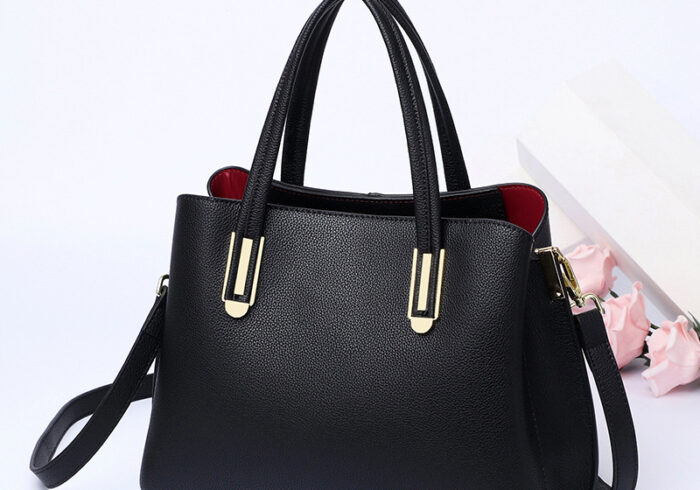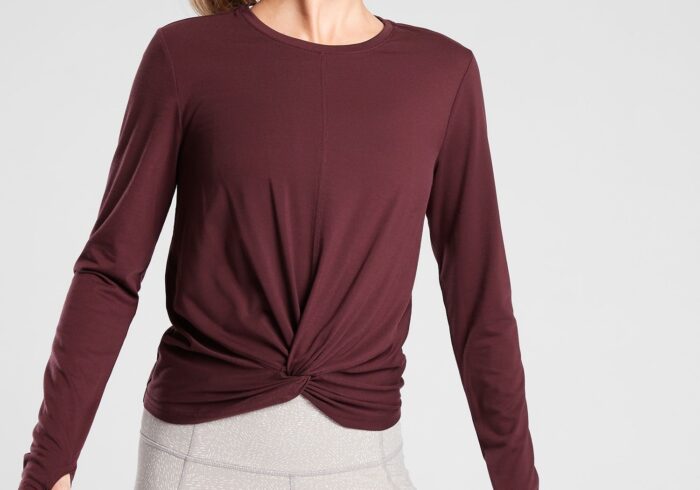
In the vast tapestry of Islamic culture, Muslim clothing stands as a vivid and meaningful thread. The names and styles of these garments not only reflect deep religious principles but also mirror the rich diversity of the many cultures that embrace Islam. From the flowing hijabs of the Gulf region to the tailored shalwar kameez of South Asia, each piece of clothing tells a story of tradition, modesty, and identity.
Table of Contents
The Significance of Muslim Clothing
A Symbol of Faith and Modesty
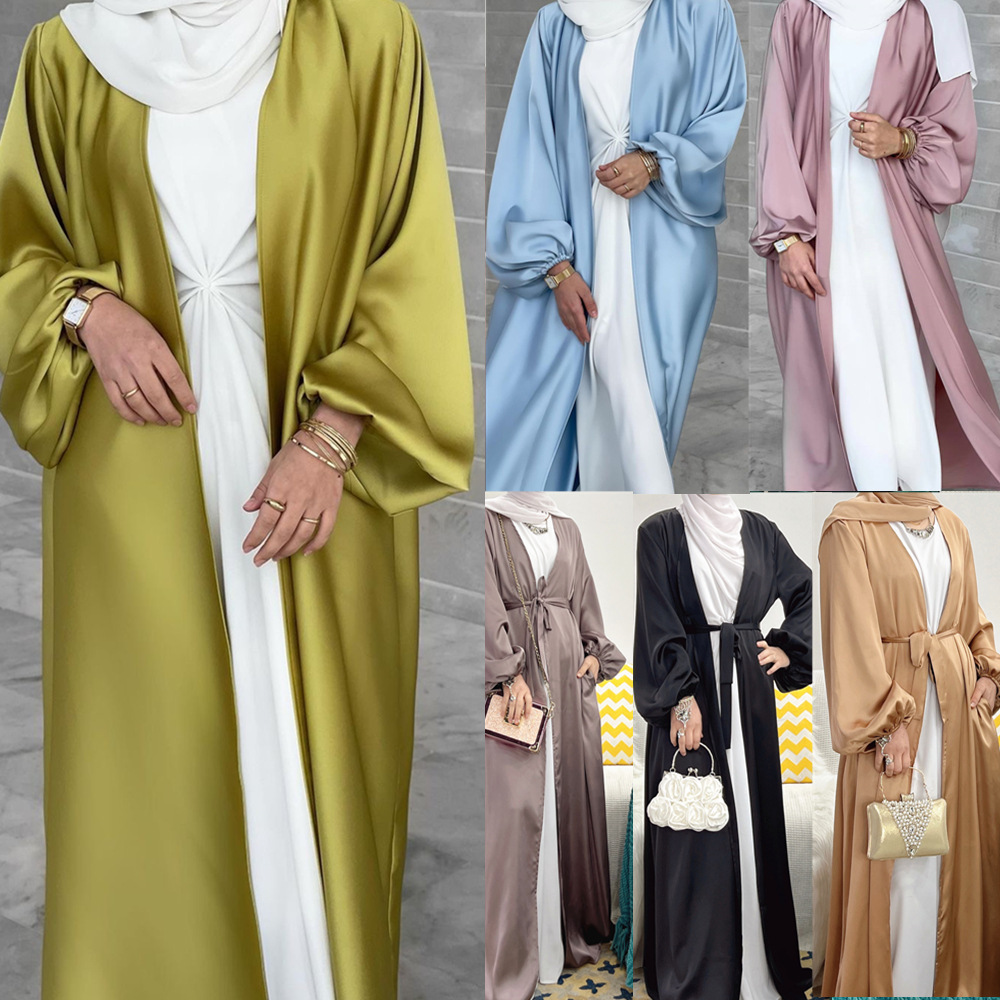
Muslim clothing is more than just fabric; it’s a profound expression of faith and a commitment to modesty. The Quran and Hadith provide guidance on dressing modestly, and these teachings have shaped the various styles of Muslim clothing. For many Muslims, wearing traditional garments is a way to honor their religious beliefs and maintain a connection to their cultural heritage.
Cultural Diversity in Muslim Attire
The Islamic world spans across numerous countries and regions, each with its own unique cultural nuances. This diversity is beautifully reflected in the different names and styles of Muslim clothing. What might be called a hijab in one region could have a different name and style in another, yet it serves the same purpose of modesty and devotion.
Muslim Clothing for Women
Classic and Timeless Styles
- Hijab: Perhaps the most recognized symbol of Muslim women’s clothing, the hijab is a headscarf that covers the hair and neck while leaving the face clear. It comes in various materials, styles, and colors, allowing women to express their individuality while adhering to modesty standards. The hijab can be worn in numerous ways, such as the simple tied style or the more elaborate draped and pinned methods.
- Khimar: This is a cape-like veil that covers the hair, neck, and shoulders, reaching just above the waist. It provides ample coverage and is often favored for praying. The khimar is similar to the hijab but typically refers to a specific Arabian style of veil.
- Shayla: Common in the Gulf region, the shayla is a long, rectangular scarf wrapped around the head and thrown or tucked over the shoulder. It’s light, airy, and versatile, offering numerous possibilities for elegant draping techniques.
Full-Length Coverings
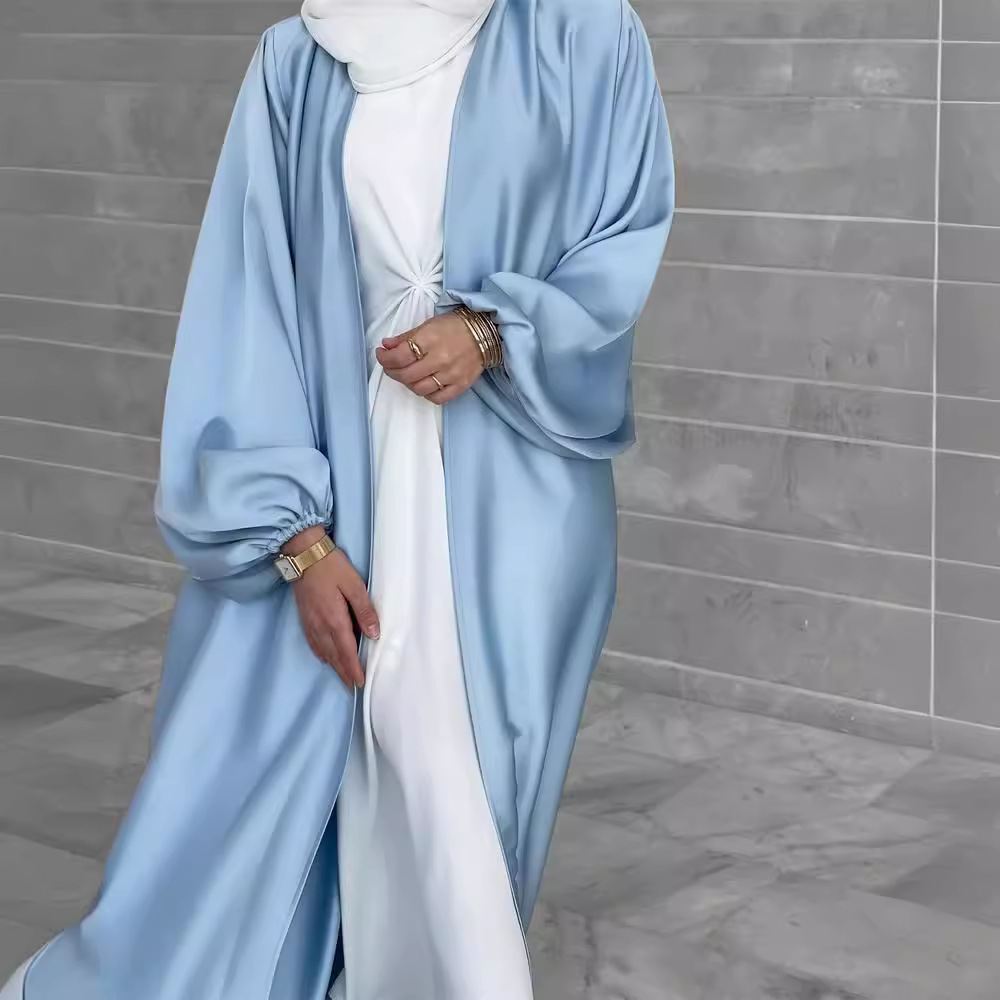
- Abaya: Popular in Arab Gulf countries, the abaya is a cloak worn by women over other clothing when in public. It’s usually made of black synthetic fiber and may be decorated with colored embroidery or sequins. The abaya can be worn from the top of the head to the ground or over the shoulders and is often combined with a headscarf or face veil.
- Chador: Worn primarily in Iran, the chador is an enveloping cloak that covers the entire body from the top of the head to the ground. Unlike the abaya, it’s sometimes not fastened in the front. It provides full coverage while allowing women to move comfortably.
- Jilbab: As a general term, jilbab refers to an over-garment or cloak worn by Muslim women when in public. It can also refer to a specific style of cloak similar to the abaya but more fitted and available in a wider variety of fabrics and colors. It resembles a long, tailored coat.
Face Veils
- Niqab: The niqab is a face veil that covers the lower half of the face, leaving only the eyes visible. It represents a high level of modesty and is more prevalent in countries like Saudi Arabia and Yemen. However, it’s also adopted by some women in other parts of the world as a profound expression of their faith.
- Burqa: This type of veil and body covering conceals all of a woman’s body, including the eyes, which are covered with a mesh screen. It’s commonly seen in Afghanistan and is sometimes confused with the niqab.
Muslim Clothing for Men
Traditional and Versatile Garments
- Thobe: A long robe worn by Muslim men, the thobe is a staple in the wardrobes of men in the Arab world. The top is usually tailored like a shirt, but it’s ankle-length and loose. It can be white or found in other colors, especially in winter. The term may also describe any type of loose dress worn by men or women.
- Ghutra and Egal: A square or rectangular headscarf worn by men along with a rope band, usually black, to fasten it in place. The ghutra is typically white or checkered red and white or black and white. In some countries, it’s called a shemagh or kuffiyeh.
- Bisht: A dressier men’s cloak sometimes worn over the thobe, often by high-level government or religious leaders on special occasions.
Head Coverings
- Taqiyah: A rounded cap worn by Muslim men, the taqiyah is often worn during prayer or on special occasions. It comes in different styles and colors and can be made from various materials.
- Turban: Known by different names around the world, the turban is a long rectangular piece of cloth wrapped around the head or over a skullcap. The arrangement of the folds in the cloth is particular to each region and culture. It’s traditional among men in North Africa, Iran, Afghanistan, and other countries in the region.
Regional Variations in Muslim Clothing
Middle Eastern Styles
In the Middle East, particularly in the Gulf countries, women often wear the abaya paired with a hijab or niqab. Men typically wear the thobe with a ghutra and egal. The designs and fabrics used in these garments are well-suited to the hot climate of the region.
South Asian Traditions
In South Asia, the shalwar kameez is a popular choice for both men and women. This outfit consists of loose trousers and a long tunic. Women may also wear the dupatta, a large scarf, as a head covering or to add elegance to their outfit. The clothing styles in this region are influenced by the local climate and cultural traditions.
North African and Mediterranean Influences
In North Africa and the Mediterranean, Muslim clothing incorporates elements from the local culture and climate. Women might wear colorful, embroidered dresses with a hijab, while men could don lightweight tunics and trousers. The use of vibrant colors and patterns reflects the artistic heritage of these regions.
Modern Trends in Muslim Fashion
Fusion of Tradition and Contemporary Style
Today, Muslim fashion is evolving with the times while still respecting traditional values. Designers are creating innovative fusion garments that combine classic Muslim clothing styles with modern cuts and materials. For instance, hijabs are now available in a wide range of trendy fabrics and designs, and abayas can be found in various stylish cuts and embellishments.
Modesty Fashion for All Occasions
Modern Muslim clothing caters to different occasions, from casual everyday wear to formal events. Brands are focusing on producing modest yet fashionable clothing that allows Muslims to express their personal style while adhering to religious guidelines. This includes everything from sportswear and activewear to evening gowns and wedding dresses.
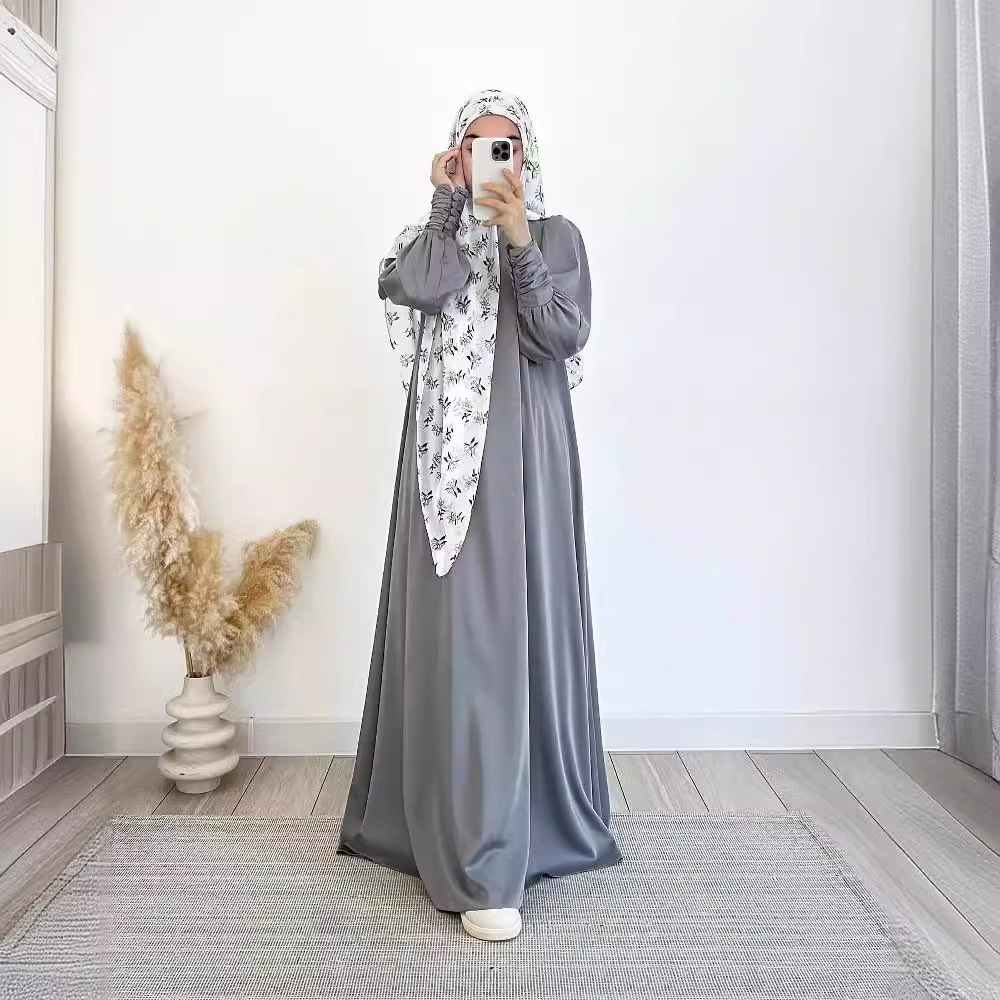
The Rise of Muslim Fashion Bloggers and Influencers
The growth of social media has given rise to a community of Muslim fashion bloggers and influencers who showcase their unique styles and provide inspiration to others. These individuals play a crucial role in shaping modern Muslim fashion trends and promoting modesty in the fashion industry.
Conclusion
Muslim clothing names and styles are a testament to the rich cultural and religious heritage of the Islamic world. From the modest hijab and abaya to the elegant thobe and shalwar kameez, these garments serve as powerful symbols of faith, identity, and tradition. As Muslim communities continue to grow and evolve, so too does the fashion landscape, with new designs and trends emerging that honor the past while embracing the future.
How to Purchase:https://looperbuy.com/search?keywords=muslim
Frequently Asked Questions
What is the purpose of wearing a hijab?
The hijab serves as a symbol of modesty and faith for many Muslim women. It represents their commitment to Islamic principles while allowing them to express their individuality through different styles.
Can non-Muslims wear hijabs?
Yes! Many non-Muslims wear hijabs as a fashion statement or out of respect when visiting places where covering one’s head is customary.
Is it compulsory for all Muslim women to wear an abaya?
No, wearing an abaya is not compulsory for all Muslim women; it varies based on individual beliefs and cultural practices within different communities.
Are there specific Muslim clothing styles for different age groups?
Yes, there are Muslim clothing styles designed for various age groups. For example, girls might wear smaller, more colorful versions of women’s hijabs and abayas, while boys could don shorter thobes and kufis. Children’s clothing often features playful designs while still maintaining modesty.
How can I find stylish yet modest clothing?
Many brands specialize in halal modest fashion that combines modern trends with traditional styles. Online platforms offer a wide range of options catering to various tastes while adhering to modesty standards.
Hot Tags: Muslim Clothing Names;Types of Muslim Clothing;Islamic Dress Code;Traditional Muslim Garments;Modest Fashion;Hijab Styles;Abaya Designs;Jilbab;Niqab;Thobe