Colour pen art has emerged as a popular and accessible form of artistic expression, allowing artists of all skill levels to create vibrant and intricate designs. Whether you are a seasoned artist or a beginner looking to explore your creative side, colour pen art offers endless possibilities. In this comprehensive guide, we will delve into the various techniques, tools, and tips for creating stunning colour pen artwork, as well as the benefits of this medium.
Table of Contents
Understanding Colour Pen Art
What is Colour Pen Art?
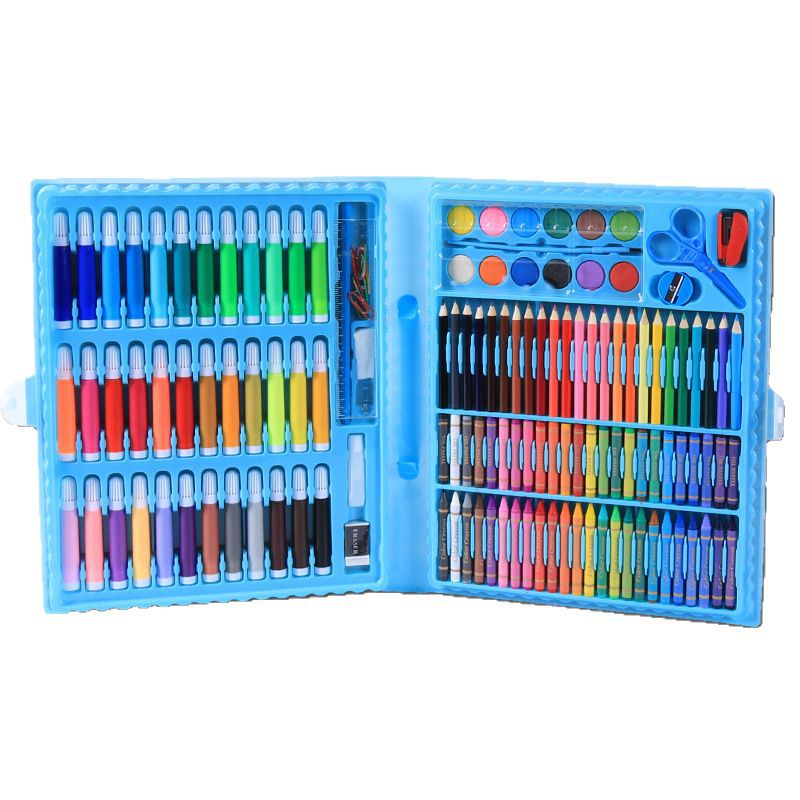
Colour pen art refers to the use of colored pens, markers, or gel pens to create illustrations, drawings, and designs. This medium is versatile and can be used on various surfaces, including paper, canvas, and even fabric. Colour pen art encompasses a wide range of styles, from detailed illustrations to abstract designs, making it a popular choice for artists and hobbyists alike.
The Appeal of Colour Pen Art
The appeal of colour pen art lies in its accessibility and ease of use. Unlike traditional painting or drawing mediums, colour pens require minimal setup and cleanup, making them ideal for artists who want to create on the go. Additionally, the vibrant colors and fine tips of many pens allow for precise detailing and bold expressions, enabling artists to bring their visions to life.
Tools and Materials for Colour Pen Art
1. Types of Colour Pens
When it comes to colour pen art, there are several types of pens to choose from, each offering unique characteristics:
- Gel Pens: Gel pens are known for their smooth application and vibrant colors. They are ideal for adding fine details and highlights to your artwork.
- Marker Pens: Marker pens come in various tip sizes and are perfect for bold lines and filling in larger areas. They are available in both permanent and water-based options.
- Fineliner Pens: Fineliner pens have a fine tip that allows for precise line work and intricate details. They are great for creating detailed illustrations and patterns.
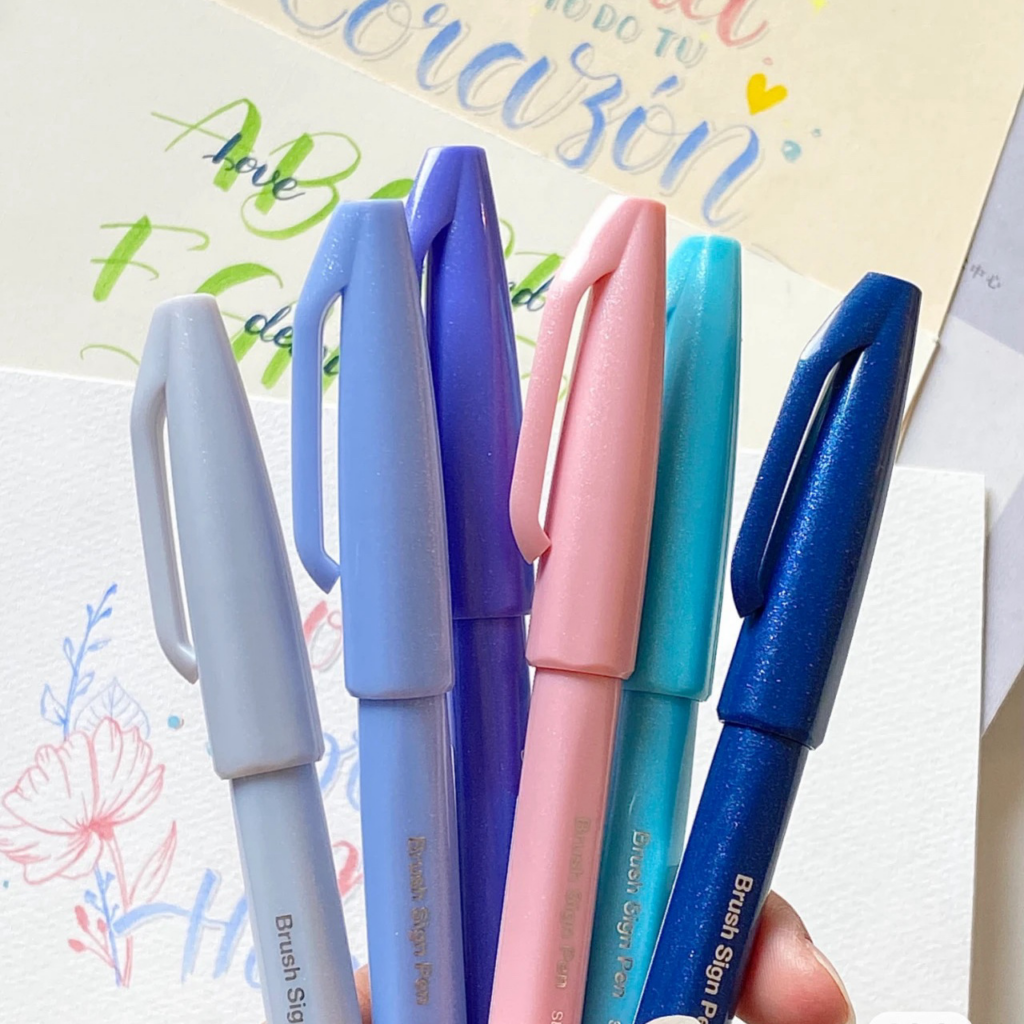
- Brush Pens: Brush pens feature a flexible brush-like tip that allows for varying line thicknesses. They are perfect for calligraphy and expressive brush strokes.
2. Paper and Surfaces
The choice of paper or surface can significantly impact the outcome of your colour pen art. Here are some options to consider:
- Mixed Media Paper: This type of paper is designed to handle various mediums, including pens, markers, and watercolors. It is a versatile choice for artists who like to experiment.
- Bristol Board: Bristol board is a smooth, heavyweight paper that works well with colour pens. It provides a sturdy surface for detailed illustrations.
- Watercolor Paper: If you plan to use water-based pens or markers, watercolor paper is an excellent choice. It can handle moisture without warping.
3. Additional Tools
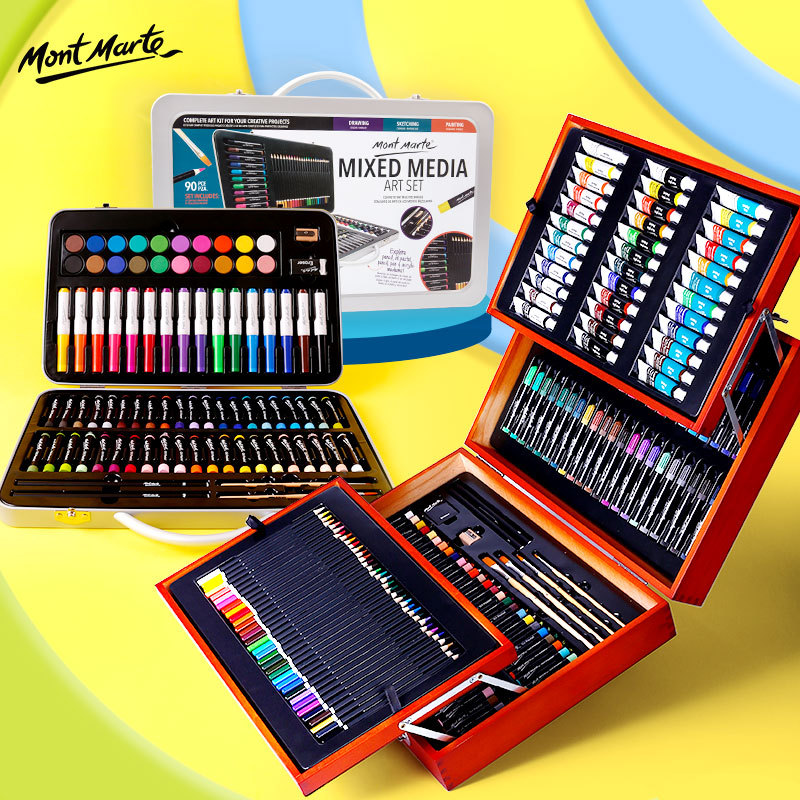
In addition to colour pens, consider using the following tools to enhance your artwork:
- Pencil and Eraser: Use a pencil to sketch your design before applying color. An eraser can help correct any mistakes.
- Ruler and Stencils: Rulers and stencils can assist in creating straight lines and geometric shapes, adding precision to your artwork.
- Blending Tools: Blending tools, such as blending stumps or alcohol-based markers, can help create smooth transitions between colors.
Techniques for Colour Pen Art
1. Layering
Layering is a fundamental technique in colour pen art that involves applying multiple layers of color to achieve depth and richness. Start with a light base layer and gradually build up darker shades. This technique allows for smooth transitions and enhances the overall vibrancy of your artwork.
2. Hatching and Cross-Hatching
Hatching and cross-hatching are techniques used to create shading and texture in your drawings. Hatching involves drawing parallel lines close together, while cross-hatching involves layering lines in different directions. These techniques can add dimension and depth to your artwork.
3. Blending
Blending is a technique that involves merging colors to create smooth transitions. You can achieve blending with colour pens by using a lighter shade to blend into a darker shade or by using a blending tool. Experiment with different blending techniques to find what works best for your style.
4. Stippling
Stippling is a technique that involves creating patterns or shading using small dots. This technique can add texture and detail to your artwork. Use a fine-tipped pen to create precise dots, varying the density to achieve different effects.
5. Doodling and Zentangle
Doodling and Zentangle are popular forms of colour pen art that focus on creating intricate patterns and designs. These techniques encourage creativity and mindfulness, allowing artists to express themselves freely. Start with simple shapes and gradually build complex patterns.
Tips for Creating Stunning Colour Pen Art
1. Start with a Sketch
Before diving into your final piece, start with a light pencil sketch to outline your design. This will help you plan your composition and make adjustments as needed. Once you are satisfied with the sketch, you can begin applying color with your pens.
2. Choose a Color Palette
Selecting a cohesive color palette can enhance the overall look of your artwork. Consider using complementary colors or a monochromatic scheme to create harmony in your piece. Experiment with different color combinations to find what resonates with you.
3. Practice Patience
Colour pen art requires patience and practice. Take your time when applying color and layering, allowing each layer to dry before adding more. Rushing can lead to mistakes and uneven application.
4. Experiment with Techniques
Don’t be afraid to experiment with different techniques and styles. Try combining layering, blending, and stippling to create unique effects. The more you practice, the more you will develop your own artistic style.
5. Keep Your Pens in Good Condition
To ensure the longevity of your colour pens, store them horizontally and keep the caps on when not in use. Regularly clean the tips to prevent clogging and maintain smooth application.
The Benefits of Colour Pen Art
1. Accessibility
Colour pen art is accessible to artists of all skill levels. With minimal setup and cleanup, it is easy to start creating without the need for extensive materials or equipment.
2. Stress Relief
Engaging in colour pen art can be a therapeutic and relaxing activity. The repetitive motions of drawing and coloring can help reduce stress and promote mindfulness.
3. Encourages Creativity
Colour pen art encourages creativity and self-expression. It allows artists to explore their imagination and experiment with different styles and techniques.
4. Portable
Colour pens are lightweight and portable, making them easy to take on the go. Whether you are traveling, at a café, or in a park, you can easily bring your art supplies and create wherever inspiration strikes.
5. Versatile Medium
Colour pen art can be used for various applications, including illustrations, doodles, mandalas, and more. The versatility of this medium allows artists to explore different styles and subjects.
Conclusion
Colour pen art is a vibrant and accessible form of artistic expression that offers endless possibilities for creativity. By understanding the tools, techniques, and benefits of this medium, you can embark on your own artistic journey and create stunning works of art. Whether you are a beginner or an experienced artist, colour pen art provides a unique way to express yourself and explore your creativity.
How to purchase:Online B2B sourcing platform, China purchase, Chinese suppliers – LooperBuy
Frequently Asked Questions
1. What types of pens are best for colour pen art?
The best types of pens for colour pen art include gel pens, marker pens, fineliner pens, and brush pens, each offering unique characteristics for different styles.
2. How do I choose the right paper for colour pen art?
Choose paper that is suitable for the type of pens you are using. Mixed media paper, Bristol board, and watercolor paper are all good options for colour pen art.
3. Can I use colour pens on surfaces other than paper?
Yes, colour pens can be used on various surfaces, including canvas, fabric, and even wood, depending on the type of pen and its intended use.
4. How can I improve my colour pen art skills?
Practice regularly, experiment with different techniques, and seek inspiration from other artists to improve your colour pen art skills.
5. Are there any specific techniques for blending colors with colour pens?
Yes, blending techniques can include layering colors, using a lighter shade to blend into a darker shade, or using blending tools to create smooth transitions.
HOT TAG: best color pen brands, mixed media art techniques, advanced shading techniques, color pen art tips, creative drawing ideas, art supplies for beginners, color blending methods, portable art tools, artistic expression, online art resources.