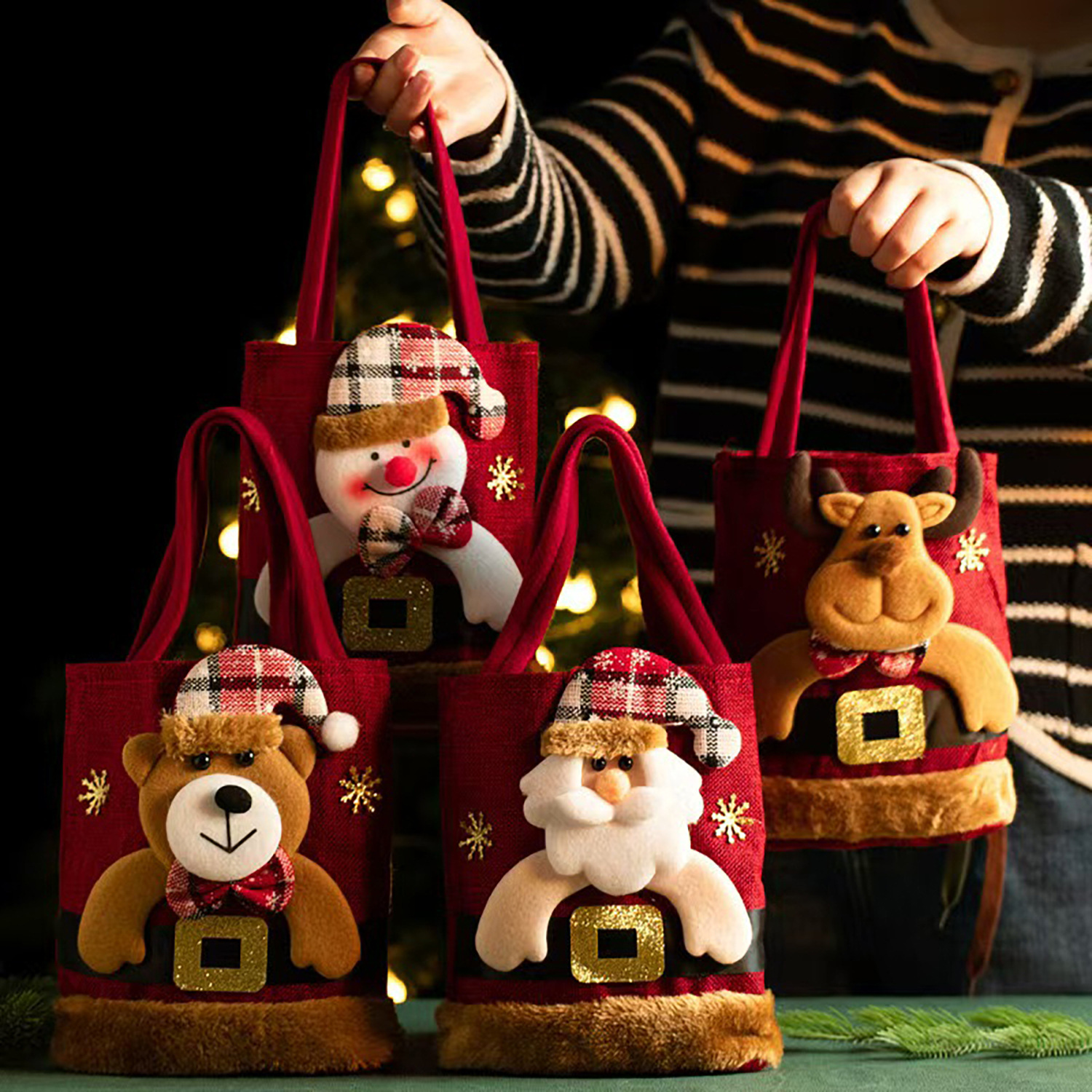
Christmas is a time of joy, celebration, and togetherness, marked by various traditions that have evolved over centuries. One of the most cherished customs associated with this festive season is the act of giving gifts. But why do we give gifts at Christmas? This question delves into the historical, cultural, and emotional significance of gift-giving during this special time of year. In this article, we will explore the origins of this tradition, its evolution, and the deeper meanings behind the gifts we exchange.
Table of Contents
The Historical Roots of Gift-Giving
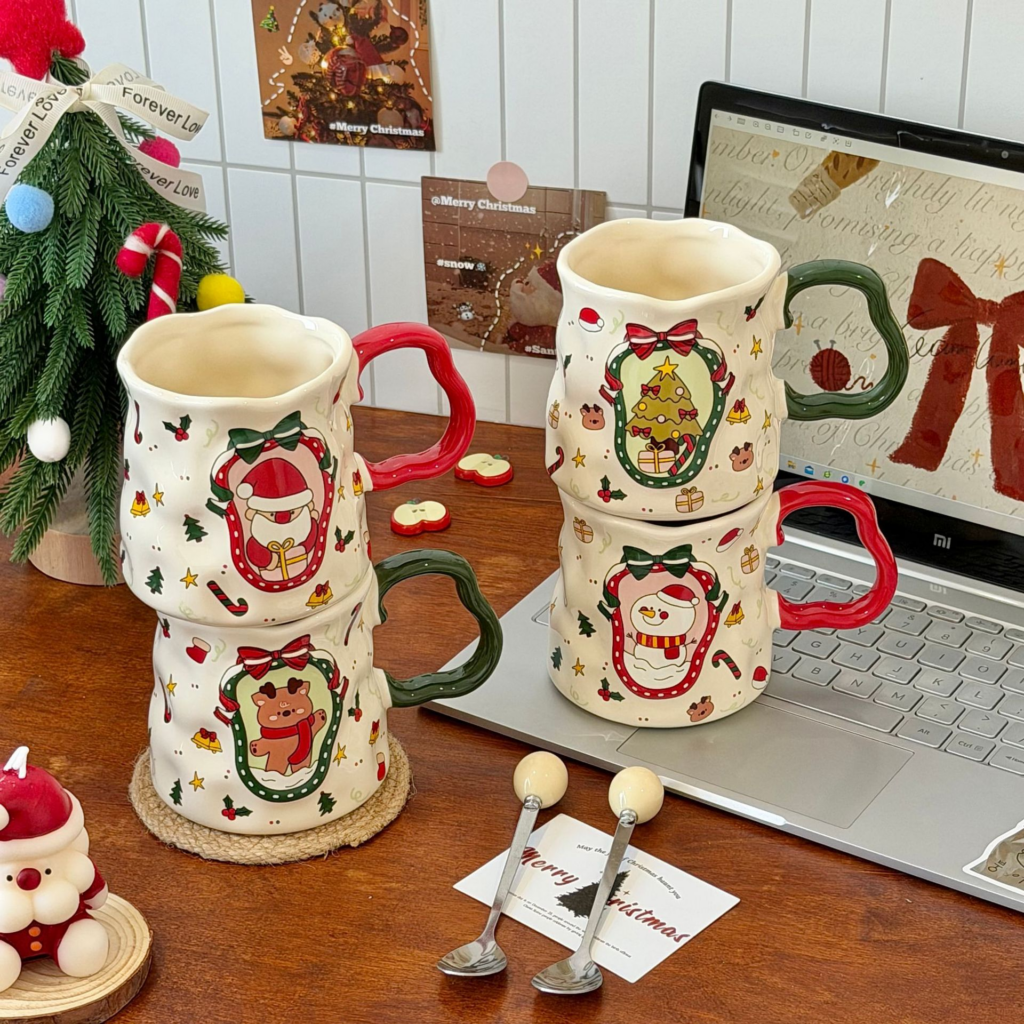
Ancient Traditions
The practice of giving gifts can be traced back to ancient civilizations. In many cultures, gift-giving was a way to strengthen social bonds and express goodwill. For instance, during the Roman festival of Saturnalia, which occurred in December, people exchanged gifts as a way to celebrate the winter solstice and honor the god Saturn. This tradition of exchanging gifts during the winter months laid the groundwork for the Christmas gift-giving we know today.
In addition to the Romans, other ancient cultures also practiced gift-giving during winter festivals. The Norse celebrated Yule, where gifts were exchanged to honor the return of the sun. Similarly, in ancient Egypt, gifts were offered to the gods during the winter solstice, symbolizing hope and renewal. These early practices highlight the universal human desire to connect and share joy during the darkest days of winter.
The Influence of Christianity
As Christianity spread throughout the Roman Empire, the significance of gift-giving began to intertwine with the celebration of Jesus Christ’s birth. The story of the Magi, who brought gifts of gold, frankincense, and myrrh to the newborn Jesus, is often cited as a foundational moment for the tradition. This biblical narrative emphasizes the importance of giving and generosity, setting a precedent for future Christmas celebrations.
The early Christians adopted and adapted existing pagan customs, including gift-giving, to create a uniquely Christian celebration. This blending of traditions allowed for a more inclusive holiday that resonated with diverse communities. As a result, the act of giving gifts became a way to honor not only the birth of Christ but also the spirit of love and compassion that he embodied.
The Role of Saint Nicholas
Another pivotal figure in the history of Christmas gift-giving is Saint Nicholas, a 4th-century bishop known for his generosity and kindness. Stories of his secret gift-giving, particularly to the poor and children, contributed to the development of the modern Santa Claus figure. The legend of Saint Nicholas has inspired countless acts of kindness and charity, reinforcing the idea that Christmas is a time for giving.
Saint Nicholas’s legacy is celebrated in various cultures around the world. In some countries, children eagerly await his arrival on December 6, known as Saint Nicholas Day, when they receive small gifts and treats. This tradition emphasizes the importance of giving and sharing, particularly with those less fortunate. The spirit of Saint Nicholas continues to influence how we view gift-giving today, reminding us that the true essence of Christmas lies in generosity and compassion.
The Evolution of Christmas Gift-Giving
From Religious to Secular
Over the centuries, the act of giving gifts at Christmas has evolved from a primarily religious observance to a more secular celebration. While the original intent was to honor Jesus and embody the spirit of generosity, the commercialization of Christmas has transformed gift-giving into a significant economic activity. Today, many people exchange gifts as a way to express love and appreciation for family and friends, regardless of their religious beliefs.
The rise of consumerism during the 20th century further changed the landscape of Christmas gift-giving. Retailers began to capitalize on the holiday season, promoting extravagant sales and marketing campaigns that encouraged people to buy more. This shift has led to a focus on materialism, with some individuals feeling pressured to spend beyond their means to keep up with societal expectations.
The Impact of Literature and Media
The popularization of Christmas gift-giving was further propelled by literature and media. The publication of “A Christmas Carol” by Charles Dickens in 1843 emphasized themes of generosity and compassion, inspiring readers to embrace the spirit of giving. Similarly, the poem “The Night Before Christmas” helped shape the modern image of Santa Claus and the tradition of gift-giving, making it a central aspect of Christmas celebrations.
In recent years, movies and television shows have continued to reinforce the importance of gift-giving during the holiday season. From heartwarming family films to romantic comedies set against a Christmas backdrop, these stories often highlight the emotional connections that gifts can foster. This media representation has helped to maintain the tradition of gift-giving as a beloved aspect of Christmas, even as its meaning has evolved.
The Role of Technology in Gift-Giving
The advent of technology has also significantly impacted how we approach gift-giving. Online shopping has made it easier than ever to find the perfect gift, allowing people to browse a vast array of options from the comfort of their homes. E-commerce platforms offer personalized recommendations based on previous purchases, making it simpler to select gifts that align with the recipient’s tastes.
Moreover, social media has transformed the way we share our gift-giving experiences. Platforms like Instagram and Facebook allow individuals to showcase their holiday celebrations, including the gifts they give and receive. This sharing fosters a sense of community and connection, as people can engage with one another’s experiences and traditions, further enriching the holiday spirit.
The Emotional Significance of Gift-Giving
Expressions of Love and Affection
At its core, gift-giving during Christmas is an expression of love and affection. The act of selecting a gift for someone special demonstrates thoughtfulness and care. Whether it’s a handmade item, a thoughtful book, or a simple gesture, gifts serve as tangible representations of our feelings for one another. This emotional connection is what makes the act of giving so meaningful.
The joy of giving is often accompanied by the joy of receiving. When someone opens a carefully chosen gift, the look of surprise and delight on their face can be incredibly rewarding for the giver. This exchange of emotions creates a bond that strengthens relationships and fosters a sense of belonging.
Strengthening Relationships
Gift-giving also plays a crucial role in strengthening relationships. The exchange of gifts fosters a sense of community and belonging, bringing people together during the holiday season. It creates opportunities for shared experiences and memories, reinforcing the bonds between family and friends. In this way, the act of giving transcends materialism, becoming a celebration of connection and togetherness.
Moreover, the act of giving can extend beyond personal relationships. Many people choose to donate to charities or volunteer their time during the holiday season, embodying the spirit of giving in a broader sense. This collective effort to support those in need highlights the importance of community and compassion, reminding us that the true essence of Christmas lies in our ability to care for one another.
The Psychological Benefits of Giving
Research has shown that giving can have significant psychological benefits. Engaging in acts of kindness, such as gift-giving, can lead to increased feelings of happiness and fulfillment. The act of giving releases endorphins, often referred to as the “helper’s high,” which can enhance overall well-being. This positive feedback loop encourages individuals to continue giving, creating a cycle of generosity that benefits both the giver and the recipient.
Additionally, gift-giving can serve as a form of social currency, strengthening social ties and enhancing one’s reputation within a community. When individuals are known for their generosity, they often find themselves more connected to others, fostering a sense of belonging and support.
The Modern Approach to Gift-Giving
Balancing Tradition and Modernity
In contemporary society, the approach to gift-giving has become more diverse. While some people adhere to traditional practices, others embrace new ways of celebrating. Experiences, such as trips or activities, are increasingly popular as gifts, reflecting a shift towards valuing memories over material possessions. This evolution highlights the adaptability of the Christmas spirit, allowing individuals to celebrate in ways that resonate with their values and lifestyles.
For instance, many families now prioritize experiences over physical gifts, opting for outings like concerts, theater performances, or family vacations. These shared experiences create lasting memories that can be cherished for years to come, reinforcing the idea that the true value of a gift lies in the time spent together.

The Importance of Thoughtfulness
Regardless of the form gifts take, the emphasis on thoughtfulness remains paramount. Many people now prioritize meaningful gifts that reflect the recipient’s interests and passions. This shift towards personalized gifting underscores the idea that it’s not the price tag that matters, but the sentiment behind the gift. Thoughtful gifts can create lasting impressions and deepen relationships, reinforcing the true spirit of Christmas.
In addition, the rise of technology has made it easier for people to give personalized gifts. Online shopping platforms allow for customization, enabling shoppers to create unique items that cater to individual tastes. This trend not only enhances the gift-giving experience but also allows for greater creativity and expression.
Ethical Considerations in Gift-Giving
As gift-giving has evolved, so too have the ethical considerations surrounding it. Many individuals are becoming more conscious of the environmental impact of their purchases, leading to a rise in sustainable and eco-friendly gifts. This shift reflects a growing awareness of the importance of responsible consumption and the desire to minimize waste.
Additionally, the concept of “experiential gifts” has gained popularity as a more sustainable alternative to traditional gift-giving. By giving experiences rather than physical items, individuals can reduce their environmental footprint while still providing meaningful and memorable gifts. This approach not only benefits the planet but also encourages recipients to create lasting memories rather than accumulating material possessions.
Unique and Personalized Gift Ideas
In the spirit of thoughtful giving, many people are seeking unique and personalized gifts that stand out from the typical holiday fare. Custom-made items, such as engraved jewelry, personalized photo albums, or bespoke clothing, can make recipients feel special and appreciated. These gifts often carry sentimental value, reminding the recipient of the thought and effort that went into their selection.
Another popular trend is the creation of DIY gifts. Handmade items, whether they are knitted scarves, homemade candles, or baked goods, convey a personal touch that store-bought gifts often lack. The time and effort invested in creating a DIY gift can enhance its emotional significance, making it a cherished keepsake.
Giving Back to the Community
As the spirit of giving permeates the holiday season, many individuals and families look for ways to give back to their communities. Volunteering time at local shelters, participating in food drives, or donating to charities are all meaningful ways to spread holiday cheer beyond personal circles. These acts of kindness not only help those in need but also foster a sense of community and connection among participants.
Engaging in community service during the holidays can also serve as a valuable lesson for children, teaching them the importance of empathy and compassion. Families can create traditions around giving back, such as volunteering together or organizing charitable events, reinforcing the idea that the true spirit of Christmas lies in helping others.

Conclusion
The tradition of giving gifts at Christmas is rich with history and meaning. From its ancient roots to its modern interpretations, gift-giving embodies the values of generosity, love, and community. As we continue to celebrate this cherished custom, it is essential to remember the deeper significance behind our gifts. Whether through a simple token of appreciation or a grand gesture, the act of giving remains a powerful way to connect with others and spread joy during the holiday season.
How to purchase:Online B2B sourcing platform, China purchase, Chinese suppliers – LooperBuy
Frequently Asked Questions
1. Why do we give gifts at Christmas?
Gift-giving at Christmas symbolizes generosity and love, rooted in historical traditions and the story of the Magi who brought gifts to Jesus.
2. How did the tradition of gift-giving start?
The tradition began with ancient practices of exchanging gifts during winter festivals, later influenced by Christian beliefs and the story of Saint Nicholas.
3. What is the significance of the gifts given to Jesus?
The gifts of gold, frankincense, and myrrh represent honor and reverence, highlighting the importance of giving during significant life events.
4. How has gift-giving changed over the years?
Gift-giving has evolved from a religious observance to a more secular practice, influenced by literature, media, and modern consumer culture.
5. What are some thoughtful gift ideas for Christmas?
Thoughtful gifts can include personalized items, experiences, or handmade gifts that reflect the recipient’s interests and passions.
HOT TAG: Christmas gifts, gift-giving tradition, Saint Nicholas, holiday generosity, Christmas history, festive season, meaningful gifts, family traditions, holiday celebrations, Christmas spirit, sustainable gifts, eco-friendly options, experiential gifts, ethical gift-giving, community connection, unique personalized gifts, DIY gifts, charitable giving, volunteering during holidays, emotional significance of gifts, modern gift-giving practices, cultural influences on Christmas, commercialization of Christmas, psychological benefits of giving, creative gift ideas, traditions around the world, holiday shopping trends, memories over materialism, thoughtful gift selection, sharing joy during Christmas.