Table of Contents
Introduction to Drop Shipping
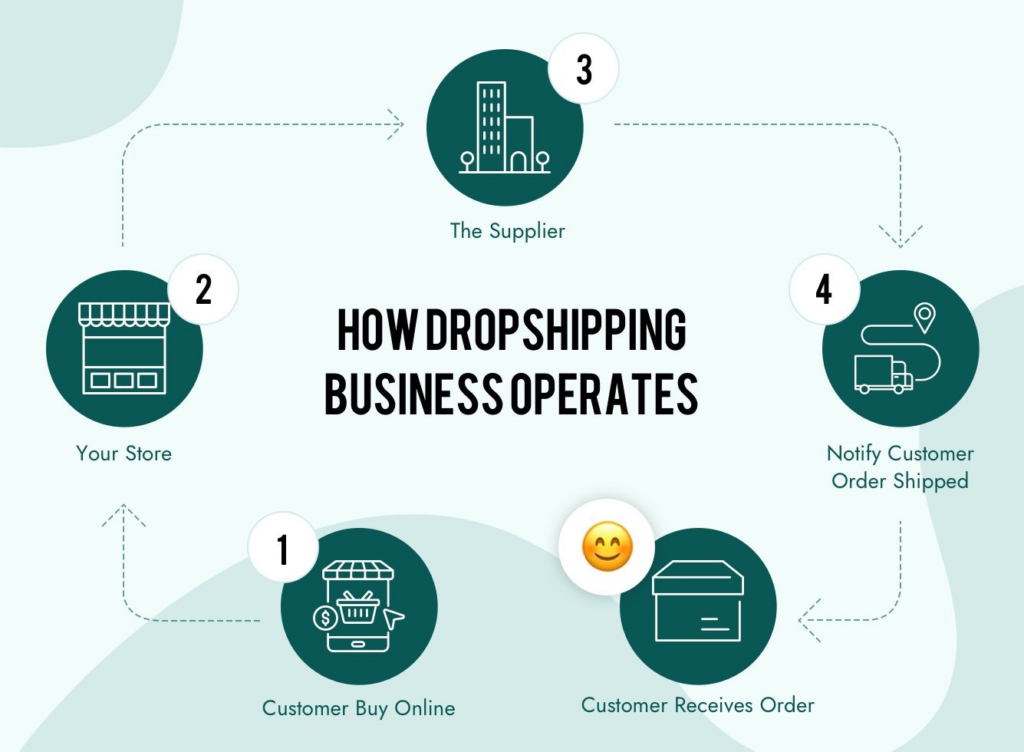
Drop shipping is an e-commerce business model where retailers don’t keep products in stock. Instead, when a customer places an order, the retailer transfers the order to a third-party supplier, who then ships the product directly to the customer. This model has gained popularity due to its low startup costs and minimal inventory risks. It allows entrepreneurs to start an online business without the burden of managing inventory and warehousing.
How Drop Shipping Works
In the drop shipping model, there are three key players: the retailer, the supplier, and the customer. The retailer creates an online store and markets products to customers. When a customer makes a purchase, the retailer forwards the order to the supplier, who then ships the product directly to the customer. The retailer makes a profit from the difference between the wholesale price charged by the supplier and the retail price charged to the customer.
Benefits of Drop Shipping
- Low Startup Costs: No need to purchase inventory in bulk or maintain a warehouse.
- Minimal Inventory Risk: No overstocking or dead stock issues.
- Flexibility: Easily adapt to market trends and test different products.
- Scalability: Quickly scale the business during peak seasons or promotions.
Challenges of Drop Shipping
- Supplier Reliability: Finding and vetting reliable suppliers is crucial.
- Limited Control Over Shipping: Less control over delivery times and packaging.
- Profit Margins: Often operates on relatively low profit margins.
- Customer Service: Handling customer inquiries and issues can be complex.
Setting Up Your Drop Shipping Business
Choosing a Niche
Selecting the right product niche is essential for success. Consider factors such as market demand, competition, product profitability, and personal interest. Research trends using tools like Google Trends, Amazon Best Sellers, and niche forums.
Finding Suppliers
There are several ways to find drop shipping suppliers:
- Supplier Directories: Platforms like SaleHoo, Spocket, and WorldWide Brands offer extensive lists of vetted suppliers.
- Trade Shows and Exhibitions: Events like the National Retail Federation (NRF) Annual Convention provide opportunities to meet suppliers in person.
- Online Marketplaces: Some online marketplaces, like AliExpress, offer drop shipping services.
Setting Up Your Online Store
Choose an e-commerce platform that suits your needs and technical expertise. Popular options include:
- Shopify: User-friendly with numerous templates and integrated drop shipping apps.
- WooCommerce: A powerful, customizable plugin for WordPress websites.
- BigCommerce: Offers a balance of ease of use and advanced features.
Marketing Your Drop Shipping Store
Creating a Brand Identity
Your brand identity includes your business name, logo, and brand messaging. Ensure your brand resonates with your target audience and reflects the products you sell.
Developing a Marketing Strategy
Effective marketing is crucial to drive traffic and sales. Consider the following strategies:
- Social Media Marketing: Utilize platforms like Instagram, Facebook, and TikTok to showcase products through engaging content, influencer collaborations, and targeted ads.
- Content Marketing: Create valuable content such as blogs, videos, and guides related to your niche to attract organic traffic.
- Paid Advertising: Run Google Ads and social media ads targeting specific keywords and audiences.
Managing and Growing Your Business
Supplier Relationship Management
Build strong relationships with suppliers through clear communication and reliable order volumes. Negotiate favorable terms such as better pricing, faster shipping, and dedicated customer service.
Order Management Systems
Implement efficient order management systems to track and manage orders seamlessly. Use automation tools to sync orders between your store and suppliers, reducing manual errors and processing times.
Customer Experience Optimization
Focus on providing excellent customer service to build loyalty and positive reviews. Respond promptly to inquiries, offer transparent shipping updates, and resolve issues efficiently.
Data-Driven Decision Making
Use analytics tools to track sales performance, customer behavior, and market trends. This data helps in making informed decisions about product selection, marketing strategies, and business growth opportunities.
Conclusion
Setting up a drop shipping business involves careful planning, supplier selection, effective marketing, and ongoing management. By following the steps outlined in this guide, you can establish a successful drop shipping operation. Remember that building a profitable business takes time and continuous optimization, but the flexibility and scalability of the drop shipping model make it an attractive option for entrepreneurs.
If you want to enhance your drop shipping operations with a streamlined procurement and logistics platform, you can use looperbuy, a one-stop purchasing-logistics solution: https://looperbuy.com/ .
Related Questions & Answers
· How do I find reliable drop shipping suppliers?
Research suppliers through directories like SaleHoo or Spocket. Attend trade shows to meet potential suppliers. Check supplier reviews and ratings from other retailers. Start with small orders to test reliability and product quality before committing to larger volumes.
· What are the typical profit margins in drop shipping?
Profit margins vary but generally range from 10% to 30%. They depend on product costs, supplier pricing, marketing expenses, and competitive pricing strategies. Higher margins can be achieved by selecting niche products with less competition or adding value through customized services.
· Can I run a drop shipping business without a website?
While a website is the most common platform, you can also use social media shops (like Instagram Shopping or Facebook Shops), online marketplaces (like eBay or Amazon), or even offline methods such as print-on-demand services. Each channel has its advantages and target audiences.
· How long does it take to set up a drop shipping business?
Basic setup can take as little as a few days to a couple of weeks, depending on your familiarity with e-commerce platforms and supplier onboarding processes. However, effectively launching and growing the business, including marketing and customer acquisition, is an ongoing process that requires continuous effort and optimization.
· What tools do I need to automate my drop shipping business?
Essential tools include e-commerce platforms (Shopify, WooCommerce), supplier management software (Spocket, Dropified), accounting software (QuickBooks), marketing tools (Google Ads, social media management tools), and customer service platforms (Zendesk). Automation can streamline order processing, inventory management, and customer communications.
Hot Tags: Drop Shipping Business Setup; E-Commerce Startup Guide; Supplier Sourcing Strategies; Online Store Creation; Drop Shipping Marketing Techniques; Entrepreneurial Ventures; Inventory Management Solutions; Scalable Business Models; Digital Marketing for Drop Shipping