Starting a dropshipping business can be an exciting venture, especially for those looking to enter the world of e-commerce without the burden of managing inventory. This guide will walk you through the essential steps to successfully launch and operate your dropshipping business, covering everything from choosing a niche to marketing your products effectively.
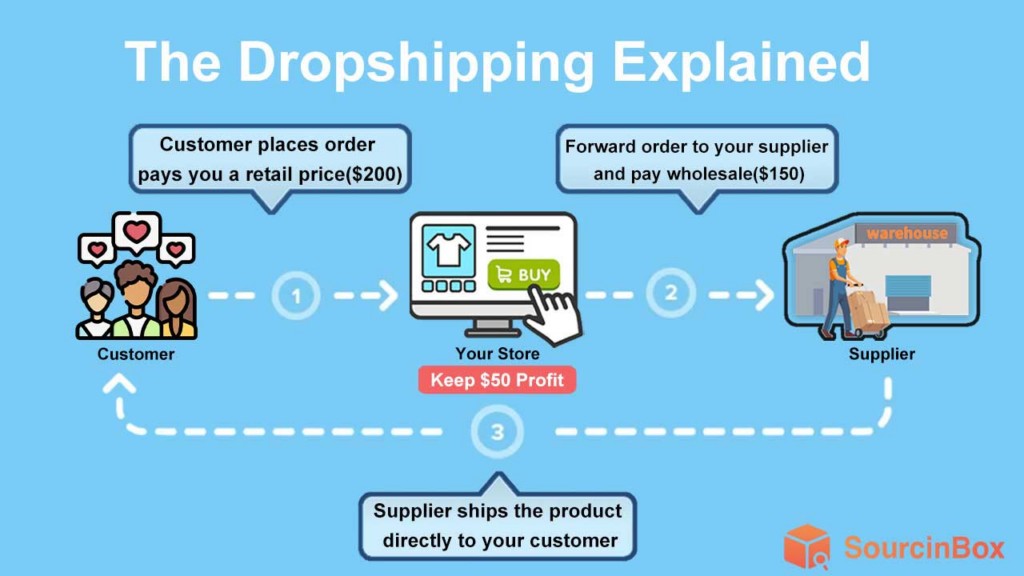
Table of Contents
Understanding Dropshipping
What is Dropshipping?
Dropshipping is a retail fulfillment method where a store does not keep the products it sells in stock. Instead, when a store sells a product, it purchases the item from a third party and has it shipped directly to the customer. This means that the seller does not have to handle the product directly, which significantly reduces overhead costs and risks associated with inventory management.
How Does Dropshipping Work?
The dropshipping process involves three main parties: the retailer (you), the customer, and the supplier. Here’s a simplified breakdown of how it works:
- Customer Places an Order: A customer visits your online store and places an order for a product.
- Order is Forwarded to Supplier: You receive the order and payment, then forward the order details to your dropshipping supplier.
- Supplier Ships the Product: The supplier packages and ships the product directly to the customer, while you keep the profit from the sale.
This model allows you to focus on marketing and customer service rather than logistics and inventory management.
Steps to Start Your Dropshipping Business
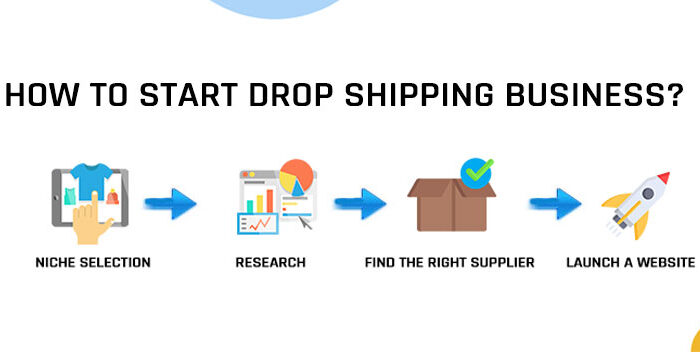
Step 1: Choose Your Niche
Selecting the right niche is crucial for your dropshipping business. A niche is a specific segment of the market that you will target. Here are some tips for choosing a profitable niche:
- Research Market Trends: Use tools like Google Trends and social media platforms to identify trending products. Look for products that are gaining popularity and have a consistent demand.
- Analyze Competitors: Look at what successful dropshipping stores are selling and find gaps in the market. Identify what they are doing well and where you can differentiate your offerings.
- Consider Your Interests: Choose a niche that you are passionate about, as this will make it easier to market your products. Your enthusiasm can translate into better customer engagement and more authentic marketing.
Step 2: Find Reliable Suppliers
Once you have chosen your niche, the next step is to find suppliers who can provide the products you want to sell. Here are some ways to find reliable suppliers:
- Use Dropshipping Platforms: Websites like AliExpress, Oberlo, and SaleHoo connect you with suppliers who are willing to dropship. These platforms often have reviews and ratings to help you assess supplier reliability.
- Contact Manufacturers Directly: If you have a specific product in mind, reach out to manufacturers to see if they offer dropshipping services. This can sometimes lead to better pricing and more control over product quality.
- Attend Trade Shows: Trade shows can be a great way to meet suppliers and see their products firsthand. Networking at these events can also lead to valuable partnerships.
Step 3: Build Your Online Store
Creating an online store is essential for your dropshipping business. Here are some popular platforms to consider:
- Shopify: A user-friendly platform that is ideal for beginners. It offers various templates and apps to help you set up your store quickly. Shopify also provides built-in tools for SEO and marketing.
- WooCommerce: A WordPress plugin that allows you to turn your website into an online store. It offers more customization options but requires some technical knowledge. WooCommerce is great for those who want full control over their site.
- BigCommerce: Another robust e-commerce platform that provides a range of features for growing businesses. It is particularly suited for larger catalogs and offers advanced SEO capabilities.
When building your store, ensure that it is visually appealing and easy to navigate. Include high-quality images and detailed product descriptions to attract customers. Consider implementing the following features:
- Mobile Optimization: Ensure your store is mobile-friendly, as a significant portion of online shopping is done via mobile devices.
- User Reviews and Ratings: Allow customers to leave reviews on products. This builds trust and can influence purchasing decisions.
- Live Chat Support: Implement a live chat feature to assist customers in real-time, enhancing their shopping experience.
Step 4: Set Up Payment Processing
To accept payments from customers, you will need to set up a payment processing system. Here are some popular options:
- PayPal: A widely used payment processor that is easy to integrate into your online store. It offers buyer protection, which can increase customer confidence.
- Stripe: A flexible payment processing platform that supports various payment methods, including credit cards and digital wallets. Stripe is known for its developer-friendly API.
- Square: Ideal for businesses that also sell in-person, as it offers both online and offline payment solutions. Square provides a comprehensive suite of tools for managing sales and inventory.
Make sure to choose a payment processor that is secure and reliable to build trust with your customers. Additionally, consider offering multiple payment options to cater to different customer preferences.
Step 5: Market Your Products
Once your store is set up, it’s time to start marketing your products. Here are some effective marketing strategies:
- Social Media Marketing: Use platforms like Instagram, Facebook, and Pinterest to showcase your products and engage with potential customers. Create visually appealing posts and stories that highlight your products in use.
- Content Marketing: Create blog posts, videos, and infographics that provide value to your audience and drive traffic to your store. Share tips related to your niche, product reviews, and how-to guides to establish authority.
- Email Marketing: Build an email list and send newsletters to keep your customers informed about new products and promotions. Use personalized email campaigns to increase engagement and conversion rates.
Step 6: Manage Customer Service
Providing excellent customer service is crucial for the success of your dropshipping business. Here are some tips for managing customer service effectively:
- Respond Promptly: Ensure that you respond to customer inquiries and complaints quickly to maintain a positive reputation. Aim to reply within 24 hours to show customers that you value their time.
- Offer Clear Return Policies: Make your return policies clear and easy to understand to build trust with your customers. A straightforward return process can enhance customer satisfaction and loyalty.
- Use Automation Tools: Consider using customer service tools like chatbots to handle common inquiries and free up your time. Automating responses to frequently asked questions can improve efficiency.
Step 7: Analyze and Optimize
Once your dropshipping business is up and running, it’s essential to continuously analyze your performance and optimize your strategies. Here are some key areas to focus on:
- Track Key Metrics: Monitor metrics such as conversion rates, average order value, and customer acquisition costs. Use analytics tools to gain insights into customer behavior and sales trends.
- A/B Testing: Experiment with different marketing strategies, website layouts, and product offerings to see what resonates best with your audience. A/B testing can help you refine your approach and improve results.
- Customer Feedback: Regularly solicit feedback from customers to identify areas for improvement. Use surveys and reviews to gather insights on their shopping experience and product satisfaction.
Step 8: Scale Your Business
As your dropshipping business grows, consider strategies for scaling your operations. Here are some ways to expand:
- Diversify Your Product Range: Introduce new products within your niche or explore complementary niches to attract a broader audience. Research market trends to identify potential new offerings.
- Expand to New Markets: Consider targeting international markets or different demographics. Adjust your marketing strategies to cater to the preferences of these new audiences.
- Automate Processes: Invest in automation tools for inventory management, order processing, and customer service to streamline operations and reduce manual workload.
Step 9: Build a Brand Identity
Creating a strong brand identity is essential for standing out in the competitive dropshipping market. Here are some strategies to develop your brand:
- Define Your Brand Values: Determine what your brand stands for and what values you want to communicate to your customers. This could include sustainability, quality, or customer-centricity.
- Create a Unique Logo and Visuals: Design a memorable logo and choose a color scheme that reflects your brand’s personality. Consistent visuals across your website and marketing materials help reinforce brand recognition.
- Develop a Brand Voice: Establish a tone and style for your communications that resonate with your target audience. Whether it’s friendly, professional, or quirky, consistency in your messaging builds trust.
Step 10: Stay Informed and Adapt
The e-commerce landscape is constantly evolving, and staying informed about industry trends is crucial for long-term success. Here are some ways to keep up:
- Follow Industry News: Subscribe to e-commerce blogs, podcasts, and newsletters to stay updated on the latest trends and best practices.
- Join Online Communities: Participate in forums and social media groups related to dropshipping and e-commerce. Engaging with other entrepreneurs can provide valuable insights and support.
- Attend Workshops and Webinars: Look for educational opportunities that can enhance your skills and knowledge in areas like digital marketing, SEO, and customer service.
Step 11: Legal Considerations
Starting a dropshipping business involves several legal considerations that you should be aware of to ensure compliance and protect your business. Here are some key points to consider:
- Business Structure: Decide on the legal structure of your business (e.g., sole proprietorship, LLC, corporation). Each structure has different implications for liability, taxes, and regulatory requirements.
- Licenses and Permits: Depending on your location and the products you sell, you may need specific licenses or permits to operate legally. Research local regulations to ensure compliance.
- Sales Tax: Understand the sales tax requirements in your jurisdiction and how they apply to your dropshipping business. You may need to collect sales tax from customers in certain states or countries.
- Terms and Conditions: Create clear terms and conditions for your website, outlining your policies on returns, shipping, and customer service. This helps protect your business and sets clear expectations for customers.
Step 12: Financial Management
Effective financial management is crucial for the sustainability of your dropshipping business. Here are some tips to manage your finances:
- Budgeting: Create a budget that outlines your expected income and expenses. This will help you track your financial performance and make informed decisions.
- Accounting Software: Consider using accounting software to manage your finances, track sales, and generate reports. Tools like QuickBooks or Xero can simplify your accounting processes.
- Monitor Cash Flow: Keep a close eye on your cash flow to ensure you have enough funds to cover expenses and invest in growth opportunities. Regularly review your financial statements to identify trends and areas for improvement.
Conclusion
Starting a dropshipping business can be a rewarding experience if done correctly. By following the steps outlined in this guide, you can set up a successful online store and begin selling products without the hassle of managing inventory. Remember to stay informed about market trends and continuously optimize your marketing strategies to grow your business. With dedication and the right approach, your dropshipping venture can thrive in the competitive e-commerce landscape.
As you embark on your dropshipping journey, remember that the right products can make all the difference in attracting customers and boosting sales. Discover a wide range of trending items that can elevate your online store at LooperBuy.
Article Summary: This comprehensive guide provides essential steps for starting a successful dropshipping business, including choosing a niche, finding reliable suppliers, building an online store, setting up payment processing, marketing products, managing customer service, analyzing performance, scaling operations, building a brand identity, staying informed, understanding legal considerations, and managing finances. By following these steps, aspiring entrepreneurs can effectively launch their dropshipping ventures.
Hot Tags: Dropshipping; E-commerce; Online Store; Business Model; Retail Fulfillment; Supplier Management; Market Trends; Customer Service; Payment Processing; Marketing Strategies; Niche Selection; Shopify; WooCommerce; AliExpress; Social Media Marketing; Content Marketing; Email Marketing; Trade Shows; Product Research; Profit Margins; Automation Tools; Customer Engagement; Sales Strategy; Inventory Management; Business Growth; E-commerce Platforms; Digital Marketing; Online Retail; Business Startup; Entrepreneurial Success.